
Reviewed · BERBER VILLAGE TOURS
3-Day Desert Tour to Fez: Ouarzazate and Berber Village from Marrakech
A 3-day desert trip that starts in Marrakech and ends in Fez is interesting because you are not just doing a one-note Sahara day. You roll through Atlas passes, UNESCO kasbah streets, rose valleys, and gorges, then finish by trading sand for cedar forests and dropping into Fez at night. I especially like the combo of a guided visit to Aït Benhaddou and the full-on desert experience in Erg Chebbi, including sunset camel time and a Berber camp night. The main consideration: you are on the road a lot, with an early start and dinners and breakfasts handled, but lunches mostly on your own.
You also get a workable pace. The route is built around real breaks, with time to stand up, stretch, and take photos instead of just watching scenery go by. I like that the group is kept small, with a maximum of 15 people, so you are less likely to feel like you are trapped in a moving crowd.
One more thing to think about: night comfort varies, and your desert camp uses a private tent with shared bathroom facilities. If shared bathrooms make you grumpy, plan for that up front, pack accordingly, and you will enjoy the experience a lot more.
Key highlights that make this route worth it
- UNESCO Aït Benhaddou with a guide, plus the film-set vibe you can feel as you walk the lanes
- Valley of Roses stop in Kelaa Mgouna, where rose-growing is not just a view, it is a working cooperative
- Dadès and Road of 1,000 Kasbahs, designed for multiple photo and stretch stops along the way
- Todgha River walk and Berber village visits, giving you more than postcard scenery
- Erg Chebbi camel trek into the dunes, followed by an organized night under Saharan stars
- Small groups and multiple drivers, which helps when you switch from Marrakech side to the Fez drive
From Marrakech to Ouarzazate: Atlas passes and kasbah energy on Day 1
Day 1 is your classic Atlas big-sky warmup, with a morning pickup from your hotel or a spot close to your riad if your riad is hard to reach by minibus. You head up through the Tizi-n-Tichka pass, where you see mountain farms worked by local Berber families. It is one of those drives where the scenery changes fast, and the altitude makes the air feel sharper.
A key moment comes with your visit to Aït Benhaddou for lunch (lunch cost is on you). This is a UNESCO-listed kasbah, and a guided tour here is the difference between seeing a pile of mud buildings and understanding why it matters. You will also hear how the site has been used in famous films and photo shoots, which helps you connect the place to the images you have already seen online or on screen.
After that, you travel through Ouarzazate, often called the Gate of the Sahara. Think of Ouarzazate as the practical base where you can feel the transition from mountains to desert culture. Your route continues past palm and olive groves in the Skoura oasis, and then you stop at Kasbah Amridil to learn about how these structures were built and why they worked in the local climate.
Then the day turns toward something softer. You head into the Valley of Roses to Kelaa Mgouna, a rose plantation area tied to a cooperative. Even if rose season is not in full swing when you go, the stop gives you a real sense of how agriculture and local women-run production shape daily life here. I like that this is not just a sightseeing pit stop, it is a working stop.
Finally, you end the day in the Dadès area, with overnight accommodation at Kasbah Dades Amazigh or kasbah Chems Dades. If your room has extra perks like a pool, that can be a nice morale boost after a long driving day, but don’t count on every property having the same setup.
More Berber Village Tours in Marrakech:
- Berber villages : Atlas Mountains Day Hike from Marrakech
★ 5.0 · 14,007 reviews - Marrakech: Balloon Flight, Berber Breakfast & Certificate
★ 4.8 · 8,164 reviews - Marrakech: Majorelle Garden, YSL, and Berber Museum Entry
★ 4.6 · 5,168 reviews
Aït Benhaddou and Ouarzazate: how to get more than a photo stop
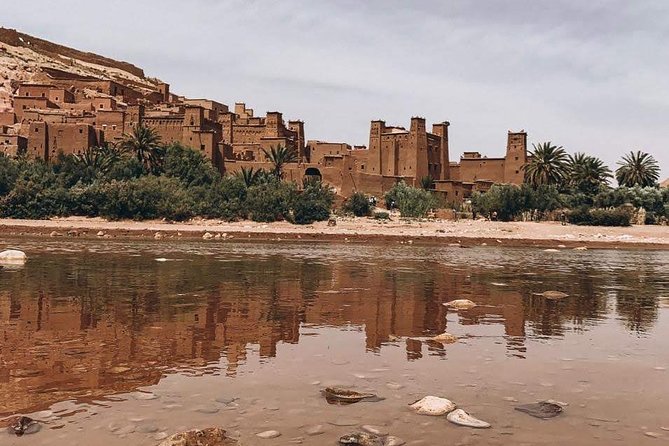
This part of the tour hits three smart needs: orientation, context, and time on foot. A guide helps you understand the layout of a kasbah and the logic behind its walls, courtyards, and storage spaces. Without that, Aït Benhaddou can feel like scenery that passes quickly. With the walkthrough, you start noticing details.
If you want better photos, go a little slow during the walk. Look for angles where you can see the layers of the village, not just one close shot. Also keep in mind it can get warm during midday, so plan for water shopping during the day since drinking water is not provided in the tour package.
A small practical point: lunch is your responsibility here. If you dislike surprises, eat early and keep snacks in your day bag for later in the afternoon when you are still heading to the next stop.
Valley of Roses and Skoura palms: the stops that break up the driving grind
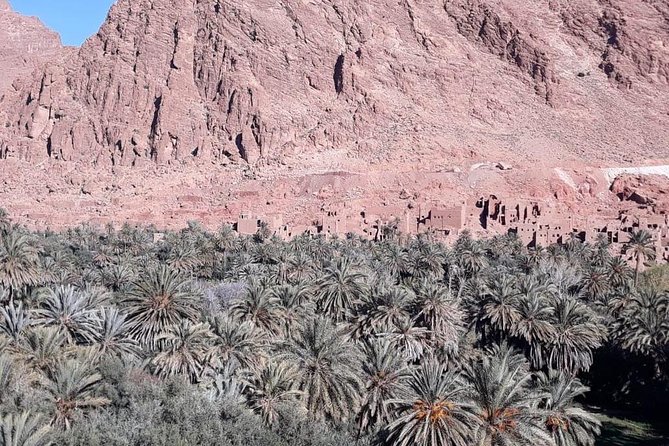
The Skoura oasis moment is one of those “oh right, Morocco is not only desert” reminders. Palms and olive groves mean cooler shade and a different color palette, and it helps your brain reset after hours in the mountains.
Then you arrive in Kelaa Mgouna. The focus is rose-growing through a cooperative, which is a valuable stop if you like your travel to include how locals make things, not just where they live. You are not promised a big production factory tour, but you do get a chance to see agriculture linked to community work.
If you are the type who wants souvenirs with a story, this is where that can happen naturally. Rose products are usually easy to find in this region, and it is more meaningful when you have just heard how the cooperative approach supports local livelihoods.
Dadès Valley via the Road of 1,000 Kasbahs: built for scenic breaks
Day 2 starts with breakfast and then a long but varied drive. You depart the Dadès area and take the famous Road of 1,000 Kasbahs through the Dadès Valley. It is not called that for nothing. You get repeated views of fortified buildings perched along the hillsides, and you do get time stops built in rather than rushing everything.
Along the way, you visit a traditional kasbah in the region. The point of this stop is to see what a kasbah looks like beyond Aït Benhaddou, and to hear how the architecture shaped daily survival. You’ll also notice that the kasbah style adapts to the land and the water situation, and that makes the comparison to earlier stops click.
You then head toward Tinghir through the foothills, and the day adds a green reset with the Todgha River area. This is where your walking time comes in, and it makes the day feel less like a series of drives through big space.
Set these Marrakech options side by side
- Marrakech: Agafay Desert Sunset, Camel Ride, and Dinner Show
★ 4.6 · 35,119 reviews - From Marrakech: Ouzoud Waterfalls Guided Hike and Boat Trip
★ 4.7 · 33,630 reviews - Marrakech: Agafay Desert Quad & Camel Rides with Dinner Show
★ 4.8 · 27,382 reviews - Marrakech: Agafay Desert Quad Biking Tour with Dinner-Show
★ 4.8 · 16,569 reviews
Todgha River walk and Berber villages: the human scale of the route
In Tinghir, you enjoy a 1-hour walk along the Todgha River, where palms and olive trees grow by the water. This walk matters because it is paced. You can look at irrigation patterns, tree shade, and the way villages cluster near water access.
The tour also includes a visit to Berber villages with your guide, with time to meet locals for conversation. You will not get a staged show here, it is more about seeing how the village feels day to day and hearing local perspectives through your guide.
Then there is Todgha Gorge for lunch, but lunch is your own expense. I suggest you treat lunch like energy fuel, not like a relaxing restaurant plan. If you enjoy simple, you can do this easily. If you need predictable menu options, you may want to grab something quick rather than expecting a full table-service meal.
Erfoud, Merzouga, Rissani: transitioning into the real Sahara
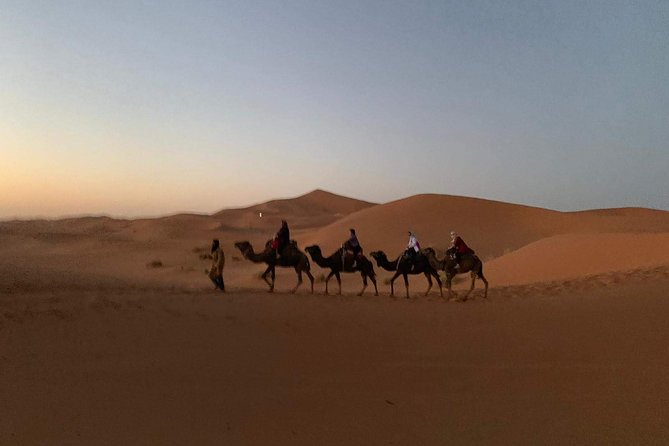
After the gorge area, you travel through the oasis towns of Erfoud and Merzouga, and you also go by the holy town of Rissani. This part of the route is less about walking and more about feeling the change in the environment as you close in on the dunes.
Erfoud and Merzouga are where services and tourism infrastructure show up in a practical way. The oases soften the transition, so the move from green-banked walks to dry desert wind does not feel sudden.
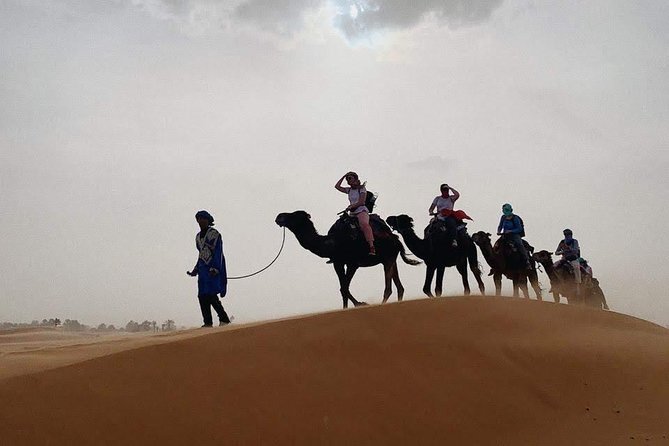
When you reach Erg Chebbi, you meet your camel train. This is one of the included big-ticket pieces, and it is worth approaching with the right expectations.
Erg Chebbi camel trek and sunset ride: how to make it comfortable
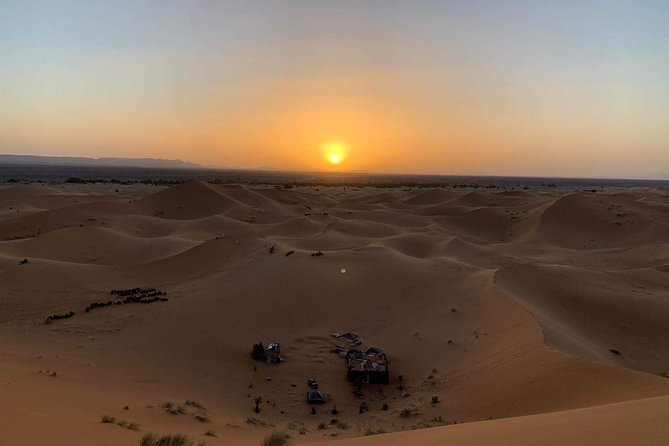
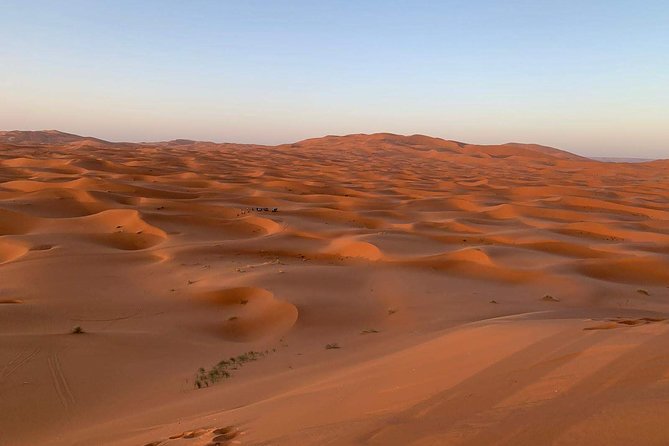
The camel ride takes you into the Sahara Desert for sunset views and then onward to your desert camp for dinner and stargazing. Erg Chebbi dunes are dramatic, and the sunset timing helps you see why people get emotional over sand. The light changes quickly, and the dunes look different every few minutes.
Comfort is your job here. The tour notes that long trousers are recommended because camel saddles can cause skin irritation. Even if you feel confident, bring trousers, not just shorts. Sunscreen and sunglasses matter too, because you will be exposed for stretches.
Also consider that this ride is on a camel, not a guided horse-and-carriage. You should expect a bit of sway and slow pacing. If you keep your body calm and relax your grip, it becomes way less stressful.
Dinner and stargazing follow at the camp. This is where the tour earns its storytelling. You are trading paved lights for star cover, and the night sky can feel like a reset button after the long drive days.
Sahara camp night under Berber tents: what you should really plan for
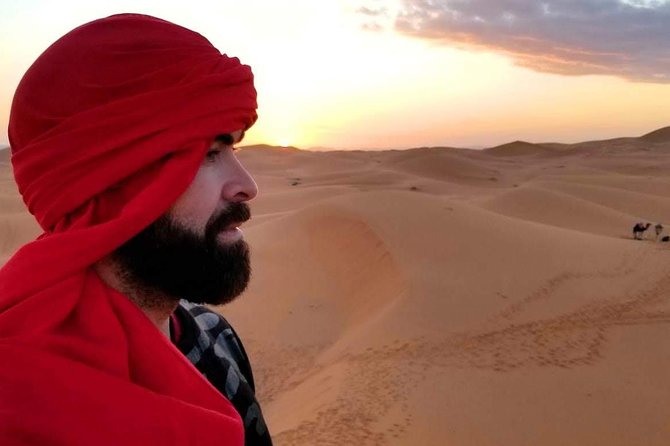
Your overnight at the desert camp is in a private tent with shared bathroom facilities. Bedding is provided, so you do not need a sleeping bag, but you should still bring layers. The tour warns it can be cold at night, especially in winter, and that tracks with desert temperature swings.
Your day ends with dinner and the stargazing session, then you sleep in the tent. The vibe is simple and traditional, which is part of the appeal. If you want hotel-style privacy and a private bathroom, this is not that kind of setup.
My practical tip: pack a headlamp or small flashlight if you have one. Shared bathrooms mean you will be walking in the dark, and Morocco nights are not designed around your phone screen.
Day 3: leaving the desert, driving to Fez through cedar forests
Day 3 starts with a goodbye to the desert portion of the group and a new driver for your drive to Fez. Your van is for a maximum of 6 passengers, which helps the ride feel more personal and less crowded than a full-size bus day.
The drive is long but scenic in a different way. You cross the Ziz Valley via Errachidia, described as the capital of the Tafilalt region. Then you continue to Midelt for lunch at leisure, before crossing the Middle Atlas Mountains with cedar forests and Berber towns like Imouzzar and Ifran.
You arrive in Fez late in the afternoon around 8 pm. That late arrival changes how you should plan your next steps. It is smart to have your riad address and check-in method ready before you get dropped.
Price and value: is $230.30 a fair deal for this much motion?
At about $230.30 per person, this tour can feel like good value if what you want is the full circuit: guided UNESCO kasbah time, a rose valley stop, Todgha walking, a camel trek into Erg Chebbi, plus two nights of accommodation coverage (one in the gorge area, one in the desert camp). You also get breakfast twice and dinner twice, which matters because meals can add up quickly on these routes.
What you trade for that value is flexibility in meal planning. Lunch and drinks are not included unless specified, so you will pay out of pocket a few times. If you are a foodie who expects sit-down lunches every day, you may end up spending more than you first expect.
I think the price is reasonable for most adults who want a guided package without the hassle of arranging separate transport and a desert camp. It is less of a deal if you already have transport lined up and you only want the desert camp. In that case, you might compare options that separate the Sahara portion from the kasbah route.
What to pack for a smooth 3 days, not a miserable 3 days
This trip is not hard, but it is physical in small ways. Bring good walking shoes, because you do a walk along the Todgha River. Bring sunscreen and sunglasses for sun exposure during drives and desert time.
Pack modest clothing. The tour recommends conservative dress as a sign of respect, with upper body and knees covered. That is not just moral math, it keeps you from feeling awkward in villages and in religious areas.
Also remember: drinking water is not provided by the can be purchased along the way. Keep a bottle with you and refill when you can.
Finally, plan your layers for night. The desert can cool down fast, even if the daytime feels hot. Bring something warm enough for evening near the camp and for the return drive in cooler air.
Guides, group size, and the small details that make this feel organized
This tour caps at 15 travelers, and that matters more than people think. With fewer people, you get quicker check-ins, less waiting at each stop, and a calmer feeling when the group needs to move.
One highlight from a good experience is the guide presence. A standout detail you should expect is a guide who stays available through the day, helps coordinate timing, and can explain what you are looking at. If you get a guide like Rarhib, you are in good hands, with a style that feels attentive without being pushy.
Another organizational win is simple: multiple stops along the route. That means you are not stuck in a single long stretch with no breaks. It makes a huge difference on a 7:00 am start.
And because contact details can be messy, do yourself a favor. Double-check the operator phone number listed with your booking before you leave. If there is a mismatch, it can create avoidable stress when pickup time arrives.
Should you book this Marrakech to Fez desert tour?
Book this tour if you want a guided, full-route experience that connects desert dunes with kasbah culture and ends in Fez. It is especially worth it if you like structured days with planned stops, plus one memorable night under Saharan stars.
Skip it or think harder if you hate long drives, late arrival logistics, shared bathroom setups, or you only want the Sahara part. This is not a quick desert hop, it is a route day plus route day plus desert night, with Fez waiting at the end.
If you are on the fence, my best practical advice is this: make sure you are comfortable with a 7:00 am start, modest clothing, and the idea that lunch is on your own a few times. If that sounds fine, you are set for a Morocco route that feels real, not rushed.
FAQ
What is the duration of the tour?
The tour runs for about 3 days.
What time does the tour start?
The start time is listed as 7:00 am.
Do you get picked up in Marrakech?
Yes, pickup is offered from your accommodation in Marrakech, or from a nearby place if your riad is not accessible by minibus.
Does the tour include a camel trek in the desert?
Yes, it includes a camel trek in Erg Chebbi.
Where do you sleep overnight?
You sleep in accommodation at Kasbah Dades Amazigh or kasbah Chems Dades, and you also sleep in a Sahara desert camp in a private tent.
Are meals included?
Yes. The tour includes breakfast twice and dinner twice. Lunch and drinks are not included unless specified.
What is the bathroom setup at the desert camp?
Your desert camp tent includes a private tent, and the bathrooms are shared.
Is drinking water provided?
Drinking water is not provided, but you can purchase it along the way.
Is this tour suitable for young children?
It is not recommended for children under 2 years old.
Just reviewed around Marrakech
- From Marrakech: Day trip to Ouzoud waterfalls and boat tour★ 5.0 · 73 reviews
- Private horseback ride in the Palmeraie of Marrakech★ 5.0 · 73 reviews
- Marrakech to Essaouira / Small group day tour To Essaouira★ 5.0 · 73 reviews
- 1 Day Guided Tour of World Heritage Kasbah Ait Ben Haddou from Marrakech★ 3.5 · 73 reviews
- Marrakech: Authentic Local Dinner with Transport★ 4.1 · 73 reviews
- Ourika Valley Day trip: Hike, waterfall, lunch and Relax★ 4.8 · 73 reviews
- Waterfalls, Three valleys, Atlas Montains, Camels & Desert★ 5.0 · 73 reviews
- Marrakech: Cycling Tour in Palm Groove with Local Breakfast★ 4.7 · 73 reviews
Berber Village Tours, compared.
Berber villages : Atlas Mountains Day Hike from Marrakech
Read our review →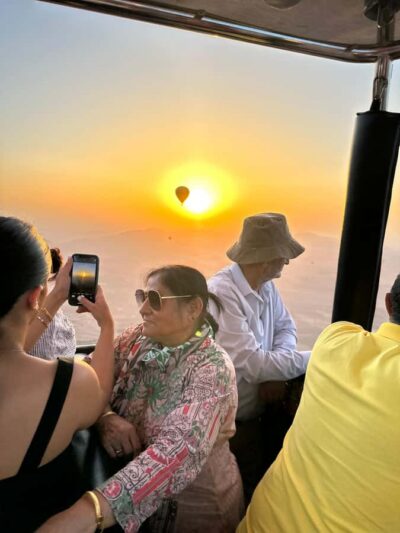
Balloon Flight, Berber Breakfast & Certificate
Read our review →
Majorelle Garden, YSL, and Berber Museum Entry
Read our review →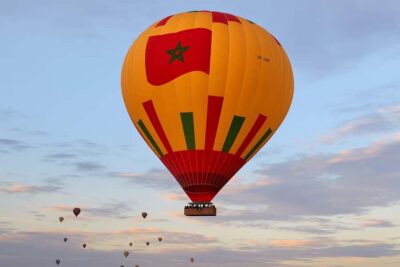
Hot Air Balloon Flight with Berber Breakfast
Read our review →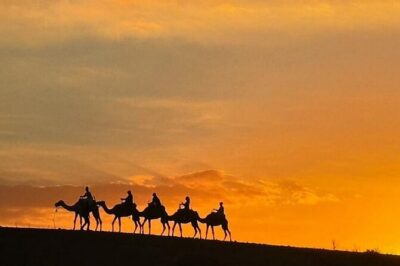
Atlas Mountains, Berber Villages and Three Valleys all inclusive
Read our review →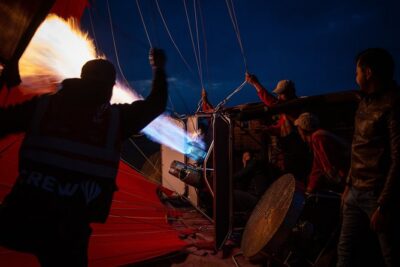
Atlas Mountains Hot Air Balloon Ride from Marrakech with Berber Breakfast and Desert Camel Experience
Read our review →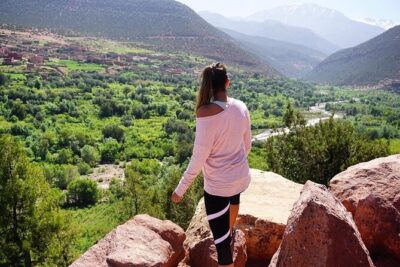
Atlas Mountains, Berber Villages, Agafay & Camel Ride
Read our review →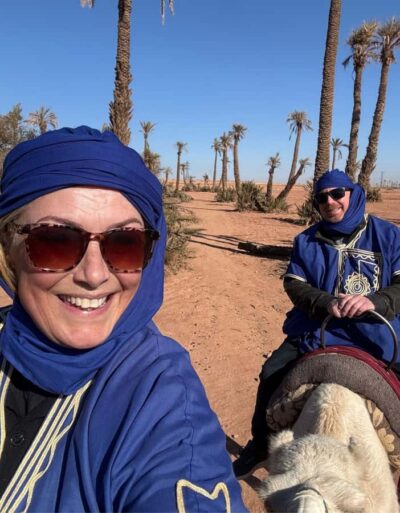
Balloon Flight, Berber Breakfast, and Camel Ride
Read our review →Browse the lists this tour appears in