
Reviewed · SAHARA DESERT TOURS
7-days: Casablanca to Chefchaouen then Fes and Sahara Desert – Camel Trekking
This route is interesting because you go from ocean-side Casablanca to the blue streets of Chefchaouen, then into Morocco’s interior, and finally out to the Sahara Desert for a camel trek. I especially like the mix of big, iconic sights (like Hassan II Mosque when your timing allows) with hands-on moments that feel real, not staged. One thing to consider up front is that you’re on the move most days, and only breakfasts are included, so you’ll be budgeting for other meals.
You’ll also like the small group size. With a max of 20 travelers and a guide plus driver handling the in-between, you get the social side of group travel without the chaos of a huge bus. The payoff is you can actually pay attention to what you’re seeing, and you’re less likely to lose time figuring out transport.
If you’re the type who hates being rushed, this isn’t a slow, single-city trip. You’ll have free time in places like Chefchaouen and Fez, but expect long drives on some days, especially the jump toward the desert.
Key highlights that matter (not just nice words)
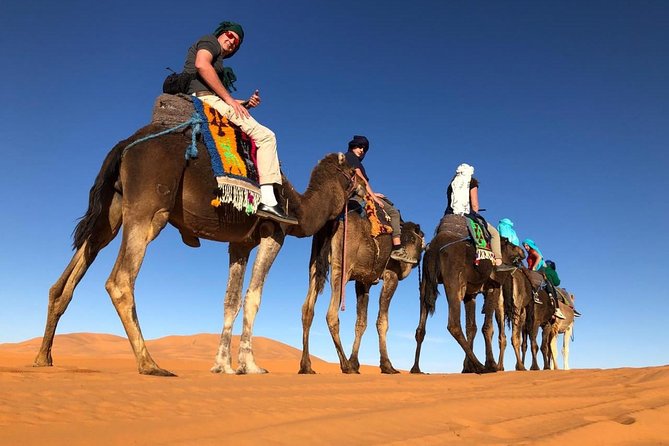
- Camel trekking into the desert plus an overnight in a Berber tent
- Chefchaouen with free time to wander the blue-and-white medina streets
- Fez el-Bali guided exploration with stops that include the Jewish quarter and craft areas
- Erg Chebbi / Merzouga sunsets and a desert camp arrival by evening
- Todra Gorge and a chance to see and buy from a Berber rug cooperative
- A full route through the High Atlas on the way to Marrakech, including Tizi n Tichka and Ait Benhaddou
Why this 7-day route is a smart way to see Morocco’s best
Doing Morocco “one city at a time” is lovely, but it takes time. This itinerary compresses a lot of variety into one week: coastal Casablanca energy, Rif Mountains charm in Chefchaouen, the maze-like intelligence of Fez, then the grand scale of the Sahara, followed by the canyon and kasbah country that funnels you into Marrakech.
The biggest value here is not any single stop. It’s the sequencing. You go from cooler, greener terrain to mountain towns, then down into deserts and canyons, so each day feels like a new chapter. And because the group is capped at 20, you can actually hear your guide, ask questions, and keep your day on schedule.
The other value is cultural framing. The route is built to give you context and stories, not just photos. That matters because in Morocco, knowing what you’re looking at changes everything, from the medina layout in Fez to why rug-making co-ops exist in the places you stop.
More Camel Rides in Casablanca
- Marrakech Day Trip with Camel Ride from Casablanca
★ 5.0 · 740 reviews - From Casablanca: Day Trip to Marrakech with Camel Ride
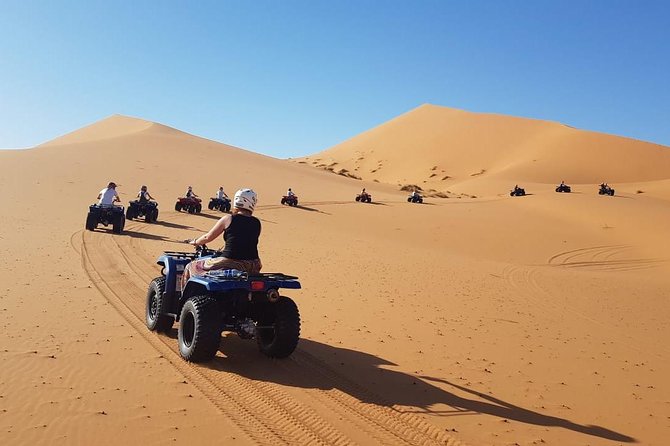
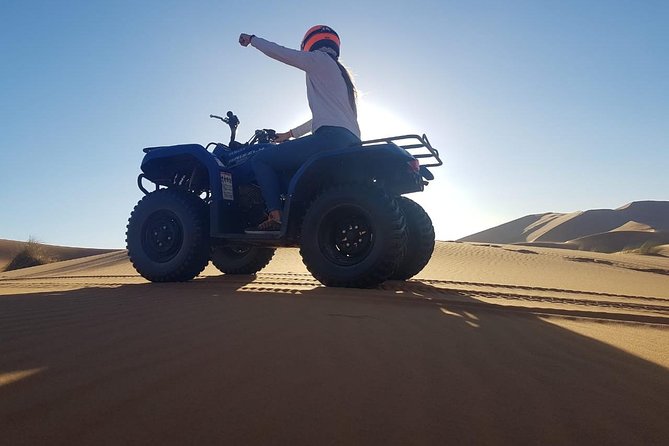
★ 4.5 · 317 reviews - Private Marrakech excursion, camel ride or quad from Casablanca
★ 5.0 · 175 reviews
Price and what you’re really paying for ($2,320.48)
At $2,320.48 per person for 7 days, you’re paying for convenience plus a real geographic sweep. This price is easier to justify if you think in terms of: transport across long distances, a guide for multiple days, and key booked experiences like the camel trek and the Berber tent night.
Two practical points that affect value:
- Breakfasts are included, but other meals are up to you. That can swing your daily budget depending on where you eat, so I’d plan a cushion for lunches and dinners.
- You’re not just moving between cities. You’re also doing the desert transition day and the Todra Gorge day, which typically require more driving time and tighter scheduling.
If you compare this to hiring everything separately, the guide and driver support usually makes it cheaper than stitching together buses, transfers, and desert logistics on your own. If you’re traveling solo and want a guide to cut through the planning headache, the value tends to feel even stronger.
Day 1: Casablanca to Chefchaouen, plus Hassan II Mosque if timing fits
Most tours start with a “check-in, then drive.” This one can add a highlight right away. If you arrive one day earlier, you’re advised to visit the Hassan II Mosque in Casablanca. On the tour day itself, visiting the mosque is possible depending on your arrival timing, and the admission ticket is listed as free.
Then you head into the Rif Mountains toward Chefchaouen. The magic is immediate: the medina’s blue doors and whitewashed walls are the kind of visual that makes you slow down. Once you’re there, the main square is a natural meeting point for people-watching and deciding where to wander next.
Chefchaouen works best with patience. Take time to walk beyond the first few streets so you can feel the rhythm of the town. There’s also a busy market, with a mix of traditional Moroccan items and more tourist-facing fare, so I recommend using your time to look at crafts and small local goods rather than chasing only souvenirs.
You also get a quick stop at Ras El Ma. It’s short, but it gives you a little stretch before tomorrow’s big drive.
Possible drawback: This day can feel like back-to-back transfers, especially if your arrival timing doesn’t line up for Hassan II Mosque. If you like a relaxed start, try to arrive early enough to breathe before the transfer days pile up.
Days 2 and 3: Fez el-Bali, guided wandering, and craft stops that give context
After breakfast, you drive from Chefchaouen to Fez, Morocco’s old imperial capital. The drive is listed as about 4 hours, so it’s a real transit day. The good news is you’ll be arriving with daylight and energy, not just collecting yourself at night.
In Fez, you get free morning time, then the tour begins in earnest. The next day is a guided exploration through Fes el-Bali, the heart of the medina. You’ll see the outside of the king’s palace, plus you’ll move through areas that include the Jewish quarter and ceramic manufactories.
Here’s why this guided format matters: Fez can feel like a logic puzzle. Without a guide, you might enjoy it, but you’re likely to miss why certain streets matter. With a guide, you can connect what you see to how the city works.
You also have overnight in a riad. Even if you’ve stayed in riads before, this is usually the most comfortable way to anchor in Fez because it tends to feel quiet and private compared with the bustle outside.
Tip for your own experience: when you have free time, don’t just shop. Pause at a viewpoint, watch how people move through the medina, and note how craft areas cluster. It makes the guided pieces feel like they fit together.
More Sahara circuits:
- 10-days Private tour in Morocco: Sahara Desert + Imperial Cities
★ 5.0 · 279 reviews - Morocco Tour from Casablanca to Sahara and Marrakech 5 days
★ 4.5 · 171 reviews - 8-Day Morocco Adventure: Imperial Cities & Sahara Desert Trek
★ 5.0 · 37 reviews - From Marrakech: 3-Day Merzouga and Sahara Desert Tour
★ 4.9 · 15,308 reviews
Day 4: Ifrane, monkeys near Azrou, Ziz Valley, and arriving near Erg Chebbi
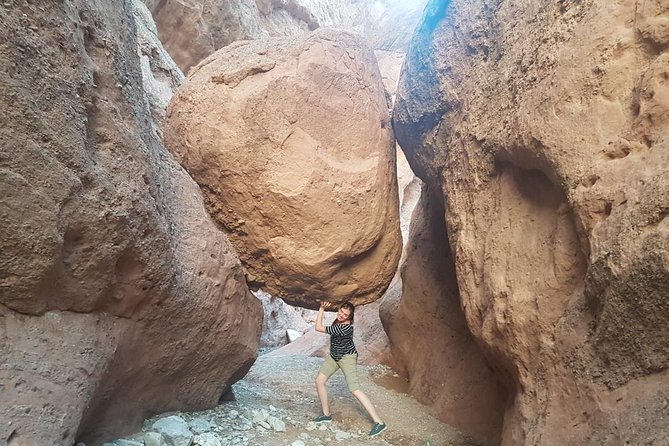
This is a “many little stops” day, but it’s also one of the most memorable stretches, because you see Morocco’s climate changes as you drive south.
You stop in Ifrane, known as the Swiss of Africa. It’s a quick reset point, a chance to stretch and see a different vibe than the medina towns.
Then you move to Azrou, where wild monkeys are based. The tour includes a stop for pictures at the apes. It’s short and very dependent on where the monkeys are that day, so keep expectations flexible. I’d also treat this as a watching moment, not a photo campaign.
You’ll also have a lunch stop in a restaurant along the way. After that, the drive continues through the Ziz Valley, with an included stop for its canyon-like views. There’s also a stop described as famous for fossils, which is a nice reminder that Morocco’s geology is not just scenery, it’s a story.
By evening you reach Erg Chebbi and enjoy the desert colors around sunset, then overnight in a hotel.
Possible consideration: Expect cooler evenings as you approach the desert. Bring a light layer you can wear when the sun drops, because temperatures can shift fast.
Day 5: Merzouga, Lake of Merzouga if water is available, Berber pizza, and the camel trek
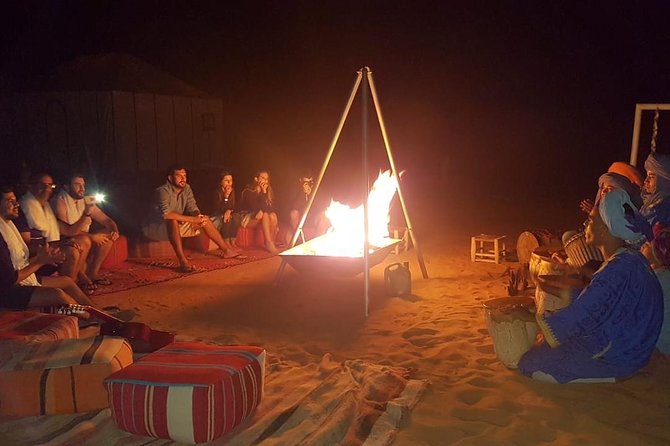
Day 5 is where the route starts feeling like a different planet.
You begin with a stop at the Lake of Merzouga. The flamingo visit is listed as seasonal, and you’ll see it only if water is available. So don’t build your day around guaranteed flamingos. Instead, treat this as a chance to see a specific moment in the desert ecosystem when conditions line up.
Next comes Khamlia, where you stop for lunch, described as Berber pizza. Even if you don’t love every dish, this is the kind of meal stop that makes the day feel grounded in where you are, not just transported from viewpoint to viewpoint.
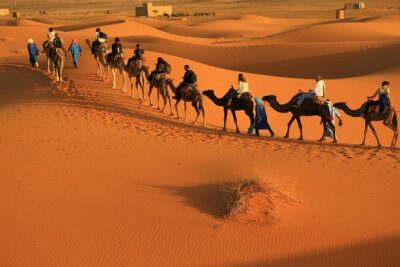
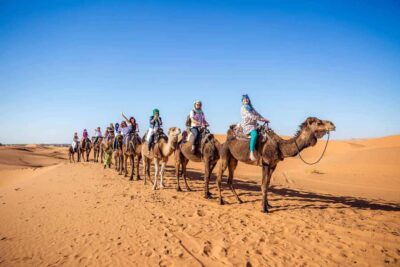
Then the main event: camel trekking to the desert camp. The camel trek is listed as about 1 hour. This is one of the highest-value parts of the trip because it’s not a drive-by. You feel the desert slow down around you, and the rhythm of travel becomes part of the experience.
You also get time to enjoy the sunset again in the Merzouga area. This is the “you remember this later” part of the trip, especially if the sky is clear.
Your tour package includes one night in a Berber tent during this desert segment, so plan for the practical reality of desert overnighting: it’s more about atmosphere than luxury.
How to make the camel trek more comfortable: wear closed-toe shoes you can keep secure, and bring a light scarf. Desert wind and sand are common.
Day 6: Todra Gorge, rug co-ops, and sleeping in the Dades Valley area
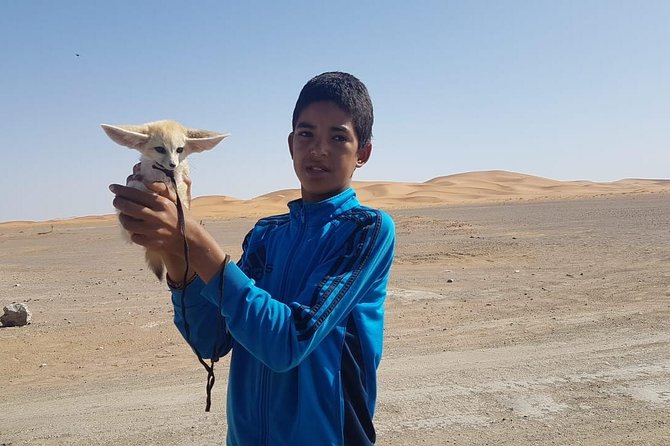
Leaving the desert, the route shifts from wide-open emptiness to dramatic vertical rock.
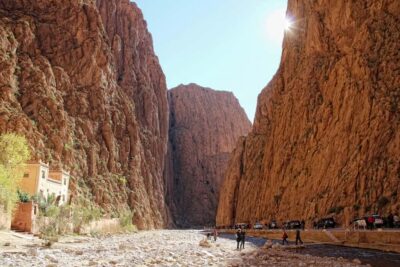
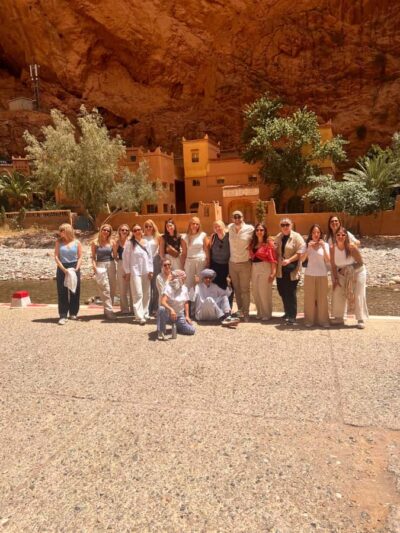
You stop at Todra Gorge. It’s described as a 1000-foot gorge hemmed in by vertical limestone cliffs, sometimes called Morocco’s Grand Canyon. The scale is the point. Standing in a space like that makes you feel tiny in a way that pictures never fully capture.
There’s also a chance to stop at a Berber co-operative, where you can see and buy handmade rugs, kilims, and carpets. This is one of those stops I like on guided tours because it connects the craft to real people who make and sell it. If you want to buy, go in with patience. Ask questions about materials and the general feel of the craftsmanship, and use your hands as your guide.
Then you move on to Boumalne Dades for overnight in a hotel.
Possible drawback: If you’ve been in transit for several days, Todra Gorge can feel intense and time-limited. I’d recommend taking a few minutes at multiple points in the gorge rather than rushing to the single best photo spot.
Day 7: Roses, Amridil, the cinema city feeling, Ait Benhaddou, and Tizi n Tichka into Marrakech
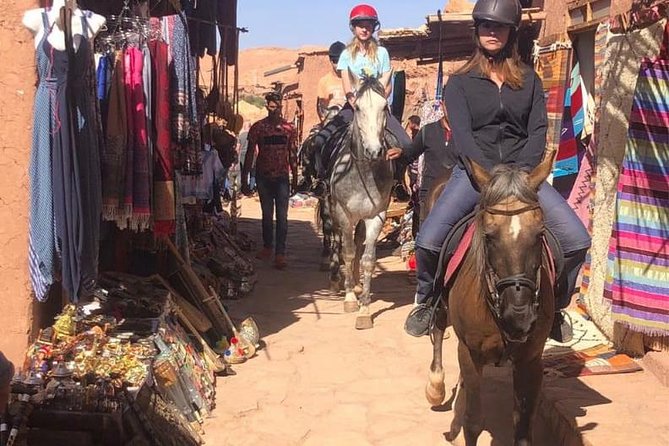
Your final day is designed to connect deserts and canyons to the famous kasbah scenery that Morocco does better than almost anywhere else.
First you stop in a valley famous for pink roses and rose products. This is a quick but atmospheric break, with perfect photo chances if the timing works with the day’s light.
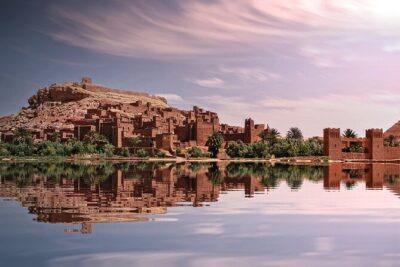
Next you visit Amridil, described as one of the best old kasbahs. You’re not just looking at stone here. You’re seeing how buildings were designed to manage heat and living needs in a harsh environment.
Then you stop in the city of cinema, a nod to Ouarzazate-area film production culture. Even if you don’t care about movies, it explains why you see certain architecture and filming-style infrastructure in this region.
After that comes Ait Benhaddou, one of the most famous kasbah sites in Morocco. The stop is about 1 hour, which is enough for a quick circuit and photos if you move steadily. If you want more time inside, you may wish you had another hour, but as a day-ender it works because you still have more driving.
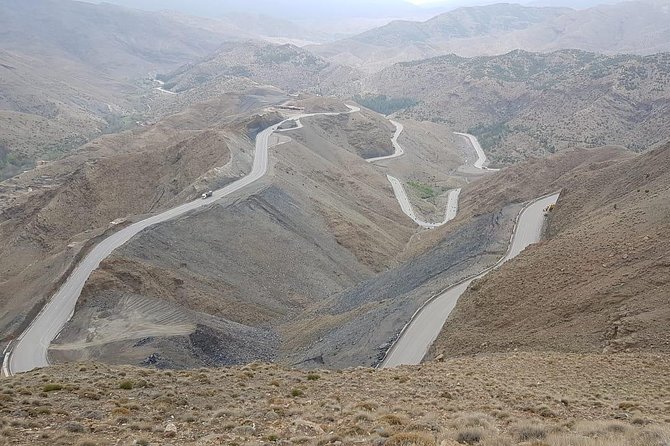
The route also includes Tizi n Tichka, with panoramic views and an included admission ticket. From there, you end services in Marrakech, the red city with its medina and busy square.
Practical note: The drive through the High Atlas can make you grateful you’re not doing it alone. Switchbacks and elevation are one thing when you’re prepared, another thing when you’re trying to navigate as a solo driver.
What your guide and small-group size changes on the ground
The tour is a group trip with a maximum of 20 travelers. That affects your day more than you’d think. It keeps stops manageable, helps the guide keep an eye on timing, and gives you room to ask questions without shouting across a crowd.
It also seems the company assigns guides who know how to explain Morocco in a way that sticks. In the stories people shared, Youssef comes up as professional and personable, proud of his culture, and comfortable turning real history into something you can understand while you’re walking. Another name that appears is Mohamed, praised for being an excellent driver/guide in active day versions of the same broader style of trip.
Even if your guide’s style differs, you can expect an emphasis on Moroccan history and culture and a steady rhythm that ties the sights together.
Meals, timing, and how to not feel hungry on this kind of schedule
Here’s the basic structure: all breakfasts are included, and most other meals are on you. That’s normal for Morocco, and it can be a good thing if you use it well.
I’d plan lunches around whatever meal stop is built into the drive. For example, the day toward the desert includes a lunch stop near Azrou and then the Berber pizza lunch in Khamlia. Those are set up to keep you energized for long walking and camel trekking.
For dinners, don’t wait too long. In areas like Fez and Chefchaouen, dinner decisions are easier when you’re already near your riad or hotel. If you wander late without a plan, you might end up eating somewhere convenient rather than somewhere you truly like.
If you’re sensitive to sand, plan ahead for hydration on desert days. You’ll want water even if you’re not doing a lot of walking.
What to pack for a camel trek plus Atlas driving
You’re moving through different climates and you’ll do a desert overnight. That’s three packing needs in one trip:
- Layers: mornings can be cool even when afternoons are warm, and desert evenings can drop quickly.
- Comfortable shoes: Fez medina walking and Todra Gorge surfaces add up.
- A scarf or light head covering: it helps with sun and wind during desert moments.
- Cash for meals: since only breakfasts are included, you’ll want an easy payment method for lunches and dinners.
Also bring a small day bag. You’ll have short stops like Ras El Ma, Ifrane, and fossils stops where you’ll want quick access to essentials.
Should you book this Casablanca to Sahara camel trekking tour?
Book it if you want a high-effort, high-variety week. This is a good fit for first-timers who want Casablanca, Chefchaouen, Fez, desert time around Erg Chebbi and Merzouga, Todra Gorge, and Ait Benhaddou without having to assemble transport and schedules yourself.
You should think twice if you hate long drives or you want luxury-style accommodations and long stays in only one or two places. This tour is built for movement. And desert overnighting is not a spa experience, it’s an atmosphere experience.
If you’re okay with that tradeoff, you’ll likely feel like you touched Morocco in a way most people miss: city medinas, craft culture, canyon walls, and then the desert sky at night.
FAQ
Where does the tour start and where does it end?
It starts with pickup in Casablanca (hotel or airport) around 8:00 am, and it finishes with services ending in Marrakech.
How many people are in the group?
The group is capped at a maximum of 20 travelers.
Are breakfasts included?
Yes. All breakfasts are included, while other meals are up to you.
Do you get to ride camels and sleep in a Berber tent?
Yes. The desert portion includes camel trekking to the desert camp and one night sleeping in a Berber tent.
Will I see flamingos at the Lake of Merzouga?
You might be able to visit the Lake of Merzouga and see flamingos if water is available, since the lake is seasonal.
Is the Hassan II Mosque included on day 1?
Visiting the Hassan II Mosque is possible depending on your arrival timing. The mosque admission ticket is listed as free, and it is advised if you arrive one day earlier.
What time is the start of the tour?
The meeting start time is listed as 8:00 am.
What happens if weather is poor or the minimum number of travelers isn’t met?
The experience requires good weather. If it is canceled due to poor weather, you’ll be offered a different date or a full refund. It also requires a minimum number of travelers, and if that minimum isn’t met you’ll be offered an alternative date or a full refund.
Is there free cancellation?
Yes, you can cancel up to 24 hours in advance for a full refund. If you cancel less than 24 hours before the experience’s start time, the amount paid is not refunded.
More Hiking & Trekking in Casablanca
- 7 Days Luxury Desert Tour From Casablanca to Marrakech via fez -Camel trekking
★ 5.0 · 146 reviews - Atlas Trekking Morocco
★ 5.0 · 35 reviews - From Marrakech: Ouzoud Waterfalls Guided Hike and Boat Trip
★ 4.7 · 33,630 reviews - Berber villages : Atlas Mountains Day Hike from Marrakech
★ 5.0 · 14,007 reviews
Just reviewed around Casablanca
- 10 Days Tour From Casablanca, Morocco★ 5.0 · 28 reviews
- Casablanca to Tangier Day Trip By High-Speed Train and Camel Ride★ 4.5 · 30 reviews
- Half Day Private Casablanca City Tour★ 4.5 · 30 reviews
- 12 Days From Casablanca- Cultural Immersion Tour★ 5.0 · 31 reviews
- 15 Days Morocco Private Grand Tour From North To South Starting From Casablanca★ 5.0 · 31 reviews
- Private Day Trip to Rabat Departure from Casablanca★ 5.0 · 33 reviews
- Religious Casablanca: Private Spiritual Tour Including Hassan II Mosque Visit★ 5.0 · 33 reviews
- Private Casablanca Market Tour and Cooking Class with Chamsi★ 5.0 · 33 reviews
Sahara Desert Tours, compared.
3-Day Marrakech to Fes Sahara Desert Tour via Merzouga
Read our review →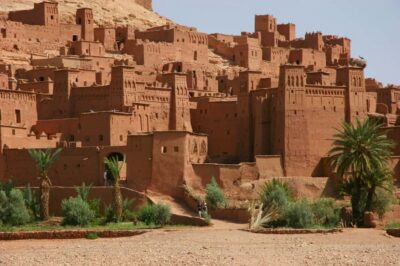
Sahara Desert 2-Day Tour with Merzouga Camp Stay
Read our review →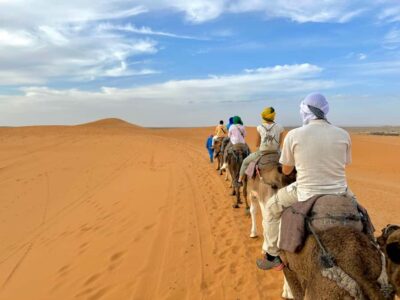
From Fes to Marrakech: 3-Day Sahara Desert Discovery Tour
Read our review →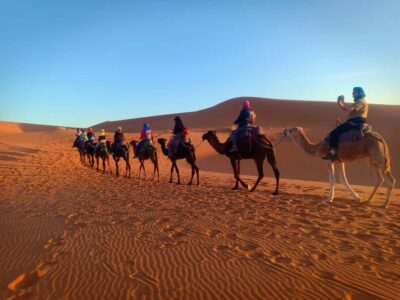
Browse the lists this tour appears in