
Reviewed · IMPERIAL CITIES TOURS
8 Days Morocco Private Tour; Imperial Cities and the Desert
Morocco works best when you stop letting logistics drive your day. This private 8-day route uses a private car and your own room at each stop, so you can move at a human pace from the Imperial Cities to the dunes. The best part is how the day structure balances big sights with real travel time, plus time to stretch when you need it. Guides you might meet along the way include Youssef, Hamid, Mustafa, Said, and Salah, based on past guest feedback.
I especially like the way the itinerary threads history into your route, from the Hassan II Mosque and Roman ruins at Volubilis to Fez’s craft workshops and the dramatic canyon scenery in Todra. I also like that the desert portion is built around the experience, with a camel trek into Erg Chebbi and a camp night at Moonlight Desert Camp, plus a sunrise viewpoint in the morning.
One consideration: most lunches are not included, and some historic-site admissions are marked as not included in the day notes. If you want a simple, fixed-fee trip with no onsite decisions, you’ll want to budget for meals and a few admissions as you go.
Key things I think you will like
- Private, flexible driving with stops whenever you want to break up long stretches
- Guided time in Fez and Marrakech, focused on the big landmarks plus the medina details that can otherwise feel overwhelming
- Erg Chebbi camel trek with luggage transferred by 4×4 so you can travel light
- Moonlight Desert Camp night with Berber dinner, drum playing, and options like sand boarding
- Big scenery days through the Atlas mountains, Ziz Valley, Dades, and the drive over Tichka Pass
- Riad-style stays and luxury camping, meaning you get atmosphere, not just a bed
Casablanca to Fez: where the trip starts to feel like Morocco
Day 1 is a straightforward arrival day. You get picked up from Mohammed V Airport and transferred to your hotel in Casablanca. It is about a 40-minute ride, which is exactly what you want after a flight. There is no pressure to cram anything on day one. If you land late or feel jet-lagged, this light start keeps the tour from turning into a sprint.
On the second day, you begin with Casablanca’s defining landmark: Hassan II Mosque. Completed in 1993, it is known for its towering minaret (210 meters) and its huge capacity. Even if you are not a museum person, the mosque is the kind of place where you can feel the scale. You also get a picture stop at Rick’s Cafe, tied to the famous Casablanca movie connection. Keep expectations practical: it is a photo moment, not a long sit-down.
From there, the route shifts into Morocco’s Imperial Cities. You head to Meknes to see the Medina surrounded by thick ramparts, once capital under Moulay Ismail. Meknes is less internationally overhyped than some other cities, but it still has the texture you want: old walls, narrow lanes, and an atmosphere that makes you slow down. Then you continue to Volubilis, the Roman ruins. If you like history that is not behind glass, Volubilis is a strong contrast to the medina world. Expect to walk a fair amount, because you will want to move around to take in the spreads of ruins.
The practical value of this routing is simple: you do not just visit places, you connect them with travel corridors that teach you how Morocco is laid out. Highway driving still has viewpoints, and the stops are spaced so you can take breaks without feeling like your schedule is fragile.
More imperial-cities circuits:
- Rabat Imperial City Day Trip from Casablanca
★ 4.5 · 353 reviews - 10-days Private tour in Morocco: Sahara Desert + Imperial Cities
★ 5.0 · 279 reviews - 10 Day Desert Tour From Casablanca via the Imperial Cities
★ 5.0 · 254 reviews
Fez’s medina walking day: a plan that saves your feet
Fez is the biggest “how do I not get lost” city on this itinerary. The tour handles that with a guided medina walk that starts right after breakfast in your riad. You begin at the Royal Palace gate and then move into the old city, working through neighborhoods and landmarks at a walking pace that makes sense.
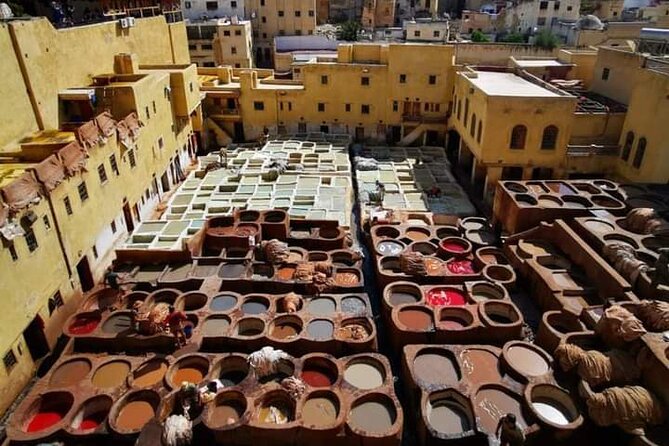
I like the fact that the medina route includes both major anchors and the details that give you context. You get stops tied to the Royal Palace gate, the Jewish headquarters, the first Mellah built in Morocco (from the 16th century), and historic sites around Al Karaouine University, the Tanneries, and Attarine Museum. You also visit Mulay Idriss mausoleum. That mix matters. It prevents Fez from becoming only a picture hunt, and it gives you a clear sense of how Fez’s communities and institutions developed.
The tour also adds a more practical style of sightseeing: you visit a tiles cooperative and then get a panoramic view over the medina. That view can be a reset for your brain. It helps you understand the geography of the city after a day of alley turning.
A note on costs and entries: the medina itself has no fee, but historic sites require entrance fees. Because the tour includes entrance fees to historic sites and museums in the overall package, you will often find that many of these admissions are handled as part of the plan. Still, the day notes indicate that historic site fees may be paid. My advice: carry some cash or be ready to pay onsite for anything not explicitly folded into your included items when you meet your guide.
High Atlas to Merzouga: the drive that turns into the main event
Day 4 is your transition day from cities into desert country. You start by traveling through the Middle Atlas with a focus on cedar forests and Berber villages. The route passes Ifrane, a ski resort town, and Azrou, known for cedar woodwork. You get time for refreshment and photography stops, which is key on mountain drives. The scenery helps, but the breaks are what keep the day comfortable.
Then you stop in Midelt for lunch. Midelt sits between the Middle and High Atlas ranges, and it is a good place to shift gears from forest views to the longer arc of the desert approach. After lunch, you continue toward Erfoud via the Ziz Valley, one of Africa’s large oasis zones. Along the way, the itinerary includes a stop related to fossils, which is a fun, hands-on style of learning during a drive day. It is not a big museum moment, but it adds variety.
The driving approach sets up the desert highlight without making the day feel like one long bus ride. You reach Erg Chebbi dunes via Merzouga and then step into the signature moment: the camel trek.
Camel trek and luggage handling
The camel trek into Erg Chebbi is about an hour, and your luggage is transferred to Moonlight Desert Camp by 4×4. That detail matters. It means you do not have to carry bags on the camels, and it keeps the trek focused on the dunes and the feeling of arrival. The tour also makes clear that the camel ride is not recommended for pregnant travelers, so plan accordingly if that applies to you.
Set these Casablanca options side by side
- From Marrakech: Casablanca Tour with Hassan II Mosque Visit
★ 4.7 · 4,756 reviews - Casablanca: Hassan II Mosque Premium Tour with Entry Ticket
★ 4.5 · 2,971 reviews - Casablanca City Tour with Hassan II mosque ticket
★ 5.0 · 2,480 reviews - Casablanca: City Tour with Hassan II Mosque Entry Ticket
★ 4.6 · 1,137 reviews
Moonlight Desert Camp: night under stars and a real cultural rhythm
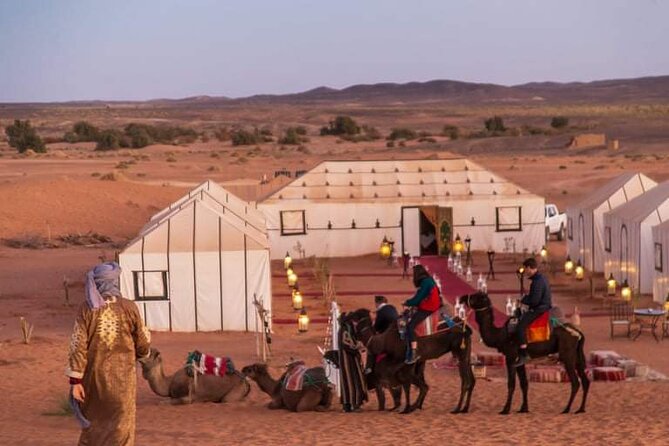
Day 4 ends at Moonlight Desert Camp, and the camp experience is built around your evening routine. After you settle in, you get dinner in a Berber style. Then the itinerary describes drum playing and songs depending on weather, plus options like sand boarding. It is the kind of evening where you can either join in or keep it quiet. Either way, you still get the emotional peak: the stars.
The most practical advantage of camping here, at least compared to doing a desert day trip, is that you have time. You are not rushing back to a hotel that night. You are living the night sky and the slower desert pace. Even if you are not a “camp person,” you still get value from the way this structure changes the rhythm of your trip.
Sunrise dunes and a market stop before the canyon days
The next morning is a classic desert payoff. You go out for sunrise pictures as the sun rises over the dunes. This is one of the moments that makes desert travel feel worth the effort. After that, your camels take you back to Merzouga, and your luggage is handled again by 4×4.
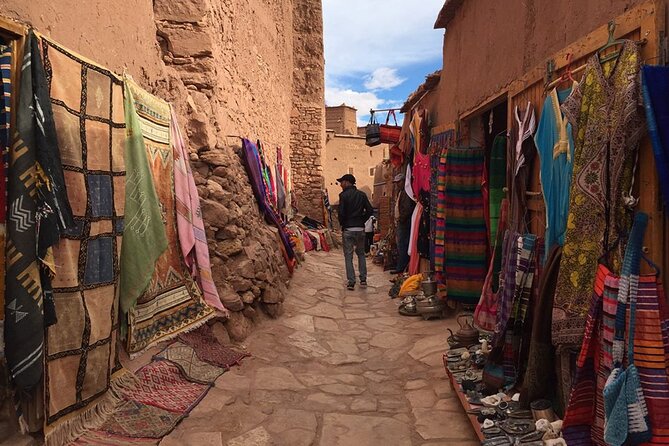
Once you leave the dunes, day 5 is about switching from desert quiet to Atlas drama. You stop at Rissani Market, described as a Berber trading market that can get busy on certain days. Even if it is not at full swing, you get browsing time for spices, vegetables, fabric, and handcrafted items. It is also a good place to pick up small gifts without committing to a big shopping stop.
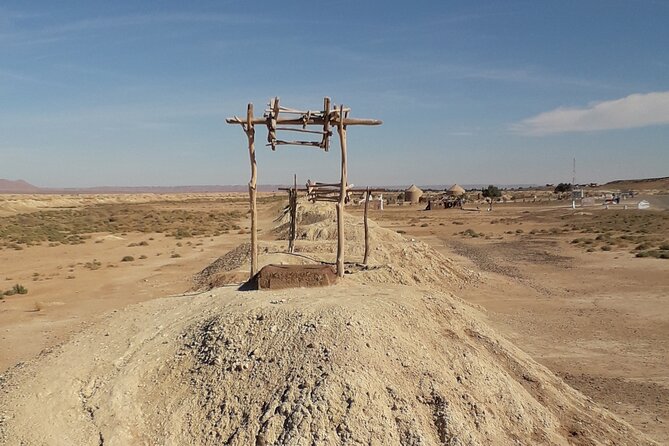
Then you head to Dades Valley and visit Kheterra, an ancient underground irrigation system. The water is dried up now, but you can still visit the tunnel systems. That kind of stop is valuable because it connects “scenery” to “how people actually lived.” It turns landscape into something human.
From there, lunch is at a restaurant in a Berber town along the route, and then you reach Todra Gorge. Todra is all about scale: tall canyon walls and a walk on the canyon floor with cliffs on both sides. If you like walking, go early or wear shoes with good grip. The canyon is dramatic, but you also want to feel steady on your feet.
This day ends back on a hotel in the direction of Marrakech, using the route that includes Ait Ben Haddou kasbah later in the longer arc. The itinerary description implies it is a drive day with a blend of valley scenery and historic sight stops, so expect a fairly full day.
Ait Benhaddou and Tichka Pass: the High Atlas middle stage
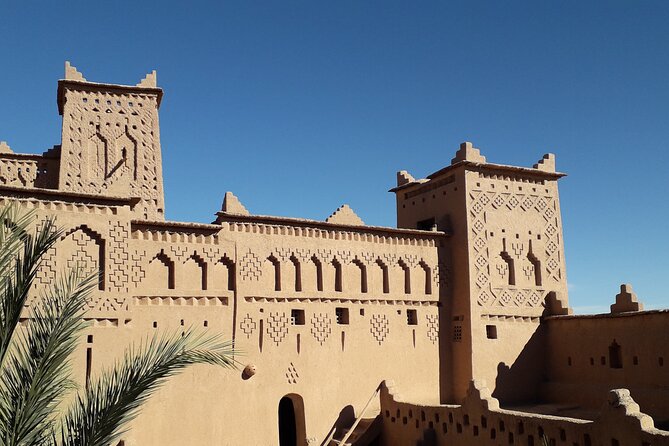
Day 6 focuses on the drive through the rose and kasbah corridor. You leave Dades Valley for the Valley of the Roses, then follow the Road of a Thousand Kasbahs through Skoura oasis country.
You stop in Ouarzazate, often called the Hollywood of Morocco. The tour notes the option to visit a film studio. Even if you skip inside, it still helps to break up the day with a town stop that does not feel like another checkpoint.
The big historic stop is Ait Ben Haddou Kasbah, a UNESCO World Heritage site and a filming location for major productions. You can climb through the village to reach the top for views. That climb is part of the value. It is not just looking at a kasbah from a distance; you get a sense of its layout and why it worked as a settlement. Lunch is eaten in this ancient desert village, which adds a grounded feel. This is one of those places where you can slow down, look back over what you walked, and understand the setting.
After Ait Ben Haddou, you drive via Tichka Pass to explore the High Atlas Mountains. The pass is described as the highest passing point through the mountains, and you pass Berber villages along the route. Even if you cannot name every village, you will see how life is distributed across the slopes.
Marrakech: Jardin Majorelle, Medina landmarks, and free time that matters
Marrakech is where the tour gives you two modes: guided highlights and your own wandering time.
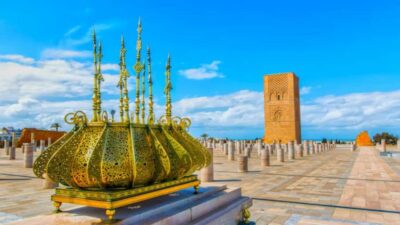
Day 7 starts with Jardin Majorelle and the Yves Saint Laurent mansion. The garden is described as two and a half acres and a peaceful escape from city noise. I like this as a first stop because it breaks the day into something calmer before the medina takes over.
Then you shift into the Medina of Marrakech on foot for your guided portion. You focus on major landmarks like Koutoubia Tower, the Saadian tombs, and Bahia Palace. You also go through the souks after lunch, with the rest of the afternoon as free time. This structure works because the guided sights give you orientation, and then your unstructured time becomes more useful. Instead of aimless wandering, you can chase the streets you personally liked.
Cost note again: the medina itself has no fee, but historic sites require entrance fees. The tour includes entrance fees to historic sites and museums in the package list, but the day notes also say historic-site admissions may be paid. Ask your guide for clarity once you are there, and plan to pay anything your ticket bundle does not cover.
Day 8 ends with an airport transfer depending on flight times. If you fly out of an alternative airport, the tour order can be adjusted to fit your timing and travel needs.
Price and logistics: what $1,546.98 buys you, and what to budget
At $1,546.98 per person for an 8-day private tour, the value depends on what you want to avoid. If you hate planning, hate transfers, and want a driver and guide handling the messy parts, this price can feel reasonable. You are paying for private transportation in an air-conditioned vehicle, English-speaking driver/guide service, a desert night, and guided city time in Fes and Marrakech, plus entrance fees to historic sites and museums and breakfasts and dinners that are listed as included.
Here is what you should budget for, based on the provided inclusions and exclusions:
- Lunches and drinks throughout the tour are not included.
- Dinners in Casablanca, Marrakech, and Fez are not included.
- Optional extras like cookery classes, ATVs, Hammam and spa, and hot air balloon rides are not included.
In other words, you can expect some meals to be on you, but the biggest fixed costs are handled. That is often the best kind of compromise: you get solid planning for major sights and transport, while keeping flexibility for lunch choices.
The other logistics piece that matters is accommodation. The tour emphasizes private rooms at each hotel and at the camp. That is a big deal for comfort on long drive days. Also, your group size is flexible because it is private. For families or small groups, this can be especially cost-effective compared with buying multiple separate tours.
Should you book this Imperial Cities and Desert private tour?
Book it if you want the core Morocco highlights without doing the coordinating work. You will likely be happiest if you like variety: mosques and Roman ruins early on, a structured walk in Fez, then mountains and desert, then kasbahs and Marrakech.
I would also recommend it if you value that “you can stop when you want” flexibility. Long days can be manageable when you are not fighting a rigid timetable.
Skip it, or at least ask more questions before committing, if you want every meal included or if you are trying to avoid any onsite admissions. The day notes and inclusion list suggest that not all specific admissions are handled the same way, and lunches are clearly not included.
One final tip: pack comfortable walking shoes for medinas and canyon days. This trip is comfortable overall, but it still rewards good footwear, especially in Fez and around Todra. If you do that, you will get a Morocco that feels organized, personal, and memorable.
Just reviewed around Casablanca
- Private Rabat Guided Day Excursion from Casablanca★ 5.0 · 73 reviews
- Chefchaouen the Blue City Full-Day Trip from Casablanca★ 4.5 · 79 reviews
- Private airport transfer to Casablanca.★ 5.0 · 84 reviews
- Casablanca Airport Layover Tour with Return to Airport or Hotel Dropoff★ 4.5 · 84 reviews
- Old local Market visit+Moroccan cooking class with a local family★ 5.0 · 84 reviews
- Casablanca Food Tour – Moroccan Street Food Tour★ 5.0 · 86 reviews
- From rick’s coffee to local markets authentic casablanca★ 5.0 · 90 reviews
- Discovering Life & Walk Inside Old Medina /With Taxi Back Hotel★ 4.5 · 97 reviews
Imperial Cities Tours, compared.
3-Days Trip from Marrakech to Chefchaouen via Imperial Cities
Read our review →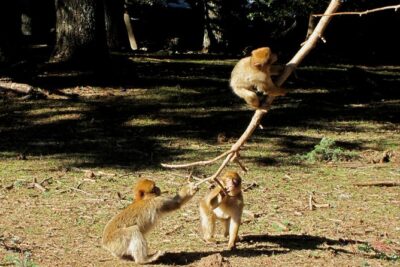
10-days Private tour in Morocco: Sahara Desert + Imperial Cities
Read our review →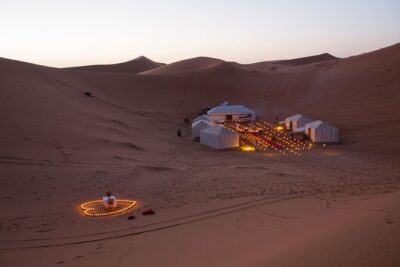
10 Day Desert Tour From Casablanca via the Imperial Cities
Read our review →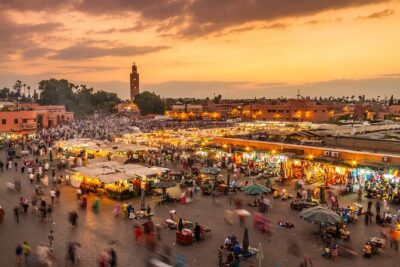
10D 9N Private Morocco Tour From Casablanca By Imperial Cities And South Desert
Read our review →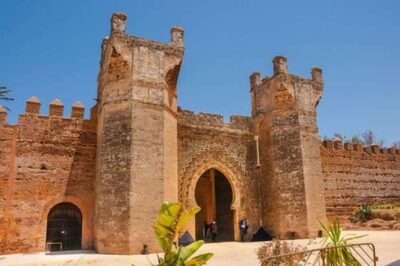
Browse the lists this tour appears in