
Reviewed · BERBER VILLAGE TOURS
Traditional Moroccan and Berber cooking classes
If you want a Moroccan cooking class that feels like a real visit to an Essaouira home, this one is interesting from the first minute. I like the mint tea and Moroccan cake welcome, and I love how Khadija turns recipes into clear, doable steps. The only real drawback is the pacing, it is a packed 3-hour session, so come ready to cook and taste without rushing.
You get a hands-on experience, not a sit-and-watch show. And you do leave with recipe cards plus a better sense of how Moroccan flavors work, from ras el hanout to preserved lemon.
Key Highlights Worth Booking For
- Mint tea and cake orientation before you touch any ingredients
- Spice coaching that explains what condiments do, not just how to sprinkle
- One main dish you actively make such as tagine, couscous, or pastilla
- Moroccan salad skills like carrot salad with chermoula, zaalouk, and taktouka
- Clean, careful cooking setup with hygiene treated as part of the experience
- Eat together, then take it home with recipe cards and a final chat
Essaouira Home Cooking, Led by Khadija
In Essaouira, this class is set up like a proper Moroccan day at the table, not a factory tour of ingredients. You meet at 21 Av. Princesse Lalla Amina and you end right back where you started, so you are not juggling directions on the way out.
What makes it work is the focus on sharing and respect. The host is comfortable switching languages too, with French, English, Arabic, and Berber in the mix. That matters because you will actually understand why you are doing each step, not just memorize a process.
It is also private, meaning it is only your group. If you like asking questions, or you prefer a quieter setting than a big group class, this setup usually feels more natural.
One more detail I really appreciate: the cooking is done with an emphasis on cleanliness and hygiene. That sounds basic, but in a hands-on meal class it becomes a big part of your comfort.
More Berber Village Tours in Essaouira:
- Essaouira Sandboarding & Sunset Picnic in a Berber tent
★ 4.7 · 20 reviews - Berber villages : Atlas Mountains Day Hike from Marrakech
★ 5.0 · 14,007 reviews - Marrakech: Balloon Flight, Berber Breakfast & Certificate
★ 4.8 · 8,164 reviews
The Mint Tea and Moroccan Cakes Start, Then You Learn the Flavor Map
Before you cook, you get welcomed with a Moroccan setting and a proper ritual. The day begins with Moroccan cakes and mint tea, and you learn the secrets behind that first cup, including how the tea experience fits into Moroccan hospitality.
Then you get a roadmap of what you will cook. Expect a mix of starters, a main dish, salads, and homemade desserts. That matters because Moroccan menus feel connected, not like random recipes thrown together.
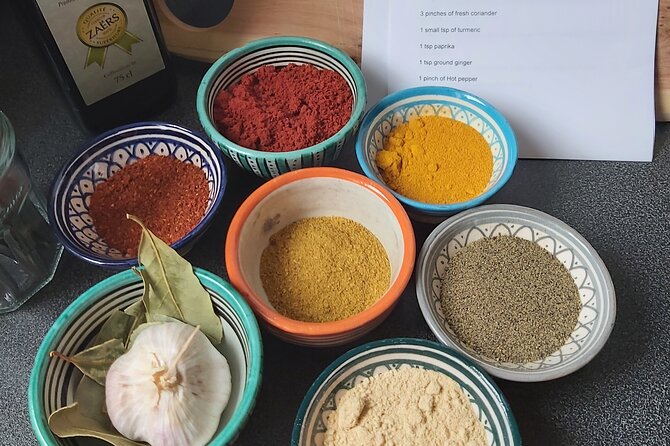
Next comes the part that turns cooking from guesswork into confidence: spices and condiments. You will get introduced to traditional staples and how they are used in Moroccan cooking, including ras el hanout, cumin, saffron, cinnamon, preserved lemon, and olives. The value here is simple. Once you understand what these ingredients contribute, you can build flavors later at home, not just repeat what you were taught.
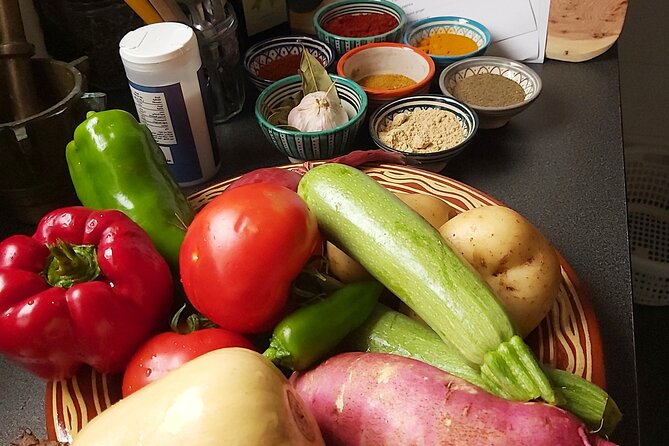
There is also an emphasis on fresh, quality produce, mainly local. The class even frames this as a way to reduce your carbon footprint. You do not have to love the sustainability angle for it to be useful, but it often leads to better-tasting ingredients.
Tagine, Couscous, or Pastilla, Plus the Technique That Makes It Moroccan
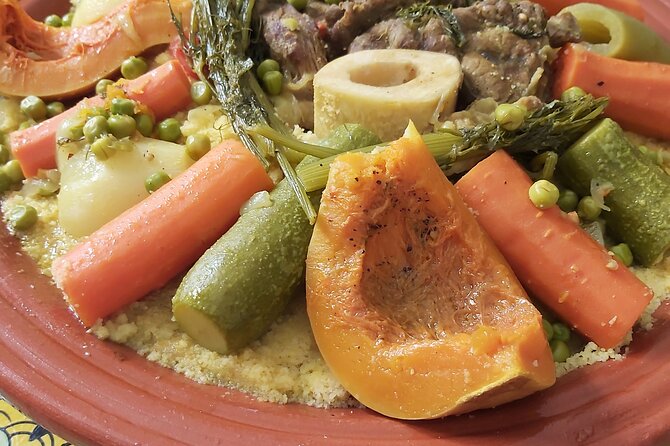
The menu varies based on what you choose or what is planned, but you can expect one main course from the classic Moroccan lineup. You might work on tagine, couscous, or pastilla. The idea is not just to cook the dish, it is to learn the technique that makes each one Moroccan.
Here is how the teaching typically breaks down:
- For tagine, you focus on the simmering method and seasoning rhythm. Tagine is about patient heat and layered flavor, so you learn what to watch for as it cooks.
- For couscous, you follow the steps behind steaming. The technique matters because couscous can go from fluffy to heavy if the method is rushed.
- For pastilla, you handle the crispy element. That usually means paying attention to structure and timing, so the finished dish has that signature contrast.
And you will not be stuck at the sidelines. Participants take part in cutting ingredients, prepping, seasoning, and assembling. That is where you get the real payoff, because you learn what it looks like when it is ready, not just what the final dish is called.
You also learn the role of specific condiments as you cook, including how preserved lemon and olives show up in flavor profiles. If you have ever had Moroccan food and wondered why it tastes balanced, this part helps you answer that question.
Moroccan Salads You Actually Know How to Make
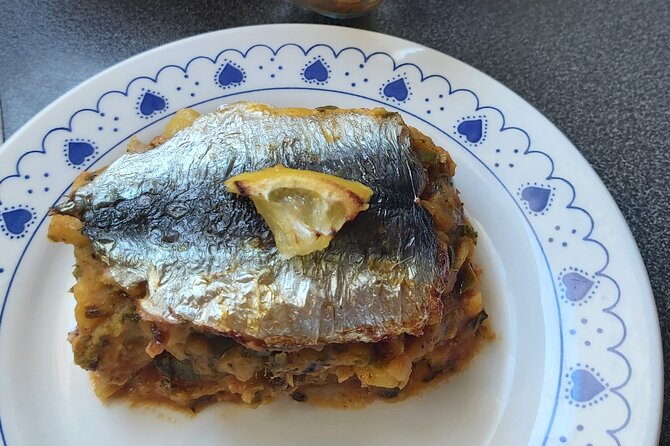
Moroccan meals are not only about the main dish. You will also prepare salads that show off everyday flavors.
Depending on the session plan, you might make classics like:
- Carrot salad with chermoula
- Aubergine zaalouk
- Taktouka
What I like about this portion is that salads often teach you “small moves” that make a big difference. You learn how herbs, acids, and spices play together, and you understand that Moroccan cooking can be bright and fresh even when the main dish is slow-cooked.
It also helps you build a more complete memory of the meal. If all you do is learn one technique, it can be harder to recreate the overall experience later. Here, you walk away with multiple flavor tools.
More Cooking Classes in Essaouira:
- l’Atelier – Moroccan Cooking Workshop in Essaouira
★ 5.0 · 110 reviews - Traditional Moroccan Cooking Class
★ 5.0 · 81 reviews - Essaouira: Traditional Family Style Moroccan Cooking Class
★ 5.0 · 58 reviews - Marrakech: Moroccan Cooking Class with Pickup
★ 4.6 · 1,862 reviews
From Cutting to Cooking, With Clean Steps and Real Participation
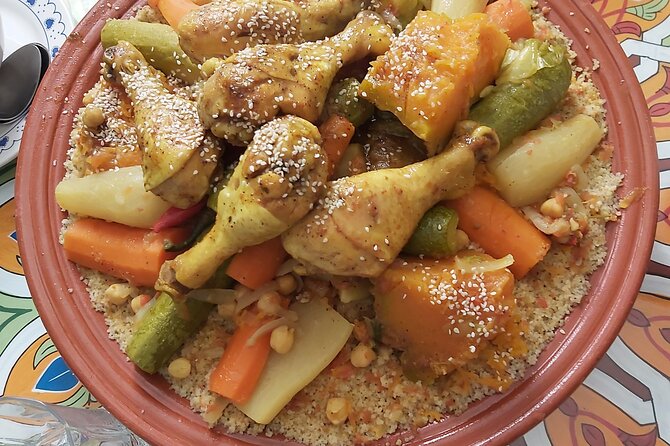
A cooking class is only as good as the process. Here, you are guided through each stage, from ingredient prep to seasoning and cooking techniques.
One thing that comes through clearly is the emphasis on cleanliness and hygiene. In a private home setting, that is not guaranteed unless someone cares about it, and this host clearly does. You should feel comfortable that the space is being treated seriously, especially since you are touching food and working close to other tools.
You will also notice the structure is meant to keep you involved. Even if your comfort level with chopping or spice handling is mixed, the steps are designed so you can participate in meaningful ways. That is a big part of why the class gets such strong satisfaction ratings.
There is no point pretending this is silent, delicate work. It is active. If you do not enjoy being hands-on, you might want to choose a different style of activity. But if you like learning by doing, this is a good fit.
The Shared Meal, Homemade Desserts, and Recipe Cards to Take Home
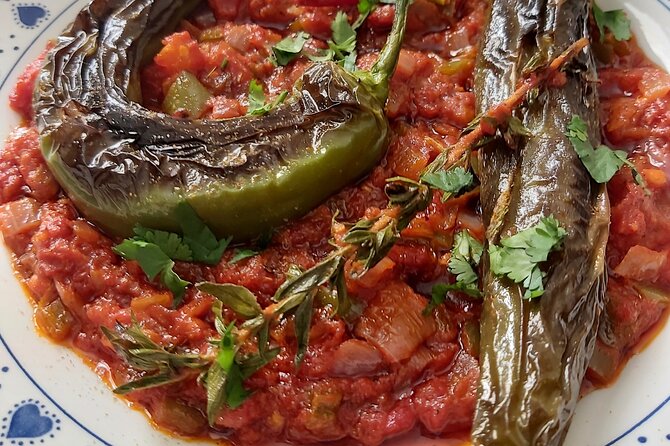
Once everything is cooked, you sit down and enjoy the dishes you made together. That shared table moment is one of the best parts of Moroccan home cooking, because you stop thinking in steps and start tasting in full flavor.
The class includes tasting elements like mint tea or spiced coffee, plus snacks and small Moroccan cakes. You also get bottled water. These may look like small add-ons, but in practice they keep the energy steady during the cooking work.
Dessert is homemade, which is exactly what you want after a meal that involves multiple spice layers and cooked dishes. Even if you are not the type who goes wild for sweets, Moroccan desserts are often less about frosting and more about texture, fragrance, and the finish of spices.
Before you leave, you receive recipe cards and a final discussion. This is the part that makes the class practical for real life. When you have written steps in your hands, you are far more likely to cook again rather than just remember that you had a great time.
Price and Value in Essaouira, Plus What Is Not Included
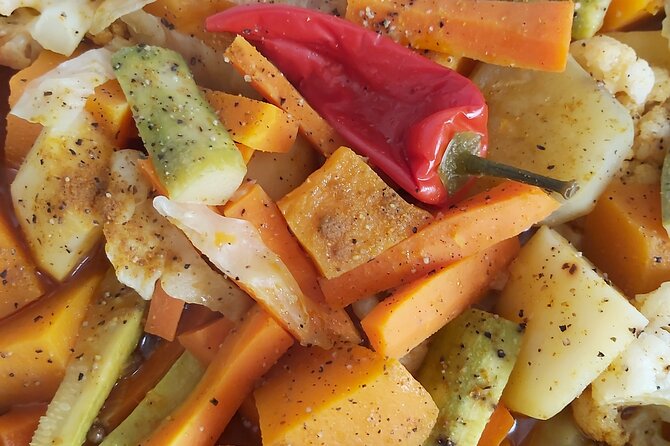
At $58.31 per person for about 3 hours, this class sits in the “worth it” range for a hands-on cultural meal. The price makes more sense when you look at what is included: mint tea or spiced coffee, bottled water, snacks and small Moroccan cakes, tasting, and recipe cards.
You also get real participation and instruction, not just consumption. That is where classes either justify the cost or fail to. Here, you are involved in cutting, seasoning, and cooking, and you learn spices and technique along the way.
One practical note: private transportation is not included. Since the meeting point is on Av. Princesse Lalla Amina and the activity is near public transportation, it is usually straightforward to reach, but plan your own way there. If you are staying out of easy walking range, check your local transit options ahead of time.
Another value point: the class uses fresh, quality produce mainly local to reduce its carbon footprint. You may not measure that yourself, but it often aligns with better ingredient choices.
Who This Cooking Class Suits Best (And Who Might Want Something Else)
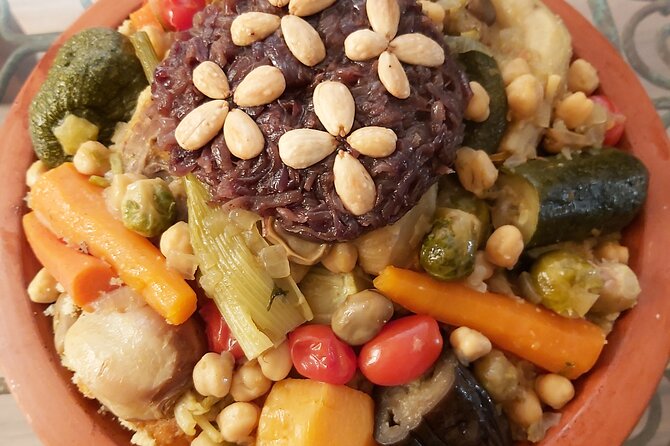
This fits best if you want more than a food tasting. You should book if you like learning technique and you want to take home recipes you can actually follow.
It is also a strong match for people who enjoy conversation. The host’s multilingual approach, plus the warm home setting described by prior participants, makes it easy to ask questions and connect beyond the stovetop.
You might hesitate if you hate getting hands-on or you are short on time. It is 3 hours and it moves. Also, good weather is required, so if Essaouira is having a rare rough day, plans may shift.
If you have food preferences, share them when booking. One past experience explicitly noted that food wishes were taken into account in the meal planning. That is a good sign that the host pays attention to what you like.
Quick Tips Before You Go
Here are a few practical steps to get the most out of it:
- Bring a bit of flexibility. This is hands-on cooking, so expect some active prep and tasting.
- Wear something comfortable for food work. You will be standing and moving around during cooking.
- If you have food preferences, communicate them ahead of time. The class has a track record of considering what people want to eat.
- Plan your arrival to the meeting point at 21 Av. Princesse Lalla Amina. The experience starts there and ends back there.
- If you are booking around peak periods, note that the typical booking window is about 13 days in advance. Early booking helps you lock in a slot.
Also, bring your mobile ticket. It is listed as a mobile ticket experience, so have it accessible on your phone.
Should You Book This Essaouira Moroccan and Berber Cooking Class?
I think you should book if you want a true home-cooking feel in Essaouira, with spice knowledge, technique, and a shared meal you personally help create. The repeated five-star highlights make sense: the welcome is warm, the instruction is strong, and the tasting is a real finish, not a quick bite and goodbye.
Skip it if you want something more passive or if you are trying to pack this class into an overly rushed day. Since it is about 3 hours of active cooking, treat it like a focused experience.
If the main dish options include the kind of comfort food you love at home, like tagine, couscous, or pastilla, you will likely leave with skills you can use again.
FAQ
Where is the class meeting point in Essaouira?
The experience starts at 21 Av. Princesse Lalla Amina, Essaouira 44000, Morocco, and it ends back at the same meeting point.
How long does the Moroccan and Berber cooking class last?
It lasts about 3 hours.
What is included in the price?
Coffee and/or tea, mint tea or spiced coffee tasting, bottled water, and snacks such as small Moroccan cakes are included.
Do I get to take home recipes?
Yes. You receive recipe cards at the end of the course.
What dishes might I cook during the class?
You may prepare a main dish such as tagine, couscous, or pastilla, plus Moroccan salads like carrot salad with chermoula, aubergine zaalouk, or taktouka. Desserts are also homemade.
Is this experience private for my group?
Yes. It is private, and only your group participates.
Is transportation included?
No. Private transportation is not included.
What languages does the host speak?
The host is fluent in French, English, Arabic, and Berber.
What happens if the weather is poor or I cancel?
The experience requires good weather. If canceled due to poor weather, you will be offered a different date or a full refund. You can cancel for a full refund up to 24 hours before the experience’s start time.
Just reviewed around Essaouira
- Essaouira Day Trip from Marrakech★ 5.0 · 28 reviews
- Private Surf Lessons★ 5.0 · 28 reviews
- 2 hours Essaouira Surfing Lesson★ 5.0 · 28 reviews
- Private Day Trip From Marrakech To Essaouira★ 5.0 · 29 reviews
- EN PETIT GROUPE vers ESSAOUIRA depuis MARRAKECH★ 5.0 · 29 reviews
- Essaouira Tour from Marrakech shared small-group★ 4.0 · 29 reviews
- Camel Ride on the Beach of Essaouria★ 4.5 · 29 reviews
- Marrakech to Essaouira Day Trip with Coastal Views★ 5.0 · 29 reviews
Berber Village Tours, compared.

Berber villages : Atlas Mountains Day Hike from Marrakech
Read our review →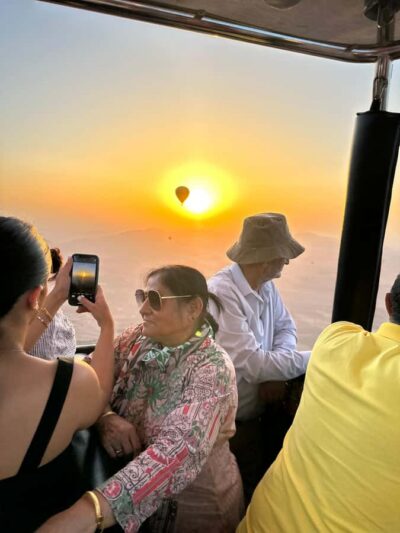
Balloon Flight, Berber Breakfast & Certificate
Read our review →
Majorelle Garden, YSL, and Berber Museum Entry
Read our review →
Hot Air Balloon Flight with Berber Breakfast
Read our review →
Atlas Mountains, Berber Villages and Three Valleys all inclusive
Read our review →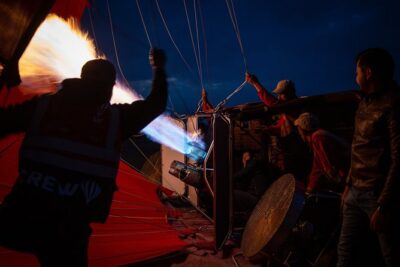
Atlas Mountains Hot Air Balloon Ride from Marrakech with Berber Breakfast and Desert Camel Experience
Read our review →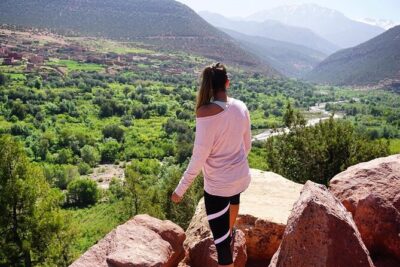
Atlas Mountains, Berber Villages, Agafay & Camel Ride
Read our review →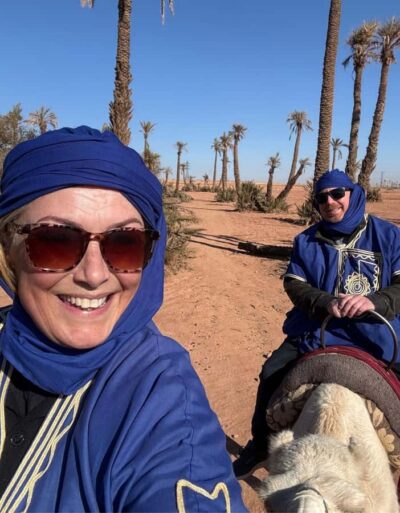
Balloon Flight, Berber Breakfast, and Camel Ride
Read our review →Browse the lists this tour appears in