
Reviewed · COOKING CLASSES
Casablanca : Traditional Moroccan Cooking Class with Locals
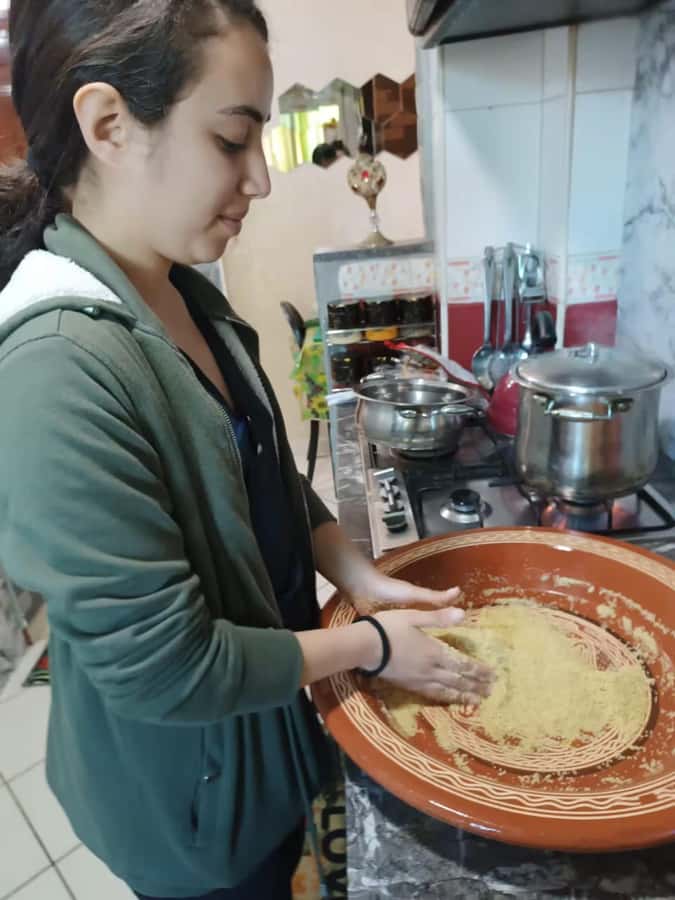
This Casablanca cooking class feels interesting because you do it in a local family home, not a rented kitchen. You learn how classic dishes actually get made, tagine style, couscous style, and the finishing touches that keep flavors balanced.
Two things I really like about this experience are the hands-on teaching from Inas and the generous family meal at the end, where you hear stories and everyday customs alongside the food. One consideration: you are responsible for getting yourself to the meeting point in a residential area, so factor in extra time for local driving and parking.
Key things that make this class worth your time
- Home-kitchen teaching with a host who learned from her grandmother and mother
- Classic dishes on the menu, including tagine, couscous, pastilla, and Moroccan salads
- Small group size (up to 10), which helps with patient, step-by-step guidance
- Secret techniques and rituals passed down through generations, not just cookbook instructions
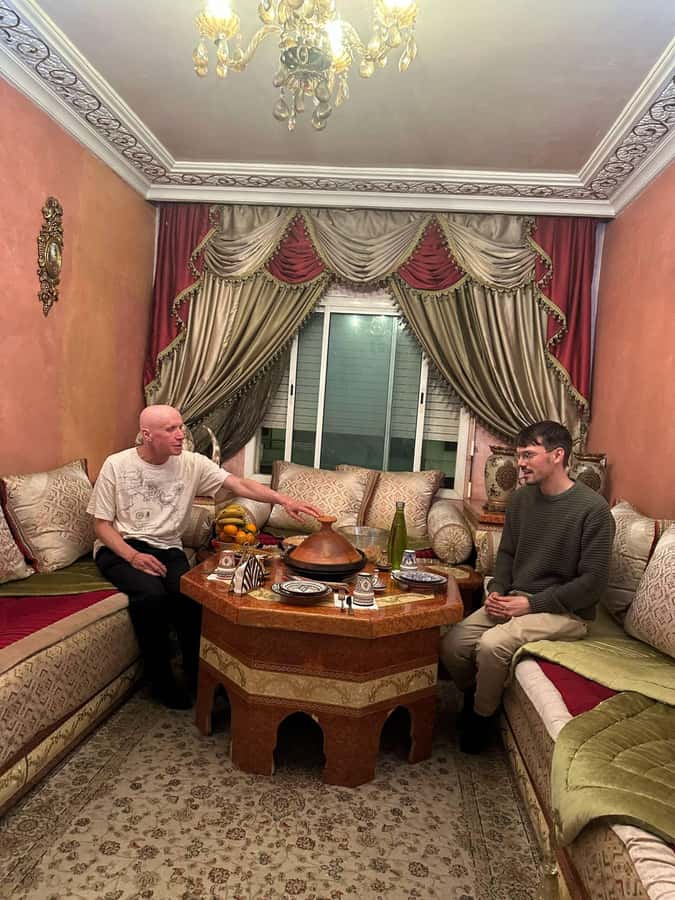
- A shared family meal after cooking, plus friendly conversation and Moroccan customs
A real Casablanca home cooking class with Inas
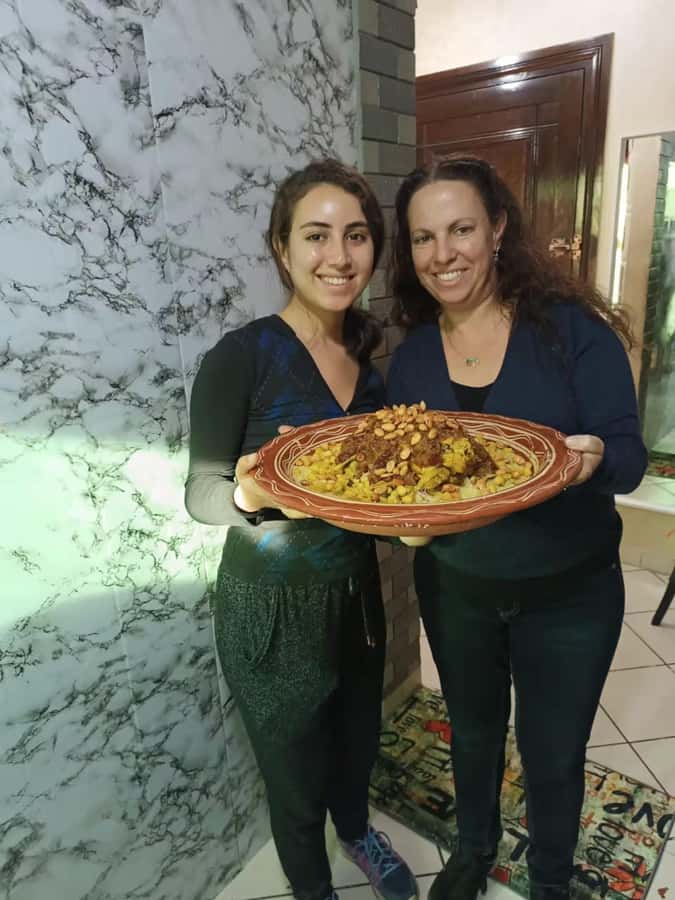
If Casablanca is on your list, you probably expect markets, mosques, and coastal views. This adds something different: you see Moroccan cooking as part of daily life, with the warmth of people who cook because family matters, not because it is a performance.
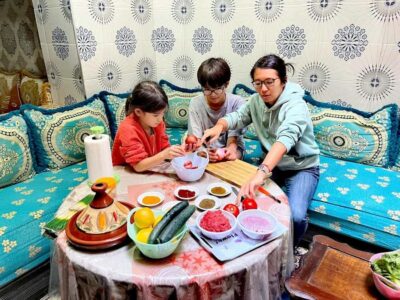
The class is hosted inside a local family home. That means the pace is human. You are not rushed through a menu to hit a schedule. Instead, you get time for questions and for practicing the steps that make Moroccan food taste like Moroccan food.
Inas is the main teacher, and the standout theme in the experience is her patience. Multiple participants describe her as calm, clear, and encouraging, walking people through each stage so you do not just copy steps, you understand what you are doing.
Language is also a practical plus. The class is taught in Arabic, French, and English, so you should be able to follow along without guessing. In a cooking class, that matters, because small technique cues change everything.
More Cooking Classes in Casablanca:
- Old local Market visit+Moroccan cooking class with a local family
★ 5.0 · 84 reviews - Marrakech: Moroccan Cooking Class with Pickup
★ 4.6 · 1,862 reviews - Marrakech: Traditional Moroccan Cooking Class & Market Visit
★ 4.8 · 1,861 reviews
What you actually cook in 4 hours: tagine, couscous, pastilla
This is not a “watch and snack” setup. You are hands-on, working with fresh ingredients and traditional methods. The exact menu can vary, but you can plan around a core set of Moroccan staples.
Here is what you should expect to cook:
- Tagine (including examples like preserved lemon tagine)
- Couscous with vegetables
- Pastilla
- Moroccan salads
In practical terms, you will learn how these dishes differ. Tagine is about building flavor and heat control, couscous is about texture and seasoning, and pastilla is more layered and method-driven. If you love food, this is the fastest way to understand the logic of Moroccan cooking instead of relying on one recipe at a time.
One of the best signs for me is that the class includes both cooking and eating the results together. You do not just make the food and leave. You sit down afterward, so you can connect what you made with what it should taste like, and what the family considers correct.
If you have dietary needs, you might find the host is willing to work with you. One participant specifically mentioned that dietary requests were accommodated. Still, since the menu details are not guaranteed, I recommend you message ahead with specifics so you do not arrive with surprises.
How the teaching works, from first steps to secret techniques
A good cooking class tells you what to do, but the best ones explain why. This one focuses on technique. You are using traditional methods, and you get secret tips that do not usually appear in cookbooks.
From the way people describe the instruction, Inas keeps the steps clear and breaks tasks down so beginners can keep up. That matters in Morocco, because Moroccan cooking uses its own rhythm. Even if you have cooked at home, the way spice blends, steam, and layering are handled can be new.
You also get guidance on the practical details that affect flavor:
- When and how ingredients are added
- How to get the right texture in couscous
- How tagine develops its taste through slow, controlled cooking
- How pastilla is assembled in a way that holds up when served
You will likely leave with more than recipes. You should walk away with a sense of process. That is the difference between cooking dinner once and cooking Moroccan food again without stress.
Also, the small group size helps. With a limit of 10 participants, you are not fighting for attention. You can ask questions and get real corrections, which improves your results and your confidence.
The family meal is the cultural part, not just the reward
Many cooking classes end with a plate and a quick goodbye. This one stays social. After cooking, you eat with the family, in the same spirit as a Moroccan home meal.
That shared table is where you learn most about everyday culture: how people talk, what they celebrate, what they consider important. Participants describe the experience as friendly and personal, with conversations that go beyond food.
This is also the moment when you can taste your own work at full context. You learn how the food should work together, not just how each dish stands alone. Tagine, couscous, pastilla, and salads can feel like separate recipes until you see how a family serves them as a single meal.
If you enjoy meeting people, there is another bonus. One review mentioned making friends with other participants, including meeting someone from Australia. In a small group, that kind of connection feels more natural than in big tours.
Set these Casablanca options side by side
- Marrakesh: Moroccan Dishes Cooking Class with a Local Chef
★ 5.0 · 1,615 reviews - Moroccan Cooking Class & Marrakech Market Visit with Chef Khmisa
★ 5.0 · 1,504 reviews - Half-Day Cooking Class with Local Chef Laila in Marrakech
★ 5.0 · 952 reviews - Marrakech: Pottery Workshop with Moroccan Tea
★ 4.8 · 756 reviews
Price and value: is $60 fair for 4 hours in a home kitchen?
At $60 per person for 4 hours, this is not the cheapest activity in Casablanca. But it also is not paying for a generic experience with a standard tasting menu.
You are paying for:
- A hands-on cooking class with a local family host
- Use of fresh local ingredients
- Cooking multiple iconic Moroccan dishes
- The shared meal with the family
- Cultural sharing alongside the food
The value is strongest if you actually want to cook, not just eat. If you are the type who likes stepping into how locals do things, this is a good use of a half day. If you only want a quick bite or you dislike hands-on cooking, you might feel $60 is too high for the time.
One more value point: a few reviews mention added comfort, like indoor protected parking for a car. That does not change the cooking itself, but it can reduce hassle in a city where finding parking can be annoying.
Meeting point in Casablanca: Résidence El fath near BIM Attacharok
The meeting point is Résidence El fath on street Abdellah Ibrahim at BIM Attacharok. Because the activity takes place in a local neighborhood home, you should treat directions as part of the experience.
This is what to plan for:
- You need your own transportation to arrive
- Wear shoes you can walk in, since you may deal with uneven sidewalks or short walk segments
- Build in buffer time for locating the exact address and entry point
If you are driving, at least one participant said there was an indoor protected parking space provided. That is not something to assume for every visit, but it is a helpful clue that the host thinks about practical needs.
If you are using a taxi or rideshare, I suggest saving the meeting address exactly as written and double-checking your navigation app the day of.
What to bring and how to get the most out of the class
You do not need fancy gear, but a little prep helps. You are cooking in a home environment, so keep things simple.
I recommend:
- Bring a water bottle if you like to sip during breaks
- Wear comfortable clothes that can handle kitchen mess
- Tie back long hair
- Come with curiosity, not a strict checklist
Also, think about questions ahead of time. If you are serious about recreating Moroccan dishes later, ask about spice balance, texture targets, and timing. This class is teaching you methods, so it helps to know what you want to reproduce at home.
Finally, go in with patience. Good Moroccan cooking takes a calm pace. If you rush every step, you will miss the technique cues that make your dish better.
Who should book this cooking class in Casablanca
This fits best if you want:
- A small-group experience (up to 10 people)
- A class that is truly hands-on
- Moroccan staples like tagine, couscous, pastilla, and salads
- A chance to talk with a real family and learn customs alongside food
It is also a great pick for food lovers who want something more personal than a standard restaurant meal. The home setting changes the tone. Even the way people describe the welcome sounds like genuine hospitality, not a scripted tour.
If you are traveling with another person, the group setup can also help you connect. One review described meeting new friends, which is a nice bonus in a city where solo plans can feel disconnected.
If you dislike cooking tasks or only want sightseeing, you might prefer a market tour or a guided neighborhood walk. But if you enjoy getting your hands dirty, this is the kind of experience that sticks.
Should you book this Casablanca cooking class?
Book it if you want a half day that blends real technique with a family meal, and you like the idea of learning Moroccan cooking in a home setting. The strongest reasons to choose it are the patient teaching from Inas, the small group format, and the warmth described again and again in how people are welcomed and guided.
Skip or reconsider if you hate hands-on cooking, or if you already have a detailed plan that relies on a tight schedule and you cannot handle the logistics of arriving at a residential meeting point.
If you want one clear rule for your decision: if Moroccan cuisine is a priority for your trip, this is a practical way to turn curiosity into skills you can actually use later.
FAQ
How long is the cooking class?
The class lasts 4 hours, with available start times shown when you check availability.
What dishes will I cook?
You will prepare iconic Moroccan dishes such as tagine, couscous, pastilla, and Moroccan salads.
Is it a small group?
Yes. The group is limited to 10 participants.
Where do I meet the host?
You meet at Résidence El fath, street Abdellah Ibrahim, at BIM Attacharok.
What languages are used during the class?
The instructor teaches in Arabic, French, and English.
Is transportation included?
No. Transportation to and from the location is not included.
Can the host handle dietary requests?
One participant reported that dietary requests were accommodated. If you have specific needs, it is smart to ask ahead before you book.
Just reviewed around Casablanca
- Private Rabat Guided Day Excursion from Casablanca★ 5.0 · 73 reviews
- Chefchaouen the Blue City Full-Day Trip from Casablanca★ 4.5 · 79 reviews
- Private airport transfer to Casablanca.★ 5.0 · 84 reviews
- Casablanca Airport Layover Tour with Return to Airport or Hotel Dropoff★ 4.5 · 84 reviews
- Old local Market visit+Moroccan cooking class with a local family★ 5.0 · 84 reviews
- Casablanca Food Tour – Moroccan Street Food Tour★ 5.0 · 86 reviews
- 8 Days Morocco Private Tour; Imperial Cities and the Desert★ 5.0 · 87 reviews
- From rick’s coffee to local markets authentic casablanca★ 5.0 · 90 reviews
Cooking Classes, compared.
Traditional Moroccan Cooking Class & Market Visit
Read our review →
Moroccan Dishes Cooking Class with a Local Chef
Read our review →
Moroccan Cooking Class & Marrakech Market Visit with Chef Khmisa
Read our review →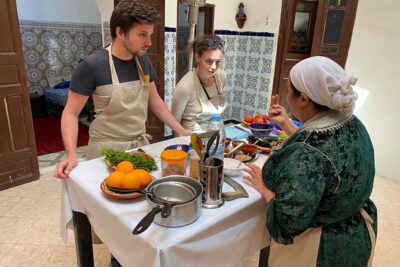
Half-Day Cooking Class with Local Chef Laila in Marrakech
Read our review →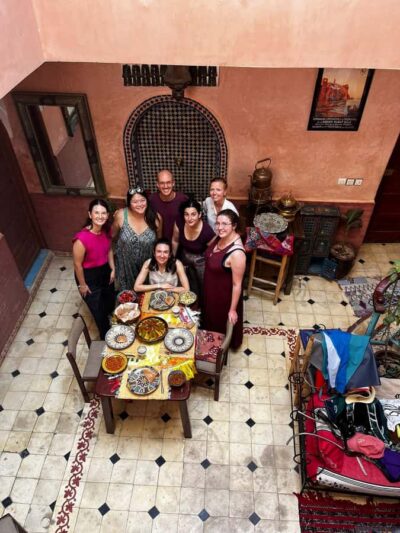
Browse the lists this tour appears in