
Reviewed · COOKING CLASSES
Moroccan Cooking Workshop in Marrakech
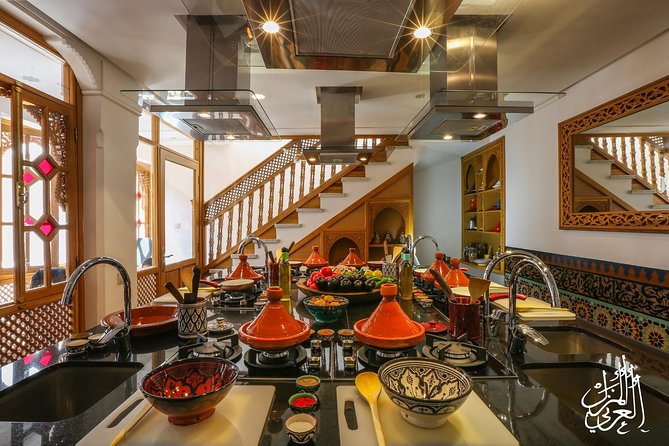
This Moroccan cooking workshop in Marrakech is interesting because it turns food into a hands on skill. You start with a Moroccan tea ceremony, then you shift from watching to doing, right at La Maison Arabe.
I love the private, individual workstation setup, and how the class is guided by real people like Mohammad and Dada Habiba, with interpretation support from hosts such as Hasina. You cook, you taste, and the whole flow feels built for learning.
One possible drawback is timing and rules. The main class option here is about one hour, and children under 12 are not permitted, so it is not the right fit if you need a longer activity or you are traveling with younger kids.
Key highlights you’ll actually care about
- Tea ceremony first so you learn the culture, not just the recipe list
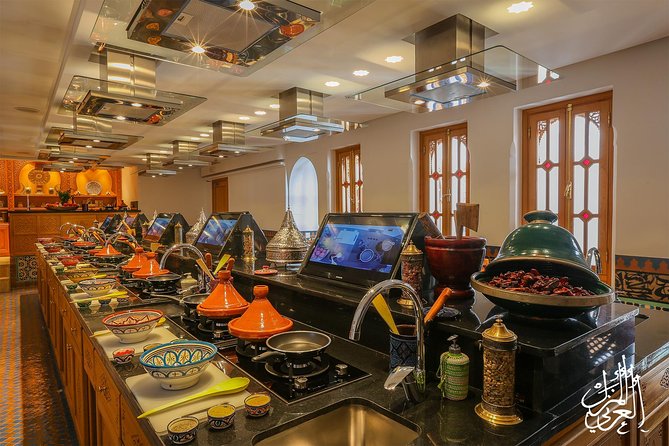
- Individual workstations for comfort and a more focused lesson
- Moroccan bread demonstration that helps you understand the meal backbone
- A hands on cooking session led by the Dada with step help when you need it
- Tasting at the end, with Moroccan wine discovery offered as an option
- Small max group size (2 travelers) for a quieter, more personalized pace
Marrakech Cooking Workshop at La Maison Arabe: the point is doing, not just watching
If you have ever left a food tour thinking I know what I ate, but I cannot repeat it at home, this type of workshop solves that. The format is built around a live cook’s guidance, so you do the chopping, mixing, shaping, and seasoning. In Marrakech, that is a powerful way to understand Moroccan flavors, because spices and technique matter as much as ingredients.
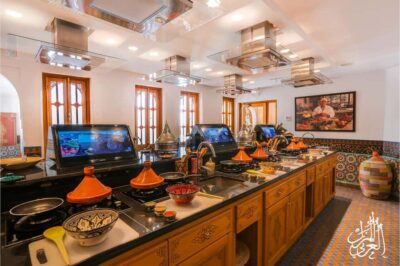
La Maison Arabe also leans into the practical side of learning. You have your own workstation, which means you are not pressed around a shared counter trying to see over someone’s shoulder. And the structure is not vague. It starts with a Moroccan tea ceremony, adds a bread making demonstration, then moves into cooking led by the Dada, finishing with a tasting.
Price wise, it comes in around $34.76 per person, and that feels fair for what you get. You are not only observing a meal, you are making one, then eating what you made, plus tea and lunch are listed as included. For Marrakech, where lots of food activities are either showy or very snack sized, this workshop hits the sweet spot for value.
One more detail that makes a difference: this activity tops out at two travelers. That small size helps the teacher notice when your technique needs a nudge.
More Cooking Classes in Marrakech
- Marrakech: Moroccan Cooking Class with Pickup
★ 4.6 · 1,862 reviews - Marrakech: Traditional Moroccan Cooking Class & Market Visit
★ 4.8 · 1,861 reviews - Marrakesh: Moroccan Dishes Cooking Class with a Local Chef
★ 5.0 · 1,615 reviews
Arriving at Hotel La Maison Arabe and starting with Moroccan tea
You meet at Hotel La Maison Arabe, 1 Derb Assehbi, Marrakesh 40000. The activity ends back at the same meeting point, so you are not juggling extra drops or getting lost after you are already full.
The first moment is the Moroccan tea ceremony. You do not just watch someone pour tea. The ceremony is the kickoff because it frames how Moroccan hospitality works, and it gives context for the flavors you are about to cook with. Expect the lesson to be interactive enough that you are paying attention, not waiting for the next step.
One practical tip from experience with this setup: arrive with a little buffer if you can. People who went have suggested getting there early to enjoy coffee, tea, or a cold drink at the hotel. Since the class is scheduled and the meeting point is right at the hotel, that time cushion makes the day feel calm instead of rushed.
Also note the language support. The welcome and course are conducted with a French and/or English interpreter. In real sessions, names like Hasina and Hasna show up as the friendly faces who keep things clear, so do not worry if your Moroccan food vocabulary is still under construction.
Transportation is not included, but it is described as near public transportation. That matters in Marrakech, where taxis can help, but walking plus transit is often easiest.
The Moroccan bread demonstration: learning the meal backbone early
Next comes a Moroccan bread making demonstration. This part is small, but it is not filler. In Moroccan cuisine, bread is not an afterthought. It is how you scoop sauces, balance rich flavors, and keep your meal moving.
Even if you are only watching the demo, you are learning the rhythm: prep, handling, timing, and the cues that tell you when bread is ready. Then, later, when you taste your own cooking, you will understand why the bread part matters. You might not think about it when you book, but it often becomes the detail you remember when you try to recreate the meal later.
After the bread demo, you transition into the cooking portion led by the Dada. That is when you stop thinking in theory and start thinking in actions: spices, texture, and how the dish changes as it cooks.
Facilities also seem very “workshop ready.” People describe the setup as professional and comfortable, with enough space to actually cook without feeling chaotic. That is a big deal in small classes, because cramped kitchens can turn learning into frustration.
Cooking with the Dada: your hands on Moroccan tajine style training
The core of the workshop is the cooking class with the Dada. The exact menu can vary by session and time option, but the learning approach is consistent: you follow the cook’s instructions at your own workstation, you season step by step, and you get help when needed.
A highlight in feedback is how much spice education happens during the process. You learn not just that a spice goes in, but what its role is and how it changes the aroma and flavor. If you have ever bought a spice blend and wondered why it never tastes quite right at home, that explanation is what you are paying for.
Tajine shows up in the best stories for a reason. People leave excited because the dish they cook tastes like Moroccan comfort food, not like something you improvised in a hotel kitchen. You are working with flavors that are meant to layer, so the final result feels cohesive.
You may also notice a “TV cooking show” vibe, but without the mess. That feeling usually comes from having clear steps, instructors coming around to help, and a kitchen rhythm that keeps you moving. If your holiday schedule is busy, the fact that the class is about one hour (with options for other lengths) means you can fit it without losing an entire afternoon.
One more thoughtful detail: the class flow includes a tea ceremony and a bread demo before cooking. That means you are not rushing straight into chopping and hoping it all makes sense later.
If the Marrakech plan still has a gap:
- Marrakech: Agafay Desert Sunset, Camel Ride, and Dinner Show
★ 4.6 · 35,119 reviews - From Marrakech: Ouzoud Waterfalls Guided Hike and Boat Trip
★ 4.7 · 33,630 reviews - Marrakech: Agafay Desert Quad & Camel Rides with Dinner Show
★ 4.8 · 27,382 reviews - Marrakech: Agafay Desert Quad Biking Tour with Dinner-Show
★ 4.8 · 16,569 reviews
Tasting what you made, plus the optional Moroccan wine discovery
After cooking, the workshop includes a tasting of the dishes you prepared. This is the part that turns “lesson” into “experience.” You get to taste with intention, which makes the memory stick. It is also the quality check, so you can pick up what worked and what you would adjust if you cooked it again at home.
Along with the tasting, there is an option connected to Moroccan wine discovery. Drinks are listed as not included overall, but the wine component is described as optional. So if you want a guided look at pairing, keep an eye out during the experience and choose it if offered.
Food is also clearly part of the meal structure. Afternoon tea and lunch are listed as included. That combination can be confusing at first glance, because the class duration is about one hour, but the practical takeaway is simple: you should plan to eat here. This is not a stop where you barely sample and then leave hungry.
Because your tasting happens right after cooking, you will notice flavor changes you might miss when you cook at home without guidance. Spices bloom, sauces reduce, and texture comes into focus. Having your own dish in front of you helps you connect the lesson to the outcome.
Price, timing, and who this one hour workshop is best for
At around $34.76 per person, this workshop is priced like a serious add on, not a budget filler. The value comes from a few key factors that you can feel during the class: individual workstations, hands on instruction, and a sit down tasting that uses what you cooked. Add in afternoon tea and lunch, and the cost looks more reasonable for a full Morocco centered food experience.
Timing is flexible in a practical way. The listing notes options for how long you would like the cooking class, and the main option is about one hour. If you are short on time, one hour is a solid target. If you want more cooking depth, choose the longer option if it fits your schedule.
This is also a good pick for:
- Couples who want a calm, private class, thanks to the very small group size
- Food focused visitors who want recipes plus technique, not just stories
- People who like being coached through steps instead of figuring it out alone
- Solo travelers, since the setup is built for comfort and attention
It is not a match for:
- Families with kids under 12, since children are not permitted in the cooking classes for security reasons
- Anyone expecting transportation to and from Marrakech sights, because it is not included
Also, near public transportation is a plus. Marrakech can be easier when you do not have to plan a dedicated ride just for one activity.
What to do before you go (and how to get more out of the class)
You will get the most out of this workshop if you treat it like a skill session. That means showing up ready to cook, asking questions while you are at your station, and tasting as you go, not only at the end.
A few practical moves:
- Arrive a bit early if you can, so you can settle in and enjoy the hotel tea or coffee
- Wear something comfortable for cooking, because you are doing active prep
- If you have spice preferences, mention them early so the teacher can guide you
- Pay attention to the bread and tea parts, because they explain how the whole meal fits together
If you are someone who collects useful souvenirs, ask about recipe materials. One common perk mentioned in the experience is that a recipe book can be purchased, and people find it handy for recreating dishes later.
Finally, remember the goal is repeatability. The best part of a cooking class is not the one meal you eat in Marrakech. It is the confidence you leave with, knowing you can make Moroccan flavors again without guessing.
Should you book this Marrakech Moroccan cooking workshop?
Book this if you want a hands on Moroccan cooking class with a real instructor, individual workstation time, and a tasting that lets you eat what you made. The tea ceremony and bread demonstration make it more than a cooking moment. It feels like you are learning the logic behind Moroccan meals, not just collecting techniques.
Skip or reconsider if you are bringing kids under 12, need included transportation, or you are looking for a pure cultural show with no real cooking. Also, if you hate short time windows, the one hour format can feel fast, even though longer options exist.
If you have a day in Marrakech and you want one activity that gives you both a delicious meal and a usable skill, this is one of the better ways to spend it.
FAQ
How long is the Moroccan cooking workshop in Marrakech?
The cooking workshop is about one hour.
Where does the workshop start?
It starts at Hotel La Maison Arabe, 1 Derb Assehbi, Marrakesh 40000, Morocco.
Does the workshop include a meal or tasting?
Yes. It includes food tasting, and lunch is listed as included. There is also an afternoon tea included.
Is Moroccan wine included?
Wine is listed as an optional part of discovering Moroccan wines during the tasting. Drinks are not included.
What is included in the experience besides the food?
Afternoon tea, lunch, food tasting, live commentary on board, and live entertainment are listed as included.
Are drinks included during the workshop?
No. Drinks are listed as not included.
Is transportation to and from Marrakech included?
No. Transportation to or from attractions is not included.
Are children allowed?
Children under 12 are not permitted in the cooking classes for security reasons.
Is there a cancellation window for a full refund?
Free cancellation is available. You can cancel up to 24 hours in advance for a full refund. If you cancel within 24 hours of the start time, it is not refunded.
Just reviewed around Marrakech
- From Marrakech: Day trip to Ouzoud waterfalls and boat tour★ 5.0 · 73 reviews
- Private horseback ride in the Palmeraie of Marrakech★ 5.0 · 73 reviews
- Marrakech to Essaouira / Small group day tour To Essaouira★ 5.0 · 73 reviews
- 1 Day Guided Tour of World Heritage Kasbah Ait Ben Haddou from Marrakech★ 3.5 · 73 reviews
- Marrakech: Authentic Local Dinner with Transport★ 4.1 · 73 reviews
- Ourika Valley Day trip: Hike, waterfall, lunch and Relax★ 4.8 · 73 reviews
- Waterfalls, Three valleys, Atlas Montains, Camels & Desert★ 5.0 · 73 reviews
- Marrakech: Cycling Tour in Palm Groove with Local Breakfast★ 4.7 · 73 reviews
Cooking Classes, compared.
Traditional Moroccan Cooking Class & Market Visit
Read our review →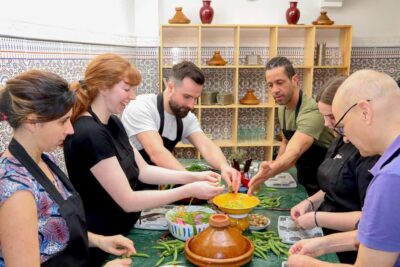
Moroccan Dishes Cooking Class with a Local Chef
Read our review →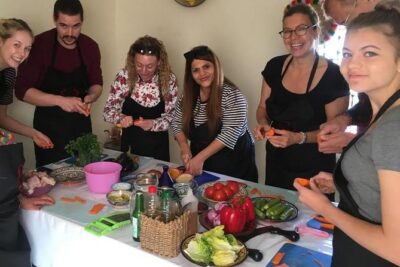
Moroccan Cooking Class & Marrakech Market Visit with Chef Khmisa
Read our review →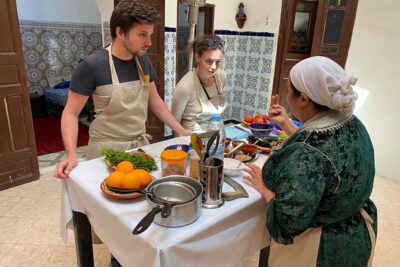
Half-Day Cooking Class with Local Chef Laila in Marrakech
Read our review →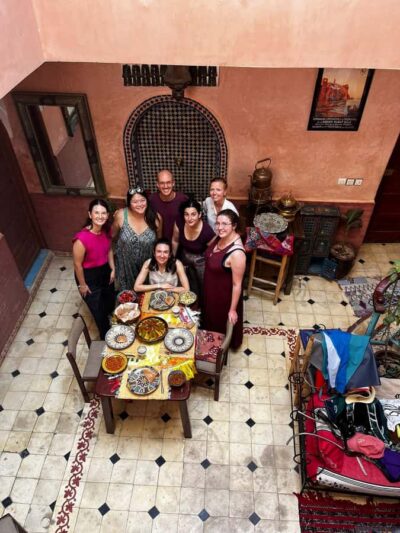
Browse the lists this tour appears in