
Reviewed · WORKSHOPS
Essaouira: Moroccan pastry workshop
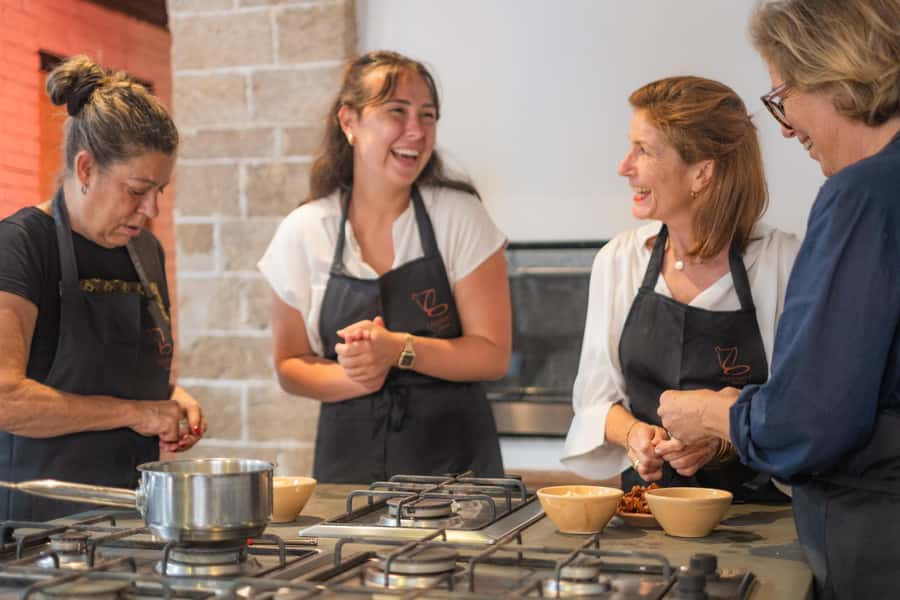
A Moroccan pastry workshop in the afternoon is a great way to slow your day down and get something real you can taste, not just watch. You’ll learn the mint tea ceremony and two classic sweets, including gazelle horns, with a team that keeps the class hands-on and organized.
The big win here is how practical the teaching feels, you get to work the dough and shape the pastries, not just stand back. One thing to consider: this is not a drop-in show, it runs about 1 hour and 45 minutes inside a small group, so plan to arrive ready to cook.
Key highlights you will care about
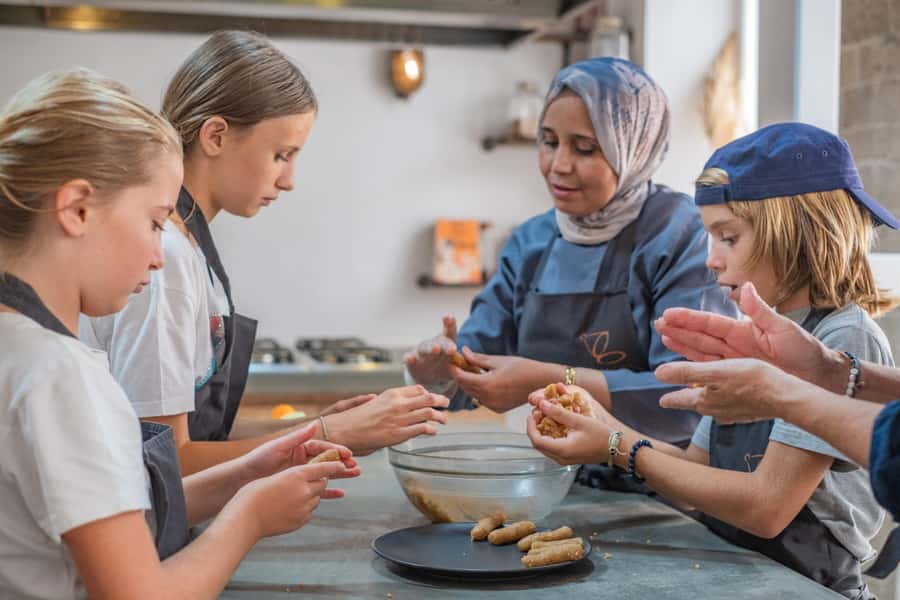
- Make two pastries: gazelle horns and cakes with dried fruit and sesame seeds
- Tea is part of the lesson, not just a nice extra
- Small group size with a limit of 9 participants for more help
- Take-home box so you can keep tasting after the workshop
- Multiple languages (Arabic, French, English) so you can follow along comfortably
- Recipes available later on the workshop website when you get home
Why a Moroccan pastry workshop beats a quick food tour
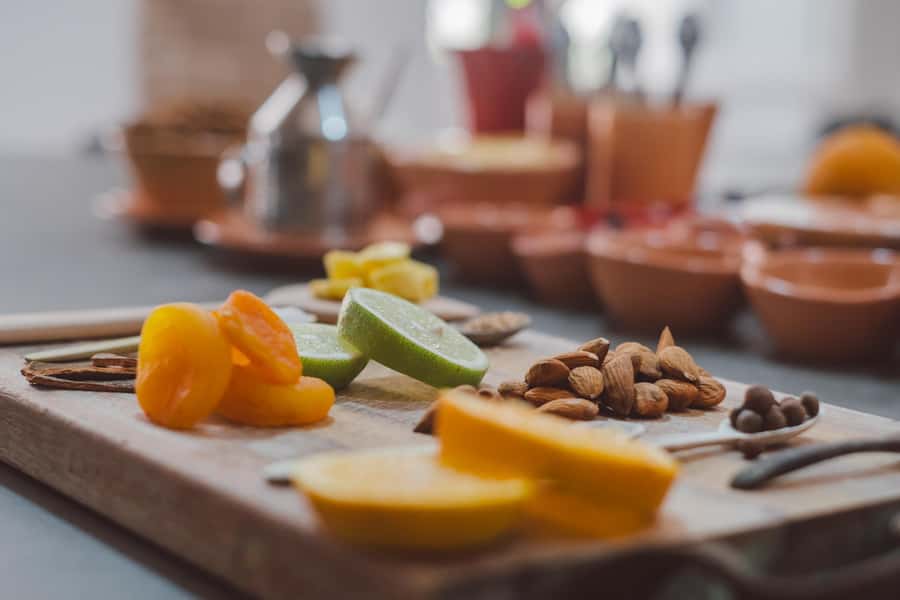
This kind of class works because it teaches you how flavors get built in Moroccan baking. You will learn the logic behind the sweets, not just memorize ingredients. And when the tea ceremony arrives, it ties everything together: warm mint tea, shared tasting, and a moment to slow down while your pastries cool and settle.
I like that the workshop stays grounded in fresh, local ingredients and traditional methods. That matters because Moroccan sweets can taste very different depending on texture, aroma, and how the pastry is handled. Here, you are shown what to look for as you go, so you can actually repeat the process later.
One practical consideration: you should be comfortable spending your afternoon focusing on technique. If you’re hoping for a long sightseeing-style experience, this is more like a compact cooking studio session.
Set these Essaouira options side by side
- Essaouira: Surf Lessons
★ 4.9 · 412 reviews - Kitesurfing Lessons in Essaouira Beach
★ 5.0 · 206 reviews - Surf Lesson in Essaouira
★ 5.0 · 179 reviews
The timing in Essaouira: start at 3:30 pm and plan for about 2 hours
The workshop starts at 3:30 p.m. and runs about 1 hour and 45 minutes. In real life, you’ll want to arrive a bit early so you can settle in and get instructions without rushing. After class, you leave with a box of cakes, which makes it feel like a complete experience, not just a temporary lesson.
This afternoon schedule is also smart. You avoid the harshest daytime heat and you still get enough evening flexibility to continue exploring Morocco. If your day is packed, this is one of those activities that can reset your energy without eating your whole afternoon.
What to watch for: the session is clearly focused on cooking and tasting, so you will not be wandering around the area as part of the program.
What you will make: gazelle horns plus sesame and dried-fruit cakes
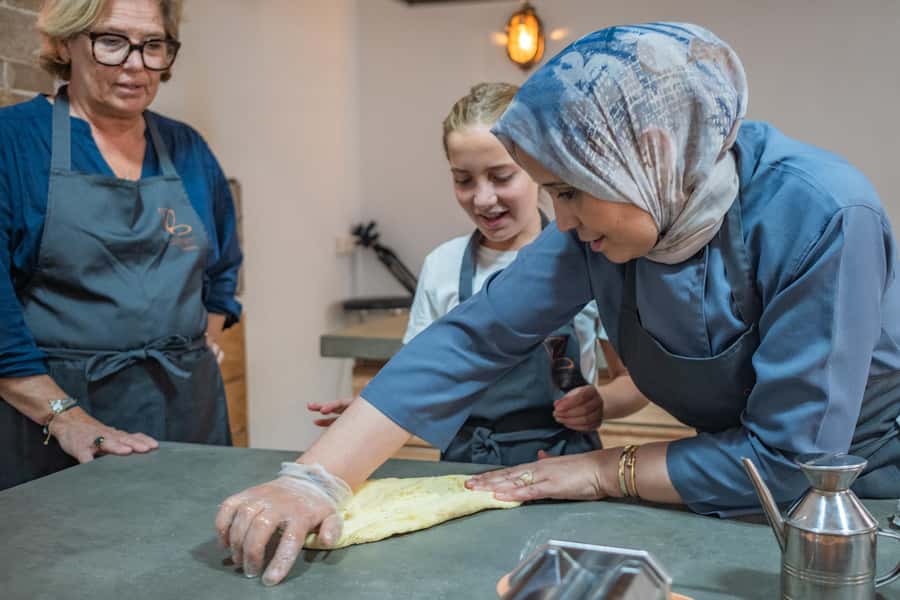
The workshop centers on making two types of Moroccan pastries, and that’s a big part of the value. Two recipes means you practice more than one technique, and you get a variety of flavors and textures to take home.
Gazelle horns
Gazelle horns are a classic Moroccan sweet, known for their shape and their delicate bite. In the class, you will learn how to form and shape them, and you’ll get guidance while you work. The instructors also check your progress, so you can adjust while you’re still in the flow, not after everything is done.
Why this matters for you: shaping is where many people get stuck with Moroccan sweets. If you want the satisfaction of saying, I made these, this is the moment. You are doing the work, not just eating the result.
More Essaouira days:
- From Marrakesh: Essaouira Full-Day Trip
★ 4.6 · 8,137 reviews - From Marrakech: Small Group to Essaouira & Sekkala Day Trip
★ 4.9 · 6,671 reviews - From Marrakech: Essaouira Day Tour with Optional Activities
★ 4.3 · 5,125 reviews - From Marrakesh: Small Group To Essaouira With Opt Activities
★ 4.8 · 2,633 reviews
Cakes with dried fruit and sesame seeds
The second pastry is built around dried fruit and sesame seeds, so the flavor profile leans aromatic and slightly chewy depending on how it’s prepared. You’ll learn the method used in this style of baking, and you’ll taste what you made alongside the tea ceremony.
For me, pairing these two pastries is clever. Gazelle horns teach technique, while the sesame and dried-fruit cakes teach balance and flavor layering. Together, they give you enough range to recreate something at home later using the recipes provided.
The mint tea ceremony, practiced with your tasting
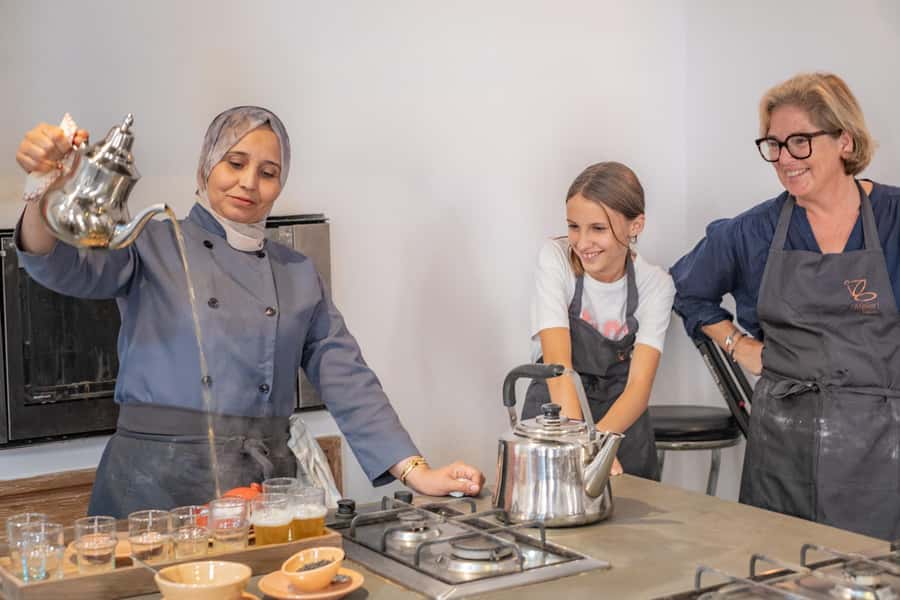
One of the most appealing parts is that the mint tea ceremony is not an afterthought. You learn it as part of the session, and you share it while tasting your creations. That turns tea into something more meaningful than a drink on the side.
The practical side: you’ll get to connect the timing of tea with how the pastries taste as they cool. A fresh pastry can taste different from one that has rested a little, and you’ll notice that as you sample. That is the kind of detail you miss when you only eat at restaurants.
If you’re into food culture, this is also where the experience becomes more social. You are creating something, then tasting it as a group. You get to enjoy the ritual instead of rushing through it.
Your small group atelier experience (and why it feels easier)
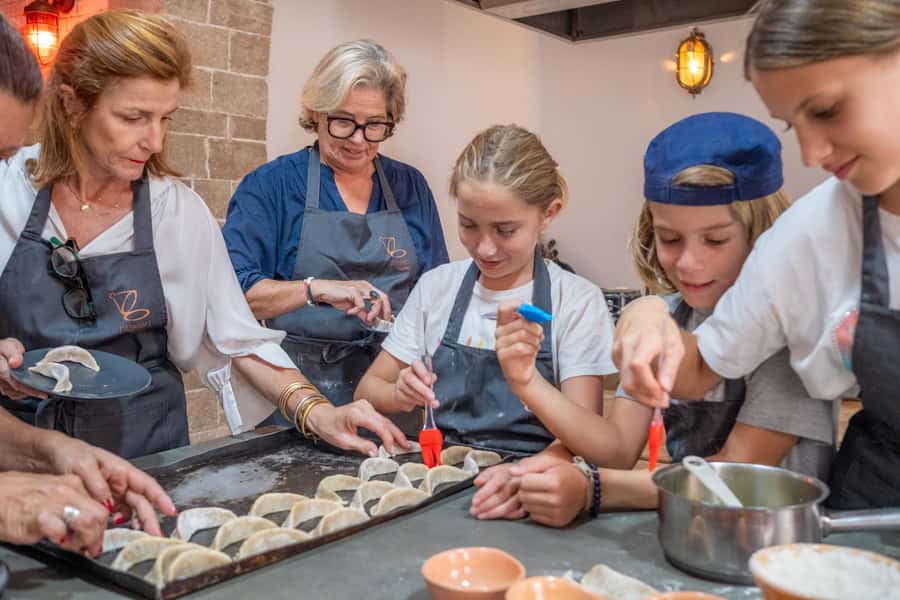
This is a small group workshop, limited to 9 participants. That size changes the whole dynamic. You get more attention while you shape and bake, and it’s easier to ask questions without feeling like you’re competing for the instructor’s time.
The teaching style also comes through as patient and structured. You will see the process demonstrated, and then you’ll try it yourself, with instructors staying close as you practice. Several people describe the class as dynamic, with an atmosphere that stays friendly rather than stiff.
Even if your group ends up uneven, the setup still works. In some cases, people have joined as small numbers and still felt the experience was welcoming and easy to connect in. So if you’re traveling solo, you’re unlikely to feel lost.
Languages: follow the lesson in Arabic, French, or English
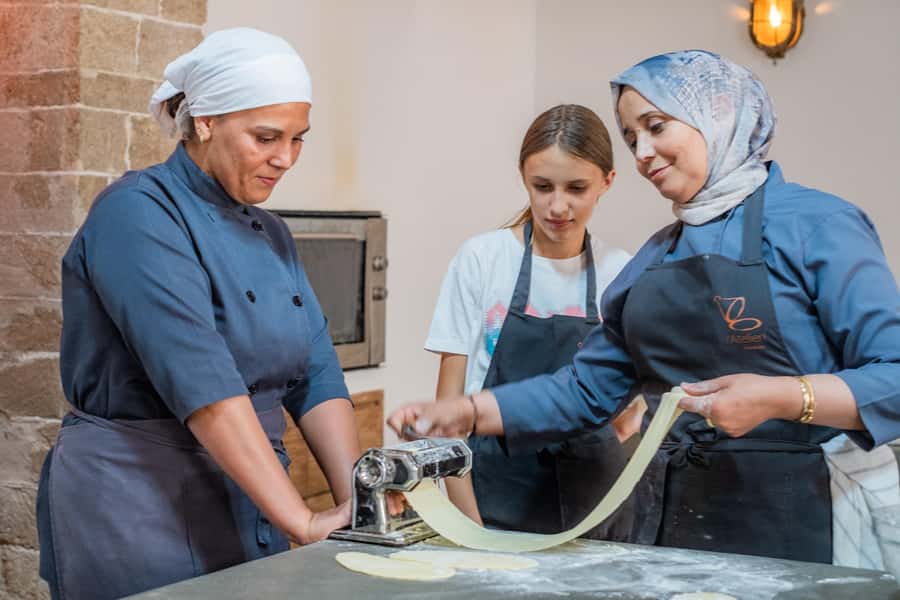
The workshop is taught in Arabic, French, and/or English. That’s a real advantage because pastry baking is hands-on. If you can follow the key steps and explanations clearly, you can actually replicate the technique.
The instructor is listed with Arabic, French, English, and the class notes also indicate that some content may appear in its original language. So if you do speak more than one language, you’ll probably feel even more confident. If you only speak one, don’t worry, you can still benefit from the visuals and step-by-step teaching.
Price and value: 300 dhs for pastries plus a take-home box
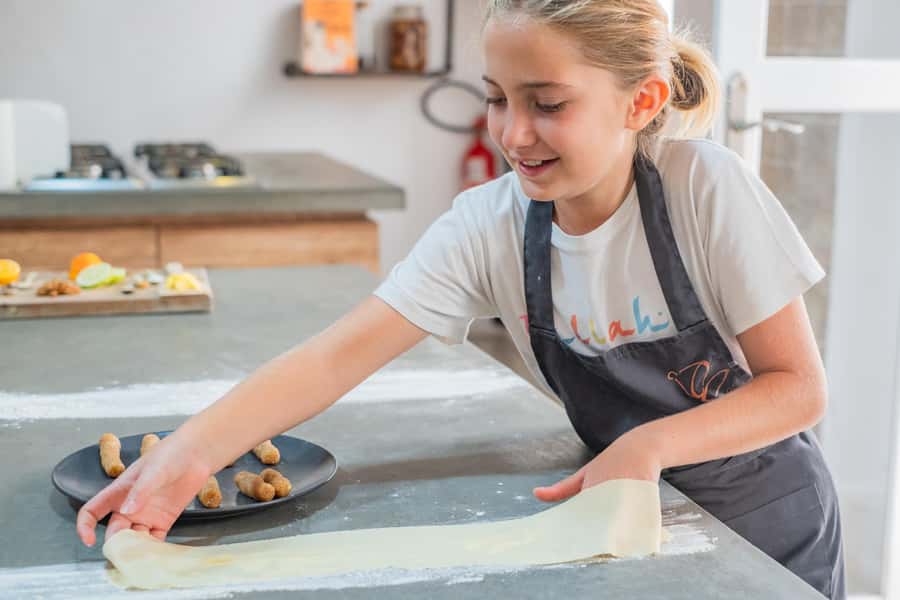
The price is listed as 300 dhs per person, around $34. At first glance, it sounds like you’re paying for a cooking class. But what makes it good value is what you actually leave with.
You’re not just tasting something and going home empty-handed. You make two pastries, share tea while tasting them, and you take away a box of cakes. That changes the math, because you’re getting food to enjoy later, not only a one-time bite during the class.
You also get recipes you can use at home, found on the workshop website after you return. That’s another layer of value, because it turns a one-off experience into something you can repeat.
If your travel style is hands-on and you like practical souvenirs (food always wins here), this is one of the smarter splurges you can make in Morocco.
What to plan for on the day you book
This workshop does not include pickup from your hotel, so you’ll need to make your own way to the atelier. It also doesn’t include any extra items from the Atelier café, so if you want a drink or snack beyond what’s included, plan to pay separately.
It’s also listed as not suitable for children under 8. If you’re traveling with kids, double-check their comfort with an active cooking session that lasts close to two hours.
My simple advice: wear comfortable clothes and expect to get a bit busy. Even if you’re careful, pastry work is hands-on. Bring an open mindset, you’re learning a process, not trying to prove you already know it.
How to get the most out of the class
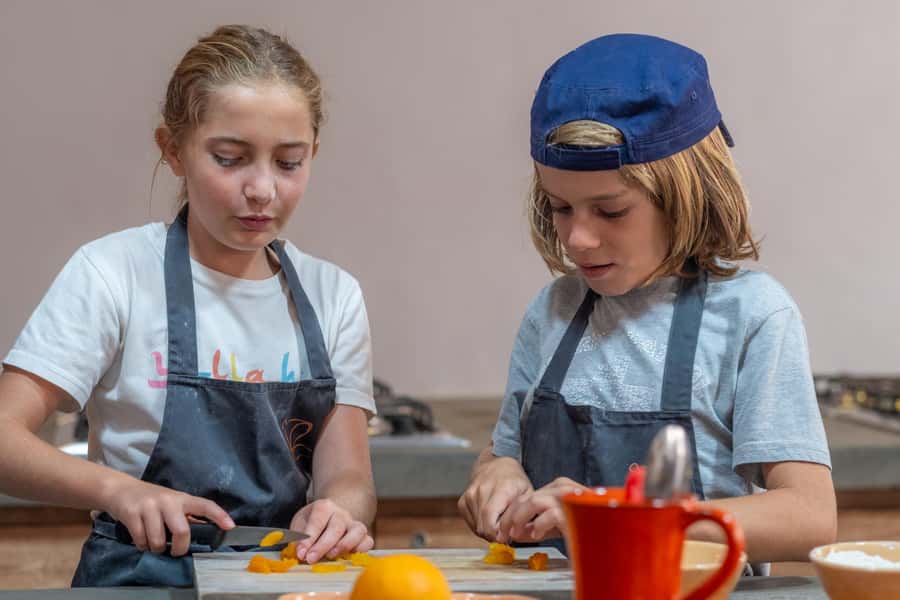
You’ll enjoy this more if you treat it like a skill practice, not a performance. The instructors demonstrate the process first, then you build the pastries. That means your success comes from paying attention to the small physical cues as you shape and assemble.
A few practical things that usually help in workshops like this:
- Stay focused during the demonstrations, because the next step builds on the last one.
- Ask questions while you’re working, so you can fix issues immediately.
- Taste your pastries at the end, not just for the flavor, but to learn the texture differences.
If you like making food at home, look at this as training for your kitchen. When you get the recipes later on the website, you’ll have a reference point for how the dough and filling should behave.
Who should book the Moroccan pastry workshop?
Book this if you want a genuine food experience that’s hands-on and culturally grounded. It’s especially good for:
- People who love Moroccan flavors and want to go beyond restaurant eating
- Travelers who enjoy learning techniques, like shaping and assembling sweets
- Anyone who likes tea culture and wants the ritual explained while you taste
- Solo travelers, since the small group format still feels social and manageable
It’s less ideal if you’re looking for a long, sightseeing-heavy day. This is a focused studio experience, so come prepared for cooking time.
Should you book it or skip it?
I’d book it if you want a compact, satisfying food lesson with real take-home results. The workshop’s strengths are clear: structured instruction, a friendly, patient tone, and the fact that you finish with two pastries plus a box of cakes and Moroccan mint tea in the mix.
If you hate hands-on activities or you’re short on time, then it might feel like work instead of fun. But if you enjoy learning by doing, this is the kind of class that makes your Morocco trip tastier and more memorable.
FAQ
What pastries will I make in this workshop?
You will make two types of Moroccan pastries: gazelle horns and cakes with dried fruit and sesame seeds.
Does the class include the mint tea ceremony?
Yes. You will learn the Moroccan mint tea ceremony and share it while tasting the pastries you made.
How long is the workshop, and what time does it start?
It starts at 3:30 p.m. and lasts about 1 hour and 45 minutes.
Is hotel pick-up included?
No, pick-up from your hotel is not included.
What languages are offered for the class?
The workshop is available in Arabic, French, and English.
What is the price, and do I take food home?
The price is 300 dhs per person (about $34). At the end, you leave with a box of cakes to continue tasting at home.
Is it suitable for young children?
It is not suitable for children under 8.
Can I cancel and get a refund?
Yes, you can cancel up to 24 hours in advance for a full refund.
Just reviewed around Essaouira
- Marrakech to Essaouira / Small group day tour To Essaouira★ 5.0 · 73 reviews
- From Marrakech: Day Journey to Essaouira Mogador★ 5.0 · 74 reviews
- From Marrakech: Essaouira Day Trip with Hotel Pickup★ 4.2 · 74 reviews
- Discovery Tour around Essaouira by Electric Motorcycle★ 5.0 · 76 reviews
- Essaouira Full-Day Excursion from Marrakech★ 5.0 · 78 reviews
- Shared Full Day Tour Visit to Essaouira from Marrakech★ 5.0 · 78 reviews
- Private transfer Marrakech to Essaouira or Essaouira toMarrakech★ 5.0 · 80 reviews
- Traditional Moroccan Cooking Class★ 5.0 · 81 reviews
Workshops, compared.
Traditional Moroccan Cooking Class & Market Visit
Read our review →
Moroccan Dishes Cooking Class with a Local Chef
Read our review →
Moroccan Cooking Class & Marrakech Market Visit with Chef Khmisa
Read our review →
Half-Day Cooking Class with Local Chef Laila in Marrakech
Read our review →
Browse the lists this tour appears in