
Reviewed · COOKING CLASSES
Flavors of Fez: Market visit, and a hands-on cooking class.
Flavors of Fez is interesting because it turns a maze of the Medina into a working food lesson. I like that you start with a market visit where you pick ingredients, then you move into a hands-on cooking class where you actually use them. One consideration: you’ll be on your feet and walking through the Medina, so if you dislike close, busy streets or have mobility limits, this may feel like a lot.
What makes the day feel different is the setting. You meet at the Blue Gate area, then you head to a home next to the Medina where the atmosphere is warm and family-style, often with hosts such as Kenza, Doha, Soukaina, or Naima guiding the class with English or French support. Since the group is kept small, from 1 to 10 participants, it tends to be more personal than a big show-and-tell session.
Key things you’ll notice fast
- Blue Gate meeting point, then quick start: easy to find, then straight into shopping and cooking.
- Choose your dish by choosing your ingredients: your guide helps you pick what you need for the meal.
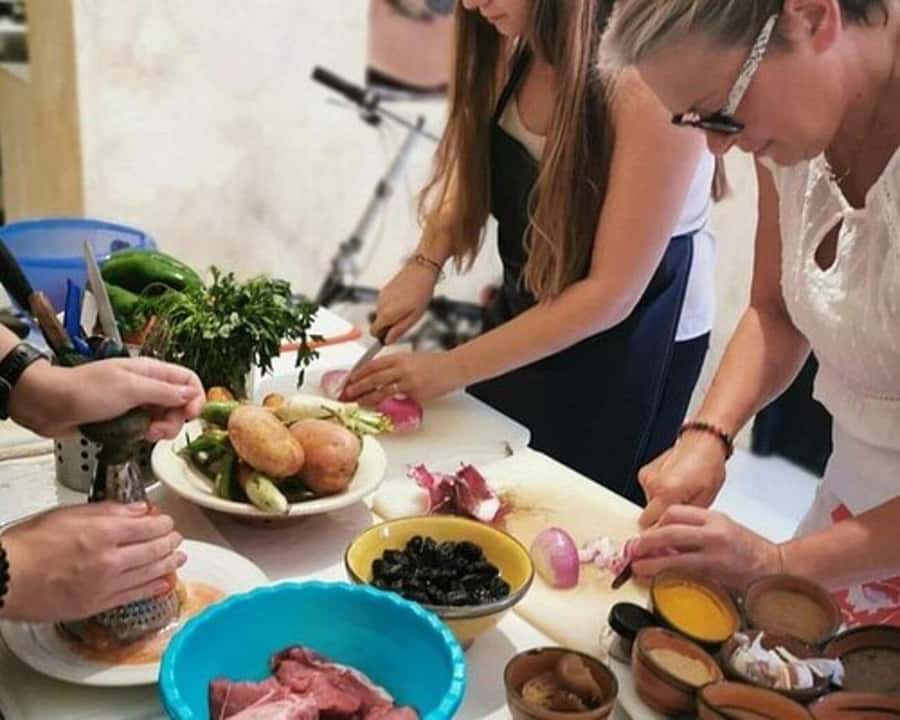
- Small group cooking, 1 to 10: you get time to practice steps, not just watch.
- Real technique work, not just recipes: spice blending, chopping help, and practical kitchen skills.
- Family-home meal time: communal table dining right after cooking.
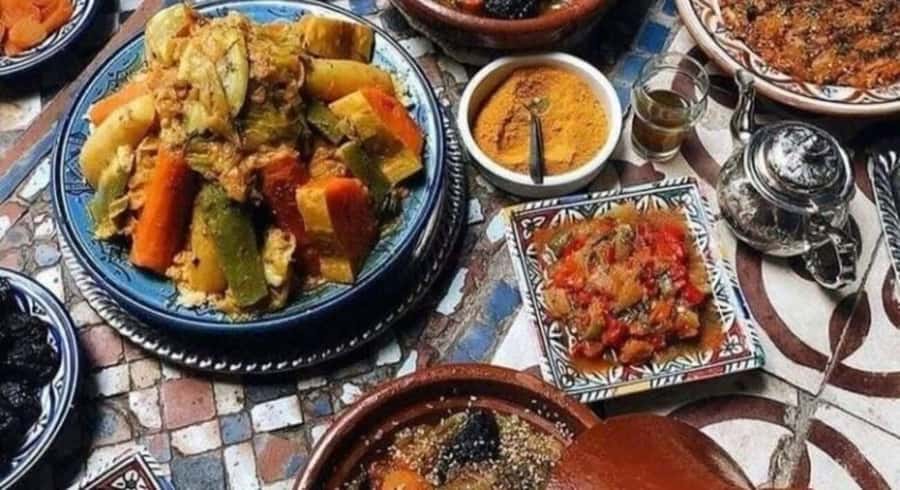
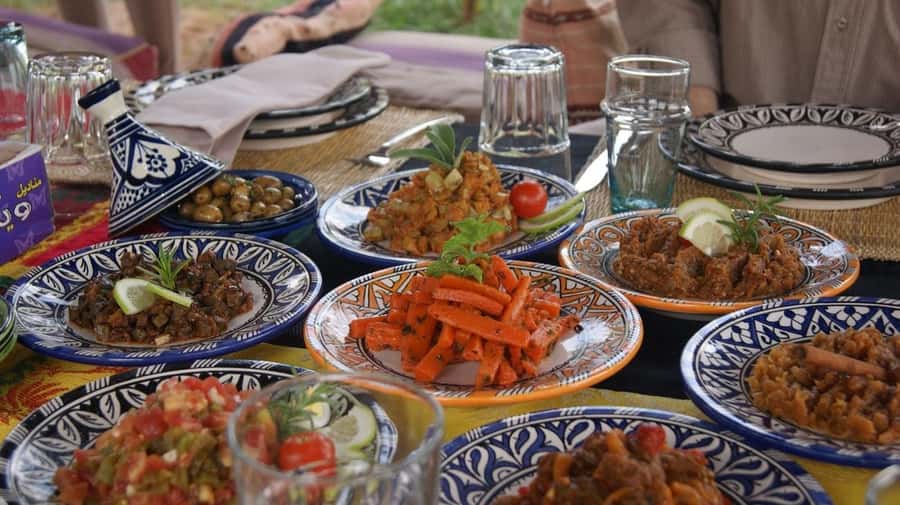
- Examples you can look forward to: kefta tajine, zaalouk, beef and prune tagine, and more depending on what you select.
Blue Gate meet-up, then your Medina food lesson begins
Your experience starts near Fez’s Blue Gate, one of the main entrances to the Medina. You’re looking for the gate with blue tiles from the outside and green tiles from the inside. The instructions are very specific: wait on the right side next to Banque Societe Generale, just outside the gate. If you’d rather simplify it further, you can also be picked up at a main Medina gate.
This matters more than it sounds. Fez navigation can get confusing fast, and the clearer your starting point is, the less energy you spend “figuring it out.” Once you meet your English or French host or greeter, the day keeps moving. The activity includes hotel pickup and drop-off, which is a big deal if you do not want to drag yourself to the Medina edge on your own.
You’ll also see a note about skipping the line through a separate entrance. For you, the practical benefit is simple: less waiting during a busy check-in moment and more time for the parts you came for, the market and the kitchen.
More Cooking Classes in Fez
- Fez: Souk Tour and Traditional Home Cooking Class
★ 4.9 · 186 reviews - Cooking Class – Moroccan cuisine
★ 5.0 · 124 reviews - Fez Cooking School at Palais Amani Experience
★ 5.0 · 94 reviews
The market visit is where the cooking starts making sense
This half of the experience is not a casual stroll. Your guide takes you through the market and helps you select fresh ingredients for the dish you plan to cook. The goal is to connect what you see in the souk to what you’ll do in the kitchen later.
In a place like Fez, it is easy to buy spices and forget what makes each one different. Here, your shopping is tied to a specific outcome: your meal. You’ll typically cover essentials like vegetables and herbs, meat, and staples that go into Moroccan classics. The cooking class is hands-on, so having the right ingredient quality matters, and your guide is there to steer you toward fresher options.
One review experience highlighted how the guide helped with smart purchases, including grabbing cinnamon and making sure the price felt fair. That’s not guaranteed for every stop or every person, but it does show what your guide role can look like: not just translating what you point at, but helping you buy well.
What I think you should focus on during shopping
You’ll get the most value if you pay attention to the guide’s reasoning, not just the names. Ask questions like:
- Why this herb now and not later?
- What makes this spice blend work for a tajine?
- Which ingredient choices make the difference in flavor?
Even if you already know Moroccan food, this is where you learn the logic. It turns cooking from a list of steps into a feel for ingredients.
A home kitchen setup, with mint tea and real comfort
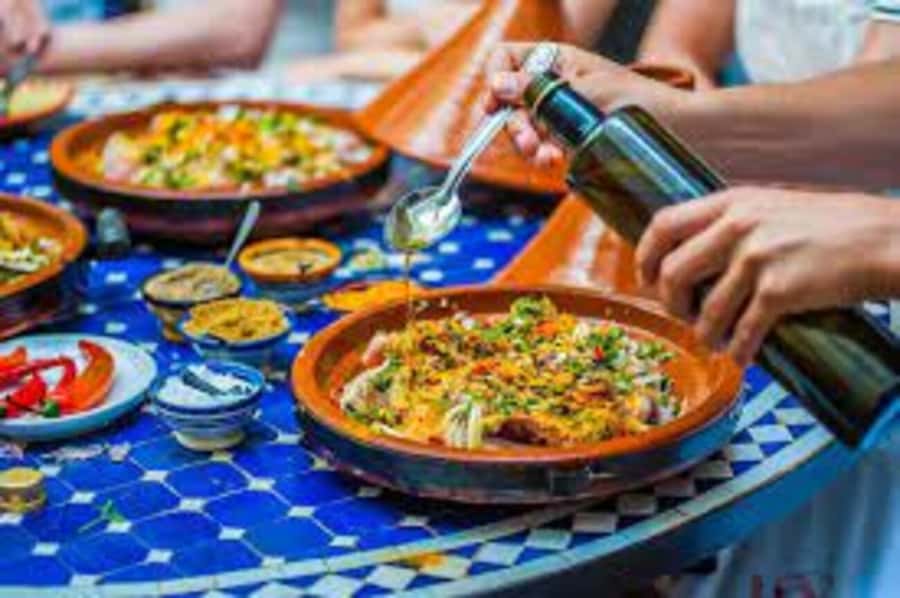
After the market, you head to a home in the Medina area. The experience is designed for a warm, family-style atmosphere, and that is a major part of why people rate it so highly. You’re not learning in a classroom or a rented demo kitchen. You’re learning where someone actually cooks and lives.
Many classes start with a welcome drink, often mint tea. Then you get organized with the hands-on steps that follow. Because the group can be small, you’re more likely to get one-on-one attention when you’re unsure about knife work, spice amounts, or timing.
If the Fez plan still has a gap:
- Chefchaouen Day Trip from Fez (Shared Group Tour)
★ 4.6 · 2,394 reviews - Fes: Volubilis Roman Ruins, Mouly Idriss, & Meknes Day Trip
★ 4.6 · 2,375 reviews - Fez Medina Guided Tour
★ 4.6 · 2,079 reviews - Blue City magic: Affordable Day Trip from Fez to Chefchaouen
★ 4.6 · 1,960 reviews
You’ll learn practical kitchen skills, not just memorized steps
Some guests mention learning how to grate and prep vegetables properly, and even ways to use the whole vegetable to avoid waste. That kind of technique advice is the difference between a meal that tastes right once, and a meal you can repeat at home with confidence.
Also pay attention to how your host sets the pace. The structure is typically:
1) prep your ingredients
2) learn the key technique for the dish
3) cook in stages while you practice
4) sit down and eat what you made
This flow helps you stop worrying about getting it wrong. Your role is active, and the kitchen rhythm teaches you as you go.
The Moroccan dishes and techniques you’ll actually work with
Moroccan cooking is deeply technique-driven. What makes this class valuable is that it highlights method, especially spice blending and how savory flavors build in a tajine-style cooking process.
Expect spice blending and flavor balancing
You’ll learn how spices get combined and used in context, not just sprinkled because a recipe says so. A good spice blend is about proportions and timing. Too early can mute aroma, too late can leave flavors flat. Your guide’s job is to show you the practical “when” as much as the “what.”
Tajine and salad-style dishes you may cook
The exact menu depends on what your group selects, but the examples from the experience are consistent: kefta tajine and zaalouk are common favorites.
- Kefta tajine: a classic built around spiced meat and slow-cooked flavor.
- Zaalouk: a soft, flavorful Moroccan salad, often made with eggplant and tomatoes.
- Another reported option is beef and prune tagine, which shows how Moroccan sweet-salty balance can work when done right.
- Some participants also mention learning couscous, which is another reminder that you might get a slightly different focus depending on the day.
Even if your final dishes differ, the core lesson is the same. You practice how ingredients should behave in the pot: what should soften, what should brown, and how seasonings should develop during cooking.
Timing and teamwork during cooking
You’ll notice that tajine-style dishes are not “instant gratification.” There’s usually an in-between phase where you do prep for the next stage. That’s where your guide’s teaching style matters. When it’s done well, you use the waiting time to learn the next step, instead of sitting around wondering what’s happening.
Because the class is small, you can ask about spice level, texture, or substitutions. That is one of the big advantages versus bigger tour groups.
Setting the communal table, then eating with the people who taught you
The last part is not an afterthought. After cooking, the table is set and you share the meal together. This is a communal, sit-down feast, and it’s part of why people describe it as more than just a cooking class.
When you eat in the same space where you cooked, the flavors make sense. You remember what ingredient you prepped and why the seasoning tasted the way it did. It also makes the meal feel earned, not purchased.
Cultural extras that can add extra value
Some guests mention additional moments that go beyond food technique, like meeting several generations in the home or chatting with the family for a long time. Others mention getting tips for hammams, restaurants, or day trips, based on personal experience. In at least a few cases, people even mention trying Moroccan dress during the visit.
Not every class will include all of these extras, but the pattern is clear: you leave with stories and recommendations, not just a full plate.
Price and value: why $56 can be worth it
$56 per person for a 4-hour experience can sound like a lot if you compare it to buying a meal in the Medina. But you’re not just paying for food.
You’re paying for:
- hotel pickup and drop-off
- a guided market visit where you select fresh ingredients
- hands-on teaching in a home kitchen
- expert guidance throughout the process
- English audio guide included
In other words, you’re paying to compress what might take you a half-day of research and a lot of trial and error into one guided session. If you’ve ever tried to cook Moroccan food at home and couldn’t figure out why it tasted “off,” you’ll understand why this kind of instruction is valuable.
When the price feels less worth it
It may feel pricey if you:
- already have strong Moroccan cooking skills
- only want a quick photo moment, not a hands-on class
- hate walking through historic street alleys
Also, alcohol is not included, so if you were hoping for a drink with dinner, you’ll need to plan otherwise.
Practical tips so you enjoy the full 4 hours
A few details will help you have a smoother day.
Wear the right shoes
Comfortable shoes are required. The Medina streets are uneven, and you’ll be walking between market stalls and the home.
Arrive ready to participate
This is hands-on. If you enjoy cooking but also get impatient with steps, remind yourself this is part practice, part teaching. Ask questions when something feels unclear, especially about spice mixing and prep.
Use the guide for real-life advice
If you want better value from your day, turn the guide into a resource. Ask what hammam to try, where to eat, or what day trips make sense. Several experiences mention that guides share personal recommendations, not generic ones.
Plan for a family-style atmosphere
Because it happens in a home, you may encounter a more relaxed rhythm than a strict timetable. That is often a plus, but if you have a tight schedule after the class, build in buffer time.
Who should book Flavors of Fez?
This is a great fit if you want a Fez experience with practical payoff. I’d especially recommend it if you:
- love cooking and want a method-based lesson
- want to see how shopping connects to cooking
- prefer smaller groups, 1 to 10
- like cultural connection, not just food
It’s not a match if:
- you have children under 8, since it’s not suitable for them
- you want alcohol included
- you’re not comfortable with Medina walking and a home kitchen environment
Should you book this cooking class?
If you want to go home with more than memories, yes, I’d book it. The market-to-kitchen structure makes the lesson stick, and the small group size means you get real interaction, especially around the technique parts like spice blending and how the dishes are put together.
Skip this only if you dislike hands-on cooking, can’t handle the walking, or you’re only looking for a quick bite with minimal time commitment. For most people, $56 for a guided ingredient hunt plus a full meal you made is a fair deal, and it’s one of those experiences that changes how you think about Moroccan food after you leave Fez.
FAQ
How long is the Flavors of Fez experience?
It lasts about 4 hours.
Where do I meet for the tour?
Meet at the Blue Gate area in the Medina. Look for the Blue Gate with blue tiles on the outside and green tiles on the inside. Stand on the right side next to Banque Societe Generale, just outside the gate.
Is hotel pickup and drop-off included?
Yes, hotel pickup and drop-off are included.
What does the market visit include?
A guided market visit with shopping for fresh ingredients for the dish you will cook.
Is it hands-on or just a demonstration?
It is hands-on. You get teaching and you cook during the class.
What kinds of dishes might we make?
The dish depends on your selection, and examples mentioned include kefta tajine and zaalouk, and also beef and prune tagine and Moroccan salad options.
Are alcoholic drinks included?
No. Alcohol is not included.
What languages are available?
English and French.
Is it suitable for children?
No, it is not suitable for children under 8 years.
What should I bring?
Wear comfortable shoes.
Is there free cancellation?
Yes, you can cancel up to 24 hours in advance for a full refund.
Just reviewed around Fez
- Fes To Marrakech: 3-Day Desert Tour★ 5.0 · 73 reviews
- luxury 3 Days 2 Nights Desert Tour from Fez to Marrakesh★ 4.5 · 73 reviews
- VIP TOUR OF FES- Medina by local guide & Rempart by car-FULL Day★ 5.0 · 74 reviews
- Discover Fes with the Best -Authentic Tours Unforgettable Stories★ 5.0 · 74 reviews
- Fes wonders★ 5.0 · 75 reviews
- Full-Day Tour to the Blue City Chefchaouen on Small-Group★ 4.5 · 77 reviews
- Walking Tour in Old Medina Fez with Official Guide★ 5.0 · 77 reviews
- Hammam &Massage Dar Tahri & SPA★ 4.7 · 78 reviews
Cooking Classes, compared.
Traditional Moroccan Cooking Class & Market Visit
Read our review →
Moroccan Dishes Cooking Class with a Local Chef
Read our review →
Moroccan Cooking Class & Marrakech Market Visit with Chef Khmisa
Read our review →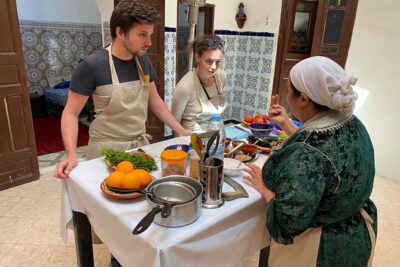
Half-Day Cooking Class with Local Chef Laila in Marrakech
Read our review →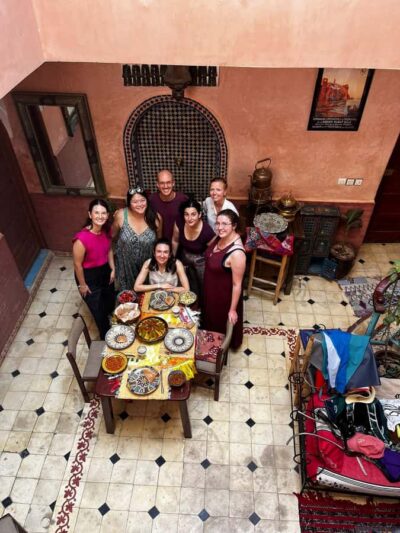
Browse the lists this tour appears in