
Reviewed · ZAGORA DESERT TOURS
From Marrakech: 2-Day Zagora Desert Trip
This 2-day run from Marrakech into the Sahara is interesting because you get a real sense of how people move through southern Morocco, from mountain passes to a Berber-style camp night. I particularly love the camel rides in the dunes at sunset.
I also really like the historic stop at Ait Ben Haddou, with a guided visit to the hilltop viewpoint. It turns the day from just travel into something you can actually picture later.
One drawback to plan for: this trip is a long drive with an early start, so it is not the best pick if you want to sleep in and take everything slow.
Key things I’d circle on your planning list
- Camel time twice: sunset ride plus an early sunrise moment, with an optional morning trek
- Ait Ben Haddou viewpoint visit: you do not just pass it, you get guided access to the hilltop
- Air-conditioned transport in a small group: max 17 people, so stops and bathroom breaks stay civilized
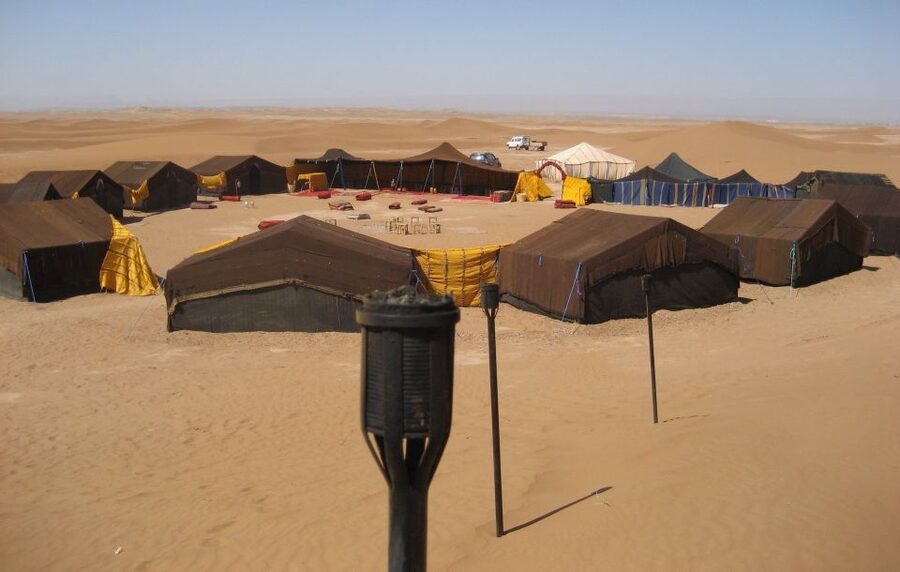
- Nekhla dunes camp night: dinner, then a sleep in a tent setting, with hot showers and toilets outside your tent
- Draa Valley return drive: you get the scenic read on the Drâa region on the way back to Marrakech
- Bring cash for tipping: multiple guides along the route can expect small gratuities, so have some ready
Day 1: Marrakech to Zagora, with the High Atlas warming you up
You start with pick-up at your hotel or riad in central Marrakech at 07:20. The operator warns there can be about a 30-minute wait due to early morning traffic, so set your alarm with a little padding, not a hope.
The big story of Day 1 is the transition. You leave the city, cross the High Atlas Mountains via Tizi N’ Tichka Pass (listed at 2,260 meters), and you begin seeing the rhythm of Berber villages in the valleys. This is the part that slowly changes your expectations from Marrakech markets and tiled riads to wide open stretches and roadside views.
If you care about comfort on long days, you’ll be glad it’s a minibus with air-conditioning and a maximum of 17 passengers. That matters because this itinerary is packed with stops, and bigger buses can feel like cattle trucks. Here, it usually stays more personal.
More Zagora and Erg Chigaga trips:
- From Marrakech: 2-Day Sahara Tour to Zagora & Ait Ben Haddou
★ 4.4 · 1,925 reviews - From Marrakech: 2-Days luxurious experience to Zagora Desert
★ 4.9 · 1,502 reviews - From Marrakech: Zagora 2-Day Desert Safari with Food & Camp
★ 4.5 · 1,137 reviews
Tizi N’ Tichka Pass and the valley views: worth it, even if you’re car-sore
The pass crossing is one of those Moroccan driving scenes you will remember later, even if you feel a little stiff in the legs at the end of the day. The road is zigzaggy in places, and you are not racing to win a contest, you are getting time to look.
On the drive, you’ll pass through the Imouzzar Valley area and see Berber villages along the route. You can use these minutes as photo breaks, but also as a chance to breathe, drink water, and adjust to the higher elevation feel. Bring sunscreen, because sun at elevation is still sun, and it does not care about your itinerary.
Ait Ben Haddou: the stop that makes the whole trip feel real
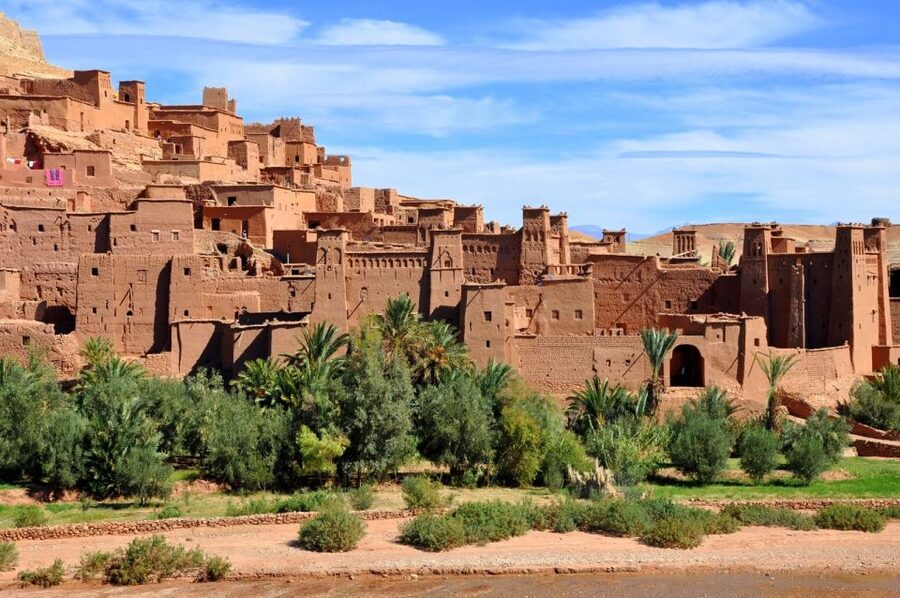
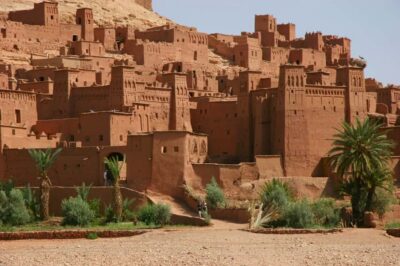
After the Atlas crossing, you head to Ait Benhaddou, one of the best-preserved fortified villages in southern Morocco. You get a guided visit, including access to the area on top of the hill that dominates the surroundings.
This is not just a pretty village stop. It’s a place built for caravan-trader life, historically tied to routes connecting Timbuktu to places in Europe via stops like Marrakech and Tangier. So even if you are not a medieval-history person, you can understand the layout once you see the fortified structure and the hilltop position.
A bonus that helps you connect the dots: the village has served as a setting for international movies like The Gladiators, Ali Baba, Ben Hur, and Lawrence of Arabia. You’ll likely recognize the general vibe once you’re looking at the stone walls and narrow lanes.
Practical note: hilltop viewpoints mean walking. Wear comfortable shoes and take your time. The goal is not speed, it is seeing the views cleanly without getting winded before the next transfer.
Ouarzazate and the Taourirt Kasbah stop: quick, but it adds context
Next up is Ouarzazate. You visit the Taourirt Kasbah, and you also get a short break near the entrance to see the cinema studios and old movie sets.
This is a good pairing with Ait Ben Haddou because it helps explain why southern Morocco keeps showing up on film locations. You see how these places are not just remote backdrops, they are usable sets shaped for visitors and production logistics.
You also have a lunch break during this stretch. Lunch is not included, so you’ll want to keep some money ready. Drinks are listed as not included too, so treat water as your priority purchase, not an afterthought.
Set these Marrakech options side by side
- Marrakech: Agafay Desert Sunset, Camel Ride, and Dinner Show
★ 4.6 · 35,119 reviews - From Marrakech: Ouzoud Waterfalls Guided Hike and Boat Trip
★ 4.7 · 33,630 reviews - Marrakech: Agafay Desert Quad & Camel Rides with Dinner Show
★ 4.8 · 27,382 reviews - Marrakech: Agafay Desert Quad Biking Tour with Dinner-Show
★ 4.8 · 16,569 reviews
The Draa Valley drive to Zagora: where the pace relaxes before the desert night
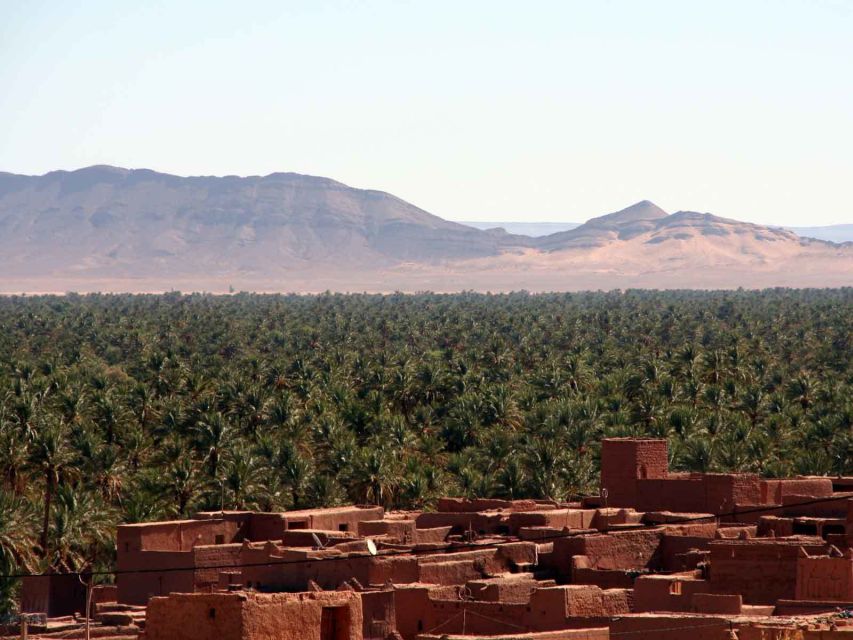
After Ouarzazate, you continue to Zagora via Agdez and through the Draa Valley. This is where the trip starts to feel like a long scenic approach, not a schedule sprint.
You’ll stop for views and breaks on the return drive as well, so think of the Draa Valley as your “breather corridor.” It’s also the route that sets you up for the desert experience later, because you see how the terrain changes and why this region supports life around the river valley.
As you near Zagora, your day shifts from road time to camel time. The camel experience starts about one kilometer from Zagora, so you are not just hopping off a bus and immediately mounting animals. There is a transition point, which keeps it smoother.
Nekhla dunes camp night: what your “private tent” setup is actually like
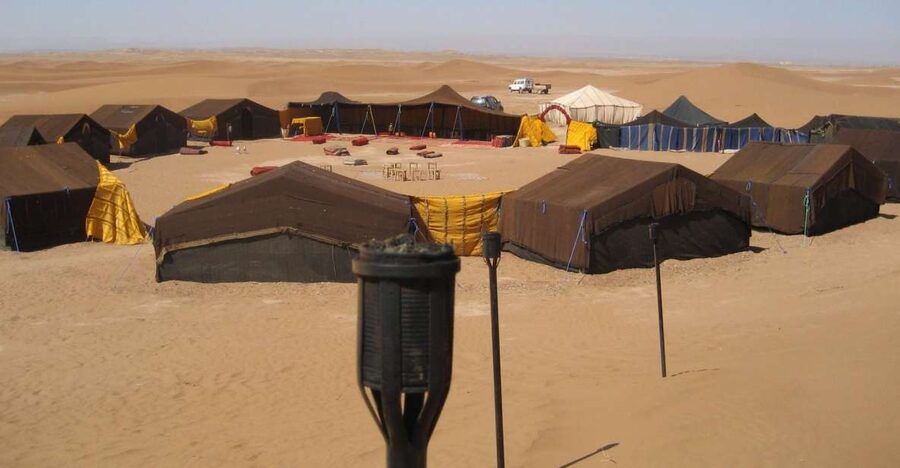
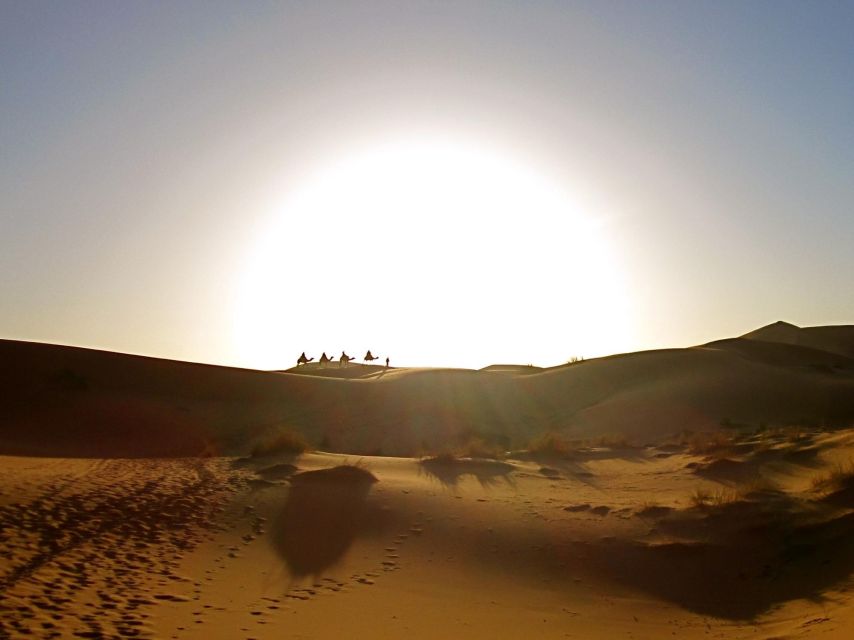
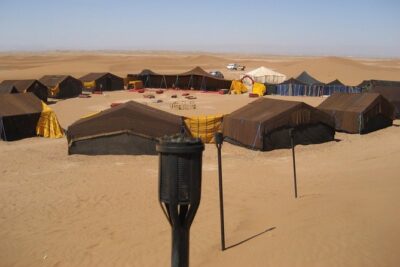
Your camel ride takes you toward the camp in the Nekhla dunes, with time to enjoy the sunset along the way. Once you arrive, dinner is served at the camp, and you spend the night in a tent.
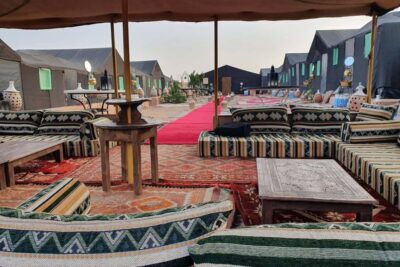
Here’s the practical part that I appreciate in the inclusion details: the camp lists hot showers and toilets outside your tent. That’s a lot better than the bare-minimum desert camp setups, where you are forced to choose between comfort and hygiene.
One more note on the tent level: a private tent is available for €5 per person. Your base booking includes a camp tent, but if privacy matters to you, ask and budget for that add-on. It is small enough that it feels like a reasonable upgrade, especially if you’re sharing space with travel fatigue.
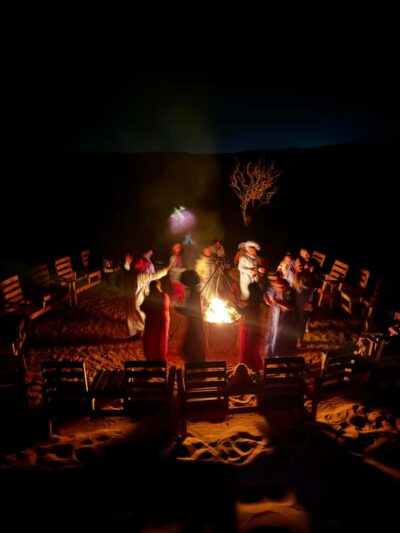
From the way the camp experience gets described, the night is usually very organized: you eat, you settle, you get your bearings, and then you enjoy the big quiet of the desert. If you are someone who likes stars, this is a night where the sky can feel like the main event, not the side dish.
Practical expectation: pack for comfort at night. The desert can feel cooler than you expect once the sun drops, so long pants and layers matter even if you arrive at sunset already feeling warm.
Camel rides at sunset and sunrise: fun, but bring the right mindset
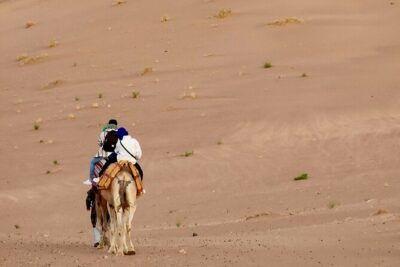
The tour includes a camel trek at sunset and at sunrise. That means you do not just get one golden-hour ride, you get the desert twice, once in warm light and once as the day wakes up.
The ride itself is short enough to be approachable, but it still requires comfort with uneven footing and the fact that a camel is not a bicycle. Wear long pants and shoes with grip. Sunscreen helps too, because your skin often forgets that you are outdoors for multiple hours.
For sunrise, you’ll wake up early, enjoy a spectacular sunrise, then have breakfast. You’ll also have the option of a camel trek back to meet your driver.
If you care about photos and video, bring a power bank. The combination of sunset, dunes, and wide sky makes it easy to burn battery fast, especially if you’re filming more than you expected.
And yes, bring cash. Not for camel rides themselves, but for small tipping moments. Some guides along the route can expect gratuities, and having money ready keeps you from awkward searches at inconvenient times.
Pacing, comfort, and the reality of “worth the drive”
This is a two-day trip where travel time is a real ingredient. You will spend a lot of hours in the vehicle, then concentrate your best moments into the desert and a few major stops.
The upsides are clear. You get a well-rounded route that links the mountains, a UNESCO-listed fortified village (Ait Ben Haddou), a regional hub (Ouarzazate), and then the desert night at the dunes. You also get enough breaks for bathrooms and quick resets, which keeps the long drive from feeling endless.
The possible downside is that some sightseeing is quick because the desert schedule is time-sensitive. When sunset is the anchor, you cannot slow down too much on the way there.
Also, desert comforts have limits. One common point that shows up is that water and small amenities can feel minimal. If you want to brush your teeth with a little water saved for the task, bring a small personal bottle just for your basics.
Price and value: is $110 fair for what you get?
At $110 per person, the value mostly comes from what is included. You get transportation in an air-conditioned minibus (max 17), hotel pick-up in Marrakech city center, a camel trek at sunset and sunrise, a night in a Berber Sahara desert camp tent with hot showers and toilets outside the tent, plus dinner and breakfast.
What’s not included is also important to budget. Lunches and drinks are not included, so you’ll spend extra during the drive days. If you choose the extra private tent option, that’s an additional €5 per person.
I think the best way to judge the price is this: you are buying the “messy parts” of a Sahara trip for you. Instead of arranging transport, sorting camel logistics, and finding a camp that does showers and toilets, you’re paying for that coordination. If you’re the type who likes smooth flow, this price starts to make sense fast.
If you are traveling very budget-first, the two un-included meals per day can add up. But even then, it’s usually cheaper than trying to stitch together a desert night from scratch with separate providers.
Who this Marrakech to Zagora trip fits best
This tour fits best if you want the Sahara experience without turning your days into logistics projects. You like guided stops, you enjoy seeing famous places like Ait Ben Haddou, and you want the camel rides to be a real scheduled moment, not a quick marketing stunt.
It also works well for couples or small groups who want a balance of structure and freedom. The max 17 passenger vehicle keeps it from feeling too big, and the camp setup seems geared for visitors who want comfort enough to enjoy the night.
If you hate early mornings and long hours in a car, you might find the schedule demanding. The sunrise wake-up is part of the charm, but you should go in with energy, not resentment.
Should you book this Marrakech to Zagora 2-day desert trip?
If your goal is two days of Morocco that actually transitions from mountains to dunes, and you want a camp night with showers plus camel rides at both sunset and sunrise, then yes, I’d book it.
Book it especially if you care about seeing Ait Ben Haddou with a guided hilltop visit and you want Ouarzazate context so the stops connect. And if you do book, come prepared for the practical stuff: wear solid shoes, bring sunscreen, pack a power bank, and carry some cash for tipping along the way.
On the other hand, skip it if you want a slow, minimalist trip with lots of downtime. This one is timed, driven, and built around getting you into the desert light at the right moment.
FAQ
What time does the tour pick me up in Marrakech?
Pick-up starts at 07:00 am and your driver should arrive around 07:20, but you should allow for a wait of up to 30 minutes because of early morning traffic.
Is lunch included during the trip?
No. Lunches are not included. You will have lunch breaks on the route, but you’ll need to pay for meals separately.
What is included with the Berber camp overnight?
Dinner and breakfast are included, and you stay in a Berber Sahara desert camp tent. The camp lists hot showers and toilets outside your tent.
Are camel rides included at sunset and sunrise?
Yes. Camel trek at sunset and camel trek at sunrise are included. There is also an option on the second day for a camel trek back to meet your driver.
How large is the group and what transportation do you use?
You travel by air-conditioned minibus with a maximum of 17 passengers. An English-speaking driver is included.
Can I get a private tent, and does it cost extra?
A private tent is available for €5 per person. The camp experience includes a tent, and the private-tent option is an add-on.
Just reviewed around Marrakech
- From Marrakech: Day trip to Ouzoud waterfalls and boat tour★ 5.0 · 73 reviews
- Private horseback ride in the Palmeraie of Marrakech★ 5.0 · 73 reviews
- Marrakech to Essaouira / Small group day tour To Essaouira★ 5.0 · 73 reviews
- 1 Day Guided Tour of World Heritage Kasbah Ait Ben Haddou from Marrakech★ 3.5 · 73 reviews
- Marrakech: Authentic Local Dinner with Transport★ 4.1 · 73 reviews
- Ourika Valley Day trip: Hike, waterfall, lunch and Relax★ 4.8 · 73 reviews
- Waterfalls, Three valleys, Atlas Montains, Camels & Desert★ 5.0 · 73 reviews
- Marrakech: Cycling Tour in Palm Groove with Local Breakfast★ 4.7 · 73 reviews
Zagora Desert Tours, compared.
Experience Luxury in Zagora: 2-Day Desert Adventure
Read our review →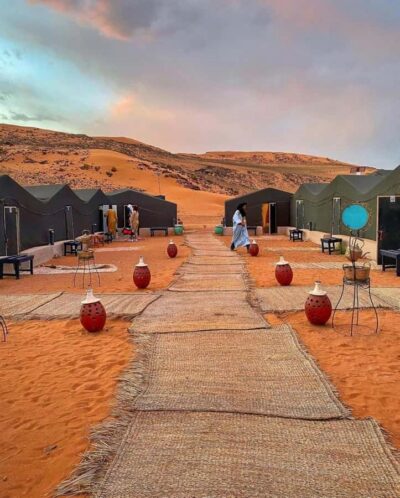
Zagora Desert: 2-Day 1-Night Desert Expedition to Remember
Read our review →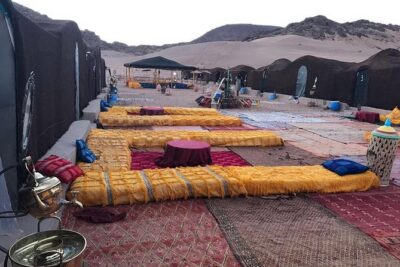
2-Day Zagora Tour from Marrakech Including the Atlas Mountains, Camel Trek and Desert Camp
Read our review →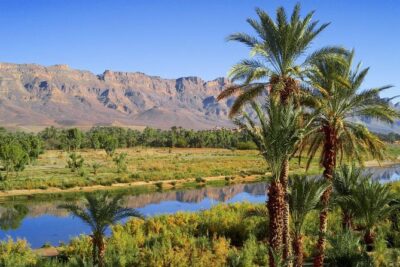
Desert Odyssey: A 2-Day Journey from Marrakech to Zagora
Read our review →Browse the lists this tour appears in