
Reviewed · AGADIR TOURS
Agadir: Unleash Your Adventure with Electric Bicycles!
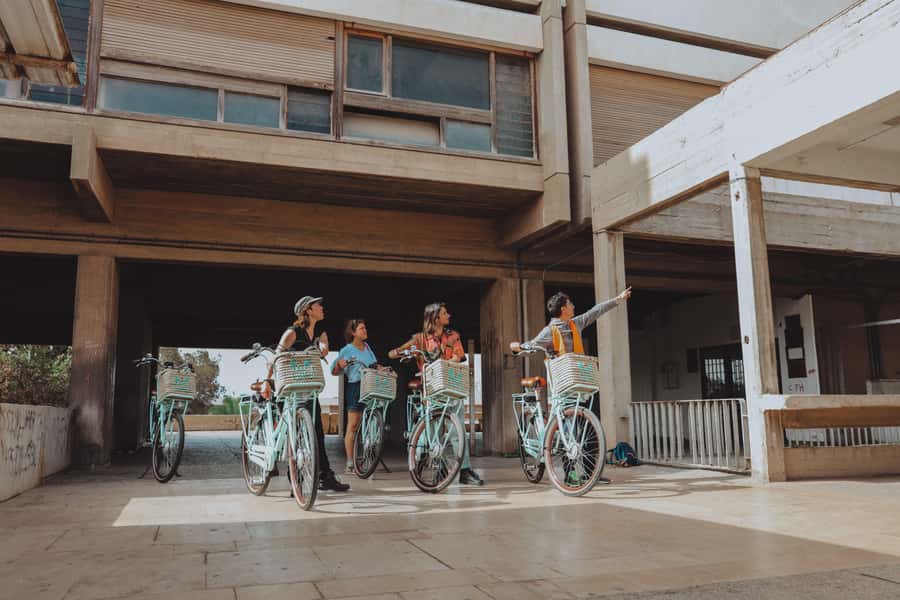
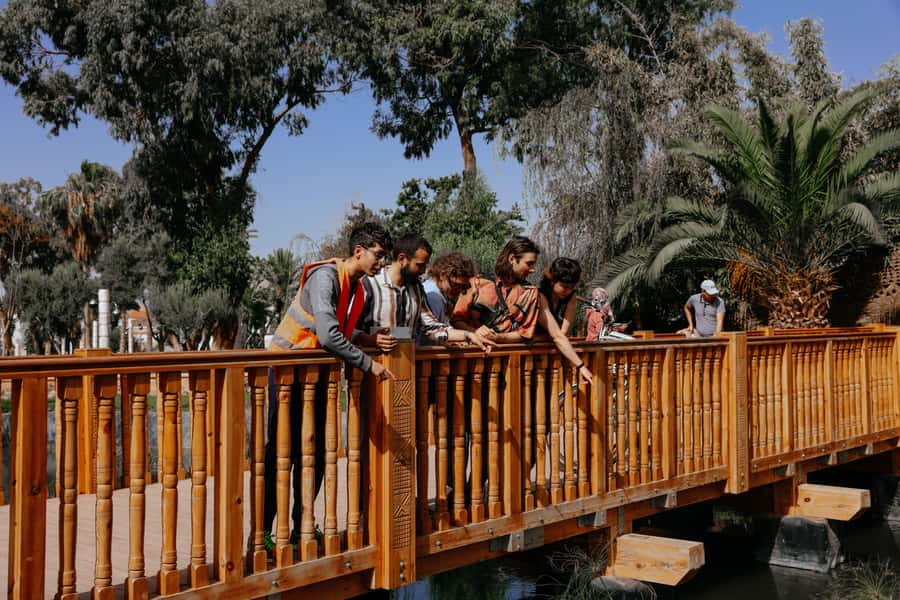
This electric bike tour in Agadir is interesting because it mixes real street life with social impact, led by young guides connected to Pikala. I like that you ride with a small group and get that hands-on feel fast, plus guides such as Dounia, Saad, and Ennis who take time to make sure you’re comfortable before traffic gets serious.
I also like the way the stops are built around everyday Morocco, not just photos. You get Moroccan tea and pastries at a cultural café, and you’ll visit key city landmarks like Mohamed V Mosque and Souk El Had, along with community-focused places such as a public bakery and a traditional hammam bathhouse.
One possible drawback: you will be cycling through actual city streets, and that can feel challenging at times if you’re not used to traffic. Also, some bikes are described as a bit dated, though the electric assist helps a lot.
Key Points Before You Go
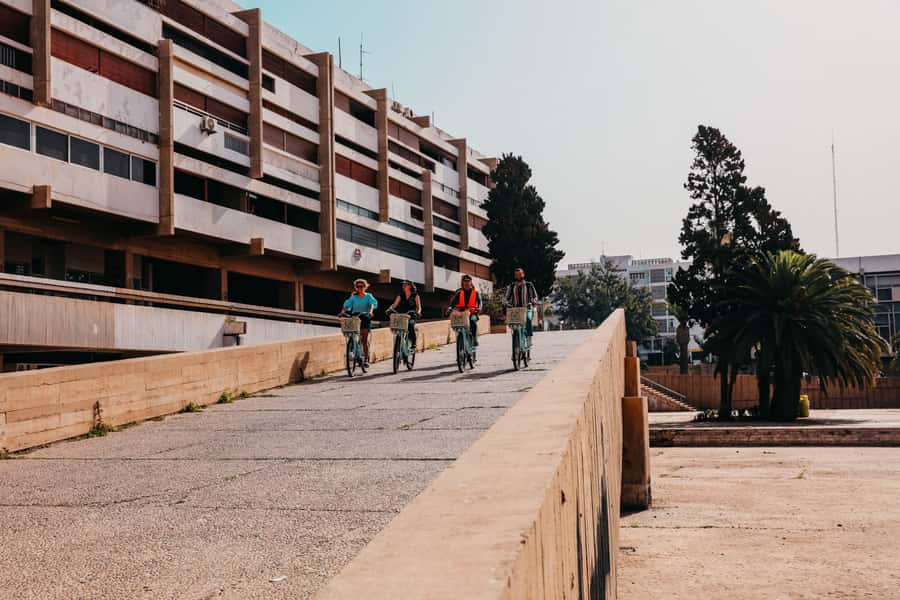
- Youth empowerment in action: You ride with youngster-trained guides linked to Pikala, and you support their work through the tour.
- Small-group pace: Limited to 4 participants, so you can ask questions and stop for photos without feeling rushed.
- City streets, not just sightseeing: You pass and stop at major sites like Mohamed V Mosque, the Main Post Office, Souk El Had, and a Royal Palace photo stop.
- Moroccan food breaks that matter: Water, fruits, juices, Moroccan pastries, and tea at cultural cafés are part of the experience, not an afterthought.
- Coexistence is part of the story: You’ll pass sites connected to different religious communities, including a synagogue and Saint Anne church.
- A conversation-led guide: Expect real talk about family life in Morocco, dealing with religion and modernization, and sometimes even a few Arabic words.
Why This Agadir Electric Bike Tour Feels More Personal Than Usual
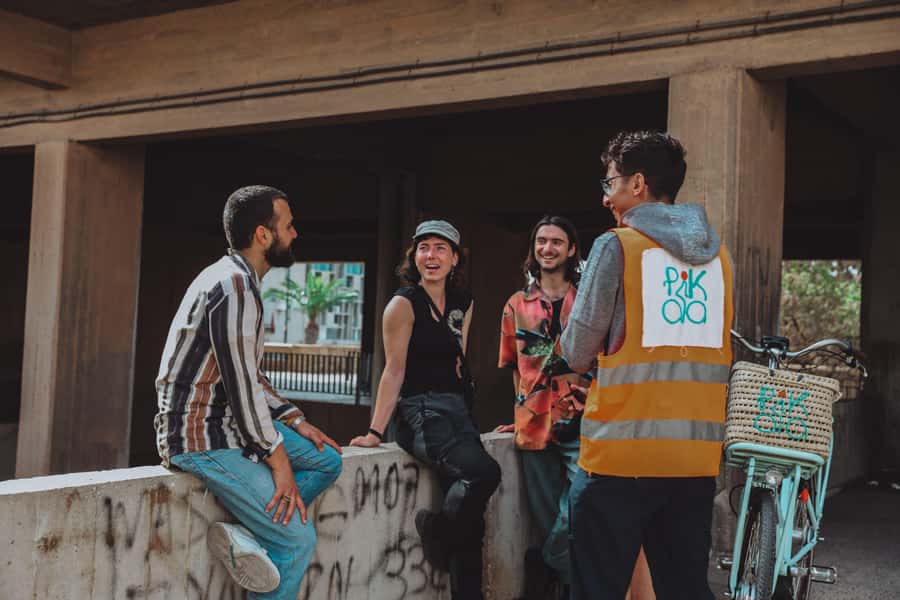
Agadir has plenty of classic “see it in a day” tours, but this one is shaped like a living introduction. You’re not just looking at buildings. You’re getting the human context, from young guides who grew up locally and explain what daily life feels like.
The Pikala angle matters. The tour is tied to youth empowerment, and you’re essentially supporting that mission while you’re on the move. For me, that shifts the whole tone. It’s not charity-as-an-activity. It’s a ride you do with local people, and the social purpose is woven into how the tour is run.
It also helps that the format is active. You’re on an electric bike for roughly three hours, so the day has energy. And because the group is small, you don’t spend the whole tour waiting for a big pack.
Set these Agadir options side by side
- Agadir or Taghazout: Paradise Valley Atlas Mountains Tour
★ 4.4 · 2,905 reviews - Agadir/Taghazout : Quad Bike Safari Desert
★ 4.8 · 1,496 reviews - From Marrakech: Full-Day Trip to Agadir
★ 4.7 · 1,314 reviews
Price and Value for $34 in a 3-Hour Small Group
At $34 per person for a 3-hour tour, the value is strongest if you plan to spend time in town anyway. This isn’t only “transport with a guide.” The price covers several practical extras that would add up fast if you paid separately.
Here’s what you’re getting for your money:
- Water and fruits
- Juices and Moroccan pastries at a cultural café
- Tea stops at a second café (quick tea at the end)
- Sunscreen provided
- Free entrance to the local stops
The one thing to factor in: no hotel pickup or drop-off. So you’ll want to be ready to make your own way to the meeting point in the tourist area of Agadir.
If you’re the type of visitor who likes a guided route with real stops and stops where you can sit for tea, this price makes sense. If you hate city traffic or you want a relaxed, scenic-only walk, you might prefer a different format.
Meeting Point Near Hôtel IGOUDAR, Plus How to Prepare
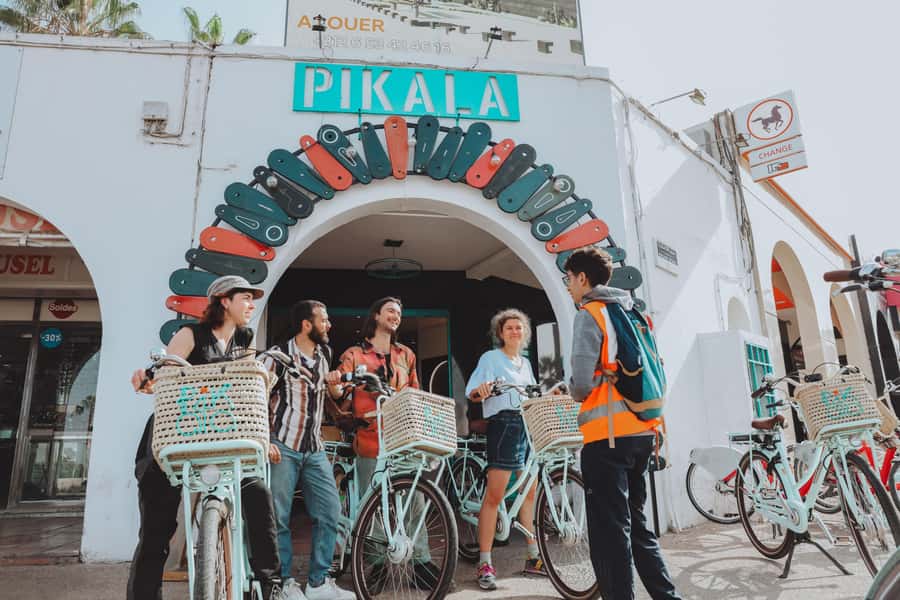
The tour starts at the Pikala atelier, located near hôtel IGOUDAR in the tourist area of Agadir, next to BANK POPULAIRE. Aim to arrive a little early so you can get fitted with your electric bike calmly.
Since you’ll be moving through city areas, come prepared with:
- Comfortable shoes
- Comfortable clothes
Even though you’ll get sunscreen, don’t assume you’ll be fully covered for sun, wind, or sudden heat changes. A light layer helps if the day cools slightly as you ride.
Group size is limited to 4 participants, which is excellent. It means the guide can correct bike habits, adjust pacing, and keep you from feeling lost.
Mohamed V Mosque and the Main Post Office: A Clean Start With Context
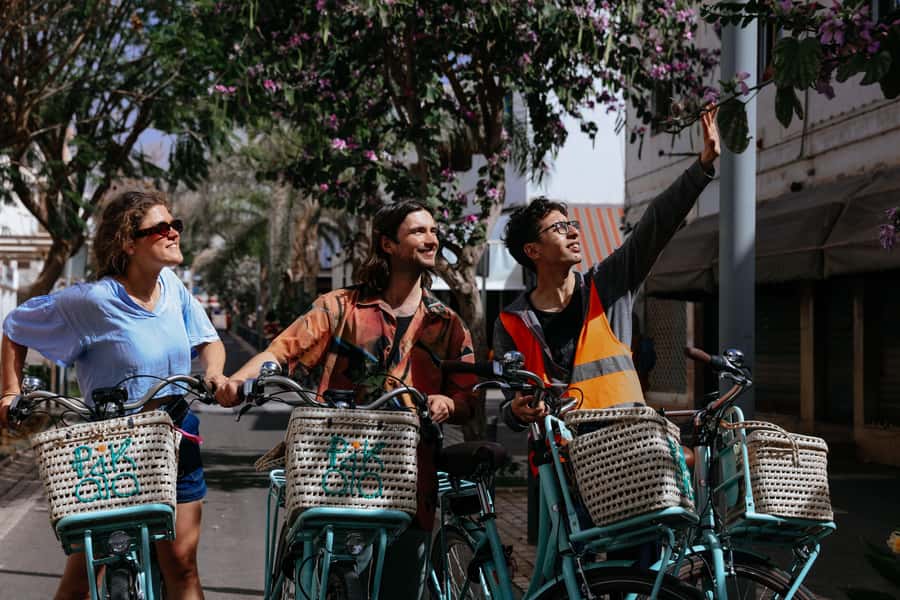
The tour kicks off with a short arrival and orientation at Pikala Agadir. Then you head to Mohamed V Mosque for about 10 minutes. This is a quick stop, but it’s a useful one. Early on, you get a sense of the city’s “north star” landmarks, which helps you understand what you’ll be seeing later.
Next up, the Main Post Office gets another 10-minute look. Stops like this might not be Instagram-stop style, but they matter because they show how Morocco’s modern civic life takes shape. You’ll also hear how different institutions fit into daily routines, which makes the later neighborhood stops easier to read.
Practical tip: keep your phone ready, but also listen. The explanations are part of what makes this feel like a real introduction rather than a ride-by.
If the Agadir plan still has a gap:
- Agadir/Taghazout: Quad Bike and Sandboarding Tour
★ 4.7 · 1,286 reviews - Agadir: Crocoparc Skip-the-Line Entry Ticket
★ 4.8 · 1,268 reviews - From Taghazout or Agadir: Marrakech Guided Day Trip
★ 4.3 · 1,096 reviews - From Agadir or Taghazout: Quad Biking Safari Desert Trip
★ 4.5 · 1,046 reviews
Passing Religious Landmarks That Show Agadir’s Coexistence
A big part of this experience is the story of coexistence in Agadir. You’ll see and pass sites tied to different religious communities, including:
- A synagogue (sightseeing and pass by)
- Saint Anne church (photo stop, sightseeing and pass by)
You’ll also have short sightseeing moments around places like Cinema Salam and the Royal Palace (more on the palace shortly).
Why this matters: it’s not just a “look at a church” stop. The guide talks about how people live, how religion shows up in everyday life, and how communities interact as the city modernizes. You might even pick up a few Arabic words, depending on the guide.
If you like learning by contrast, this is one of the more meaningful sections of the ride. You’ll feel how the city is layered, not split into separate tourist zones.
The Route Through Daily Institutions: Civil Protection and Industrial Quartier
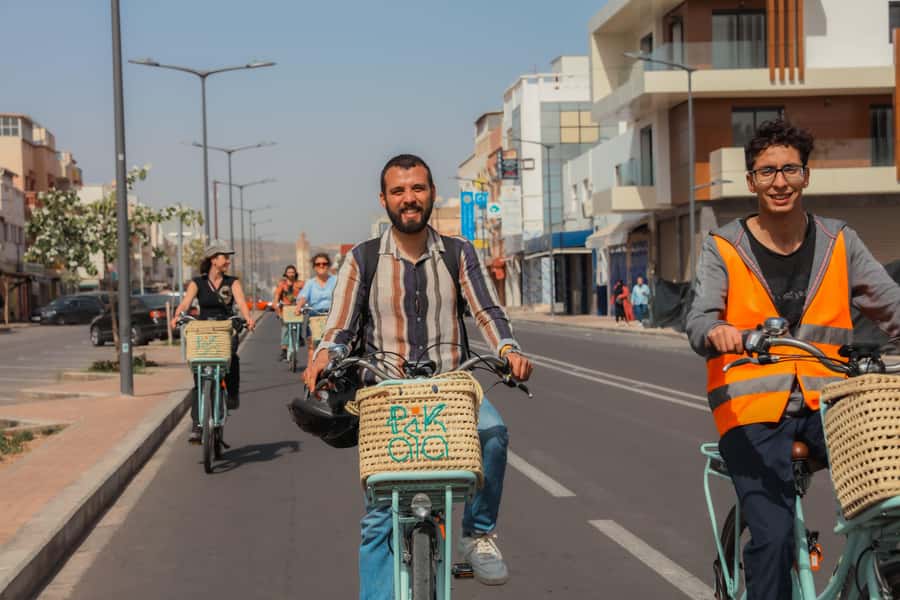
You’ll have a break time and photo stop around Civil Protection, with about 20 minutes there. This is a “slow down and reset” moment. It’s also where the guide can shift from landmarks to the lived angle, talking about what you’re seeing and what matters to locals day-to-day.
You’ll also pass through Quartier Industriel. That isn’t the kind of place most half-day tours include, and that’s exactly why it works. Industrial areas help you understand what keeps a city running, even when you’re mostly seeing storefronts and public spaces.
Drawback to note: industrial and administrative zones can be a little less visually dramatic. The value comes from the explanations and the sense of scale, not from beauty alone.
Souk El Had and the Market Energy Where Life Happens
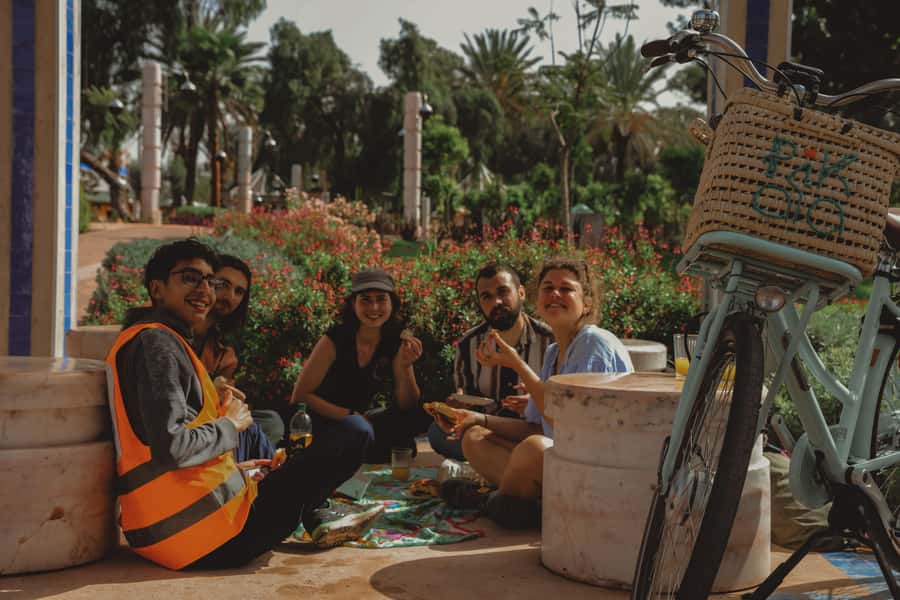
Souk El Had is one of the highlights, with a guided visit and walk for about 20 minutes. This is where the tour becomes more than a route.
The souk is also tied into the food and fruit side of the trip. Fresh fruits are part of what you can pick up during the market moments, so you’ll have something to snack on while you keep moving.
What I like about doing the market portion on an electric bike, instead of only walking: you get a good feel for the area without spending your whole afternoon zigzagging for the next turn. You can still stop, look around, and ask questions, but you don’t feel stuck.
From the experience, you can also expect local drink stops tied to cafés. One guide-led detail worth noting is a refreshment mentioned in participant feedback, a sugar cane, ginger, and lemon drink that feels like instant relief in the heat.
Public Bakery and Traditional Hammam Stops That Add Real Morocco
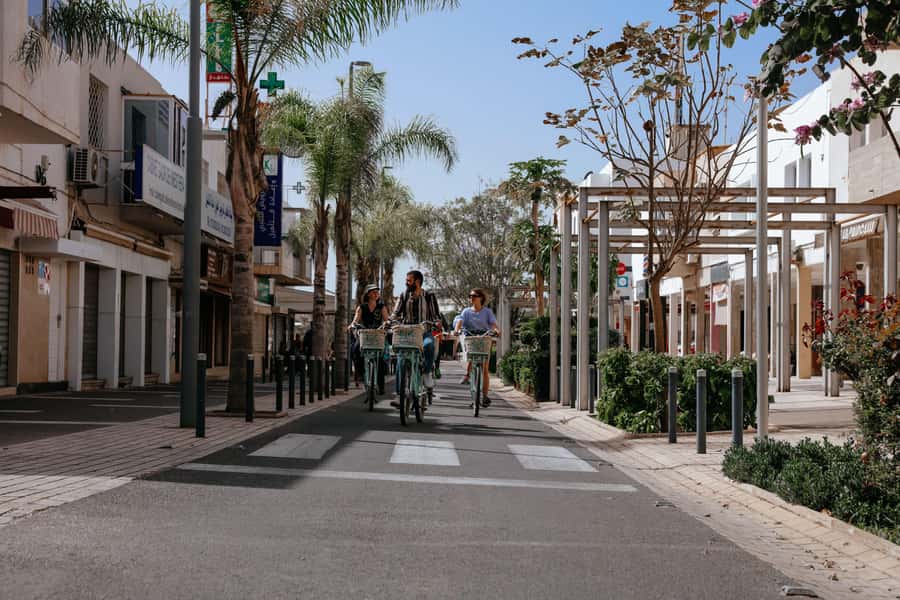
This tour doesn’t only show you streets and buildings. You’ll also visit a public bakery and a traditional hammam bathhouse as part of the experience.
These stops change the vibe because they connect to daily rhythms. A public bakery is about routine, community, and food culture. A hammam is about hygiene, tradition, and social life, even if you don’t fully understand the custom until someone explains it clearly.
If you’re looking for a tour that gives you something you can talk about later, this is where it happens. It’s also where the guide’s personality really shows. Some tours stay factual. This one is designed for conversation.
The Royal Palace Photo Stop: Quick, But With Meaning
You’ll end the main sightseeing stretch with a Royal Palace photo stop, about a quick pass by with time to capture the moment.
This stop works best if you treat it as a capstone, not a final destination. You’ll have already seen a mosque, a civic building, multiple community-linked sites, and you’ve spent time in commercial areas. So the palace moment helps tie together how Agadir balances identity, governance, and public space.
Don’t expect a long, inside-the-gates visit here. The goal is visual orientation and context, then you ride back to Pikala.
Café Stops, Moroccan Tea, and Why the Food Break Is Part of the Point
This tour is built around café time in a practical way. You’ll have included:
- Juices and Moroccan pastries at a cultural café
- A quick tea stop at a second café at the end of the tour
- Water and fruits through the ride
In other words, the breaks aren’t random. They support the storytelling. When you sit down, you can ask follow-up questions about family life, religion and modernization, and how people deal with change without losing identity.
Multiple guides have been praised for patience and conversational style, including Dounia, Saad, and Malika. That matters because Moroccan tea culture is a whole experience. If your guide is warm and relaxed, tea turns into a real conversation, not a scripted stop.
Practical tip: use these café moments to slow down. Electric bikes are easy, but three hours of riding still takes focus.
Riding the Electric Bikes Through Traffic: Pace, Practice, and Comfort
Electric bikes make this doable for a wider range of visitors, but they don’t remove the need for bike confidence. The best guides, and the ones repeatedly mentioned, help you get comfortable before things get busier.
In participant feedback, guides are described as patient with first-time riders, taking time to let you practice and adjust. That’s a big deal if you’re not used to staying steady while the city moves around you.
One consideration: cycling through Agadir traffic can be challenging at times. So go in ready to ride defensively. Keep your attention up, don’t drift, and follow the guide’s lead.
Also, a small number of people note the bikes can be a bit dated. That’s not a dealbreaker because the electric assist helps, but it’s worth keeping expectations realistic. You’re there for the experience and the local context, not a high-end bike showroom.
Not for everyone
This tour is not suitable for:
- Pregnant women
- People with back problems
If your back needs gentle walking only, skip this one and choose a less physical alternative.
Who This Tour Is Best For (And Who Should Skip It)
This is a strong fit if you want:
- A first-time introduction to Agadir beyond the obvious postcard spots
- A cultural ride built around conversation
- Small-group attention, with time for photos and questions
- A mix of landmarks and daily-life stops, including markets, bakery, and hammam
- A sustainable angle tied to youth empowerment
You might skip it if:
- City traffic makes you anxious
- You’re looking only for a slow, scenic outing
- You can’t ride comfortably due to the tour’s physical demands
If you’re undecided, think about your travel style. If you like learning by doing, you’ll probably enjoy this ride.
Should You Book Pikala’s Agadir Electric Bike Tour?
I think you should book if you value real local interaction and you want your time in Agadir to feel personal, not generic. The small group size, the youth-guided format, and the combination of markets plus café tea culture make it a good use of a half-day.
It’s also a good choice for people who want something active but not extreme. Three hours is long enough to feel like you saw the city, short enough to still have energy afterward.
Skip it only if traffic stress is a dealbreaker for you, or if you fall into the not-suitable categories. Otherwise, plan to show up with comfortable shoes, a calm bike mindset, and curiosity. This tour rewards that attitude.
FAQ
How long is the electric bike tour in Agadir?
The tour lasts 3 hours.
Where do I meet the guide and start the tour?
You meet at Pikala Agadir, near hôtel IGOUDAR in Agadir’s touristic area, next to BANK POPULAIRE.
Is hotel pickup or drop-off included?
No. Hotel pickup and drop-off are not included.
What languages are available for the live tour guide?
The guide is available in English, French, and Arabic.
How big is the group?
The group is limited to 4 participants.
What’s included in the tour price?
You’ll get water and fruits, juices and Moroccan pastries at a cultural café, a quick tea stop at a second café, sunscreen, and free entrance to the local stops.
Just reviewed around Agadir
- Paradise Valley & Atlas Mountains Adventure with optional LUNCH★ 4.5 · 80 reviews
- Horse Riding Agadir★ 4.0 · 81 reviews
- Full Day Tour to Desert Trip in Agadir with Lunch★ 5.0 · 83 reviews
- From Taghazout/Agadir: Taroudant and Tiout Day Trip & Tajine★ 4.2 · 87 reviews
- Jeep safari 4×4 mini sahara desert with Berber Lunch★ 5.0 · 89 reviews
- Agadir airport transfer to or from agadir city★ 3.5 · 92 reviews
- Agadir Buggy Safari Adventure★ 5.0 · 93 reviews
- Camel ride in agadir at sunset with barbecue and couscous★ 5.0 · 94 reviews
Agadir Tours, compared.





Browse the lists this tour appears in