
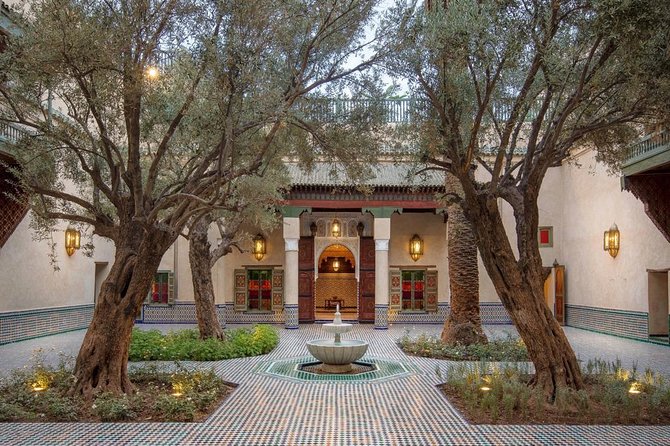
Reviewed · HISTORICAL TOURS
Discovery of Moroccan Culinary Heritage, History and Secrets
This experience is interesting because you get Moroccan food culture in two layers, a hands-on kitchen class and a real culinary museum stop, both in the same beautiful riad setting. Expect bread making, spice work, and then the dishes you cook ending up on your plate with Moroccan tea.
I like the bread-making focus because bread in Morocco is not just a side, it teaches you how Moroccan kitchens think. I also like that the class is taught by a traditional cook, a Dada, so you learn practical technique, not just stories.
One possible drawback: the whole thing is short, about 2 hours, so it moves fast. Also, while the tour offers French or English interpretation, I suggest confirming language and drink details when you book, since service specifics can vary.
Quick hits before you go
- Riad kitchen setup on the second floor with 34 cooking stations, made for teaching
- Bread oven + herbalist visit so you see spices where they come from
- Cooking class with a traditional Dada focused on dosing spices and getting bread and dishes right
- Moroccan tea ceremony that fits naturally into the food rhythm
- Terrace tasting with optional Moroccan wine for an extra layer of flavor
Entering the Moroccan Culinary Arts Museum and Why the Setting Matters
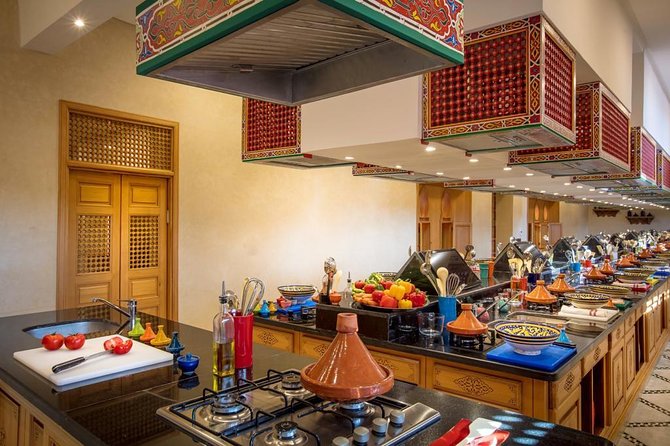
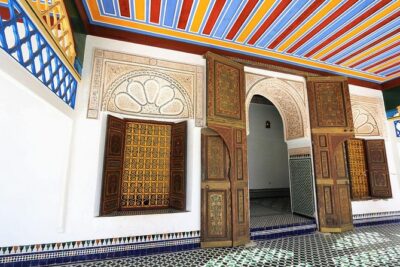
Marrakech has plenty of places that sell food experiences, but this one starts with the right kind of quiet. The Moroccan Culinary Arts Museum is housed in a restored riad, and the atmosphere feels more like walking into someone’s careful home than a loud factory tour.
I especially like that you are not just watching cooking from the sidewalk. The museum leads you into the kitchen part with a sense of order. You get explanations for the basics, so when you later handle dough or measure spices, it makes sense right away.
The location also helps. The museum sits near the Bahia Palace area, so you can pair it with other sights without feeling like you are crossing the whole city. If you like food culture, this proximity matters because you can plan a day that stays relaxed, not frantic.
The 2nd-Floor Kitchen Class: 34 Stations and a Real Teaching Pace
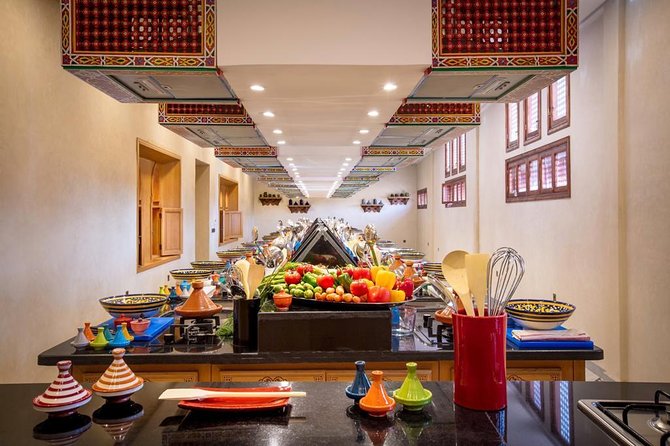
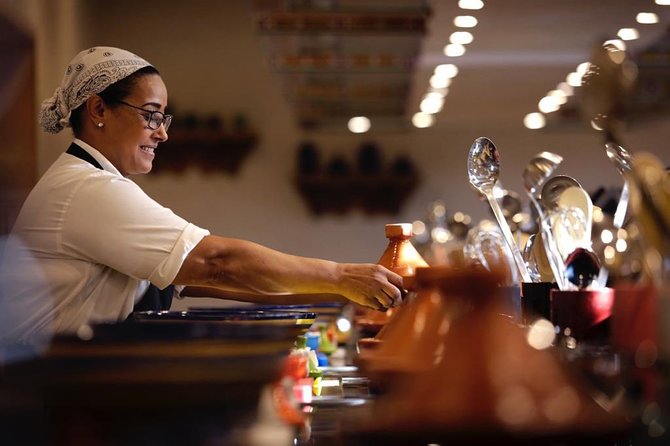
The activity begins with a reception and an introduction to how the class will work. Then you move into a teaching space that is built for group cooking, with a reception area, a Moroccan living room vibe, and 34 kitchen stations.
That number is not random. It signals that they expect you to actually participate. You are not standing around waiting for your turn. You also get support from the staff while the Dada teaches the technique, which makes a big difference if you are not confident in the kitchen.
One more practical note: the class is designed for mixed groups, and the tour includes French or English interpretation. That said, I would plan to be flexible. Cooking is mostly hands-on, so even with interpretation, you may still pick up key steps through body language and what the Dada demonstrates.
Bread Making and the Bread Oven Stop You Will Remember
Moroccan bread is one of those things you eat every day, then forget to appreciate until someone explains the logic behind it. Here, bread is the warm-up lesson that sets the tone.
You get a demonstration of Moroccan bread making, then you visit the bread oven. That oven stop matters because you see how heat and timing shape the final result. Bread is not just about ingredients, it is about controlling the cooking environment.
The benefit for you is simple: once you see the oven context, you will understand why Moroccan bread tastes different from bread in most other places. It also helps you later during the tasting, because you can identify what makes the texture right and why it pairs well with other dishes.
If you are a foodie who has wondered why one piece of bread seems to work better for scooping stew, this is the kind of lesson that answers that question without sounding like a lecture.
Spices Close to Source: The Herbalist Visit and Dosing Secrets
One of the most practical parts of the whole experience is how it treats spices. Instead of treating spices as a mysterious sprinkle, you learn the idea of dosing and why the timing and amount affect flavor.
You visit a herbalist in the district where spices come from. This stop gives you context for what you are later cooking with. Even if you only see a small slice of a spice market style, it connects the dots between ingredients in a shop and ingredients in a kitchen.
The Dada’s focus on spice dosing is a big deal. Moroccan cooking relies on balance. If you overdo one spice, the whole dish shifts. If you underdo it, the flavor feels flat. Learning that balance in a guided setting is worth a lot more than simply collecting recipes.
I also like that this part supports the broader idea of Moroccan cuisine as regional. The tour frames herbs and spices from different parts of Morocco, so you start to recognize that spice mixes are not just random. They reflect local tastes and kitchen traditions.
Cooking With a Dada: Tajines, Couscous, and the Hands-On Part
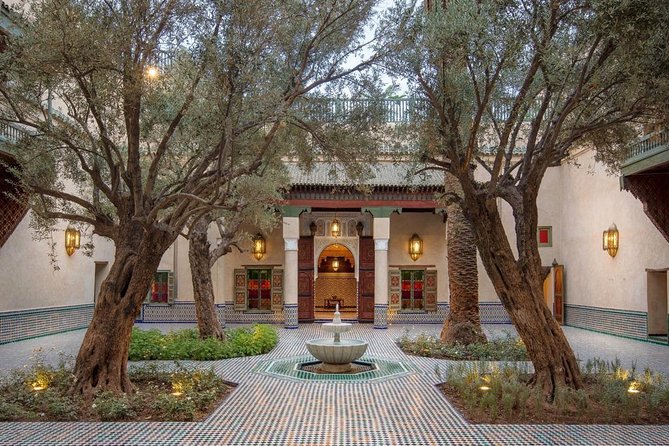
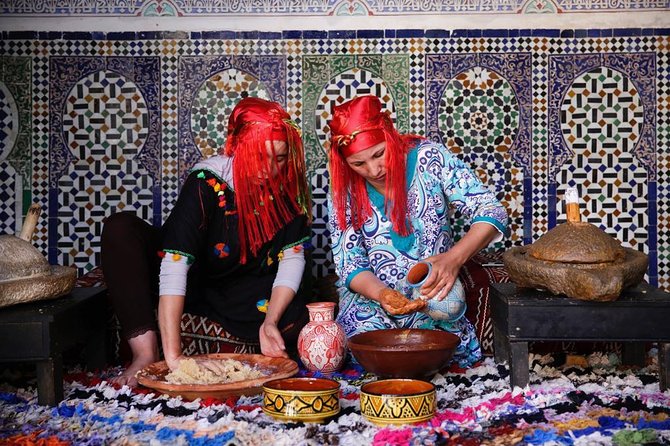
Now you get to the fun part, cooking. The class is taught by the Dada, and the theme is traditional Moroccan technique, including how to prepare dishes like tajines and couscous.
In a short format like this, you should expect fundamentals more than a full culinary apprenticeship. You will likely learn key steps you can repeat later, things like how to handle ingredients with intention, how to time cooking processes, and how to build flavor.
The real value is that you are not just making one dish and calling it done. You cook the dishes you will then enjoy during the meal portion. That creates a strong feedback loop. When you taste your food, you understand what each step did.
One more reason this works: the kitchen setup is designed for teaching. With the stations and staff support, it is easier to keep moving and get help when you need it. If you have ever tried cooking in a kitchen class and felt left behind, this layout is exactly what you want.
Tea Ceremony, Terrace Tasting, and Optional Moroccan Wine
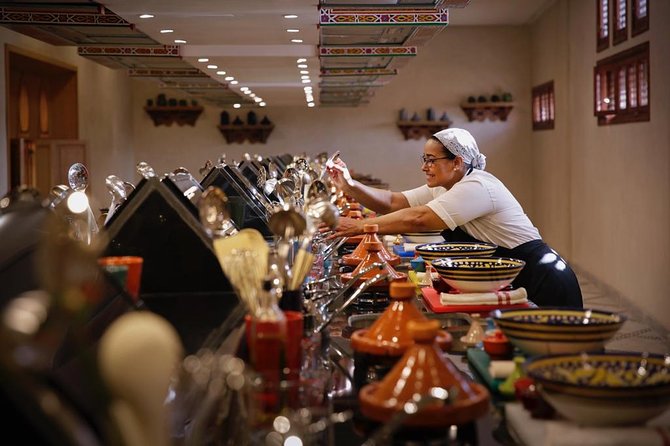
After the cooking, the experience shifts from action to savoring. You have a Moroccan tea ceremony, which is not just a drink moment. Tea in Morocco is a pause, a reset, and a way to slow the evening down after work at the stove.
Then the dishes you cooked come out on the terrace. Eating outside like this helps you taste more clearly because the whole atmosphere feels like part of the meal, not an interruption.
There is also a wine component. You get wines from Morocco to accompany the dishes, but alcoholic beverages are not included. An optional wine tasting may be offered, so if you want wine, confirm what is included versus what is extra when you book.
Even if you do not do the optional alcohol, the meal still works. The star here is the food you prepared, plus the tea ritual that frames the flavors.
Price, Time, and What You Get for $69.79
At $69.79 per person for about 2 hours, the value comes from what is included. You get bottled water, lunch, and coffee and/or tea. That combination matters because it lowers the extra costs you might otherwise pay after a cooking class.
You also get multiple parts that often cost separately in Marrakech: the museum visit, bread making, the oven visit, the herbalist stop, the cooking class, tea ceremony, and then a meal. In a city where “food tours” can sometimes be heavy on walking and light on cooking, this one is more hands-on.
Group size is capped at a maximum of 34 travelers. That is big enough to have energy, but small enough that you are not lost. A capped group also usually means better organization, and the class format here seems built around that.
Just be realistic about timing. With everything packed into a short session, you will not come out with every technique in your pocket. Instead, you come out with a few key skills and a sharper sense of why Moroccan food tastes the way it does.
This is a strong fit for you if you:
- love food culture and want technique, not just tasting
- want a class that includes bread and spice logic
- prefer a structured, guided experience that keeps moving
It may be less ideal if you want a slow, multi-hour deep cooking workshop where you can linger at each station for a long time.
Should You Book This Marrakech Cooking Class and Museum Visit?
I think you should book it if your main goal is to learn Moroccan cooking basics in a setting that feels respectful and well organized. The combination of a culinary museum with bread, spices, and a Dada-led cooking session is a smart way to see how Moroccan cuisine works beyond the menu.
Before you go, do two practical things. First, confirm the language you prefer, since interpretation is offered but some experiences can vary day to day. Second, if wine matters to you, ask what is included versus what is optional, so your meal plan stays smooth.
If you want a flavorful, structured evening that teaches you real technique and ends with food you made, this is one of the better bets around the Bahia Palace area.
FAQ
How long is the Moroccan Culinary Arts Museum cooking experience?
It runs for about 2 hours (approx.).
Where does the experience start, and where does it end?
It starts at Moroccan Culinary Arts Museum, Rue Riad Zitoun el Jdid, Marrakesh 40000, Morocco. It ends back at the meeting point.
What’s included in the price?
The package includes bottled water, lunch, and coffee and/or tea.
Are alcoholic drinks included?
Alcoholic beverages are not included. Wines from Morocco may be offered with the tasting as an optional add-on.
What does the class include besides cooking?
You get a bread-making demonstration, a visit to the bread oven, a visit to a herbalist where spices come from, and a Moroccan tea ceremony.
How large is the group?
The activity has a maximum of 34 travelers.
What is the cancellation policy?
You can cancel for a full refund if you do it up to 24 hours in advance. If you cancel less than 24 hours before the start time, the amount paid is not refunded.
More Historical Tours in Atlantic Coast
- Marrakech Historical and Cultural Tour – Half Day City Tour
★ 4.5 · 1,180 reviews - Fez: Guided Walking Tour of the Historic Medina
★ 5.0 · 359 reviews - Historical Marrakech Walking Tour
★ 5.0 · 198 reviews - Full-day Historical Meknes Volubilis and Moulay Idriss Tour
★ 4.5 · 196 reviews
Historical Tours, compared.
Marrakech Historical and Cultural Tour – Half Day City Tour
Read our review →
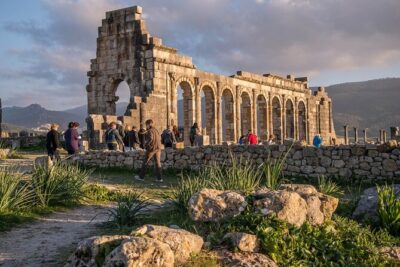
Full-day Historical Meknes Volubilis and Moulay Idriss Tour
Read our review →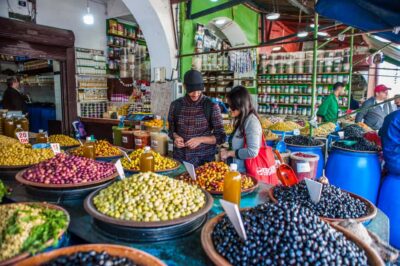
Casablanca Cultural Tour: Medina, Views & Local Delights
Read our review →
Casablanca to Fez: Scenic & Historical Day Trip with Lunch
Read our review →
A Guided Walking Tour Through the Historic Medina
Read our review →
Half Day Guided Tour in Marrakech History & Culture
Read our review →Browse the lists this tour appears in