
Reviewed · 2-DAY EXPERIENCES
From Fes: 2-Day Desert Tour with Return to Fes or Marrakech
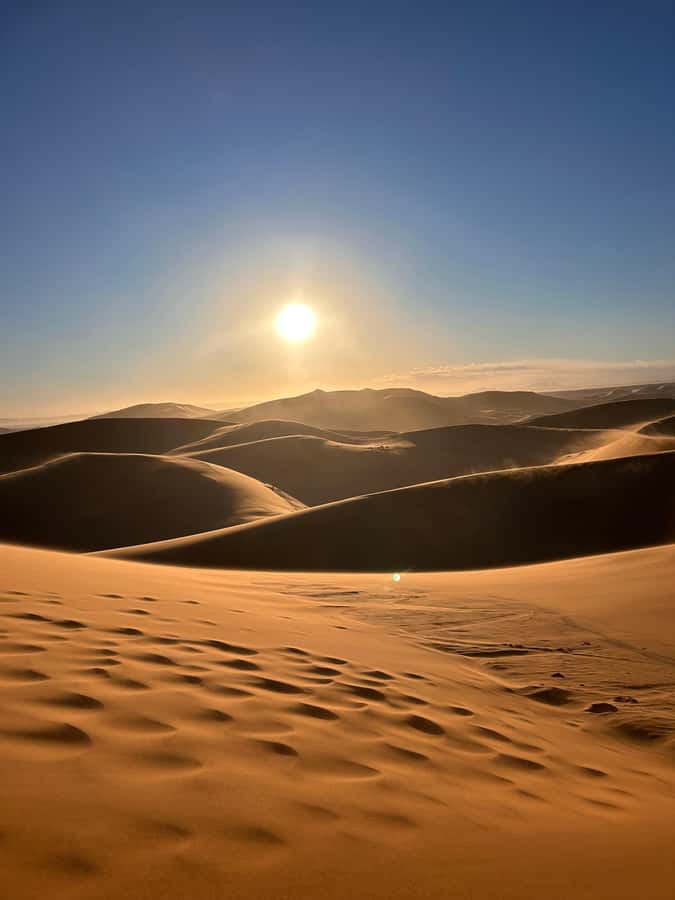
The draw here is simple: you get big Sahara moments without needing extra time. Expect Erg Chebbi dunes for sunset and an early desert sunrise wake-up, plus a night in a Berber-style camp far from city lights. It’s the kind of trip where the scenery changes every few hours, from mountains to oasis palms to rolling sand.
I especially like the Azrou cedar forest stop and how it turns into a memorable wildlife moment with resident Barbary macaques. I also like that the camp evening is built around real Moroccan rhythms, with dinner followed by music around the fire, not just a checklist photo stop.
The main drawback is the long driving days. Even with air conditioning in the vehicle, you will feel the hours in your bones, and nights can turn seriously cold in winter, so packing matters.
Key things I’d bet on from this Fes to Sahara 2-day tour
- A smooth southbound route with real Morocco stops: Ifrane, Azrou cedar forest, Midelt, and the Ziz Valley
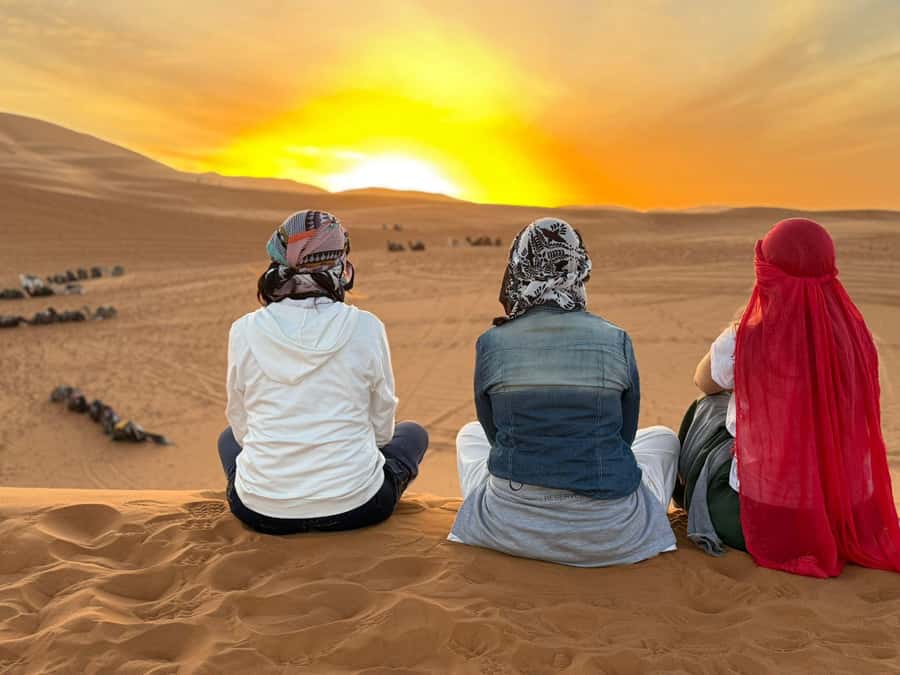
- Erg Chebbi at the right times: sunset camel ride into camp, then a sunrise walk
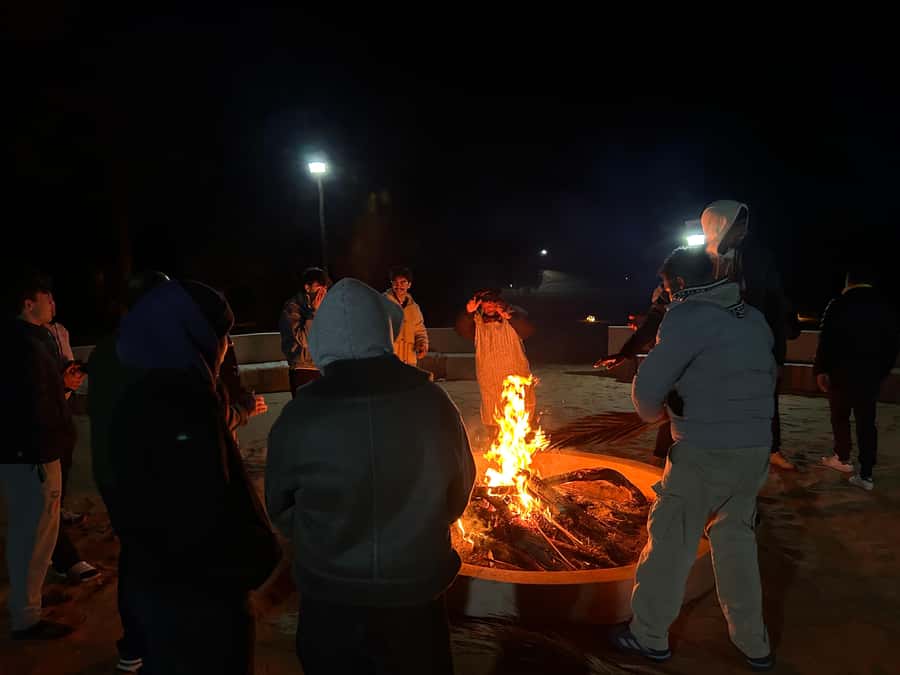
- A true desert night in a Berber tent: dinner, stargazing, and campfire music
- Small-group comfort on the road: 4WD or minibus with A/C and a professional driver
- Practical reality checks: limited cell service, water and drinks not included, and cold nights possible
Leaving Fes early: what that 7:45 AM start gets you
This tour is built around an early departure, typically 7:45 AM from your Fes hotel or a nearby meeting point. You feel that in a good way. By the time the sun is higher, you’re already heading south, and you avoid wasting your day doing nothing but transit.
The route starts by dropping into the Middle Atlas Mountains, so the vibe shifts fast from urban Fes energy to open roads and mountain air. You also get more time for the stops that matter, like Ifrane and Azrou. In other words, the early start is not just for convenience. It helps the tour feel like a journey, not a rushed transfer.
One more thing I like: the day is scheduled so you’re not sleeping on the move. You reach Merzouga in the afternoon, then you transition from car to dunes, camel, camp, and evening entertainment.
Set these Fez options side by side
- Chefchaouen Day Trip from Fez (Shared Group Tour)
★ 4.6 · 2,394 reviews - Fes: Volubilis Roman Ruins, Mouly Idriss, & Meknes Day Trip
★ 4.6 · 2,375 reviews - Fez Medina Guided Tour
★ 4.6 · 2,079 reviews
Ifrane and Azrou cedar forest: the quick stops that feel surprisingly real
First big stop after leaving Fes is Ifrane, often called the Switzerland of Morocco for its clean streets, alpine-style look, and generally pleasant weather. You’ll get some free time to walk, take photos, and stretch your legs. There’s also that iconic stone lion statue that shows up on most visitor photo rounds.
Next comes the Azrou cedar forest, home to Barbary macaques. This stop is popular because it’s not staged, it’s just genuinely part of the area. The monkeys can be bold, and that’s exactly why you should be cautious. Keep a respectful distance, watch your belongings, and avoid sudden movements.
Why I like this sequence: it breaks up the long drive into Morocco-feeling moments. You’re not only staring at the windshield for hours. You’re stepping into different micro-worlds, first a mountain town, then a forest ecosystem.
Midelt and the Ziz Valley: where the tour quietly becomes scenic
From Azrou, you continue through the Atlas region toward Midelt, with a lunch stop that is optional since lunches are not included. The practical win here is that it gives you a real sit-down pause between mountain roads and the more desert-adjacent parts of the trip.
Midelt sits between the Middle and High Atlas ranges, so you get the sense of Morocco’s geographic “gear shift.” Then you head to the Ziz Valley area, often described with date palm groves and fortified village pockets along the river.
This part of the day is not about one dramatic photo. It’s about feeling how Morocco changes across the route. The valley gives you a softer, more human scale after the rocky Atlas stretches. It’s also a nice mental bridge between the greenery you’re leaving behind and the sand you’re about to enter.
Arriving near Merzouga: what Erg Chebbi feels like before the camel
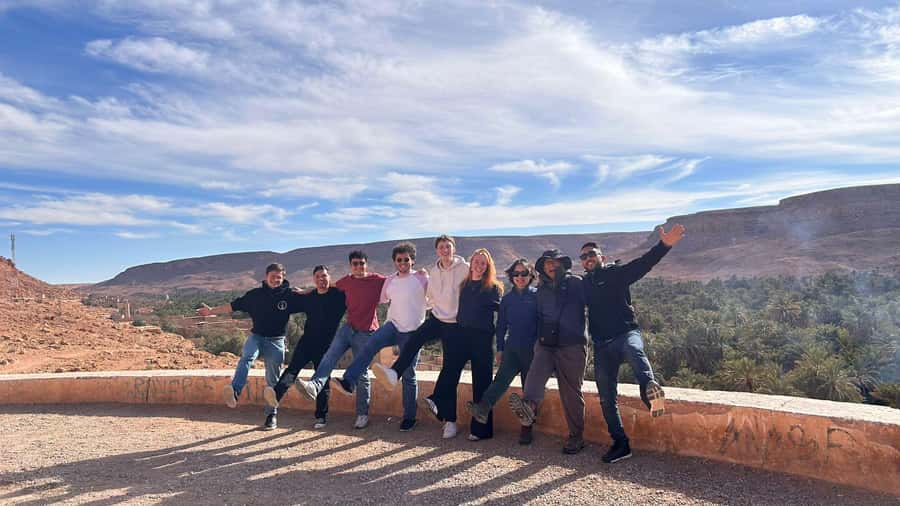
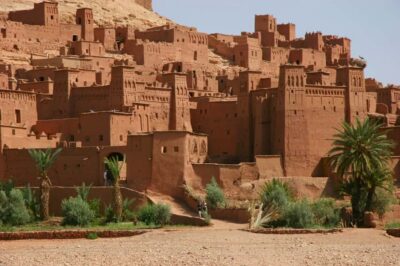
By late afternoon, you reach Merzouga, on the edge of the Erg Chebbi dunes. Depending on timing, you might stop at a local kasbah before the camel trek. Even when that segment is brief, it adds context to why people live at the edge of the desert instead of treating it like an empty backdrop.
The camp area is where the world quiets down. One moment you’re thinking about roads and time slots, and the next you’re dealing with sand texture underfoot and golden light starting to drop.
This is also where you learn one of the best planning tricks for desert travel: you’ll feel temperature swings fast. Even if the day was warm, the air can cool quickly as the sun goes down. Start thinking layers before you climb on a camel.
If the Fez plan still has a gap:
- Blue City magic: Affordable Day Trip from Fez to Chefchaouen
★ 4.6 · 1,960 reviews - From Fez: Sahara Desert 2-Day Tour with Merzouga Camp Stay
★ 4.8 · 1,716 reviews - Fes: Museum, Al Attarine Madrasa & Tannery and Medina Tour
★ 4.6 · 1,655 reviews - From Fez: Chefchaouen Day Trip with Hotel Pickup
★ 4.6 · 1,534 reviews
Camel ride to the dunes: why the timing is the real highlight
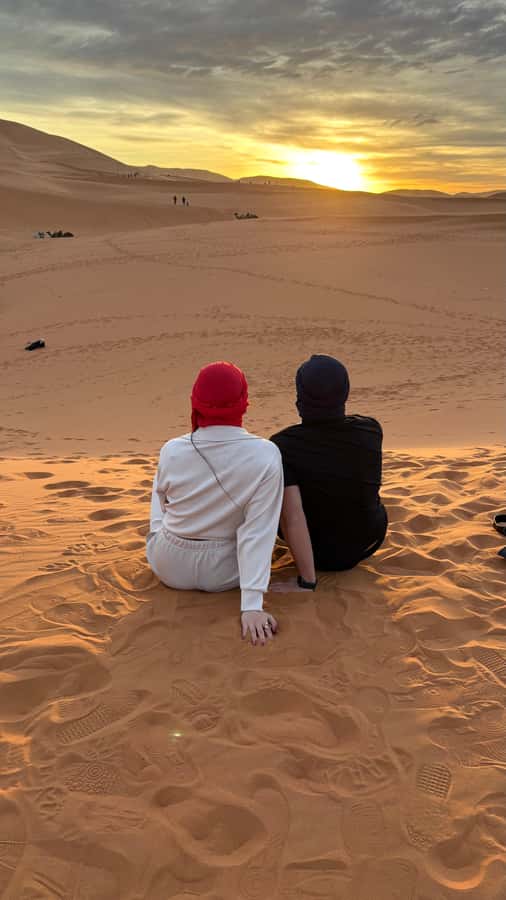
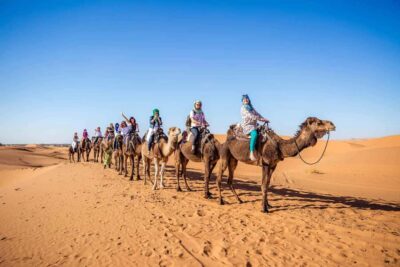
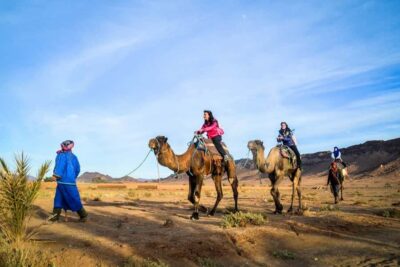
The camel trek typically lasts around 20 minutes, with the payoff coming from the timing. You ride across the sand as the light turns dramatic. The experience is memorable because you’re moving slowly enough to watch the dunes change shape and color, not rushing past them.
Also, this is not a gentle stroll. Camels have their own rhythm, and sand can be uneven. If you’re sensitive to discomfort, go in expecting a bumpy ride and hold onto the moment anyway. The upside is that you’ll feel the desert in your body, not just through your phone screen.
If your sunset ride is affected by timing issues or conditions, the good operators have a workaround. For example, some guides have adjusted by offering a sunrise camel option when sunset timing didn’t work out. In any case, it’s worth remembering that desert schedules are living schedules, and the best drivers and guides keep things calm.
Berber camp overnight: tents, dinner, music, and cold reality
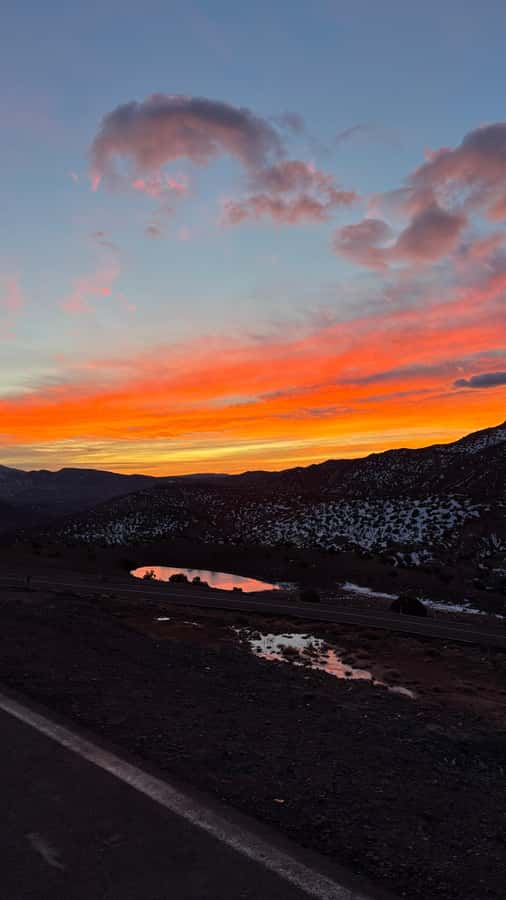
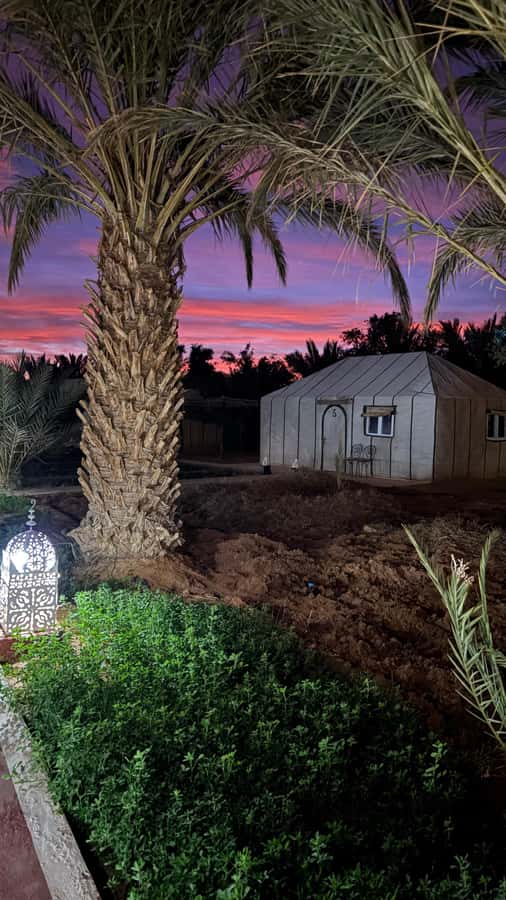
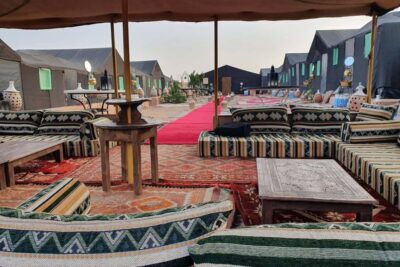
Check-in at the desert camp is part welcome, part adjustment. You step from outdoor air into a tent world built for the experience. Camps range from standard to private or luxury setups, and the tour includes shared, private standard, or private luxury tent options depending on what you choose.
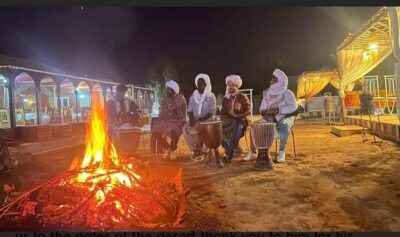
This night is where reviews tend to light up. People love the combination of traditional dinner and campfire music under the stars. In many camps, dinner is Moroccan and served in a relaxed setting, then you gather for singing or drumming that feels local rather than entertainment-only.
Here’s the practical truth: desert nights can be cold. That’s true in winter, and it can still surprise you even outside of winter. Bring warm layers, and expect you may need them more than you think. One strong tip I’d follow: pack a real jacket or fleece, not just a thin sweater.
Comfort details can vary by tent type. Some private or luxury setups report having a private bathroom, and some camps report power availability for charging. But don’t assume towels are provided. It’s smart to bring your own towel and a small flashlight or headlamp so you’re not hunting for what you need after dark.
Day 2 sunrise over Erg Chebbi: the part that never feels rushed
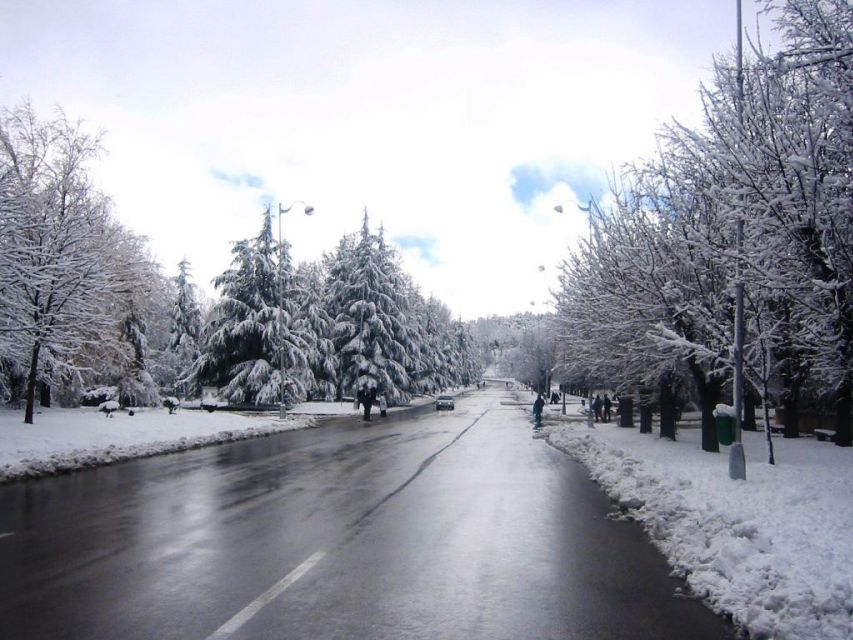
Day 2 starts with an early wake-up. You’ll walk across the dunes to watch the sunrise, usually from just behind the massive dune area. This is one of the best reasons to pick the overnight option rather than doing a day-only excursion.
The sunrise moment works because you’re moving, not only standing still. Sand under early light changes fast, and your eyes adjust to that shimmer. You often get a quiet stretch of time before the day heats up and the dunes lose that fresh, crisp contrast.
After the sunrise, you return to the camp to freshen up and have breakfast. Then you’re ready for the drive back.
Returning to Fes or Marrakech: two very different day-2 energies
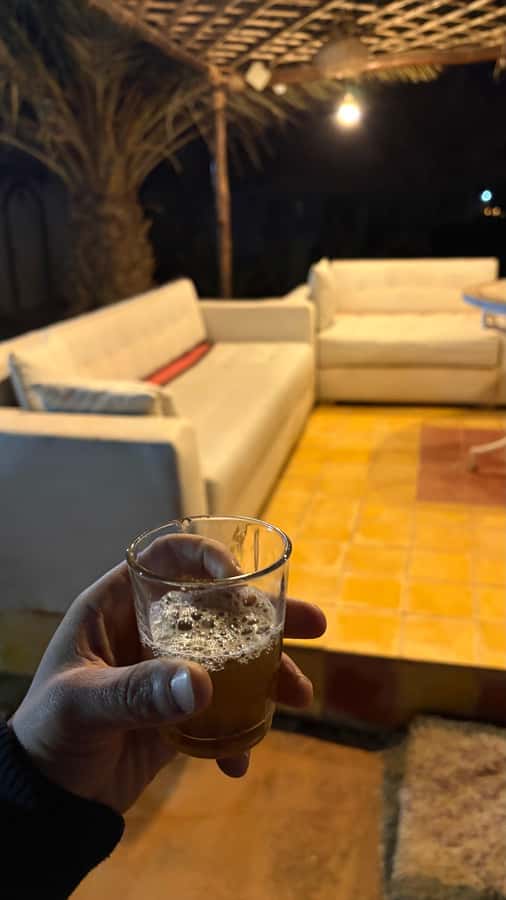
Your return choice changes the pace.
Back to Fes
The distance is shorter than the Marrakech option, with travel time described around 7 hours from Merzouga to Fes. On the road, you can expect more passing attractions and stops, but the total day remains more manageable than the Marrakech drive.
On to Marrakech
If you choose the Marrakech return, the trip is long, taking around 10 hours, with arrival around 8 to 9 PM depending on traffic and stops. The route goes via the Road of a Thousand Kasbahs, then across the High Atlas through the Tizi n’Tichka Pass.
This is where you should mentally prepare for a full day behind the wheel. Even with a professional driver, it’s still a lot of hours. The upside is that you’re not only crossing from Point A to B. You’re seeing more of Morocco on the way back, including classic kasbah scenery and mountain road views.
Either way, remember the tour is designed around shared timing. If you’re the kind of person who gets stressed by small transitions, consider this a gentle heads-up: the handoff points can feel a bit chaotic at times. The best part is that it usually stays functional once you go with the flow.
Comfort, costs, and the small things that matter on a desert road trip
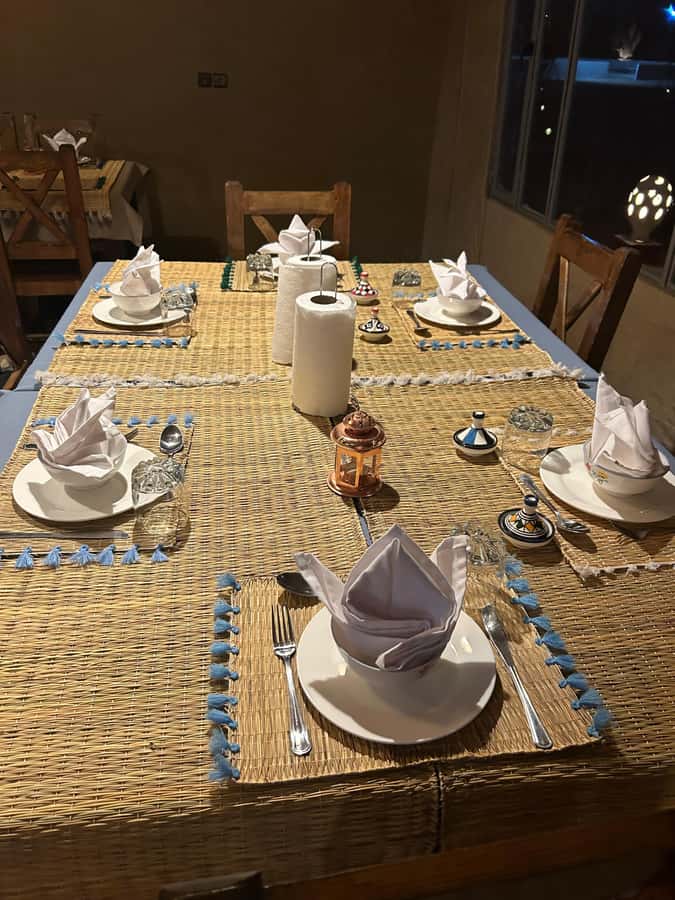
A few details make a big difference on this kind of itinerary.
Air conditioning and heat management. The vehicle includes A/C, but airflow may not feel even during the summer months. If you run hot, bring a small personal fan so you can control your comfort.
Drinks and water. Drinks and water are not included. Some desert camp situations only offer water for purchase at certain times, so plan ahead. I strongly recommend grabbing water at a stop before you enter the “desert bubble.”
Lunches are not included. Lunch is optional, so bring a flexible mindset. You’ll likely stop at restaurants your driver suggests.
Weather extremes. Expect hot days in summer (June through August) and cold nights in winter (December through February). That is not just a throwaway line. Desert temperature swings are real, and your packing strategy is the difference between enjoying the camp and just surviving it.
Connectivity. Cell service and Wi-Fi can be limited or unavailable. You’ll feel more off-grid than in most Morocco city trips, which is part of the magic, but plan for it.
Mobility note. The tour is not suitable for wheelchair users.
Who should book this Fes to Sahara 2-day camel and camp tour
This is a great fit if you want Sahara time without a multi-day commitment. It’s also a solid choice if you like a structured route with enough stops to keep the long drive from feeling repetitive.
If you’re traveling solo, the tour can work well because small-group formats often help you feel looked after. Guides are frequently praised for safety and pacing, and when you get a strong driver, the road time becomes part of the experience instead of a chore. Names that have come up include Moha, Mustapha, Zaki, Driss, Hassan, and Ahmed, with people highlighting how they kept the drive calm and added thoughtful stops.
Families can also enjoy it, though you should go in with realistic expectations about sitting time and early mornings. Kids usually love the camel ride, starry sky, and the camp music, but the adult role is helping everyone stay warm.
If you want maximum comfort, consider the private or luxury tent option, especially in cooler months. Some reports suggest standard setups can feel much colder, while upgraded tents add comfort features that make a noticeable difference overnight.
Should you book it or skip it?
Book it if you want the classic Sahara combo in a tight schedule: Erg Chebbi dunes, a camel ride, a real Berber camp dinner with music, and an early sunrise walk. The value comes from the full package of transport plus the desert night, not just the dunes themselves.
Skip it, or switch to a different plan, if you know you struggle with long driving days or you hate cold nights and unpredictable timing. This itinerary is built for desert travelers. You’ll enjoy it most if you pack for temperature swings, bring your own water strategy, and accept that “on-time perfection” is not the desert’s main personality trait.
If you’re ready for a road trip with big payoff, this one is hard to beat for a two-day window in Morocco.
FAQ
How long is the drive from Marrakech or Merzouga?
The travel time is about 10 hours from Marrakech to Merzouga, and around 7 hours from Merzouga to Fes.
What time does the tour start in Fes?
Pickup starts around 7:45 AM from your hotel or the nearest meeting point in Fes.
Is lunch included?
No. Lunches are not included, though the tour includes an optional restaurant suggestion during the route.
Are drinks and water included?
No. Drinks and water are not included.
What’s included in the camel experience?
A camel ride is included, typically around 20 minutes, timed for sunset as you head to the desert camp.
Can I add quad biking?
Yes. Quad bike activity is an optional add-on, paid per person for one hour.
Just reviewed around Fez
- Fes To Marrakech: 3-Day Desert Tour★ 5.0 · 73 reviews
- luxury 3 Days 2 Nights Desert Tour from Fez to Marrakesh★ 4.5 · 73 reviews
- VIP TOUR OF FES- Medina by local guide & Rempart by car-FULL Day★ 5.0 · 74 reviews
- Discover Fes with the Best -Authentic Tours Unforgettable Stories★ 5.0 · 74 reviews
- Fes wonders★ 5.0 · 75 reviews
- Full-Day Tour to the Blue City Chefchaouen on Small-Group★ 4.5 · 77 reviews
- Walking Tour in Old Medina Fez with Official Guide★ 5.0 · 77 reviews
- Hammam &Massage Dar Tahri & SPA★ 4.7 · 78 reviews
2-Day Experiences, compared.
Sahara Desert 2-Day Tour with Merzouga Camp Stay
Read our review →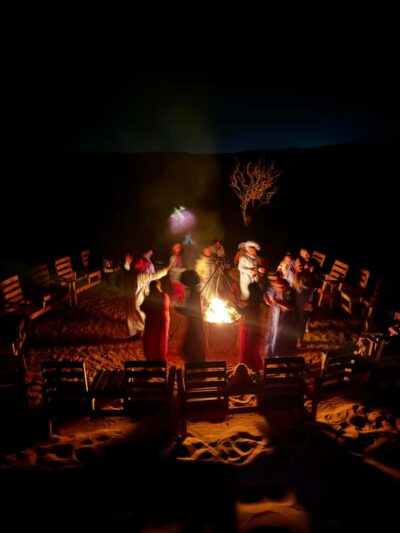
Mt Toubkal Ascent Express Trek 2 Days 1 Nights
Read our review →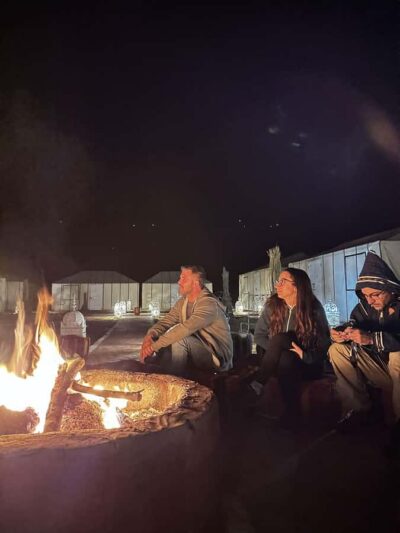
2-Day Merzouga Desert Trip w/Luxury Tent & Dinner
Read our review →Browse the lists this tour appears in