
Reviewed · TOUBKAL TREKS
From Marrakech: 3-Day Mount Toubkal Climbing Trek
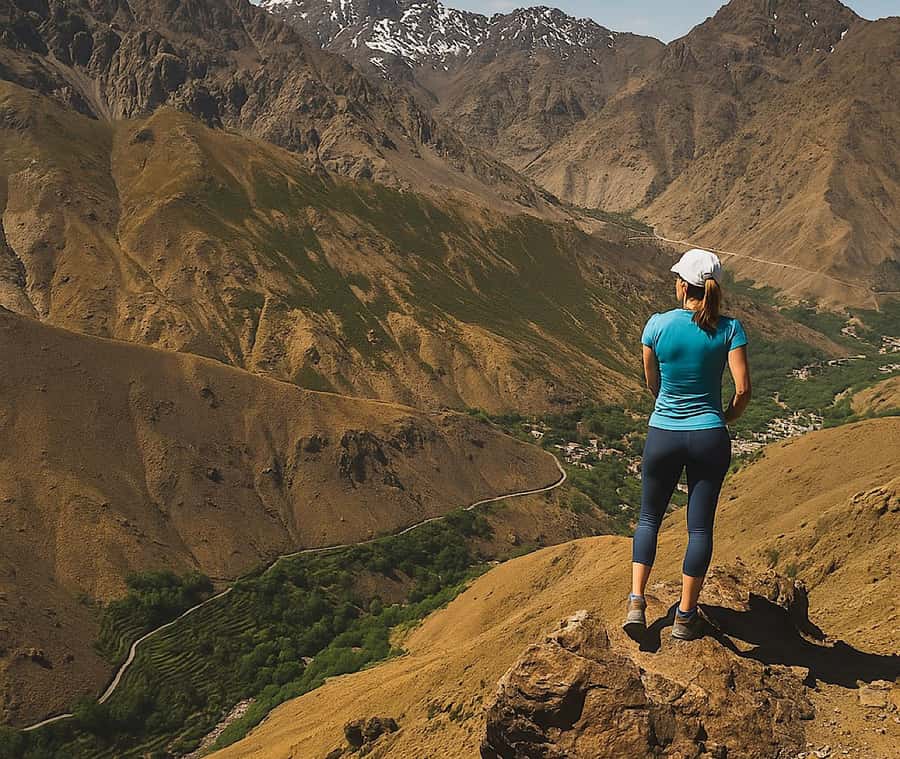
Mount Toubkal climbing is interesting for one big reason: you’re going from Marrakech lowlands up to the highest peak in North Africa on a non-technical route. It also mixes mountain effort with real Atlas Valley life, like walking past Berber homes and reaching the Tamsoult waterfalls. I’ve met plenty of people who talk about this kind of trip with big pride, and guides like Youssef, Mohamed, Mustafa, and Hassan often get named because they keep groups calm and moving.
Two things I really like about this trek are the built-in acclimatization and the fact that your day walks have structure, not random wandering. You climb Tizi Mzik Pass, then later Aguelzim Pass, so your body has a chance to adjust before the summit push. And you get actual stops that feel special, like the long walk through a juniper forest to Tamsoult Falls, not just a direct route to the top.
One drawback to weigh: this is a serious hike. Even though it’s non-technical, you’re still stacking big elevation, doing long walking days, and sleeping in basic mountain refuges that are not the same as a hotel bed. If you want a soft landing, this trek will feel like homework.
Quick-hit highlights before you commit
- Summit target at 4,167 m: a high, cold, early start with panoramic views.
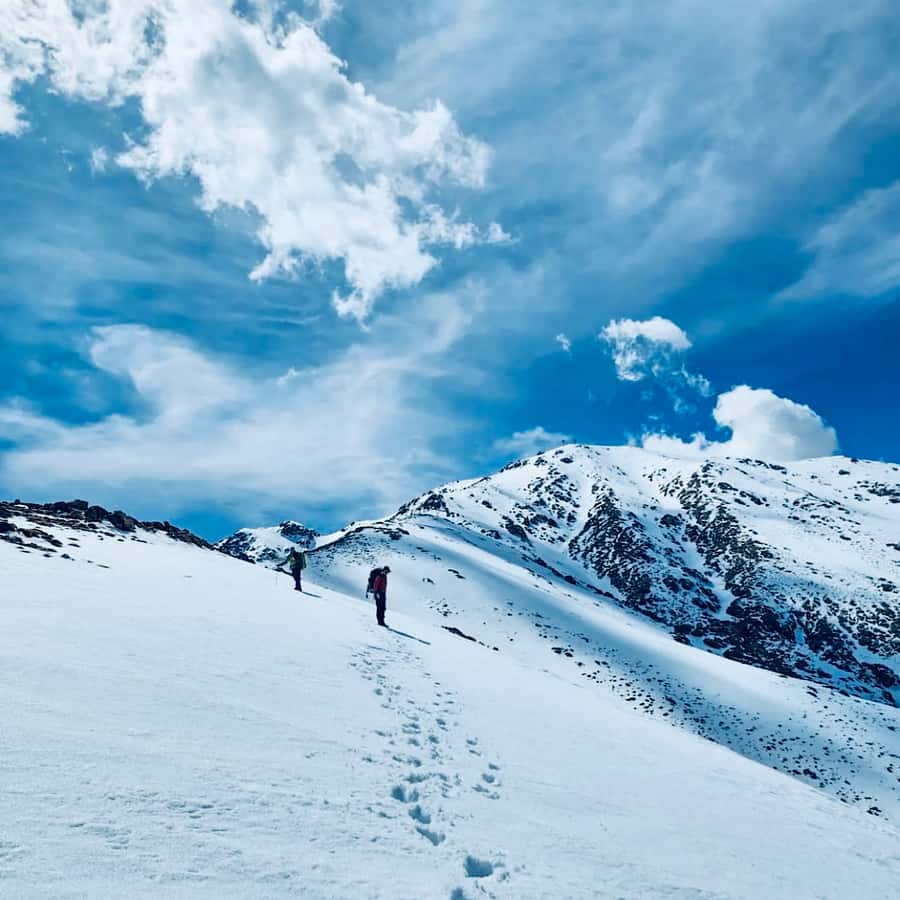
- Passes for acclimatization: Tizi Mzik Pass (2,479 m) and Aguelzim Pass (3,650 m) before the top.
- Tamsoult Waterfalls stop: a 100 m waterfall visit during a full walking day (about 5-6 hours).
- Small group size: limited to 14 participants, so pacing stays under control.
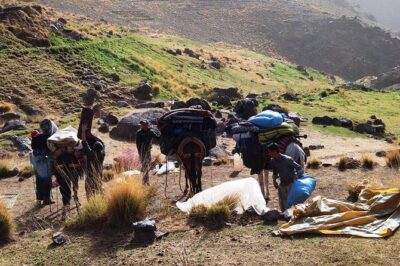
- Mountain support: muleteers and mules handle luggage and help make longer days possible.
- Refuge nights: basic but functional stays, with meals planned so you’re not hungry while hiking.
Mount Toubkal: Why the Highest Peak in North Africa Feels Different
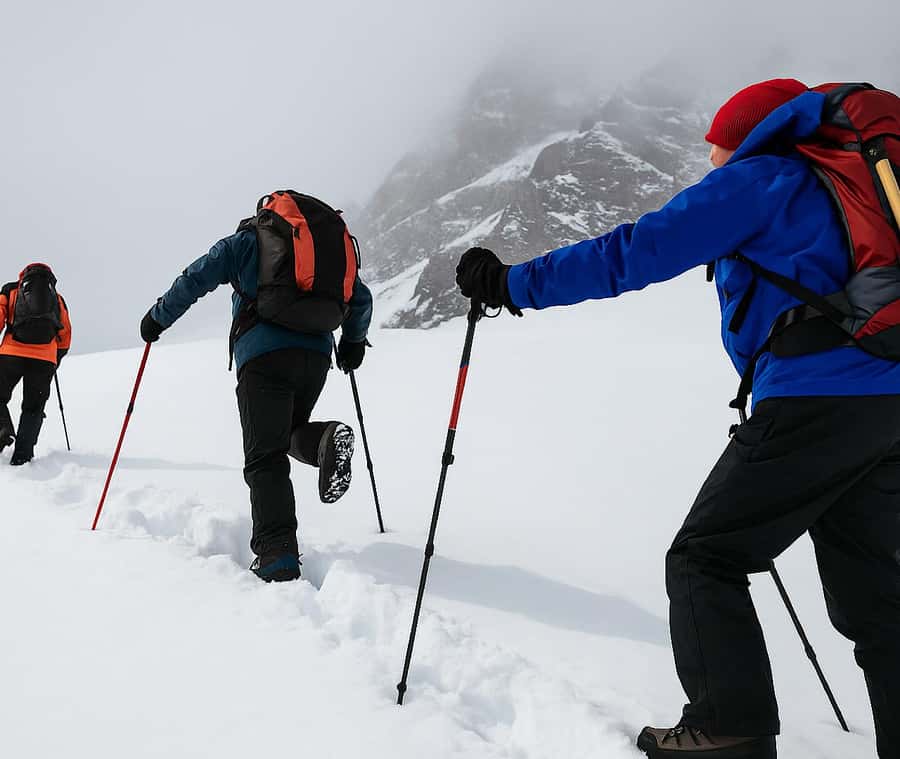
Toubkal sits in the High Atlas, and getting up there gives you more than a postcard view. The air changes fast. The ground changes fast. The sounds change, too. Lower valleys feel like village Morocco. Higher up, it turns into a high, stark mountain world where your main job is to move steadily and conserve energy.
That “steady” part matters. Your climb is described as non-technical, which is a big deal for planning. You’re not signing up for ropes, via ferrata, or climbing gym skills. What you are signing up for is altitude, distance, and time on your feet. When guides like Mohamed or Mustafa are doing their job well, it’s mostly about pacing, spacing the group, and helping you keep your breathing under control.
I also like that this trek isn’t just a quick out-and-back. You’re walking a loop, so you see more of the Atlas ridges instead of repeating the same trail all day.
More Toubkal treks:
- Mt Toubkal Ascent Express Trek 2 Days 1 Nights
★ 4.7 · 962 reviews - Marrakesh: 2-Day Mt. Toubkal Trek with 1-Night Stay & Meals
★ 4.7 · 795 reviews - From Marrakesh: 2-Day Mount Toubkal Trek
★ 4.7 · 591 reviews
Price, support, and group size: what $226 really covers
This trek is priced at $226 per person for 3 days. For Morocco mountain trips, that’s not only a number, it’s a bundle deal: guide service, transportation from Marrakech, mule support for luggage, and meals plus overnight stays.
Here’s what your money is buying:
- Roundtrip transport from your Marrakech pickup point to Imlil.
- A tour guide on the mountain.
- Muleteers and mules to move luggage you don’t need instantly.
- Accommodation at local houses and mountain refuges.
- 3 breakfasts, 3 lunches, and 3 dinners, so you’re not hunting for food on hiking hours.
Two practical benefits come with that. First, you spend less time figuring out logistics and more time hiking. Second, your guide and mule team allow you to pack smarter. Many people underestimate how much weight you save when luggage is carried ahead.
What you still handle yourself:
- Travel insurance, personal spending, and mountain gear.
- This means you should expect to bring hiking shoes and warm layers, not casual city clothes.
Day 1 from Marrakech to Imlil: Tizi Mzik Pass and Tamsoult Falls
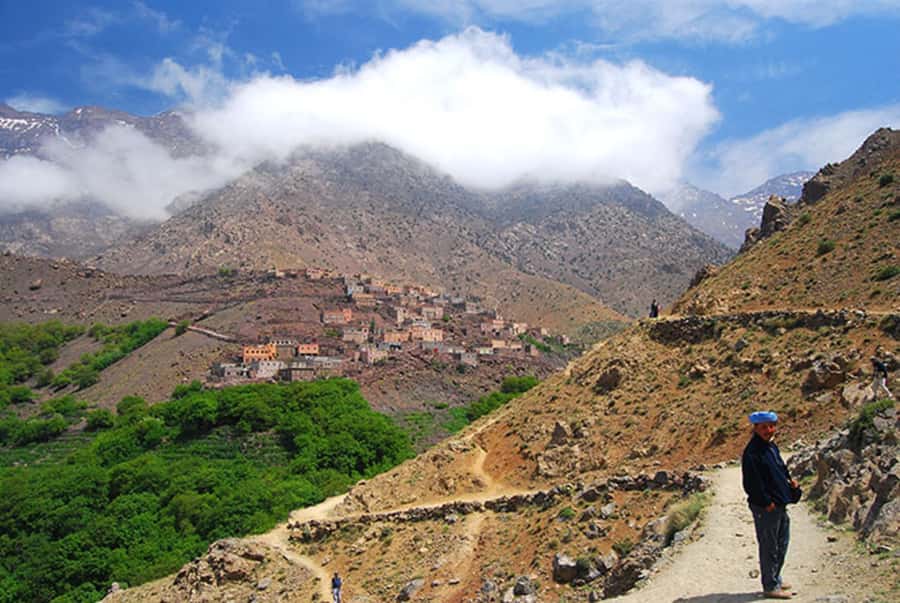
Day one is the “get out of the city and into the mountains” day. After breakfast in Marrakech, you get picked up and driven toward the High Atlas. The drive passes through valley stops like Tahanaout, Oued Ghighaya, and Asni, and you start seeing the scattered Berber villages that make this region feel lived-in.
Then you reach Imlil, about 65 km from Marrakech, and meet your certified guide and muleteer team. This handoff is important. A good guide doesn’t just point at the trail. They set expectations: pace, timing, and how the day’s altitude climbs will feel.
The Tizi Mzik Pass start
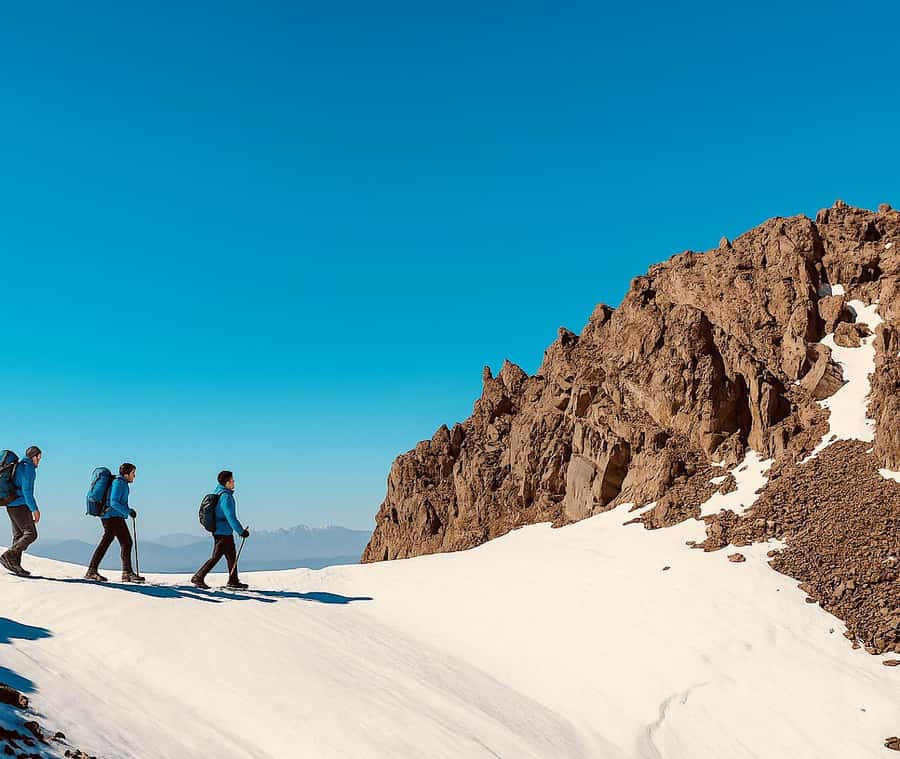
Your trek begins with an ascent over Tizi Mzik Pass (2,479 m). From the pass you get views over the Imlil valley and Mount Toubkal. It’s not just pretty. It’s a psychological win. You can see where you’ve been and where you’re heading.
More Hiking & Trekking in Marrakech:
- From Marrakech: Ouzoud Waterfalls Guided Hike and Boat Trip
★ 4.7 · 33,630 reviews - Berber villages : Atlas Mountains Day Hike from Marrakech
★ 5.0 · 14,007 reviews - 3 Days Desert Tour From Marrakech To Merzouga Dunes & Camel Trek
★ 5.0 · 10,125 reviews - From Marrakech: Atlas Mountains Full-Day Hiking Trip w Lunch
★ 4.8 · 7,417 reviews
The waterfall day: Tamsoult Falls through a juniper forest
From there, the route heads through a juniper forest and toward Tamsoult Waterfalls, described as the highest waterfalls in the Atlas Mountains, about 100 meters high. The walking time here is listed around 5-6 hours, with roughly 11 km total and elevation gain/loss of about +800 m / -400 m.
This part matters because it breaks up the climb. After a long day of height and stone, you reach something dramatic and human scale. Also, the waterfall area usually gives you a reason to slow down. That can help your breathing and legs, especially early in the trip.
Overnight at Tamsoult Refuge
At the end of day one, you head to Tamsoult Refuge. Expect mountain refuge life: simple, functional, and focused on rest. Meals are part of the plan, which helps a lot when you’re tired and hungry. Your group size stays small enough that you can actually get through the night routine without feeling rushed.
Day 2: Aguelzim Pass (3,650 m) and reaching Toubkal Refuge
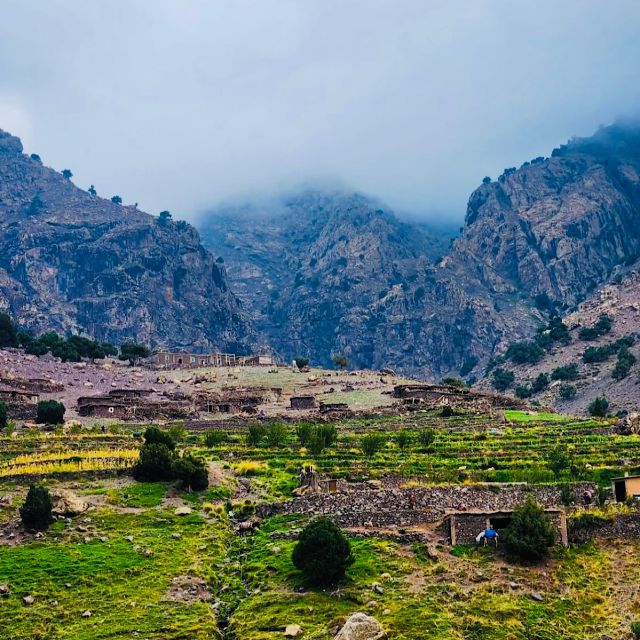
Day two is where the trek starts feeling like the real mountain climb. You gradually ascend to Aguelzim Pass (3,650 m) with steady pacing designed to help your body adapt. The walking distance is about 10 km, with around +1,200 m / -300 m and 6 to 6.5 hours.
When you reach the pass, the key moment is the view. You’re looking at the Toubkal summit area, and the route ahead starts to feel tangible. This is a good day to keep expectations grounded. The summit is still coming, and you’ll feel it in your legs, but you’re not guessing anymore.
Descent to Toubkal Refuge, your summit base
After the pass, you make your way down carefully toward Toubkal Refuge (3,207 m). That descent is part of the challenge. Downhill can be harder on your knees than uphill, especially if scree and loose rock show up. Your guide’s job is to keep you safe and moving, not fast and reckless.
This is also where you start thinking about the summit morning. You’ll want warm clothes ready, water planned, and snacks within reach for the pre-dawn hours.
Day 3: Early summit attempt to 4,167 m and the long descent
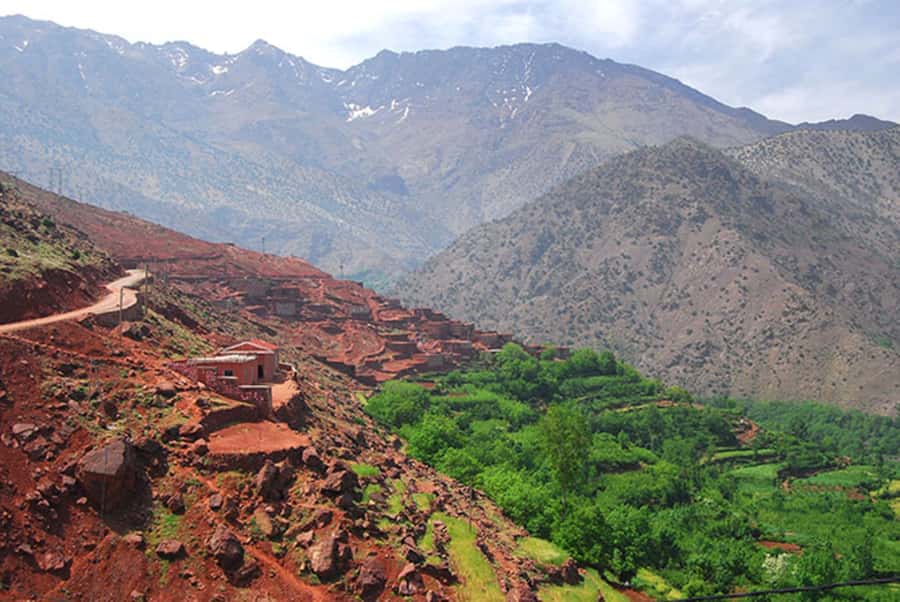
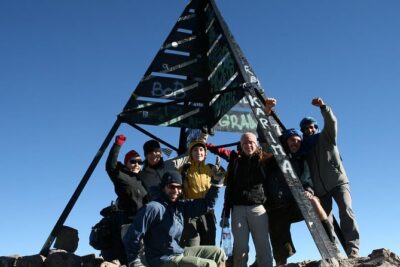
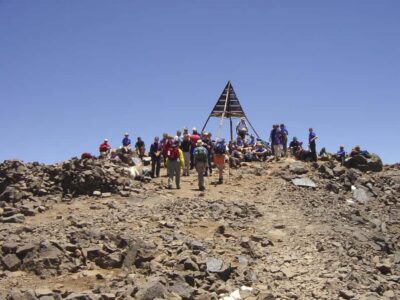
The summit day starts early. The climb from Toubkal Refuge targets 4,167 m, the highest point in North Africa. The route is described as a summit loop of about 4 km, then you continue the long descent that totals roughly 14 km including the return portion, with elevation change around +980 m / -2,500 m.
What makes summit day worth it
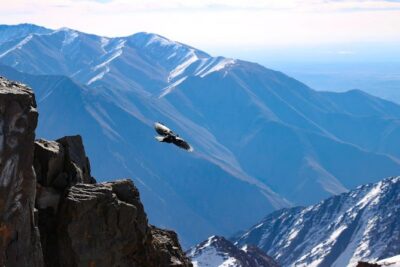
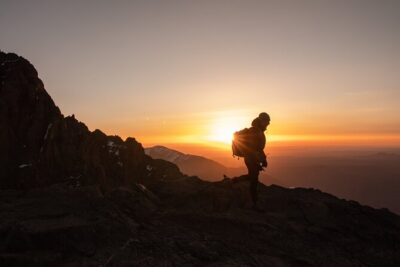
Yes, it’s hard. The summit climb is also where the trek becomes a memory you keep returning to. When weather cooperates, you can get 360-degree views of the High Atlas, and in good visibility you can even see toward the Sahara Desert horizon.
The best summit moments usually come from calm execution, not speed. Guides often keep the group together and help you maintain a breathing rhythm. People mention guides like Omar, Omar (yes, two different Omaras show up), Kamal, and Hassan keeping a pace that lets everyone reach the top.
The descent: plan for sore legs
After the summit, you descend back to the refuge area for a short break, then continue down toward Imlil and onward back to Marrakech. The big lesson is simple: treat the descent like the second half of the mountain. Your legs do most of the work, and your footing is your safety plan.
Food and refuge reality: what you’ll actually experience at night
The trek includes meals every day: breakfasts, lunches, and dinners. That’s a major value piece because food matters most when you’re hiking for hours. You’re not just eating. You’re fueling a long, cold day.
You’ll likely eat hearty Moroccan-style food with plenty of calories to keep energy stable. A cook traveling with the group is part of the system, and this is one of the most praised pieces: meals are described as warm, plentiful, and perfectly timed for hiking.
Sleeping: basic, and that’s okay if you prepare
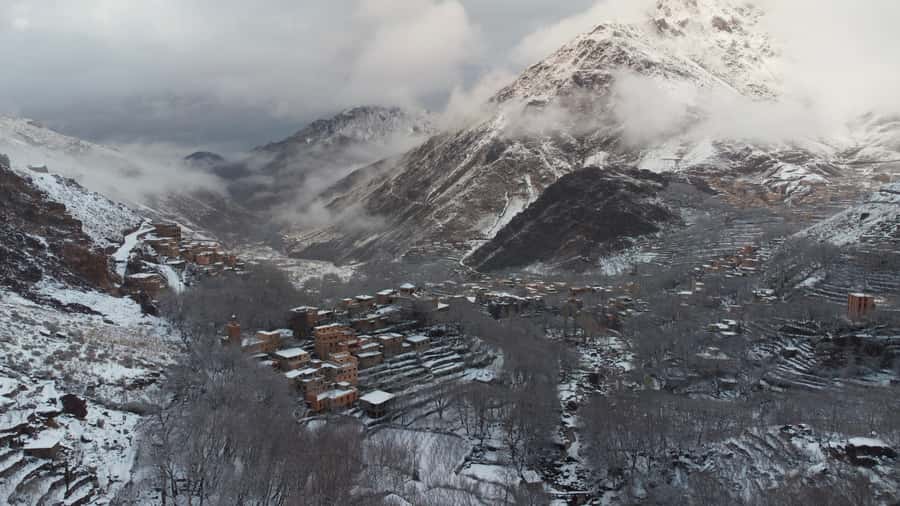
Accommodation is listed as a local house, and the itinerary includes nights at Tamsoult Refuge and the Toubkal Refuge. Reviews point to refuge stays that are basic but workable, sometimes with hot showers available for an extra charge and bunk-style bedding.
The key takeaway for you: bring your comfort strategy. Warm socks help. A sleeping bag is listed as something to bring, but in practice some huts may provide bedding or blankets, so what you need depends on conditions. Either way, warm layers are non-negotiable.
Also, pack personal hygiene items. Multiple hikers mention bringing toilet paper and soap because refuges may not have it. It’s a small item that prevents a very annoying problem.
What to pack for Toubkal: warm layers beat fancy gear
The essentials list is clear, and you should follow it:
- Passport
- Warm clothing
- Hiking shoes
- Jacket
- Rain gear
- Camera
- Sleeping bag
Not allowed: sandals or flip flops, sleeveless shirts, and slippers. That’s mostly about safety and respect for terrain and local expectations.
Here’s my practical add-on list based on what works on real summit schedules:
- A headlamp for pre-dawn starts
- A beanie or warm hat for summit hours
- Snacks for in-between moments
- Electrolytes or ORS, especially if you sweat more than you expect
And pack light with a plan. Muleteers and mules handle luggage for you, but don’t treat that like permission to bring your entire closet. You’ll still be carrying what you need for the day, and you’ll move more smoothly if your day pack stays small.
Pacing, safety, and who this trek is best for
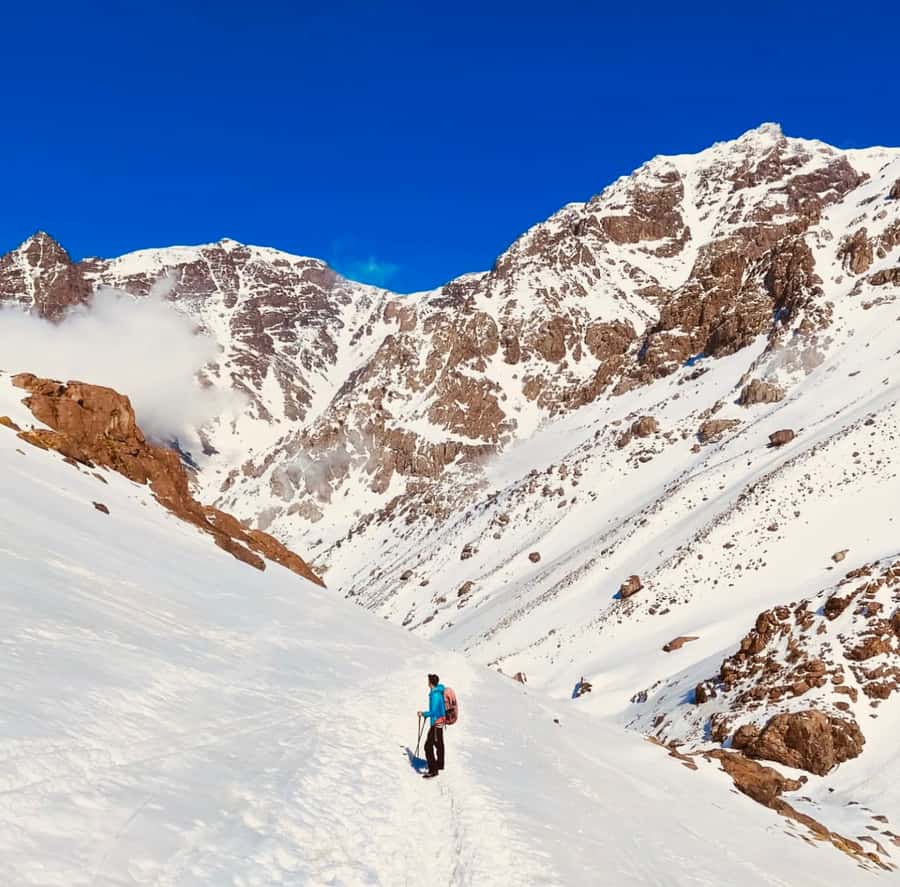
This is not marketed as technical climbing. Still, it’s physically demanding. You’re hiking days that run roughly:
- Day one: about 5-6 hours
- Day two: about 6-6.5 hours
- Day three: 8-9 hours with a very long descent
Also, altitude is a factor. Aguelzim Pass at 3,650 m is there for a reason, and summit conditions at 4,167 m can feel cold and thin even if you’re fit.
This trek is a strong match if:
- You hike regularly and handle long days
- You want a guided summit attempt with real mountain support
- You like the mix of trekking and local village life, not just a trophy view
It’s not suitable for:
- Children under 2
- Pregnant women
- People with high blood pressure
- People over 95
And if you’re new to hiking, go in with humility. This trip can still be doable with a good guide and steady pacing, but you need to respect the walking time and the cold.
If weather changes your summit plan, here’s how to think about it
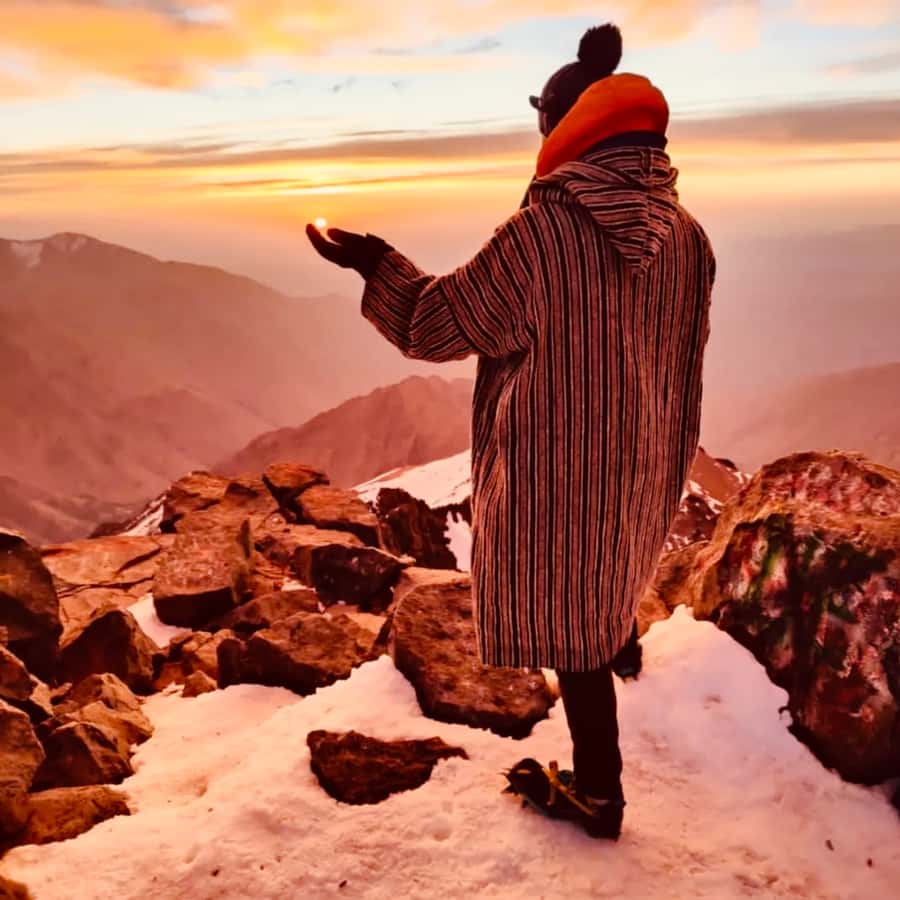
Mountains do what mountains do. The data and experiences you’ll hear include weather-driven changes, including situations where summiting gets shortened or altered. That’s not a “fail.” It’s reality management.
How you should prepare:
- Bring rain gear and warm layers so you can handle wind or cold.
- Keep a flexible mindset about timing.
- Trust the guide’s call on safety and conditions.
Guides are often praised for making that adjustment feel organized rather than chaotic. When they keep you moving and supported, you still get a meaningful Atlas experience even if the summit timing shifts.
Should you book the 3-Day Mount Toubkal trek from Marrakech?
Book it if you want a real mountain objective with strong local support, small-group pacing, and structured acclimatization. If you’re the type who wants sunrise on a high peak, and you’re okay with refuge nights and long walking days, this trek is a great fit.
Skip it if you want guaranteed summit conditions no matter what, or if you’re looking for a low-effort day hike. This is work. The payoff is huge, but only if you show up prepared for cold, altitude, and foot fatigue.
One last practical note: you do get strong flexibility with free cancellation up to 24 hours in advance and reserve-now, pay-later options. Use that to lock in your spot while you keep your schedule sane.
FAQ
How long is the Mount Toubkal trek?
The trek is 3 days total.
How far do you walk during the Tamsoult Waterfalls day?
The waterfall segment is about 11 km with around +800 m / -400 m elevation change and roughly 5 to 6 hours of walking.
Is the climb technical?
No. The ascent is described as non-technical.
What is the group size?
The group is limited to 14 participants.
What languages are the guides available in?
The tour guide is available in Arabic, English, and French.
What does the price include?
It includes the tour guide, roundtrip transportation from Marrakech, muleteers and mules for luggage, accommodation at local houses/refuges, and 3 breakfasts, 3 lunches, and 3 dinners.
What is not included?
Travel insurance, personal expenses, and mountain gear are not included.
What should I bring?
You should bring your passport, warm clothing, hiking shoes, a jacket, rain gear, a camera, and a sleeping bag.
Are sandals allowed?
No. Sandals or flip flops are not allowed, and sleeveless shirts and slippers are also not allowed.
What time will I be back in Marrakech?
The return transfer is usually around 5:00 PM after the trek.
Just reviewed around Marrakech
- From Marrakech: Day trip to Ouzoud waterfalls and boat tour★ 5.0 · 73 reviews
- Private horseback ride in the Palmeraie of Marrakech★ 5.0 · 73 reviews
- Marrakech to Essaouira / Small group day tour To Essaouira★ 5.0 · 73 reviews
- 1 Day Guided Tour of World Heritage Kasbah Ait Ben Haddou from Marrakech★ 3.5 · 73 reviews
- Marrakech: Authentic Local Dinner with Transport★ 4.1 · 73 reviews
- Ourika Valley Day trip: Hike, waterfall, lunch and Relax★ 4.8 · 73 reviews
- Waterfalls, Three valleys, Atlas Montains, Camels & Desert★ 5.0 · 73 reviews
- Marrakech: Cycling Tour in Palm Groove with Local Breakfast★ 4.7 · 73 reviews
Toubkal Treks, compared.
Mt Toubkal Ascent Express Trek 2 Days 1 Nights
Read our review →
2-Day Mt. Toubkal Trek with 1-Night Stay & Meals
Read our review →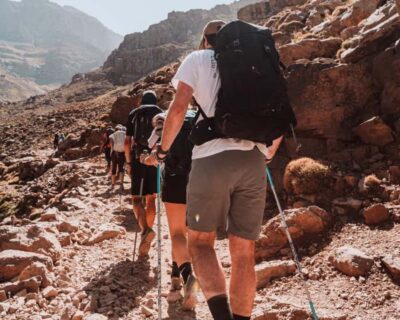
Browse the lists this tour appears in