
Reviewed · BERBER VILLAGE TOURS
From Marrakesh: 3-Day Trip to Berber Villages
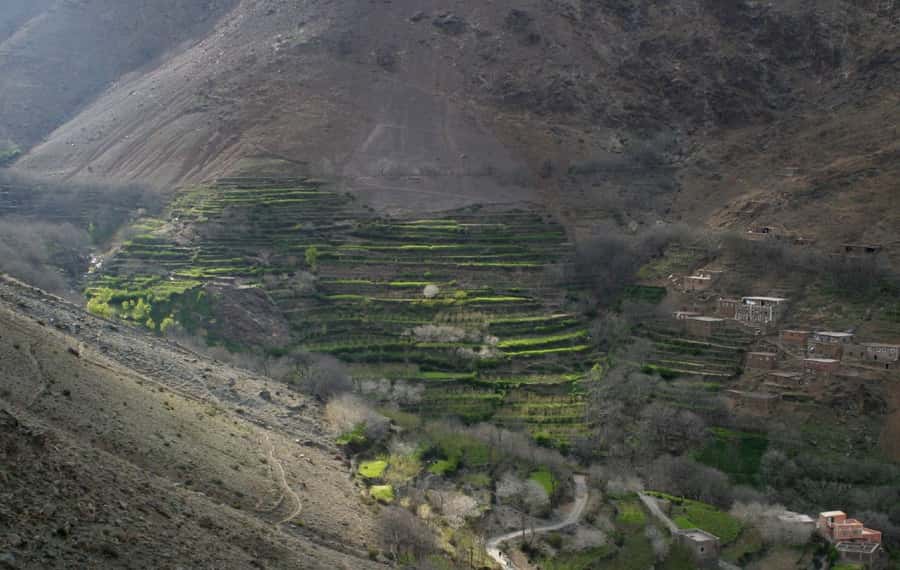
A 3-day hike south of Marrakesh can be exciting on paper, but this one is interesting because it mixes real mountain walking with up-close Berber village life. You start in Imlil, cross high passes, then sleep in simple local inns while your guide and chef handle the essentials.
I love how the trip keeps its rhythm. In my favorite moments, the guide adjusts the pace so you can walk at your comfort level, even if you want quiet time for scenery and questions.
One drawback to know up front: this is not a comfort-first trip. Roads are rough, nights can be cold, and village lodging is basic (sometimes with limited or no electricity). Bring the right clothes and expect simple.
Key takeaways before you go
- Small group limit (10), so your guide can actually manage pace and questions
- A mule carries luggage, which makes steep, rocky stretches feel doable
- Chef-prepared meals including lunch at mountain passes, not just snacks
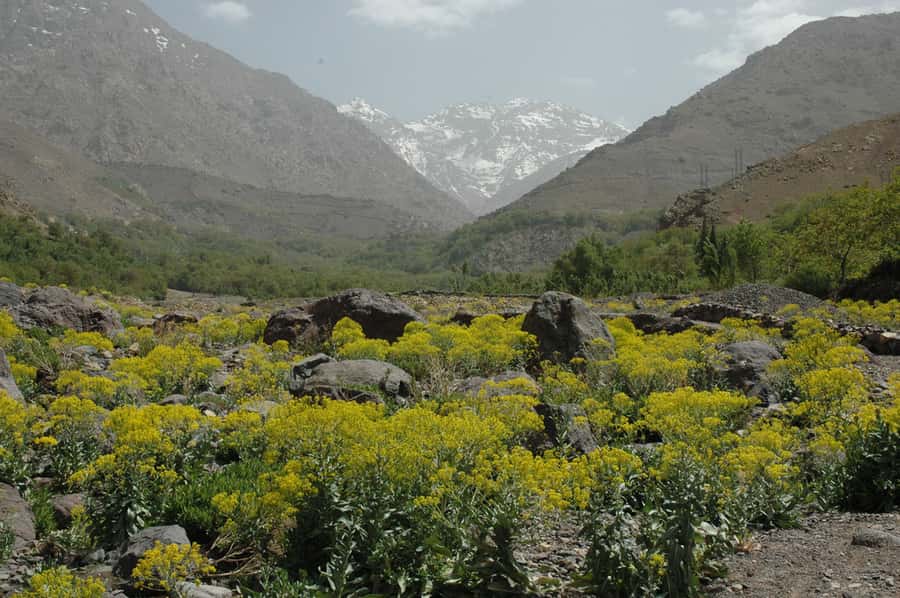
- Mount Toubkal viewpoints and long valley walks in the High Atlas
- Berber lodges where warmth and basics matter more than modern amenities
High Atlas Walking with Berber Village Life, Not a Checklist
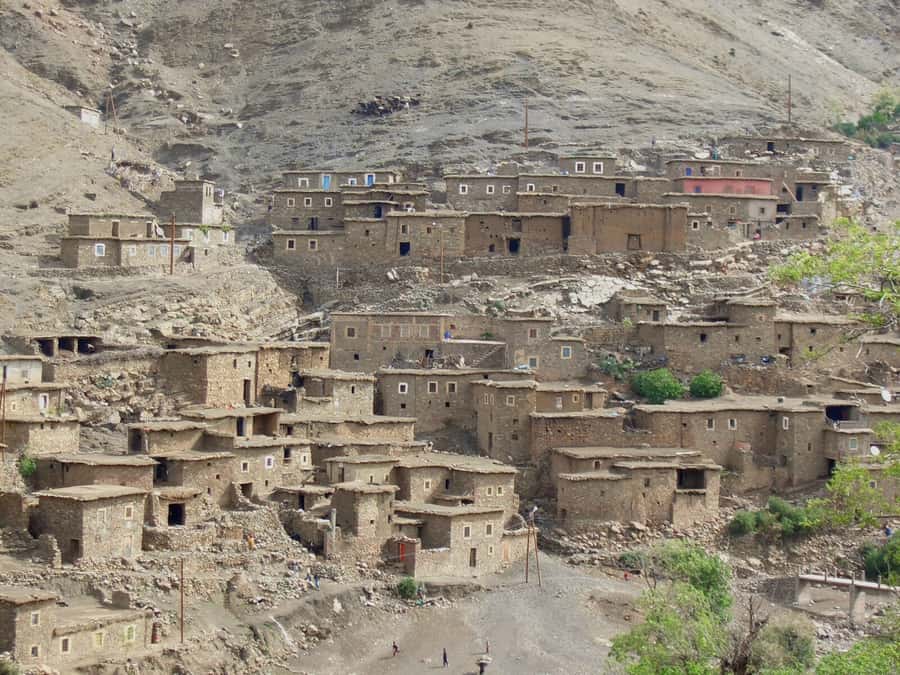
This trek works because it is structured, but it does not feel like a scripted parade. You walk between Imlil, Tinerhourhine, Aït Aïssa, and back again, passing through small Berber settlements along the Imnane Valley and up toward high passes.
Two things I especially like about this style of trip. First, the people part is not just a photo stop. You meet locals in villages that are a little out of the usual tourist circuit. Second, the food part is handled thoughtfully. A chef cooks meals with equipment brought along, and lunch can be prepared in remote spots, so you are not just surviving on bread and hope.
Now the tradeoff. You are hiking on rocky, uneven paths and climbing passes. If you want smooth trails and predictable comfort, this is likely not your match. But if you want honest travel, good effort, and a real sense of place, it hits.
More Day Trips in Marrakech
- From Marrakech: Day Trip to Ouarzazate and Ait Benhaddou
★ 4.7 · 9,447 reviews - From Marrakesh: Essaouira Full-Day Trip
★ 4.6 · 8,137 reviews - From Marrakech: Small Group to Essaouira & Sekkala Day Trip
★ 4.9 · 6,671 reviews
Marrakesh To Imlil: The Transport and Mule Setup That Matters
The trip begins with private transportation from and back to Marrakesh, so you are not losing energy on public transit when you could be saving it for walking. The group stays small, limited to up to 10 participants, which helps with guide attention.
One of the biggest practical wins is the mule. You get a mule to carry your luggage, which is a real difference on day 2 and on rocky descents. You still walk with what you need for the day, but you avoid the classic mistake of hauling a heavy backpack over steep terrain.
Language is also handled. The guide is available in English, French, and Spanish, and that matters because it changes how much you can understand about Berber customs and daily life rather than just nodding at everything.
Day 1: From Imlil Toward Tinerhourhine Via Tizi ‘n Tamatert
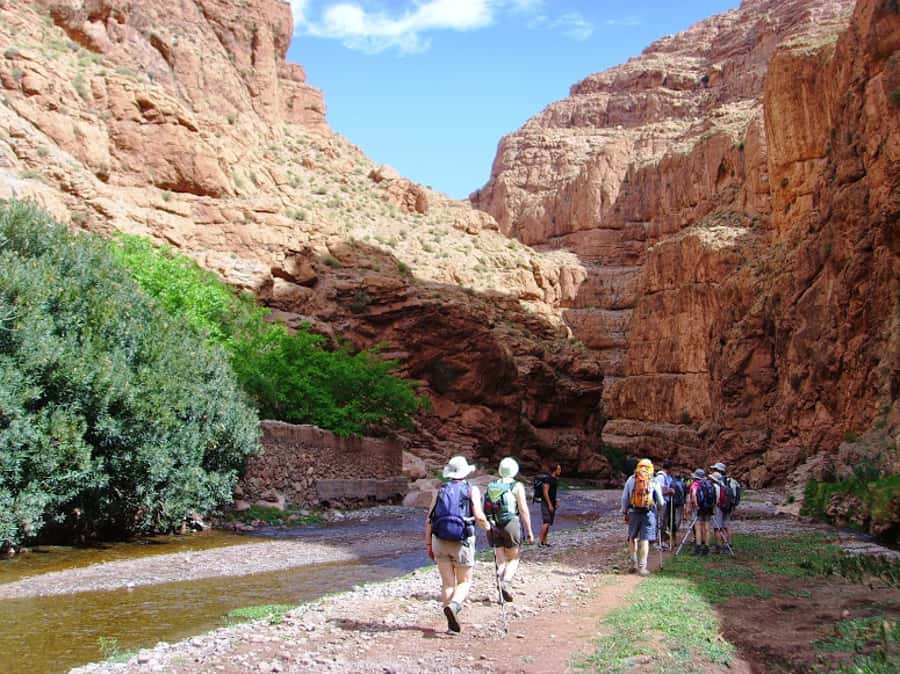
Day 1 is about settling into the rhythm and building your stamina. You transfer to Imlil, then start walking toward Tinerhourhine, passing Tamatert. Eventually you stop for lunch on the high mountain pass of Tizi ‘n Tamatert, then continue to Ouanesekra-Tamguist before reaching Tinerhourhine for the night.
Expect about 4 hours of walking. That is a good first day when you are transitioning from city life to mountain altitude, uneven paths, and thinner air.
What I like about the way the day is planned is the lunch location. Eating at a mountain pass is not just about food. It is about a long pause, you catch your breath, and you actually notice the views and the village textures around you.
In colder months, Imlil can feel chilly early. One helpful detail from past experiences: when conditions are cold, guides often set you up with something warm right away, like tea, and help you manage the transition from road to trail. It is a small thing, but it reduces that first-day shock.
Overnight is at a local inn in Tinerhourhine. Rooms are simple. Some places may have limited heat, so pack warm layers.
Day 2: Imnane Valley, Ikkiss, and the Chance to Look Toward Mount Toubkal
Day 2 is the long one, about 6 to 7 hours of walking. You depart from Tinerhourhine and head along the Imnane Valley, passing the Berber village of Ikkiss. Then the day turns toward big views, with opportunities to see Mount Toubkal, the highest peak in Morocco.
At some point, you continue on toward Tizi n’ Aguersioual. Lunch is at Matate, and then you finish the hiking day at Aït Aïssa, where you sleep in another local inn.
This is also where the trip can feel more demanding. The paths can be rocky and the climbs can be serious. One common pattern from real experiences is that day 2 feels exhausting, then worth it when you look back and realize you crossed passes and valleys that most people just drive past.
Two things can make day 2 feel better. First, a guide who paces smartly. Some guides are known for managing pace so you can walk your way, including if you prefer quiet and slower conversation. Second, a chef who coordinates timing so lunch is ready when you arrive, not an hour later.
If you go in winter, plan for strong temperature swings. You can get sunny warmth during the day and then cold at night. That is normal in the High Atlas.
More Berber Village Tours in Marrakech:
- Berber villages : Atlas Mountains Day Hike from Marrakech
★ 5.0 · 14,007 reviews - Marrakech: Balloon Flight, Berber Breakfast & Certificate
★ 4.8 · 8,164 reviews - Marrakech: Majorelle Garden, YSL, and Berber Museum Entry
★ 4.6 · 5,168 reviews - Marrakech: Hot Air Balloon Flight with Berber Breakfast
★ 4.5 · 3,832 reviews
Day 3: The Return Walk Through Tizi Oussem, Mzik, and Back to Imlil
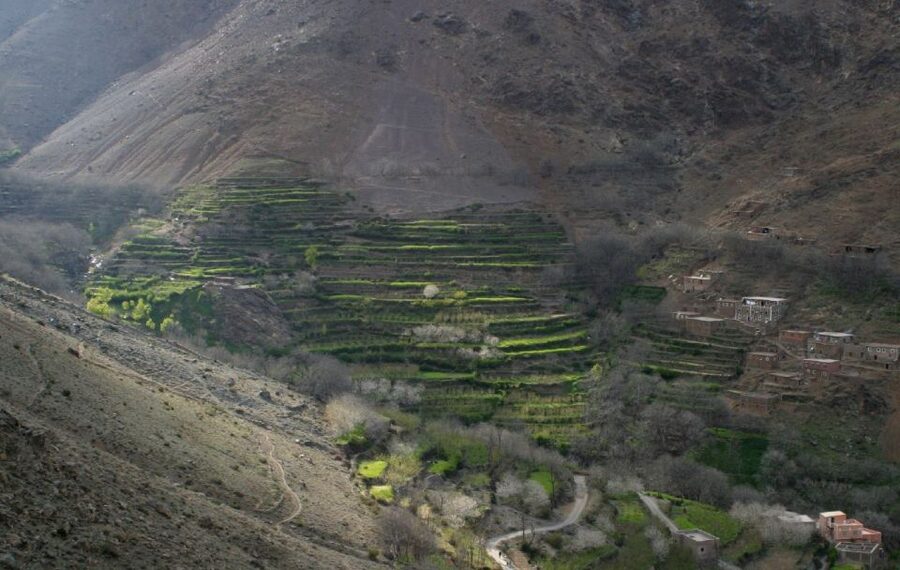
Day 3 is shorter at about 4 hours of walking. You leave Aït Aïssa and walk toward Tizi Oussem, passing Tizi Mzik and the village of Mzik. Then you arrive back in Imlil, and the tour transfers you back to your hotel in Marrakesh.
The return day often feels like a mix of relief and reflection. You are tired, but you are also moving through familiar rhythm after two days of acclimating. Since the walking hours are fewer, you can focus more on how the villages change and how fields and homes sit in the mountain contours.
If you like photo moments, day 3 is a good day to slow down briefly. You have less total hiking pressure, so you can step aside safely at viewpoints and take your time.
Berber Lodges and Mountain Nights: What to Expect in Your Sleeping Spot
This is the part where expectations need to match reality.
You sleep in Berber lodges / local inns, and they can be basic. Some inns may have warm water, but not much else. In winter conditions, there may be limited or no electricity and no heating. Nights can get freezing fast.
Past trips highlight the same practical truth: warm layers matter, and you should consider sleeping gear carefully. Sleeping bags are not included, so you should plan to bring one or otherwise ensure you are warm enough for cold nights. Reviews also mention thick bedding and warm blankets, including camel-hair type blankets in some cases. Still, do not rely on luck.
One small but smart packing tip from real experiences: bring toilet paper. If you forget it, your options in remote villages can be limited.
Bottom line: if you are comfortable with simple lodging and you dress for cold nights, you will enjoy this part. If not, the trek can feel harder than it needs to be.
Food, Tea, and the Chef-Cooked Meals You Actually Remember
Food is included, and it is not an afterthought. You get food, plus a chef and cooking equipment. That is a big deal in the mountains, because it means you get proper meals rather than just snacks you carry in your daypack.
Lunch is a highlight because it can happen mid-walk on high ground, rather than only at the end of the day. One account noted that lunch was prepared even in remote conditions, and the meals were generous and tasty.
I also like how the team supports the walking day. In small groups, the cooking can feel more personal. For example, one set of experiences described a daily chef named Mohammed who handled meals for two hikers, with the cooking planned so lunch was ready when they arrived. Another helpful role is the mule driver, who may help with day-to-day support like managing bags or tea.
Practical food note: soft drinks and mineral water are not included. You can plan to buy or carry your preferred water, depending on what your guide recommends on the ground.
Footwear, Pace, and Fitness for Rocky Passes
Plan for real hiking. The walking times are not extreme, but the terrain can be. You are on rocky, uneven ground with steep climbs and descents.
One useful real-world data point: over three days, people have reported walking around 48 km total. That number includes breaks and the day structure, but it gives you a sense of how much movement you will accumulate.
What helps is a guide who pays attention to you as you walk. Some guides are known for checking in on pace, making sure slower hikers are not left behind, and staying flexible. One experience even described the guide respecting a preference for quiet time and only stepping in when questions came up.
My advice for matching the trek: bring shoes with real grip and ankle support. Fixed footwear helps on stone steps and slide-y slopes. If you are going in winter, add warm layers and a hat, even if the daytime sun feels strong.
Also consider how much you plan to carry. The mule takes luggage, so you can keep your personal pack lighter. You still need essentials, but you do not need to haul everything.
Guides, Language, and Why a Small Group Feels Better Here
This trip is run by a team, not just a single person. You get a local guide and, in practice, you often work closely with the chef and mule driver too.
Language matters. Guides have worked in English, and some also speak French and Spanish, so you are not stuck guessing. People have specifically mentioned guides like Hassan, Ibrahim, and companions like Hamid and Ali for being friendly, responsive, and clear.
There is a more personal reason this matters. In a place where villages feel a bit disconnected from the modern tourist routine, the people side is clearer when your guide can explain what you are seeing. Past experiences describe guides explaining Berber customs and helping with practical needs like warm tea at the start of the day.
Group size adds another layer. With a small group up to 10, you are less likely to get rushed into the back of the line. Your guide can slow down when the trail is rough and when someone wants time for questions or photos.
Price and Logistics: Is $353 Good Value for 3 Days?
At $353 per person for 3 days, this trek can be a solid value if what you want is a guided mountain experience that includes real human support.
Here is what you get for your money:
- Private transport from and back to Marrakesh
- Local guide in English, French, or Spanish
- Mule to carry luggage, which reduces strain
- Chef with cooking equipment and food
- Accommodation in Berber lodges
Not included:
- Soft drinks and mineral water
- Sleeping bags
When you add it up, the cost makes sense for a guided trek that includes food plus lodging plus transport. This is especially true because you are not just buying a walk, you are buying a setup that functions in remote areas: cooking, sleeping arrangements, and luggage handling.
If you already have a sleeping bag and you pack smart, you are not likely to find hidden “gotchas” that blow up the budget. If you do not have a sleeping bag, factor that into the real cost.
Who Should Book This High Atlas Trek, and Who Might Want Something Else
You should book if you:
- Want Berber village life as part of the experience, not a quick stop
- Enjoy hiking with a real sense of effort and reward
- Are okay with simple lodging and cold mountain nights
- Prefer a small group and a guide who can adjust pace
You might skip it if you:
- Need strong hotel comfort and predictable amenities
- Want fully smooth trails and low physical challenge
- Are not prepared to handle a cold night without modern heating
This is a trek for people who like authentic travel with a bit of grit. The best results come when you treat it like a mountain experience, not a casual stroll.
Should You Book This 3-Day High Atlas Trip?
I think you should seriously consider booking if you want a short trip from Marrakesh that gives you both mountains and village contact. The combination of private transport, a small group, mule support, and chef-cooked meals makes it feel organized without killing the sense of adventure.
My decision checklist is simple:
- If you have solid hiking shoes and you pack warm layers for cold nights, you are set.
- If you bring or plan for a sleeping bag, you will enjoy the nights instead of fighting them.
- If you can handle rocky paths and a demanding day, you will be glad you did day 2.
If you want a guided trek that feels like you are walking with local expertise, not just following a route, this one is worth your time.
FAQ
How long is the Marrakesh to Berber Villages trip?
The trip lasts 3 days.
Where do you start and where do you end?
You start with a transfer from Marrakesh to the village of Imlil, and at the end of the trek you return to Imlil and are taken back to your Marrakesh hotel.
What kind of walking is involved each day?
Day 1 is about 4 hours of walking, day 2 is about 6 to 7 hours of walking, and day 3 is about 4 hours of walking.
Is a guide included, and what languages are available?
Yes, a live tour guide is included. Languages offered are English, French, and Spanish.
How big is the group?
The group is limited to a small group of up to 10 participants.
What is included in the price?
Included items are private transportation from and to Marrakesh, a local guide, a mule for luggage, a chef and cooking equipment, food, and accommodation at Berber lodges.
What is not included?
Soft drinks and mineral water are not included, and sleeping bags are not included.
What is the cancellation policy?
You can cancel up to 24 hours in advance for a full refund.
Just reviewed around Marrakech
- From Marrakech: Day trip to Ouzoud waterfalls and boat tour★ 5.0 · 73 reviews
- Private horseback ride in the Palmeraie of Marrakech★ 5.0 · 73 reviews
- Marrakech to Essaouira / Small group day tour To Essaouira★ 5.0 · 73 reviews
- 1 Day Guided Tour of World Heritage Kasbah Ait Ben Haddou from Marrakech★ 3.5 · 73 reviews
- Marrakech: Authentic Local Dinner with Transport★ 4.1 · 73 reviews
- Ourika Valley Day trip: Hike, waterfall, lunch and Relax★ 4.8 · 73 reviews
- Waterfalls, Three valleys, Atlas Montains, Camels & Desert★ 5.0 · 73 reviews
- Marrakech: Cycling Tour in Palm Groove with Local Breakfast★ 4.7 · 73 reviews
Berber Village Tours, compared.
Berber villages : Atlas Mountains Day Hike from Marrakech
Read our review →
Balloon Flight, Berber Breakfast & Certificate
Read our review →
Majorelle Garden, YSL, and Berber Museum Entry
Read our review →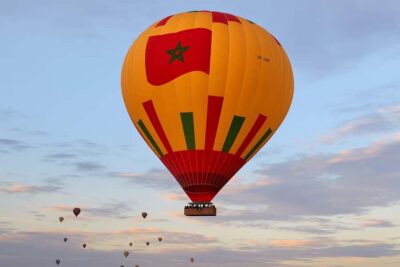
Hot Air Balloon Flight with Berber Breakfast
Read our review →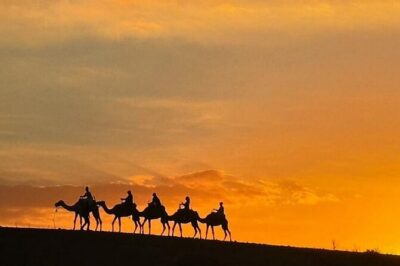
Atlas Mountains, Berber Villages and Three Valleys all inclusive
Read our review →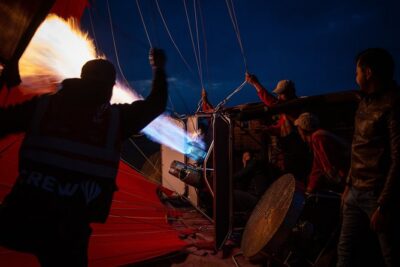
Atlas Mountains Hot Air Balloon Ride from Marrakech with Berber Breakfast and Desert Camel Experience
Read our review →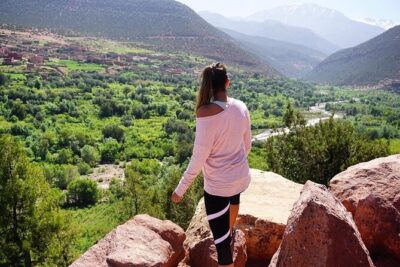
Atlas Mountains, Berber Villages, Agafay & Camel Ride
Read our review →
Balloon Flight, Berber Breakfast, and Camel Ride
Read our review →Browse the lists this tour appears in