
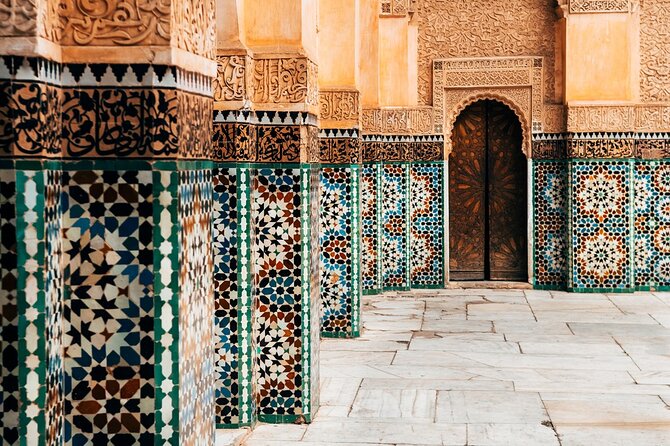
Reviewed · HISTORICAL TOURS
Historical And Cultural Experience in Marrakech City
Marrakech’s Medina can feel like a living puzzle. This guided 3 hour walk through key historic sites helps you make sense of what you are seeing, from palace details to the Jewish quarter and the big mosque landmark.
I especially like the guides. Names that show up in past groups include Noura, Ismael, and Mohamed, and the standout theme is attention, clear explanations, and real help with where to eat and what to buy. I also like that the tour is built around places that are close enough to walk, so you get the “how life fits together” feel instead of rushing between far apart stops.
One drawback to plan for: entrance fees are not included for Bahia Palace and the Saadian Tombs. And because you are spending time in souks and markets, if you prefer only quiet monuments with zero shopping stops, you will want to set expectations ahead of time.
Key things you will notice on this tour
- Tinsmiths Square start, Jemaa el-Fna finish for an easy day plan that ends where the action is.
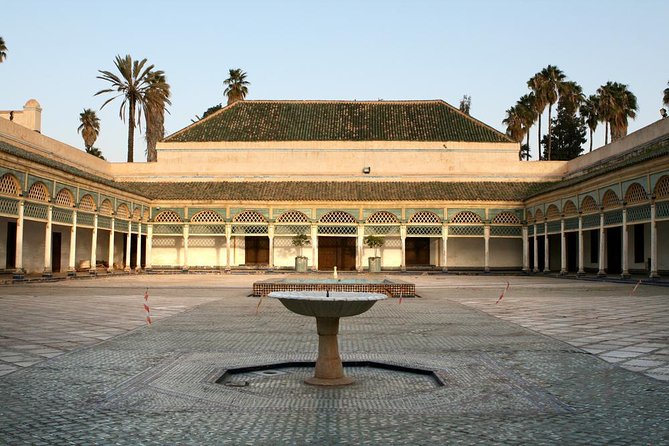
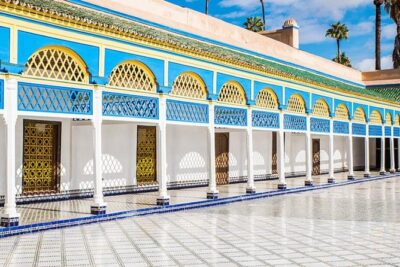
- Bahia Palace to see how the 19th century court shaped Marrakech’s architecture and decor.
- Mellah focus on the Jewish quarter, including visits connected to the Lazama Synagogue area and Miaara cemetery.
- Bab Mellah Spice Souk where you can learn herb and spice uses, not just buy items.
- Saadian Tombs by Kasbah Mosque in a short stop that still matters for royal connections.
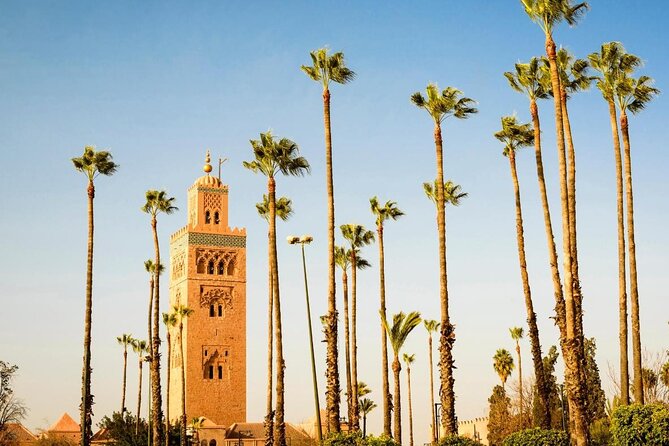
- Koutoubia Mosque as the big visual anchor, with a stop that is free to enter.
Meeting at Place des Ferblantiers, then walking into the Medina pattern
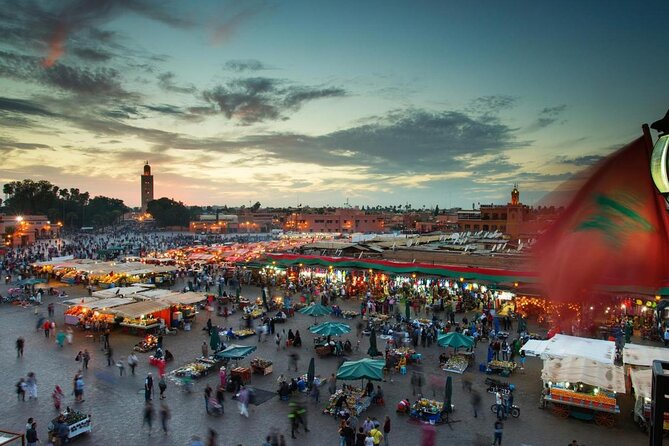
The tour starts at Tinsmiths Square (Place des Ferblantiers), then it ends at Jemaa el-Fna. That matters because the Medina is easiest when you move with a plan. You are not trying to navigate street names while everyone else is calling out, weaving past you, and darting through alley turns.
This is a private tour/activity, so it is only your group. For a 3 hour experience, that usually means more time for questions and fewer “hurry up” moments. You also get a local guide plus a professional guide, which can be a strong combo in a place where architecture, religious sites, and old neighborhoods each need different context.
You will get a mobile ticket, plus confirmation at booking. The tour can also be tailored to your schedule, which is useful if you land late, have a museum time slot, or want a slower pace for photos.
One practical note: there is no pick up and drop off. You will arrive at the meeting point under your own steam, and you should give yourself a little buffer for how Marrakech streets can slow you down.
More City Tours in Marrakech
- Marrakech: Private Guided Half-Day City Tour
★ 5.0 · 1,249 reviews - Marrakech Historical and Cultural Tour – Half Day City Tour
★ 4.5 · 1,180 reviews - Marrakech City Tour: Private Custom-Made
★ 4.5 · 596 reviews
Bahia Palace: a 19th-century palace where power meets design
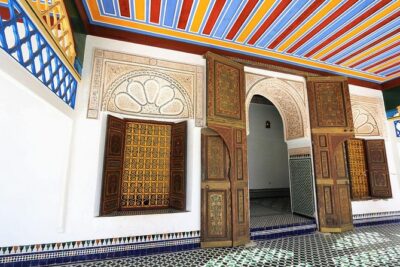
Your first major stop is Bahia Palace, with about 1 hour on site. This palace began in the 1860s under Si Musa, grand vizier to Sultan Muhammad ibn Abd al-Rahman. It was expanded later by his son Si Ba Ahmed ibn Musa, grand vizier to Sultan Moulay Abdelaziz, between 1894 and 1900.
Why I like this stop: it is not just “pretty buildings.” The palace story is a lesson in how wealth and influence shaped space. You can look at the layout and imagine court life, then tie it back to what you will see later in other parts of the city.
What to watch for during your visit:
- Look at how rooms connect, and how decoration shifts depending on what the space was used for.
- When you hear the guide explain the two different eras, it helps you understand why one section can feel older or more restrained while another looks more developed.
The big tradeoff is that the entrance ticket is not included. If you are budget-conscious, you will want to set aside extra cash for palace access. It is still worth it because this is one of the clearest ways to see why Marrakech’s past mattered to how the city grew.
Mellah: the Jewish quarter, synagogues, cemetery peace, and market life
Next is Mellah, with about 1 hour. Mellah is where Marrakech’s history takes on a different tone. The narrow alleys are strongly associated with the city’s Jewish community, and key stops you may see connected to this area include the Lazama Synagogue, with its tiled courtyard and exhibits on Jewish life, plus the Miaara Jewish cemetery.
Even when you are not “museum mode,” this stop adds emotional context. You get a sense of daily life and community rhythms in a way that is hard to pick up if you only rush through sightseeing blocks.
Then the tour shifts into the marketplace side of Mellah. You will be near the Mellah Market, where you can find meat and produce, and the Bab Mellah Spice Souk. The spice souk is one of the most practical parts of the day because it is not only about shopping. You can learn about the herbs used as remedies and the spices used in Moroccan food.
This is where I think a good guide makes the difference. If your guide explains what you are looking at, you can start recognizing flavors you will later taste in a tagine or a cup of mint tea. And if you want to buy something, you are less likely to walk out with random blends you cannot use.
Potential drawback to consider: Mellah and the souks are busy, and there can be vendor attention. The upside is that the tour is built to focus on handicraft and how the industry works, so it should feel more like learning than being shoved into transactions. Still, if you hate crowds and prefer silence, expect a more social environment here.
Tip for photos: in the markets, ask your guide for a quick angle before you start snapping. It saves time and helps you avoid blocking foot traffic.
Saadian Tombs: a short visit that tells a royal story
Your third stop is the Saadian Tombs, with about 30 minutes. They sit on the south side of the Kasbah Mosque, inside the royal kasbah area.
This stop is short, but it is a useful contrast. Bahia Palace shows court life in a more open, decorative way. The Saadian Tombs connect power to lineage and memory, and they do it in a setting that feels more intimate and enclosed.
Why it works in a half day: 30 minutes here keeps you from burning out. You still get something that feels meaningful, then you can reset before the final landmark mosque stop.
Again, the entrance ticket is not included, so plan to cover that extra cost. If you are deciding between spending money on a tomb site versus another ticket somewhere else in the day, I would still choose the Saadian Tombs because this stop links directly to the kasbah area and the city’s ruling eras.
More Historical Tours in Marrakech
- Historical Marrakech Walking Tour
★ 5.0 · 198 reviews - Half Day Guided Tour in Marrakech History & Culture
★ 5.0 · 93 reviews - Marrakech: Historical Discovery Tour
★ 4.1 · 87 reviews - Private Cultural Tour in Marrakech City
★ 5.0 · 77 reviews
Koutoubia Mosque: the big landmark stop that is free to enter
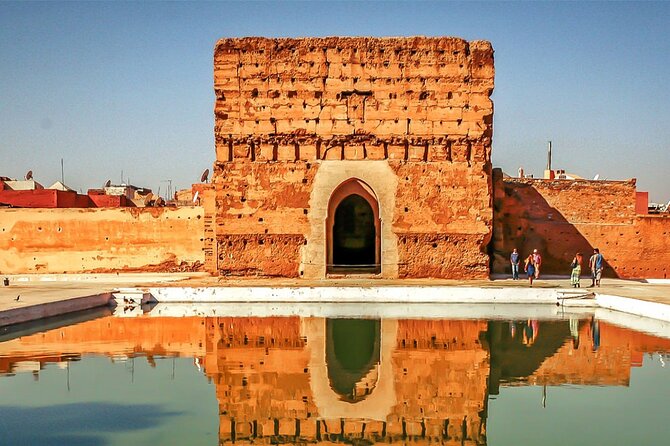
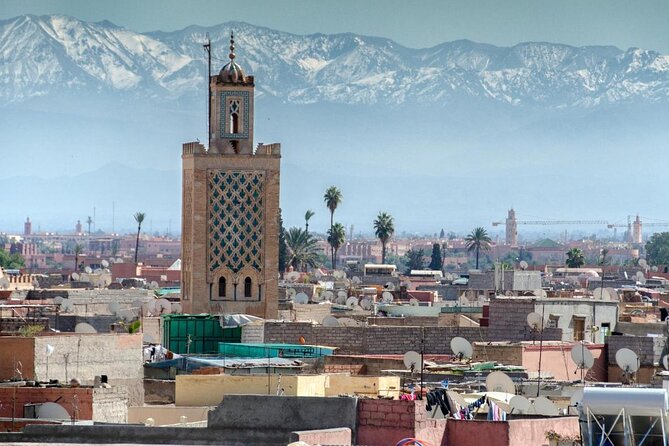
Your last stop is Koutoubia Mosque, one of Marrakech’s best-known sights. It is described as the largest mosque in Marrakech and is located in the southwest Medina quarter. You have about 30 minutes, and the stop is listed as admission free.
What I like about finishing here: Koutoubia Mosque gives you a clear visual reference point. After walking through palaces, a historic Jewish quarter, and royal tombs, the mosque stop feels like a calm anchor. Even if you do not go inside for long, the exterior and the surrounding area help you “place” where you are within the Medina’s geography.
If you are planning your own photos afterward, Koutoubia is one of those spots where it is easier to frame the city than in the tightest alleys. Ask your guide for a couple of quick shot tips, especially if the lighting is changing fast.
Price and value: how the $60 fits, and what to budget extra
The price is listed at $60.00 per person for an approximately 3 hour guided tour. For Marrakech, that is a solid range when you compare what you get: a local and professional guide, a structured route through multiple sites, and a finish at Jemaa el-Fna where you can easily transition into dinner.
The main value levers are:
- You do not have to plan the route yourself.
- You get context for what you are looking at, especially in places like Mellah where “what happened here” matters.
- You gain practical help, like restaurant or spa recommendations from guides such as Noura, which can be hard to source quickly when you arrive tired.
But you should budget for the entrance fees. Bahia Palace and the Saadian Tombs both list admission as not included, while Koutoubia is free and Mellah is listed as free. That means your real total spend depends on which tickets you buy, but you can estimate that the major extra cost comes from the palace and tomb.
One more value point: the tour can be tailored to your schedule, so you are not locked into a “do it exactly or miss it” itinerary. That flexibility often makes a guided Medina walk worth the money, because Marrakech timing can change fast.
Walking logistics and comfort: what will shape your experience most
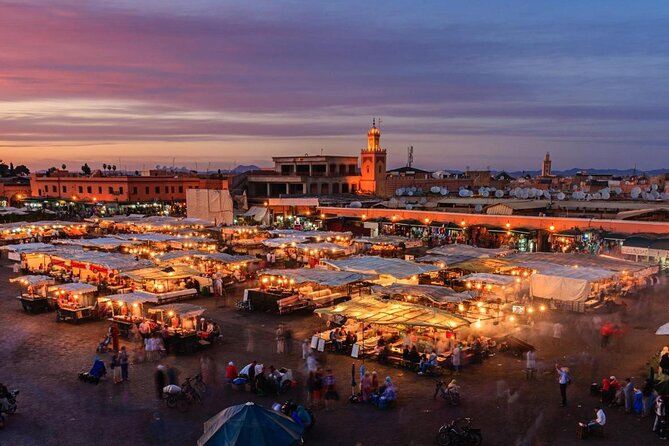
The route is designed for a Medina walk, starting at Place des Ferblantiers and ending at Jemaa el-Fna. That means your feet do the work, not a car. It also means the day will be easier if you come prepared for uneven ground and tight turns.
The stop durations suggest a balanced rhythm: 1 hour at Bahia Palace, 1 hour in Mellah, 30 minutes at the Saadian Tombs, and 30 minutes at Koutoubia Mosque. If you are the type who likes to linger, you will probably want to use the tour’s tailoring option to add a little time where you care most, like Mellah or photos.
Also note what is not included: drinks. Marrakech can get warm, and you do not want to be searching for water between stops while everyone else has moved on.
And if you are considering how the tour moves between points, focus less on vehicles and more on the walk. The spirit of this experience is street-level orientation, not a long drive between far locations.
Who should book this tour, and who should skip it
This tour is a good match if you want:
- A structured orientation to Marrakech’s Medina in a single morning or afternoon chunk.
- Clear explanations of what you see, especially in Mellah and at palace or royal sites.
- A guide who can help you with practical next steps, like where to eat or where to find higher quality crafts in the souks.
It is also a strong choice if you care about photos. In past groups, Ismael stood out for being both knowledgeable and a strong photographer, which is exactly what you want when you are surrounded by walls, shutters, and narrow sightlines.
Consider skipping or adjusting expectations if:
- You dislike markets and vendor areas and want purely monument-only time.
- You are trying to keep costs very low. Entrance tickets for Bahia Palace and the Saadian Tombs are extra, so your final budget will be higher than the base $60.
Should you book this guided Medina walk?
I think you should book it if you want a smart first look at Marrakech’s Medinas and the city’s layers, from palace influence to Mellah’s community story and royal memory in the Saadian Tombs. The combination of short stops with strong context is a nice way to avoid the “I saw a lot, but I learned nothing” feeling.
Book it with two simple preparations: wear comfortable shoes, and budget for entrance tickets at Bahia Palace and the Saadian Tombs. If you do that, you will walk away with a clearer map in your head, plus practical guidance that makes the rest of your Marrakech days easier.
FAQ
What does the $60 price include?
The tour includes a local guide and a professional guide. It also uses a mobile ticket.
Which sites are covered during the tour?
The tour includes Bahia Palace, the Mellah area (including landmarks connected to the Lazama Synagogue and the Miaara Jewish cemetery), the Saadian Tombs, and Koutoubia Mosque.
Are entrance fees included in the tour price?
Entrance fees are not included. Bahia Palace and the Saadian Tombs list admission as not included, while Mellah is listed as free and Koutoubia Mosque is listed as free.
How long is the tour?
The tour lasts about 3 hours.
Where does the tour start and end?
It starts at Tinsmiths Square (Place des Ferblantiers) in Marrakech and ends at Jemaa el-Fna Square (Jamaâ El-Fna) in Marrakech.
Is this tour private?
Yes. It is private, meaning only your group participates.
Are drinks included?
No. Drinks are not included.
Is pickup and drop-off included?
No. Pick up and drop off are not included.
Can I cancel for a refund?
Yes, you can cancel for a full refund if you cancel at least 24 hours before the experience’s start time.
Just reviewed around Marrakech
- Agafay Adventure: Quad & Camel, Dinner Show, Desert with Sunset★ 5.0 · 27 reviews
- Diner show in Agafay Désert & Camels Ride★ 5.0 · 27 reviews
- Toubkal Ascent Trek 4167m 2 days & 1 night★ 5.0 · 28 reviews
- Private 4-Day Desert Tour from Marrakech to Zagora & Merzouga★ 5.0 · 28 reviews
- Marrakech Private Shopping in Berbers souks – Old market★ 5.0 · 28 reviews
- Marrakech: Agafay Desert Inara Camp Pool Day Pass w/ Dinner★ 4.5 · 28 reviews
- Magical dinner show and camel ride & Quad Bike in Agafay desert★ 5.0 · 28 reviews
- Ourika Valley and Berber Village Tour★ 5.0 · 28 reviews
Historical Tours, compared.
Marrakech Historical and Cultural Tour – Half Day City Tour
Read our review →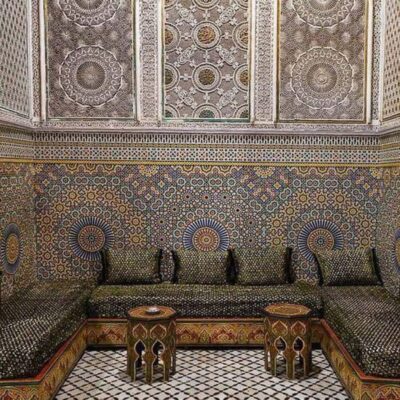
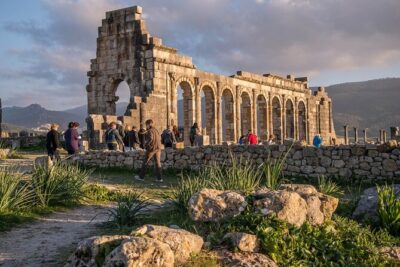
Full-day Historical Meknes Volubilis and Moulay Idriss Tour
Read our review →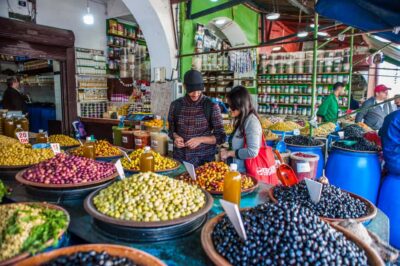
Casablanca Cultural Tour: Medina, Views & Local Delights
Read our review →
Casablanca to Fez: Scenic & Historical Day Trip with Lunch
Read our review →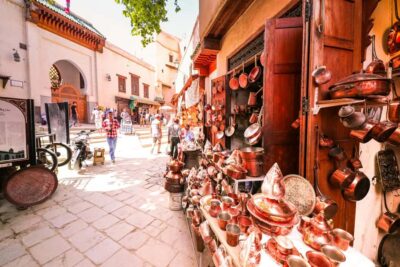
A Guided Walking Tour Through the Historic Medina
Read our review →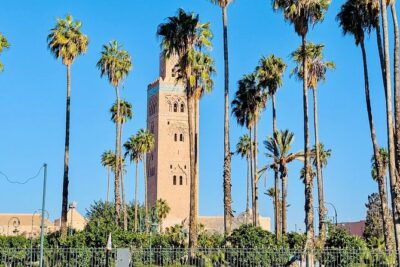
Half Day Guided Tour in Marrakech History & Culture
Read our review →Browse the lists this tour appears in