
Reviewed · SOUKS & MEDINA TOURS
Marrakech: Babouch Making Workshop in the Medina
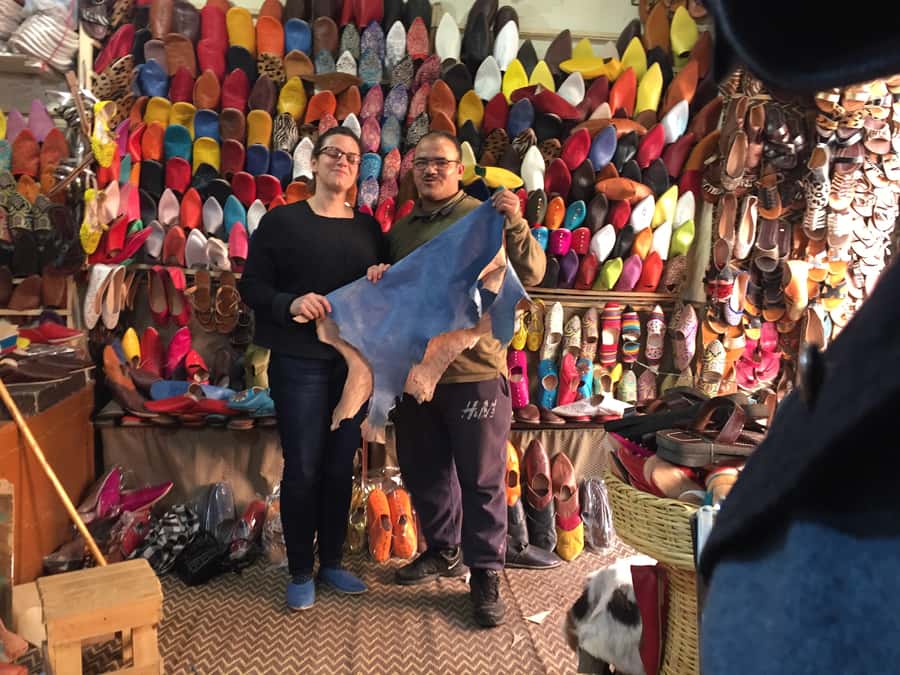
Making babouch slippers in Marrakech is one of those activities that turns the medina from a place you walk through into a place you actually learn. You spend a half-day in a working leather workshop, meeting Youssef, watching the craft happen up close, and then making a pair you can wear or gift.
I especially like two things. First, the skill focus is real, from leather prep to cutting and stitching, so you come away with genuine respect for the craft. Second, the workshop is paced with mint tea and a homemade pastry break, which helps the whole experience feel calm instead of rushed.
One drawback to consider is that the medina is a maze, and the meeting point wording can be confusing (I’d double-check where your guide is standing when you arrive). Once you connect with your guide, it’s smooth.
Key takeaways before you go
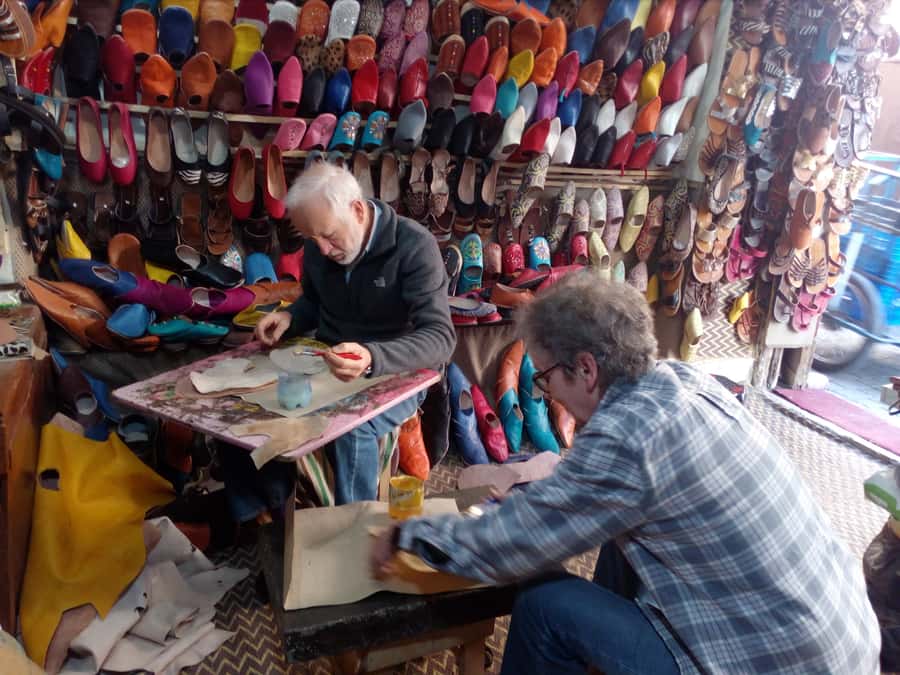
- Hands-on leatherwork with Youssef, a traditional craftsman working in the medina
- You make your own babouch and leave with a finished pair, not just a souvenir photo
- Guides handle navigation and translation, so you can focus on the work instead of wandering
- Tea break plus homemade snacks makes this feel restorative, not only instructional
- Photographs are emailed after the session, so you get a second set of memories
- Private group setting means more attention and a more relaxed pace
Why a babouch workshop feels like Marrakech, not a souvenir factory
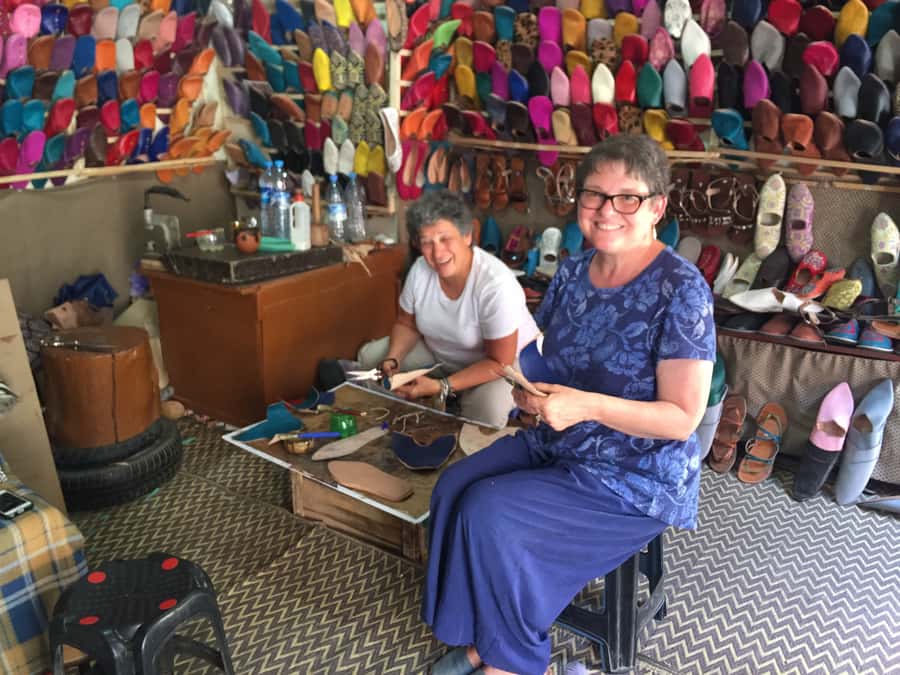
Marrakech’s souks can be loud, crowded, and full of stuff. A babouch making workshop flips the script. Instead of shopping for leather items, you get your hands on the process, so the medina becomes a classroom.
The coolest part is that you’re not just watching someone else work. You’re learning how the workshop turns leather into something you can actually use. You see different leather types, hear about how leather is prepared for working, and then move through the steps that turn flat material into shaped slippers. Even if you’ve never held a needle and thread, you’ll understand the logic behind each stage: template, cut, assemble, stitch, and finish.
This is also a great way to slow down in a place that often demands you keep moving. The pace is relaxed, and there are small leatherwork breaks where you can look around and soak in the scene without feeling pressured.
If you want a classic Marrakech memory, a bag of charms might do it. If you want a memory with actual craft behind it, this is the kind of activity you’ll remember when you’re wearing the slippers months later.
More Medina Tours in Marrakech
- Marrakech: Bahia Palace, Saadian Tombs, Souk and Medina Tour
★ 4.7 · 4,974 reviews - Marrakech: Ben Youssef, Secret Garden, & Souks Walking Tour
★ 4.6 · 2,802 reviews - Marrakech: Colorful Medina Souks Guided Walking Tour
★ 4.7 · 2,470 reviews
Price, time, and what you get for about $81
The workshop runs about 4 hours in total, with 3.5 hours of making time and a break for tea and a homemade snack. For $81 per person, you’re paying for two valuable things: instruction from a master leatherworker and materials plus tools provided so you can complete a pair during the session.
Here’s what you do get included:
- A babouch-making workshop
- A pair of babouch to take home for each participant
- Tea break with homemade snacks and water
- Photographs emailed after the class
That last point matters more than you might think. In a workshop, you can’t always stop mid-step to document everything. Having photos sent afterward helps you remember choices you made and what the process looked like.
Also, this isn’t a large group scramble. The experience is set up as a private group, and that tends to mean you get clearer instruction and less waiting. Even when a session is small, you still get the full “from start to finish” experience.
If you’re trying to compare options, think of this as less like a ticketed attraction and more like a skill session with a finished product. You are leaving with something you made.
Jemaa el-Fnaa meeting point, and how to avoid getting stuck in the wrong spot
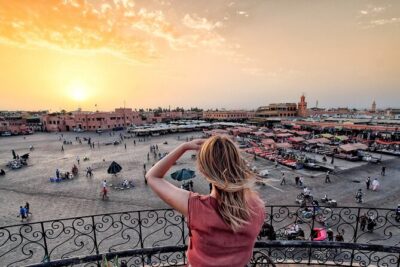
The meeting point is described as being in front of the post office in Jamaa el Fna Square. In practice, the medina has signs and streets that can sound similar, and a few people have found that the written description can be slightly misleading.
My practical advice: arrive a few minutes early, stand in a clear spot, and wait for your guide to confirm with you. If your guide uses a messaging app, be ready to reply quickly. The good news is that once you connect, the guide helps you move through the souks maze with confidence.
Also, note that you’ll likely walk a bit from the square to the workshop area. That’s normal in Marrakech, but plan comfortable shoes, and expect narrow lanes, quick turns, and occasional crowd flow. This is part of the experience, but it’s easier when you’re not doing navigation alone.
One last logistical note: the session includes a guide who can translate, and that matters because leatherwork has specific words. When you don’t have to guess, you learn faster and you feel more relaxed.
Youssef the leatherworker, plus guides like Yasmine and Khaoula
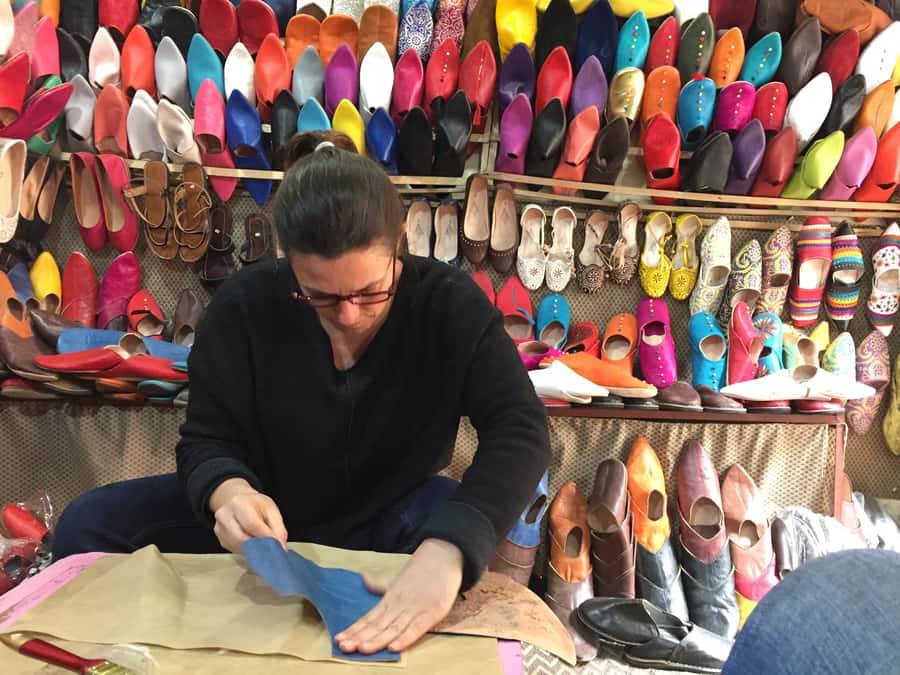
You’ll meet Youssef, the craftsman who works in his studio in the medina. Reviews and descriptions consistently highlight that he’s professional, patient, and genuinely excited to explain the process. That combination is important. Leatherwork is detailed, and you need someone who can slow down and keep your hands moving correctly.
Guides vary by session, but names like Yasmine, Khaoula, and Ouiam show up as translators and helpers. Regardless of the name, the role is the same: help with translation between you and the artisan, keep the workshop moving smoothly, and make sure you get from meeting point to workshop without feeling lost.
This guide support is one reason the workshop feels “easy” despite being hands-on. You’re not just dropped into a shop and told good luck. You’ll get help choosing options like style and color, plus guidance on fitting your size. Some people even mention adjustments being made for smaller feet, which is a sign that they want your slippers to be comfortable, not just finished.
There’s also a social side. In the best moments, conversation flows while you work, and you learn what local craftsmanship means in everyday terms, not as a museum concept. One review even mentions learning about leatherwork traditions passed down through generations, which helps the workshop feel rooted, not staged.
If you like meeting real working people rather than only visiting a place, this format is a strong fit.
If the Marrakech plan still has a gap:
- Marrakech: Agafay Desert Sunset, Camel Ride, and Dinner Show
★ 4.6 · 35,119 reviews - From Marrakech: Ouzoud Waterfalls Guided Hike and Boat Trip
★ 4.7 · 33,630 reviews - Marrakech: Agafay Desert Quad & Camel Rides with Dinner Show
★ 4.8 · 27,382 reviews - Marrakech: Agafay Desert Quad Biking Tour with Dinner-Show
★ 4.8 · 16,569 reviews
Hands-on babouch making: from leather prep to stitching your own pair
This is the heart of the day. The workshop is built around practical stages, and you’ll do the work alongside instruction from the craftsman.
Choosing what you’re making
Before you start cutting, you’ll typically have time to decide on the style and color of your babouch. You may also be guided on sizing so the final pair matches your feet. That part is worth paying attention to because slipper comfort is the difference between wearing your babouch once as a novelty and actually using them at home.
Understanding leather and getting it ready
A big learning moment is how leather is prepared for working. Even if the term details are translated, the practical takeaway is clear: leather isn’t just leather. It behaves differently, and it responds to shaping and stitching in specific ways. You’ll see the variety of leather used, and you’ll understand why the workshop uses particular pieces and thicknesses.
Cutting and constructing
Once templates and materials are ready, you move into cutting and assembly. Many people describe the process as surprisingly hands-on and more work than they expected, which is a compliment. You’ll learn how to cut the leather pieces accurately, and then how those pieces come together into the structure of the slipper.
Expect tools, clear steps, and guidance. If you’re nervous about doing it wrong, don’t be. The craftsman and guide stay involved, and adjustments happen if something needs fine-tuning for your fit.
Stitching and finishing
The final stage is where you really see progress. Stitching takes time, and you’ll likely be amazed by how quickly a craftsman can sew with precision once you’ve watched the process. You might do some stitching yourself while the artisan supervises, or you may see him handle key steps depending on how the workshop is paced for your group.
The finishing stage is where your babouch stops looking like a project and starts looking like a wearable pair. You’ll end the workshop with a completed slipper ready to take home.
What makes this special (and not just a craft demo)
You’re learning a system. Templates and steps matter. The workshop shows how traditional method and careful work create something that fits well. And because this is done in a working space, you also see the artisan at full attention, not performing for a crowd.
A bonus detail from some sessions: the workshop can feel relaxed enough for humor and conversation, and in at least one case, people mention music playing during the work. You probably should not plan your day around a playlist, but the overall mood tends to be friendly and human.
Tea break, calm pacing, and the souvenir you actually keep
Half the value of a workshop like this is the mental reset it gives you. The medina can wear you down, even when you love it. Here, the tea break and snacks act like a natural breather.
You’ll be offered mint tea and a homemade pastry, plus water. It’s not just a snack stop. It’s also a moment to pause while your hands rest and your brain catches up with what you just learned. People often describe the experience as calm, even though it takes place in the medina.
Another small but meaningful detail: there’s time for crowd-watching during workshop pauses. That helps you feel present in Marrakech without feeling like you’re trying to get a photo and escape the chaos.
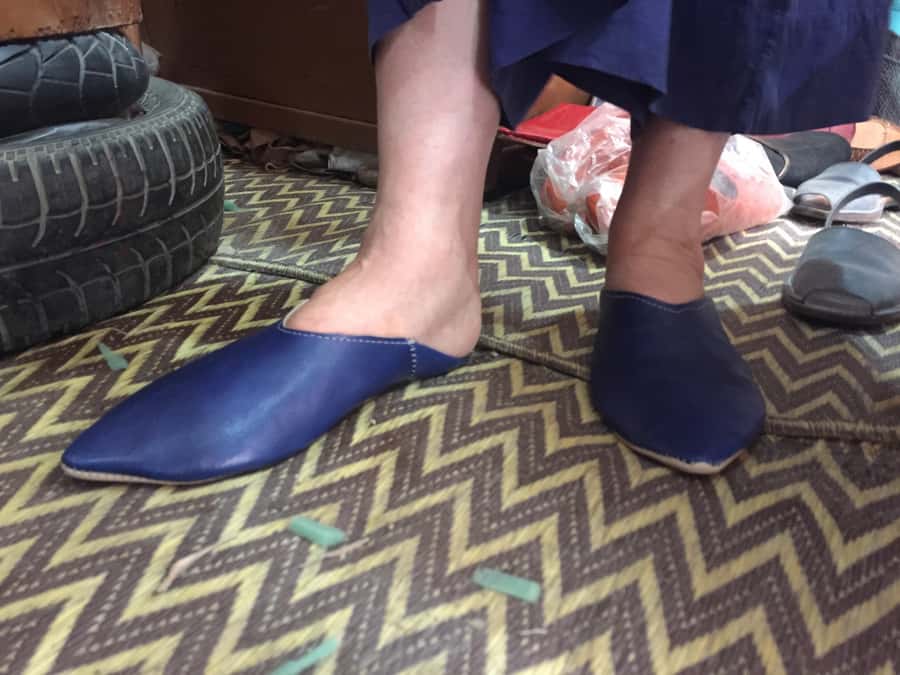
When you finish, you take home your pair of babouch. And because you chose style, color, and size input was supported, you’re not leaving with a generic product. You’re leaving with your own pair.
Optional extra purchases can happen too, depending on your guide and how the day flows. One person mentions buying a tagine pot after the workshop with their guide’s help. If you spot something you love nearby, it’s reasonable to ask for guidance on fair options and the route back, since you’re already with locals who know where to go.
Book it or skip it: who this babouch workshop is best for
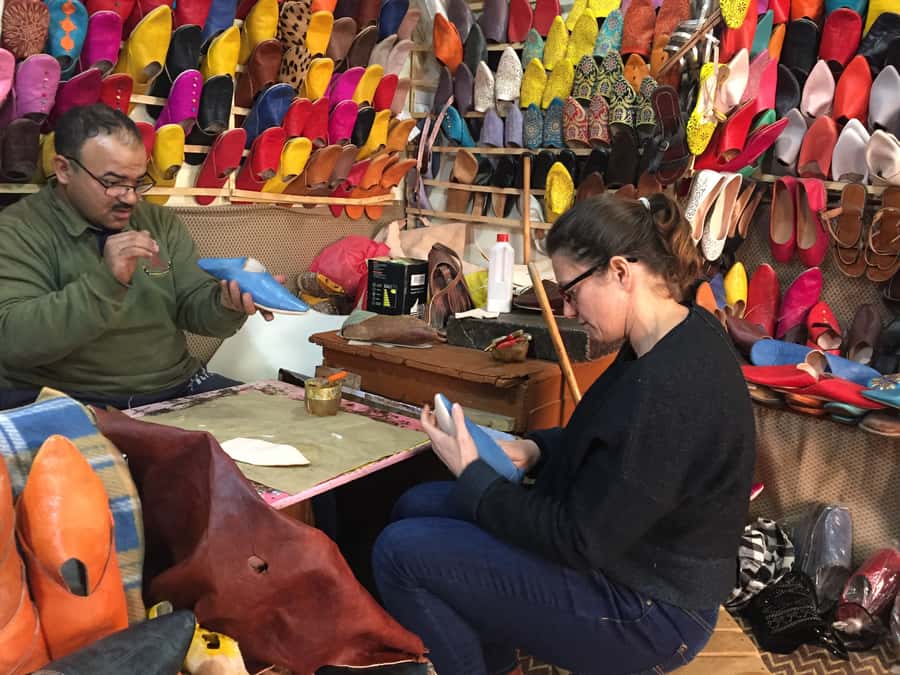
You should book this workshop if you want:
- A hands-on Marrakech activity where you make something real
- A chance to learn from a working artisan like Youssef, not only browse
- A guided experience that reduces the stress of navigating the souks
You might skip it if:
- You’re only looking for quick, low-effort shopping stops
- You want a very large cultural tour component, with museum-style explanations and long walking sightseeing
For most people, this ends up being one of the most memorable half-days of the trip. The workshop blends practical craft, local hospitality, and a take-home souvenir that feels earned.
FAQ
Where do I meet for the babouch making workshop?
You meet in front of the post office in Jamaa el Fna Square.
How long is the workshop?
The duration is about 4 hours total, with around 3.5 hours spent making the babouch.
What is the price?
The price is $81 per person.
What’s included in the price?
It includes the babouch-making workshop, homemade snacks, water, tea break, and a pair of babouch to take home. Photographs from the session are also emailed to you.
Can I choose my style or size?
You will make your own babouch, and you are guided through selecting options like style and color, with support for fitting your size.
What languages are available during the workshop?
The instructor and support are available in English, French, and Arabic.
Is it easy to change plans if my schedule shifts?
Free cancellation is offered up to 24 hours in advance for a full refund, and you can reserve now and pay later to keep flexibility.
Just reviewed around Marrakech
- From Marrakech: Day trip to Ouzoud waterfalls and boat tour★ 5.0 · 73 reviews
- Private horseback ride in the Palmeraie of Marrakech★ 5.0 · 73 reviews
- Marrakech to Essaouira / Small group day tour To Essaouira★ 5.0 · 73 reviews
- 1 Day Guided Tour of World Heritage Kasbah Ait Ben Haddou from Marrakech★ 3.5 · 73 reviews
- Marrakech: Authentic Local Dinner with Transport★ 4.1 · 73 reviews
- Ourika Valley Day trip: Hike, waterfall, lunch and Relax★ 4.8 · 73 reviews
- Waterfalls, Three valleys, Atlas Montains, Camels & Desert★ 5.0 · 73 reviews
- Marrakech: Cycling Tour in Palm Groove with Local Breakfast★ 4.7 · 73 reviews
Souks & Medina Tours, compared.
Bahia Palace, Saadian Tombs, Souk and Medina Tour
Read our review →
Ben Youssef, Secret Garden, & Souks Walking Tour
Read our review →
Saadian Tombs & Bahia Palace, Medina Guided Tour
Read our review →
Museum, Al Attarine Madrasa & Tannery and Medina Tour
Read our review →
Bahia Palace, Madrasa Ben Youssef and Medina Tour
Read our review →Browse the lists this tour appears in