

Reviewed · COOKING CLASSES
Marrakech: Moroccan Cooking Class with Amazing Local Chef!
This Marrakech cooking class is interesting because you cook a full four-course Moroccan meal in a real riad or farmhouse setting, with hands-on help from local chefs like Mehdi. You work with spices and clay-pot tagine methods, so it feels practical, not like a show.
I like two things a lot. First, the day starts with a mint tea welcome ceremony that sets a warm, social tone. Second, you learn Berber cooking techniques that explain why Moroccan flavor tastes the way it does, not just what to do.
One thing to plan for: the meeting spot can be easy to miss because the outside may not have a clear sign, so ring the bell at door 312 and arrive about 15 minutes early for the intro and tea.
Key Highlights You Should Know
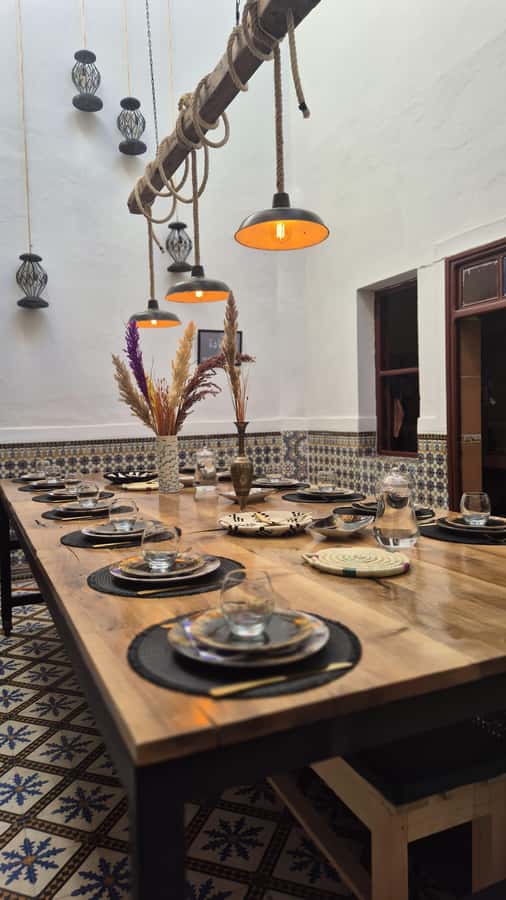
- Riad or farmhouse setting so you cook in a Moroccan home-style environment
- Welcome tea ceremony with a friendly start and quick cultural context
- Tagine of your choice plus Moroccan salads and a proper build of flavor with spices
- M’semmen hands-on bread lesson with practical dough technique and serving ideas
- Sit-down meal with recipe cards so you can recreate what you make later
- English, French, Arabic support with a team that includes chefs and hosts like Chafik, Fatima, and Chaima
Why This Marrakech Cooking Class Beats a Food Tour
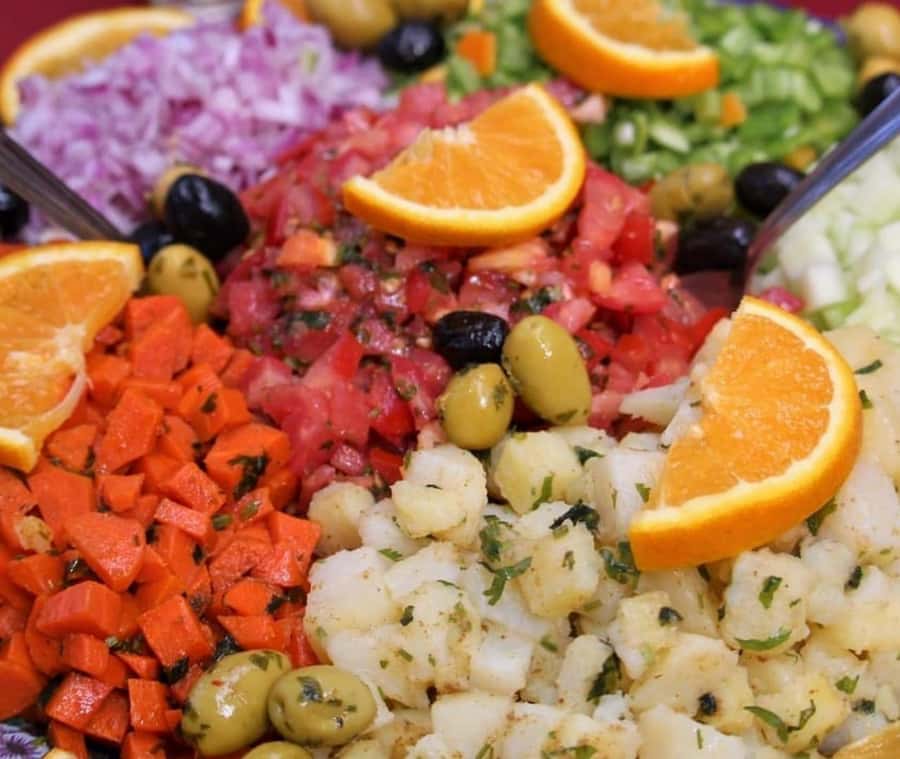
A good food tour feeds you. A good cooking class teaches you how to make the food, with your hands, your nose, and your questions. This one is built around that idea: you spend about 4 hours cooking a four-course Moroccan feast, then you eat what you made as a group.
What makes it especially worth your time in Marrakech is that it is not just about recipes. You get the logic behind Moroccan cooking, like how spices are used in stages, how vegetables and meat behave during slow cooking, and why bread and salads are more than side dishes. Even if you are not a confident cook, the steps are explained in a way you can follow.
At $45 per person, the value is strongest if you want both the meal and the know-how. You are paying for ingredients, utensils, chef guidance, and the final shared dining moment, not just tasting a few bites.
More Cooking Classes in Marrakech
- Marrakech: Moroccan Cooking Class with Pickup
★ 4.6 · 1,862 reviews - Marrakech: Traditional Moroccan Cooking Class & Market Visit
★ 4.8 · 1,861 reviews - Marrakesh: Moroccan Dishes Cooking Class with a Local Chef
★ 5.0 · 1,615 reviews
Arriving at ArtEscape Marrakech, Tea First, Then Aprons
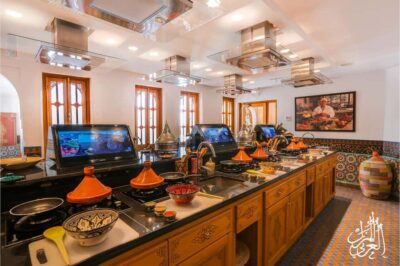
The experience runs in a traditional setting, either a riad or a farmhouse, and you meet by using Google Maps for the pin at ArtEscape Marrakech. Plan to arrive 15 minutes early, because the intro and welcome tea happen right away.
Once you arrive, the welcome is part of the rhythm of the class. You get Moroccan mint tea with pastries, and it is a quick reset from Marrakech street energy to a calmer kitchen pace. If you are trying to find the entrance, know this: in at least some sessions the outside has no obvious sign. You ring the bell, head inside, and you will be good.
For getting there, you can use Uber or InDrive, which is often easier than taxis in the city. The door number is 312, so save it in your phone so you do not have to guess when you arrive. If the provider confirms pickup details to you after booking, keep your contact info accurate so timing and location match up.
How the Class Moves: Clear Instructions, Hands-on Work, Real Questions
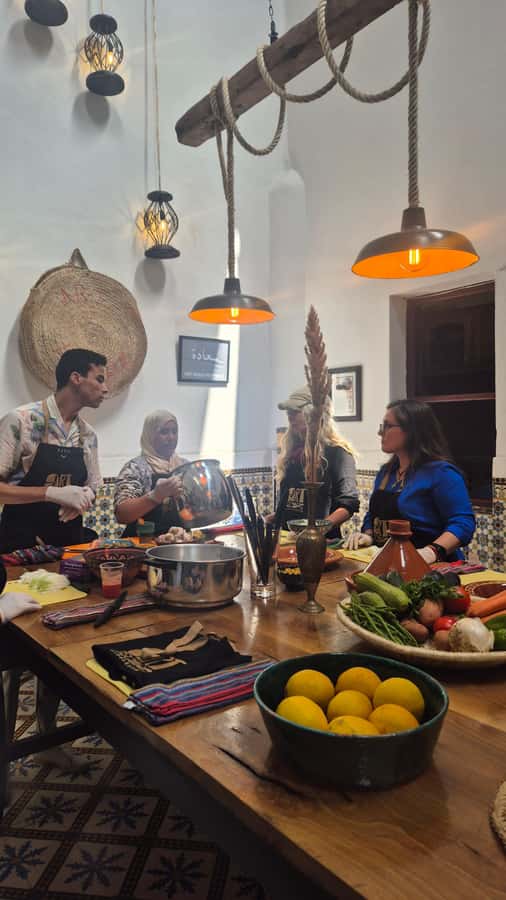
This is a chef-led class with a guide who speaks English, French, and Arabic. That matters more than people think, because Moroccan cooking includes technique details that are hard to guess from a recipe alone. You learn by watching, then doing, then adjusting as the chef corrects your spice balance, heat, and timing.
The best moments are the transitions. You get moving instructions, not long lectures. You prep ingredients, you assemble components, and then you watch the tagine and bread process unfold with guidance. One review theme that you can feel before you even cook is the friendly atmosphere, like you are cooking with people who genuinely want you to succeed.
If you are the kind of traveler who hates “sit and watch” activities, this should fit. Participation is encouraged, and everyone gets involved in the chopping, mixing, shaping, and serving steps.
Your Four-Course Moroccan Menu, Step by Step
Your 4-course meal includes two Moroccan salads, a tagine of your choice, M’sumenn (Moroccan flatbread), and dessert. The exact tagine and salad combinations can vary, but the structure stays the same, and you learn how each dish is built.
If the Marrakech plan still has a gap:
- Marrakech: Agafay Desert Sunset, Camel Ride, and Dinner Show
★ 4.6 · 35,119 reviews - From Marrakech: Ouzoud Waterfalls Guided Hike and Boat Trip
★ 4.7 · 33,630 reviews - Marrakech: Agafay Desert Quad & Camel Rides with Dinner Show
★ 4.8 · 27,382 reviews - Marrakech: Agafay Desert Quad Biking Tour with Dinner-Show
★ 4.8 · 16,569 reviews
Course 1 and 2: Moroccan salads that set the flavor tone
The salads are not an afterthought. You make two Moroccan-style salads, which helps you understand how North African flavors work alongside tagines. Expect fresh ingredients, simple seasoning, and a balance that prevents the meal from feeling heavy.
Practical takeaway: if you want to recreate Moroccan meals at home, you need the salad foundation. When you get the seasoning right here, everything else tastes more convincing, even if you do not copy the exact brand of spice.
The tagine course: slow cooking, clay-pot logic, and spice layering
Your main course is a tagine of your choice. Many sessions include options like chicken and vegetable tagines, and you learn the care that goes into building it properly. A tagine is not just “meat and sauce,” it is texture and timing. You will hear stories and get explanations about Moroccan food culture while you assemble and prepare the dish.
One of the most useful parts of this course is learning how spices and ingredients are balanced, and why the slow cooking method makes sauces taste rounded rather than harsh. In real life, that is the difference between a meal that tastes good and a meal that tastes like you nailed Moroccan technique.
M’sumenn bread: the hands-on bread lesson people remember
After the savory cooking, you shift into the bread part of the class. You make M’sumenn, a Moroccan flatbread made with semolina flour. Reviews highlight how flaky and satisfying it is, and the hands-on shaping and cooking steps are usually what makes people smile the most.
You also learn serving ideas that go beyond bread on a plate. Depending on your session, you might eat it with dips such as nut butter, honey, or other ingredients like sunflower oil.
Dessert: a sweet finish that matches the day
Dessert is the final course, and it is usually something blended or simple to serve right after cooking. Examples from previous groups include a blended dessert made with beetroot, oranges, a touch of lemon, and mint. In some sessions, the sweet finish can be pancakes with honey, which turns into a fun, memorable end to the meal.
Practical takeaway: dessert helps you see how Moroccan meals often end with gentle sweetness and flavors that pair well with mint tea.
M’sumenn Mastery: The Dough, The Flake, The Timing
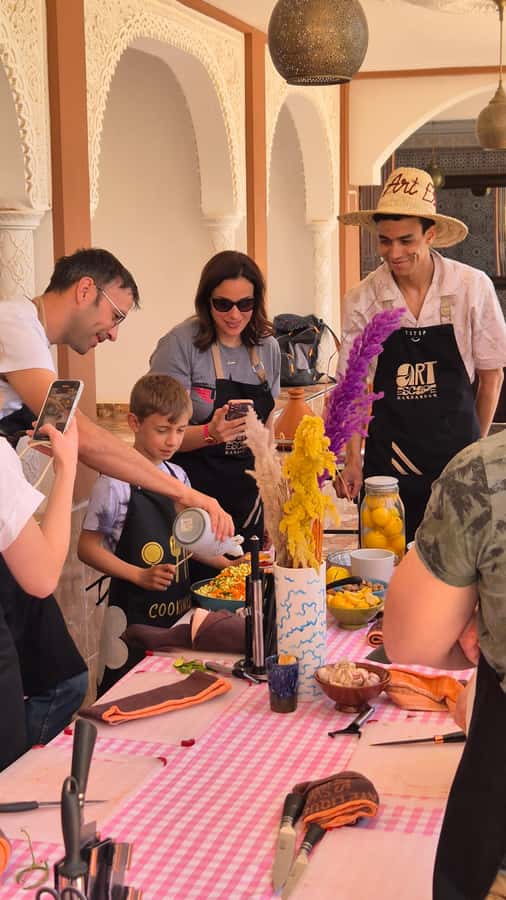
If you only care about one dish from the class, make it M’sumenn. This is where you get the tactile skills that most home cooks never practice, and the chef guidance keeps it from feeling intimidating.
You work with semolina dough and learn how to shape it into the kind of layered bread that turns flaky when cooked. The difference is in the handling and timing, and the class format makes it easier to fix mistakes early, rather than “finding out” after the bread is already done.
What I like about this part, for your learning, is that it is repeatable. Once you understand the dough behavior, you can adapt it at home. You do not need a Moroccan kitchen, just patience and a willingness to try again.
Then comes the best payoff, you eat what you made while it is fresh. Whether your session includes honey, nut butter, or other dips, the bread is designed to carry the sweetness and richness without feeling greasy or heavy.
The Shared Meal Moment and the Recipe Cards to Take Home
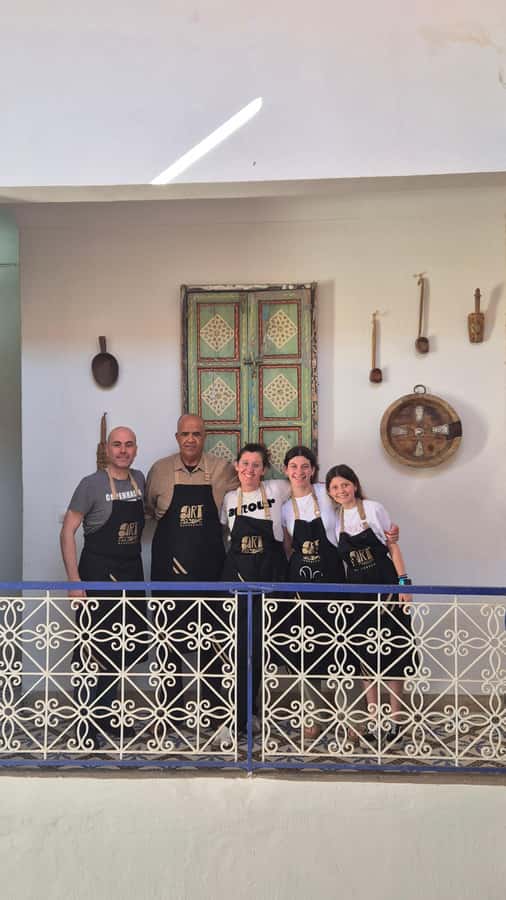
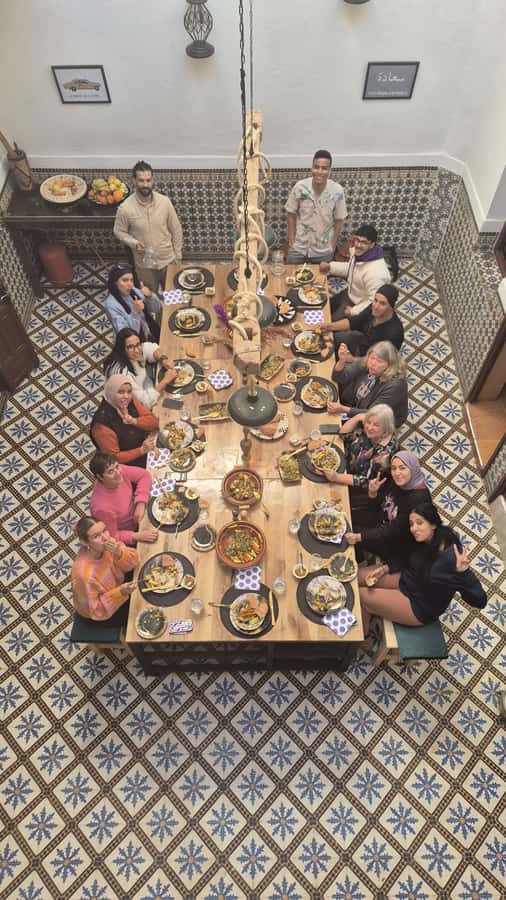
The best part of most Marrakech cooking classes is the table. After cooking, you sit down together and eat the four-course meal in a decorated setting, with Moroccan mint tea flowing as you go.
This matters because the chefs are not just teaching technique, they are teaching the meal experience. You learn how dishes are meant to be eaten, how to balance bites of tagine with bread and salads, and how dessert and tea close out the meal.
You also leave with beautifully designed recipe cards. That is what turns a fun afternoon into a useful memory. If you write down which tagine you chose and what spice balance you liked most, the cards become a guide you can actually use after your trip.
Language Support, Group Vibe, and Family-Friendly Reality Checks
The class is run with a guide speaking English, French, and Arabic, which is a big deal in a place like Marrakech where visitors often feel language gaps. You can ask questions and get explanations clearly, and that reduces the usual stress of cooking classes.
The vibe is also consistently described as warm and welcoming. You are encouraged to take part, not just watch. In some sessions it can be small, even close to one-on-one attention, which makes it easier to learn technique without feeling rushed.
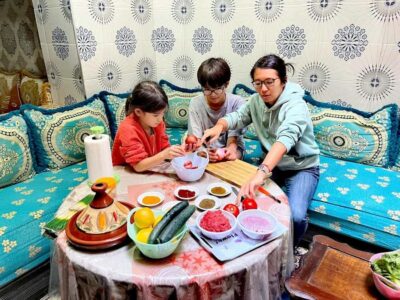
This is also a solid family-friendly activity. It works for adults, and reviews mention teens doing it too. If you are traveling with kids, you might find it’s a nice balance of hands-on work and group eating, not just a long standing tour.
One reality check: you will be standing, chopping, and moving around for hours. So wear comfortable shoes. Also bring a camera if you want photos of the cooking and the meal setup, since you do not just have street scenes to capture in Marrakech.
Price and Value: What You Really Get for $45
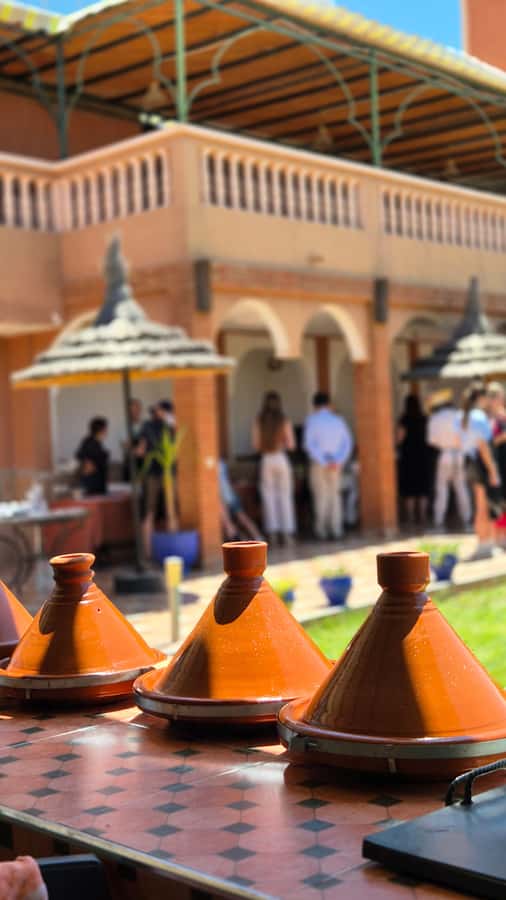
At $45 per person for 4 hours, you are buying more than entertainment. You are paying for chef time, fresh ingredients, utensils, a structured class, cultural storytelling during the cooking, and a shared meal at the end.
Here is how I measure the value:
- If you just ate Moroccan food in a restaurant, you might spend similar money, but you would not learn the technique.
- If you booked a cooking class somewhere more tourist-focused, you might get a single dish and a short session. Here, you cook four courses, including the bread, the tagine, and dessert.
- You leave with recipe cards, so the value continues after you go home.
So if you want one Marrakech experience that makes your trip linger in your kitchen later, this is strong value.
Quick Tips Before You Go (and Who This Fits Best)
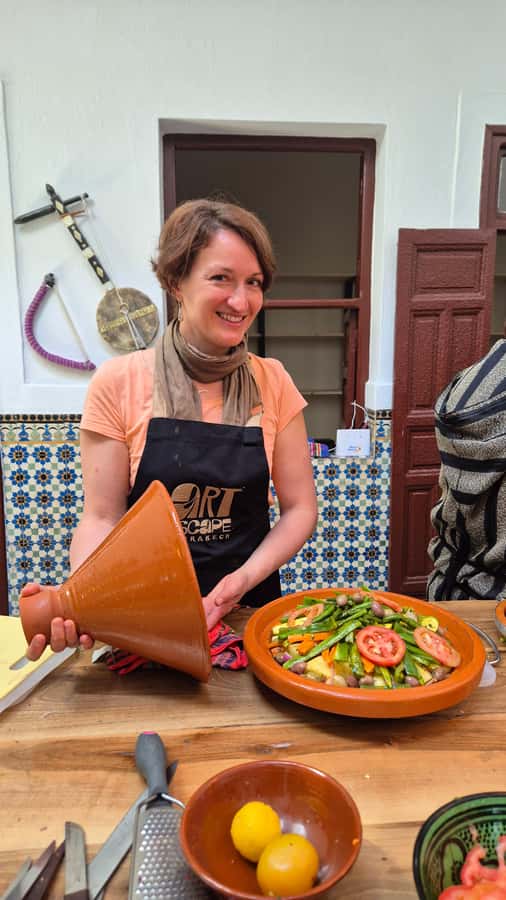
Bring comfortable shoes and a camera. That is the practical baseline.
Think about dietary needs too. Vegetarian options are available, and you should inform the team during booking about allergies or dietary restrictions. If you want to avoid surprises, list what you cannot eat so the chef can adjust.
This activity is wheelchair accessible, and it is not suitable for babies under 1 year. Pets are not allowed, and alcohol and drugs are not allowed. If you follow those rules, you will be able to enjoy the class without interruptions.
If you are the type of traveler who likes hands-on activities more than museum stops, you will likely love it. If you want a quiet, slow, sit-down experience only, it might feel a bit active, but the pacing is designed to keep everyone included.
Should You Book This Marrakech Cooking Class?
Yes, if your goal is to leave Marrakech with a real skill, not just a full stomach. The combination of a four-course meal, chef-led hands-on instruction, and recipe cards makes it a practical “do this once” experience.
I would especially book it if you care about tagines and bread, or if you want a family-friendly activity that also teaches you something. Just make sure you arrive early, find the door by number, and plan for a hands-on kitchen afternoon.
FAQ
Where is the meeting point in Marrakech?
Use Google Maps and search for ArtEscape Marrakech for the exact pin location. Aim to arrive about 15 minutes early, and the door number is 312.
What time does the class run?
The morning session runs from 10:30am to 2:30pm, and the total duration is about 4 hours.
How much does it cost?
The price is $45 per person.
What dishes are included in the 4 courses?
You will make two Moroccan salads, a tagine of your choice, Moroccan Msumen bread, and a dessert.
Is vegetarian food available?
Yes. Vegetarian options are available. If you have allergies or dietary restrictions, you should inform the team during booking.
What languages are used during the cooking class?
The activity is conducted with a guide who speaks English, French, and Arabic.
Is pickup or transport provided?
Pickup details can be confirmed after booking, and you should provide accurate contact details so the pick-up time and location can be confirmed. You can also use Uber or InDrive to get there.
Is the activity wheelchair accessible?
Yes, the activity is wheelchair accessible.
What should I bring, and what is not allowed?
Wear comfortable shoes and bring a camera. Pets are not allowed, and alcohol and drugs are not allowed.
Is this suitable for babies?
It is not suitable for babies under 1 year.
Just reviewed around Marrakech
- From Marrakech: Day trip to Ouzoud waterfalls and boat tour★ 5.0 · 73 reviews
- Private horseback ride in the Palmeraie of Marrakech★ 5.0 · 73 reviews
- Marrakech to Essaouira / Small group day tour To Essaouira★ 5.0 · 73 reviews
- 1 Day Guided Tour of World Heritage Kasbah Ait Ben Haddou from Marrakech★ 3.5 · 73 reviews
- Marrakech: Authentic Local Dinner with Transport★ 4.1 · 73 reviews
- Ourika Valley Day trip: Hike, waterfall, lunch and Relax★ 4.8 · 73 reviews
- Waterfalls, Three valleys, Atlas Montains, Camels & Desert★ 5.0 · 73 reviews
- Marrakech: Cycling Tour in Palm Groove with Local Breakfast★ 4.7 · 73 reviews
Cooking Classes, compared.
Traditional Moroccan Cooking Class & Market Visit
Read our review →
Moroccan Dishes Cooking Class with a Local Chef
Read our review →
Moroccan Cooking Class & Marrakech Market Visit with Chef Khmisa
Read our review →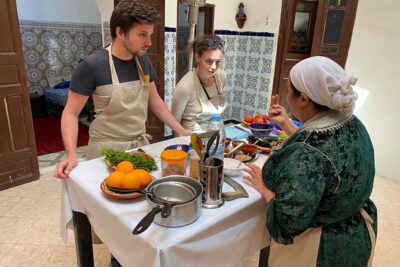
Half-Day Cooking Class with Local Chef Laila in Marrakech
Read our review →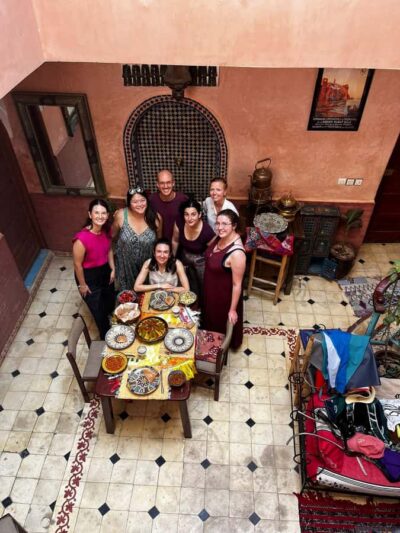
Browse the lists this tour appears in