
Reviewed · WORKSHOPS
Marrakech: Moroccan Pastries and Tea Class with a Local
Moroccan pastries are interesting because they are part food, part craft, and part quiet theater: you shape, bake, and then pour tea like it matters. I love the hands-on focus, and I also love that you finish with fresh mint tea and warm pastries you made yourself. One thing to consider: you’ll be in a real cooking setting, so bring comfy clothes and plan to follow the timing, not wander off mid-class.
The payoff is big for the money, too, because it’s not just a demo. You learn practical steps from a local instructor, taste what comes out of the oven, and leave with a box of pastries. The only downside is simple, but real: hotel pickup is not included, so you need to get yourself to the meeting point.
Key things to know before you go
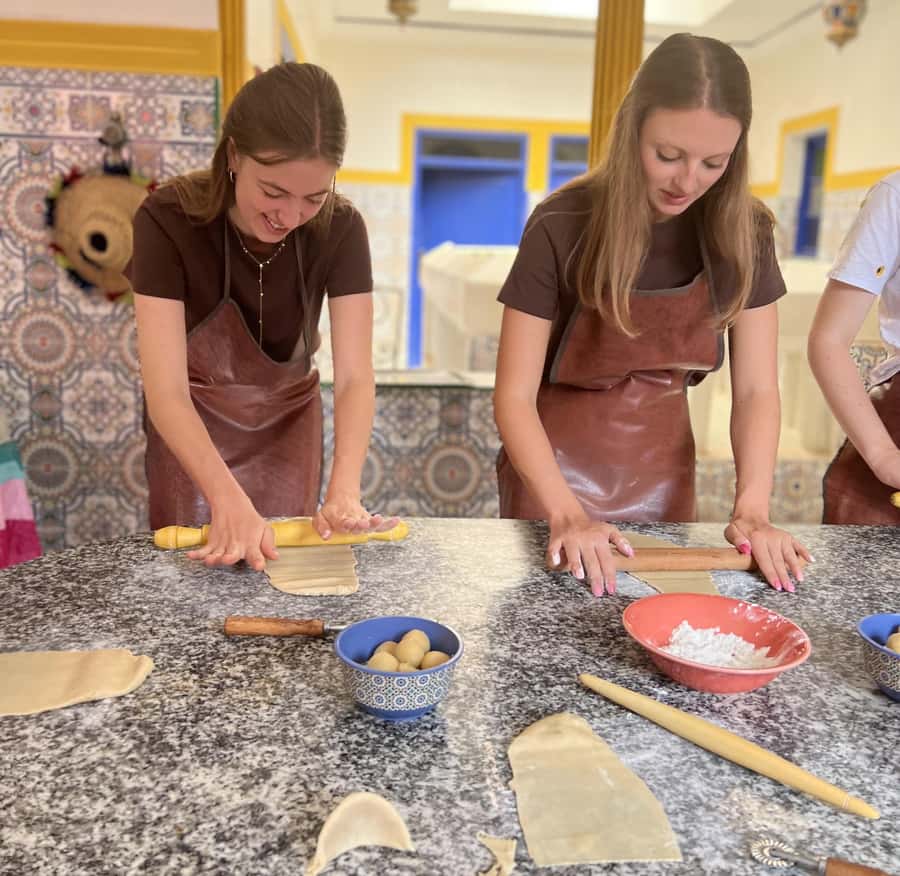
- Small group size (up to 10): more face time with your instructor and easier hands-on coaching
- You bake, then you eat: tasting happens right after the pastries come out
- Mint tea skills: you learn how to make Moroccan mint tea and try the pouring
- Take-home box included: you’re not forced to finish everything on the spot
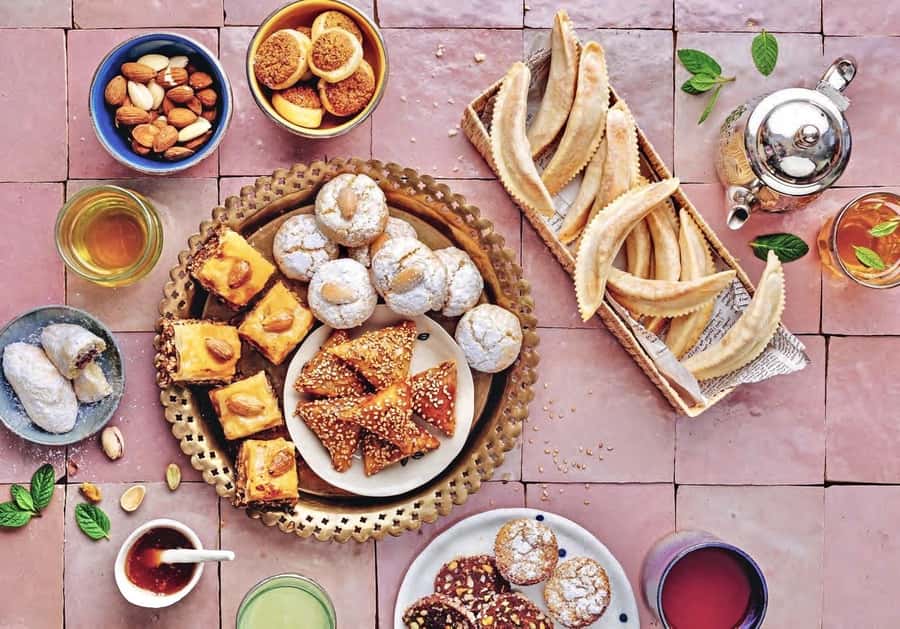
- Traditional pastries and flavor tricks: the class can include items like fekkas and kaab el ghazal, plus aromatic ingredients
- Clear communication: instruction is available in Arabic, French, and English
Why this Marrakech pastry and tea class feels different
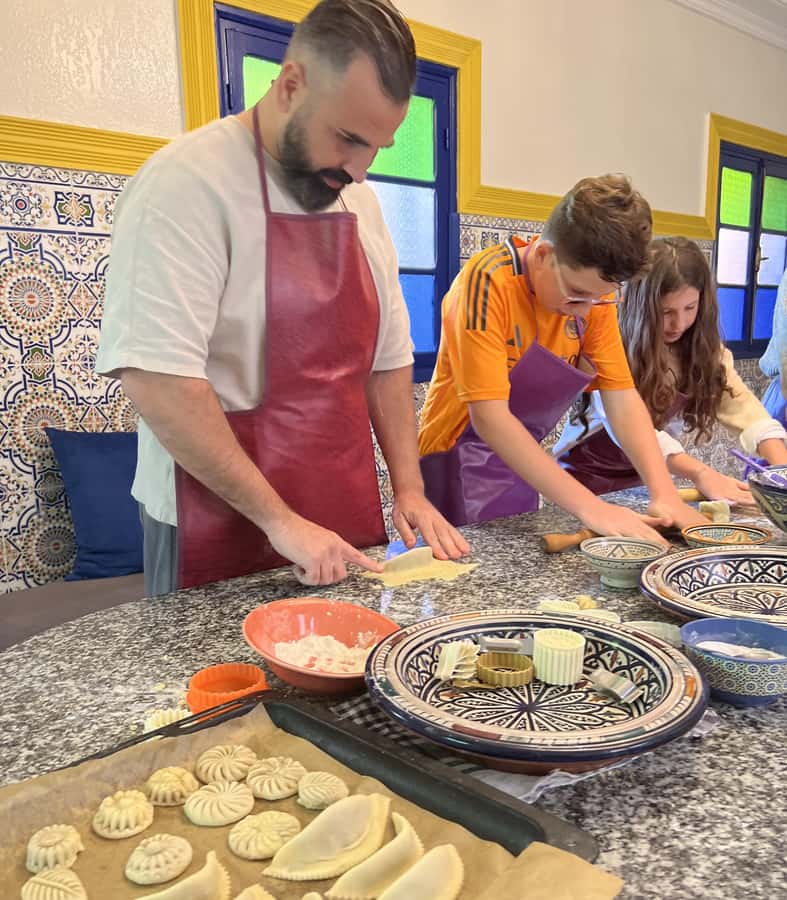
If you want Marrakech that’s less about quick photo stops and more about learning real skills, this class hits the sweet spot. In about 150 minutes, you trade the souk shuffle for a kitchen rhythm where dough, spices, and tea actually take center stage.
The best part is that you’re not just watching. You’re shaping pastries, paying attention to texture and timing, and picking up the little methods that make Moroccan pastries taste like Moroccan pastries. It’s the kind of activity that makes the city feel personal, because you bring something home that you helped create.
And yes, you also get the tea moment. Moroccan mint tea is a big part of hospitality culture, and here you learn how to make it and get hands-on with pouring. It’s a fun skill to show later, especially if you’re traveling with friends or family.
Set these Marrakech options side by side
- Tangier: Sunset, Tea, Sweets, Camel Ride, and Hercules Caves
★ 4.9 · 575 reviews
Getting there: meeting point basics and why they matter
The workshop meeting point is sent to you before your experience date. There is no hotel pickup or drop-off included, so you’ll need to plan your own route.
That’s worth thinking about for two reasons. First, if you’re late, it can be hard to slot into a cooking class mid-process. Second, these classes run in a small group, so the schedule matters.
If you’re taking a taxi, aim to confirm the exact door or entrance with whoever’s driving. In practice, this kind of workshop tends to be easier when you arrive calm and ready, not when you’re searching around trying to guess the right building. Wear shoes you can stand in, because you’ll be working at counter height and moving around a bit.
The 150 minutes: what the schedule feels like in real life
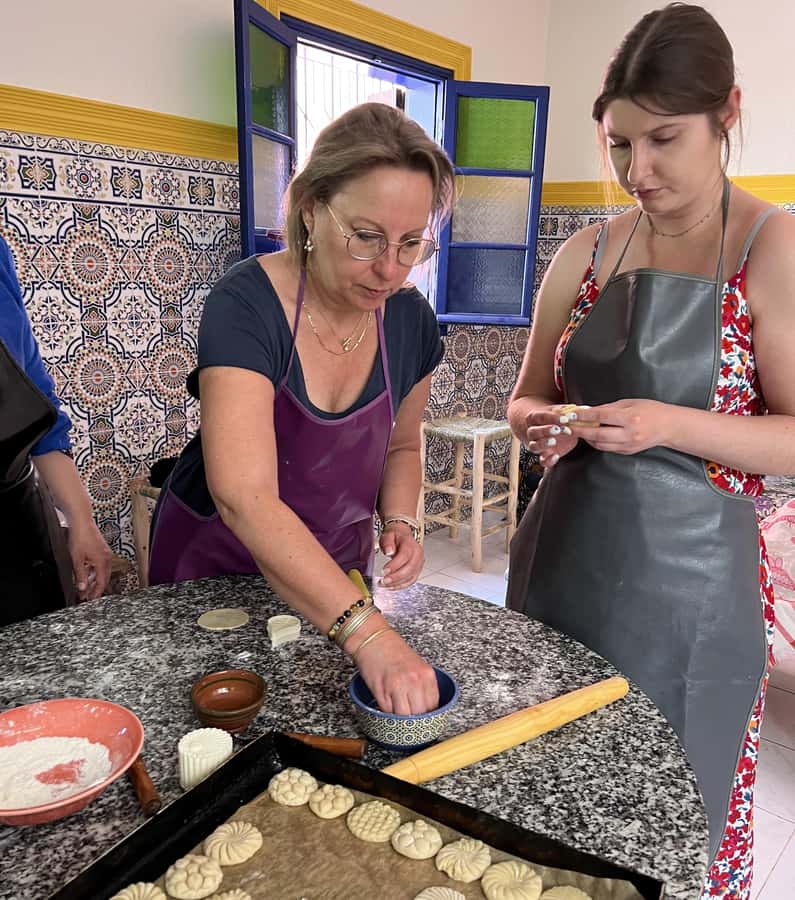
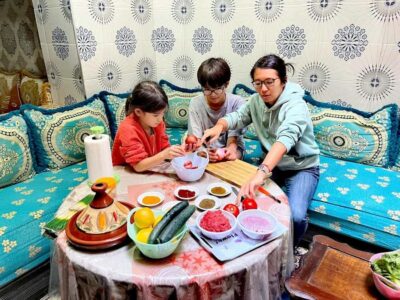
This is a 2.5 hour experience, and it’s designed to feel complete rather than rushed. The session includes a Moroccan pastry cooking class, a tasting with Moroccan mint tea, and time to pack up a box of pastries to take home.
In plain terms, expect the class to follow this arc:
- You start with instruction and ingredient guidance.
- You work through the steps for shaping and preparing Moroccan pastries.
- You bake and taste what you made.
- You move into Moroccan mint tea, including hands-on pouring.
- You finish with your take-home box.
Because it’s small, you’ll likely get help as you go, especially if you’re not a confident cook. That’s a big deal. Moroccan pastry is precise, and small changes can affect texture.
Moroccan pastries in a local workshop: the craft you actually learn
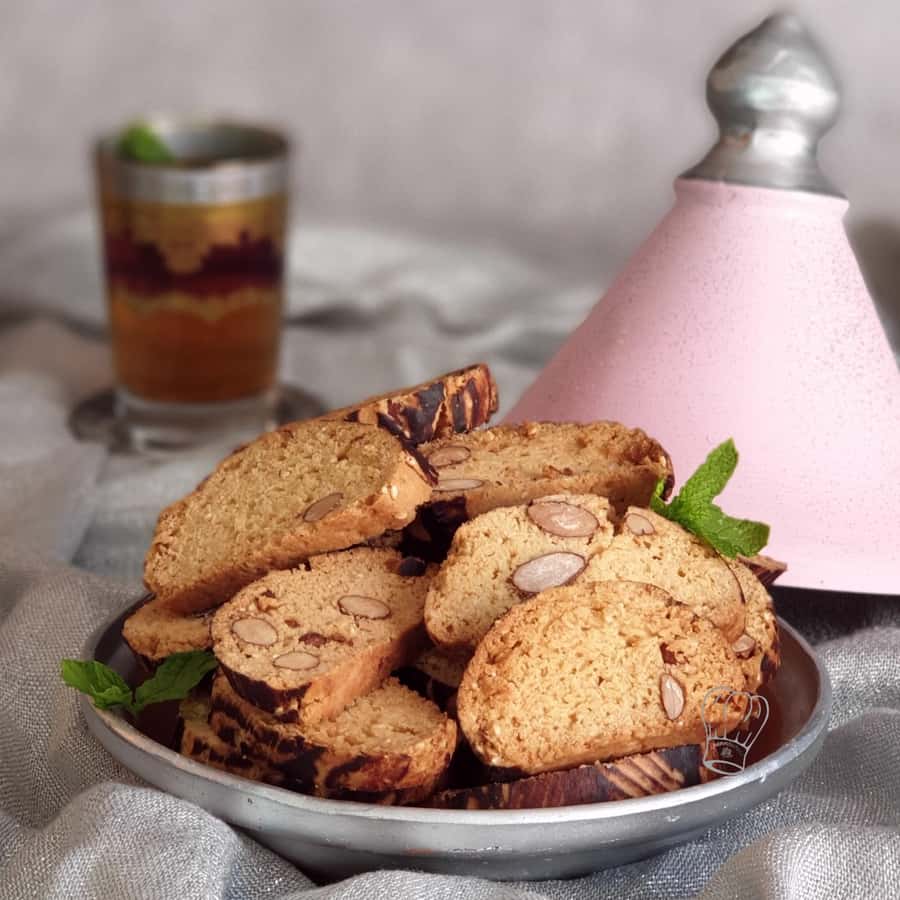
The pastry portion is the heart of the experience, and it’s built around technique. The goal is not just to follow a recipe, but to understand the tricks that make Moroccan pastries unique.
Here’s what makes this class valuable even if you’ve baked before. The flavors and shapes are traditional, but the methods are what matter. You’ll learn simple steps with the right order and timing, plus the kind of precision that separates something tasty from something truly authentic.
If the Marrakech plan still has a gap:
- Marrakech: Agafay Desert Sunset, Camel Ride, and Dinner Show
★ 4.6 · 35,119 reviews - From Marrakech: Ouzoud Waterfalls Guided Hike and Boat Trip
★ 4.7 · 33,630 reviews - Marrakech: Agafay Desert Quad & Camel Rides with Dinner Show
★ 4.8 · 27,382 reviews - Marrakech: Agafay Desert Quad Biking Tour with Dinner-Show
★ 4.8 · 16,569 reviews
Pastry styles and flavors you may make
Depending on the class flow, you can end up making traditional Moroccan pastries such as fekkas and kaab el ghazal. You’ll also work with aromatic ingredients that give the pastries their signature character. One example from the class experience includes flavors like fennel seeds and orange blossom water.
Even if you’re not sure you’ll love fennel or orange blossom, you should treat this as tasting education. Moroccan baking often balances sweet, floral notes, and spice in a way that works because of proportions. This class helps you understand that balance, not just copy it.
Why the hands-on part pays off back home
When you learn the shaping and preparation steps, you can reproduce the results later. The class isn’t only about eating. It’s about getting your hands to remember the process.
That’s also why the tasting matters. You see what “right” looks and tastes like while it’s still fresh, not a week later when you’re troubleshooting at home. You can adjust quickly because you’re still in learning mode.
Moroccan mint tea: the skill behind the hospitality
If Marrakech has one drink that feels like a welcome, it’s mint tea. Here, you learn how to make Moroccan mint tea as part of the session, and then you enjoy it with your pastries.
Tea in Morocco is not only ingredients. It’s method. The way the tea is poured affects how it feels, and the class builds in that moment where you try it yourself.
That pouring part is surprisingly fun. It turns the end of the class into something you can share instantly. It’s also useful when you get back home, because mint tea is one of those recipes where people remember the ritual, not just the taste.
What to expect from the tea side
You’ll have a tasting session with Moroccan mint tea during the class. You’ll pair it with the pastries you baked, so you can taste how the tea complements the flavors you just learned.
Also, because the instructor supports multiple languages, you’re less likely to miss key points about the tea. That means you can focus on the steps rather than figuring out what someone is telling you mid-motion.
Tasting, take-home box, and how to keep it enjoyable
This is a class with real food, not a symbolic snack. You taste the pastries you baked right at the end, usually warm and fresh, which makes a big difference in how Moroccan pastries come across.
Then comes the best practical part: you get a box of pastries to take home. That means you can keep some for later, share with family, or stash them for a travel day meal.
Practical storage tip (based on how pastry behaves)
Even though the details aren’t spelled out in the info you have, pastry texture usually changes as time passes. If you’re taking it home, plan to pack it promptly and keep it away from humidity if possible. If you’re eating on the way, try not to crush the delicate pieces.
The takeaway is simple: this class gives you food now and later, without the awkward pressure to eat everything on the spot.
Value check: is $40 per person actually fair?
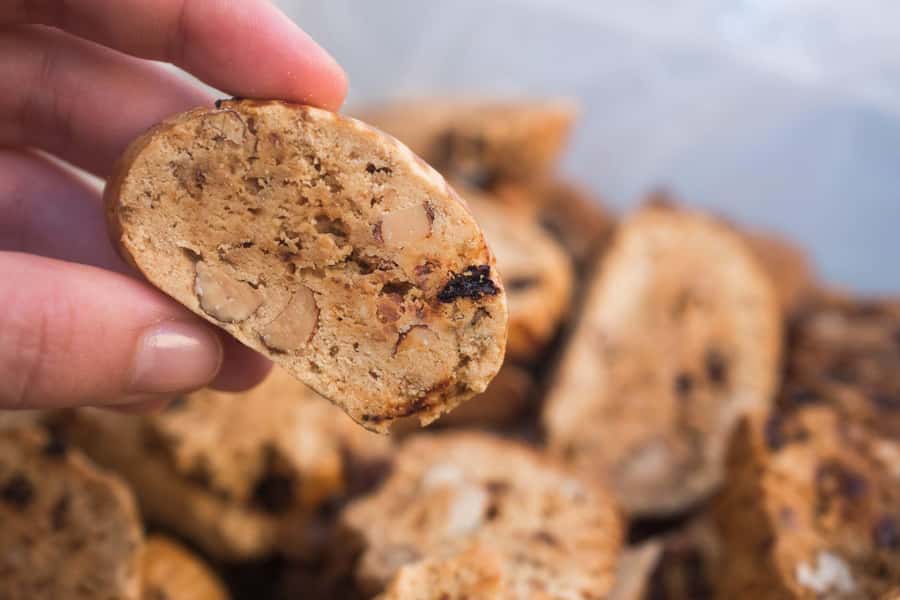
At $40 per person for about 150 minutes, this is good value if what you want is skill plus food, not just entertainment. Many Marrakech tours cost more for a short tasting and a photo stop.
Here, the price includes:
- The Moroccan pastry cooking class
- All necessary cooking equipment
- A box of pastries to take home
- A tasting session with Moroccan mint tea
So you’re paying for instruction, ingredients and tools are covered through the class setup, and you get edible results you can bring home. That combination is what makes it feel worth it.
And because it’s limited to a small group of 10, your time with the instructor is likely more useful than in larger classes. In at least one case, a small booking group became a more private-feeling session, which is exactly what you hope for when class sizes are capped.
Who should book this class, and who should skip it
This is especially good for:
- Food-focused travelers who want to do more than eat
- Families looking for a calm break from the souks
- People who want an easy, hands-on activity with a clear structure
- Travelers who appreciate traditional flavors like floral and spice notes
It’s also a smart pick if you’re heading deeper into Morocco afterward and want a food confidence boost before your next stop. Learning how pastries work helps you understand what you’re buying later.
If you should be cautious
This is not designed for very young children. It’s not suitable for children under 4 years. Also, participants under 18 must be accompanied by an adult.
If you have serious dietary restrictions or allergies, you must provide allergy information in advance. That’s not a place to wing it, because the class includes baking and flavoring choices.
What to bring so you enjoy the class more
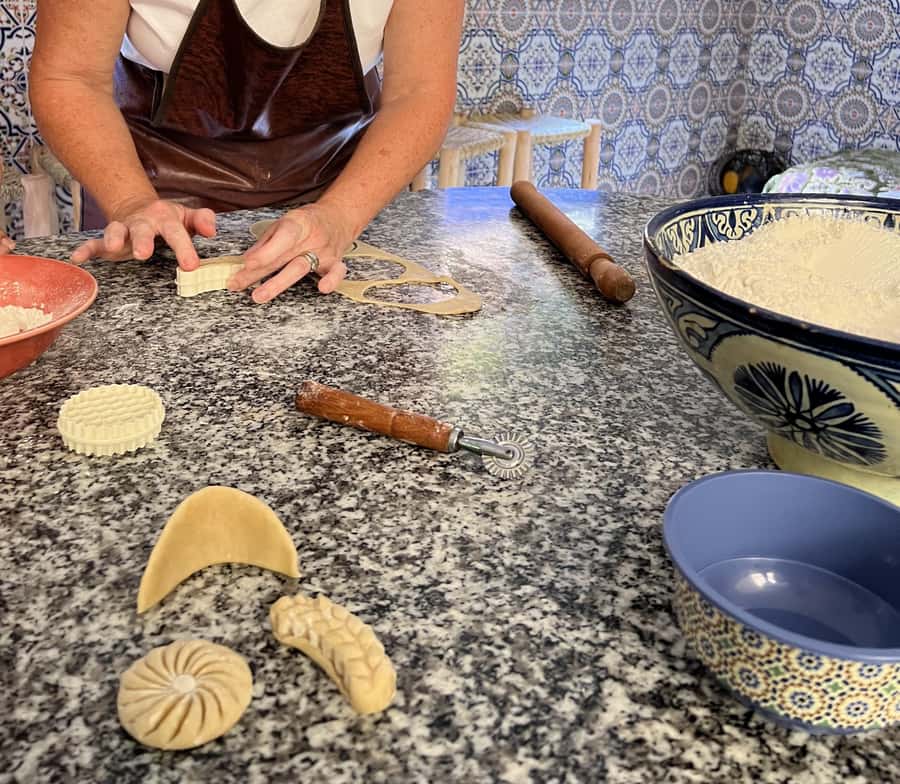
Keep it simple. Bring:
- Water
- Comfortable clothes
Wear comfortable clothing suitable for cooking. Closed-toe shoes are a smart idea since you’ll be standing and moving slightly.
Also plan ahead for allergies. The class requires allergy information to be provided in advance, so handle that early rather than hoping there will be a last-minute workaround.
Languages and group vibe: what “small group” really changes
Instruction is offered in Arabic, French, and English. That matters in a hands-on class, because pastry isn’t abstract. If you miss one step, the texture can change.
Small group size also affects the energy. With fewer people, the instructor can move between participants and help correct technique while you’re still shaping dough or preparing components. That’s how you end up with pastries you’re proud to box up and take home.
If your group is very small, you might get an extra-personal pace and more direct guidance. The upside is more confidence. The only drawback is that the class still runs on schedule, so arrive ready to start.
Should you book this Marrakech pastry and mint tea class?
Yes, I’d book it if you want a hands-on, structured experience that ends with two great rewards: food you made and a skill you can repeat. The combination of pastry techniques plus Moroccan mint tea is rare, and it’s the kind of activity that gives you a real takeaway, not just a stomach full of snacks.
Skip it if you’re looking for a long, open-ended wandering activity, because this is a cooking class with timing and steps. Also skip if you want hotel pickup, because that’s not included and you’ll need to handle your own way to the meeting point.
If you’re the kind of traveler who likes learning by doing, this one is a strong choice. You’ll leave with fresh pastries, mint tea know-how, and the satisfaction of knowing the difference between eating Moroccan pastries and making them.
FAQ
How long is the Marrakech Moroccan pastries and tea class?
The experience lasts 150 minutes, about 2.5 hours.
What is the price per person?
The price is $40 per person.
What’s included in the class?
You get the Moroccan pastry cooking class, all necessary cooking equipment, a tasting session with Moroccan mint tea, and a box of pastries to take home.
Is hotel pickup and drop-off included?
No, hotel pickup and drop-off are not included.
How big is the group and what languages are offered?
The group is limited to 10 participants. The instructor speaks Arabic, French, and English.
What should I bring, and what about allergies?
Bring water and comfortable clothes suitable for cooking. Allergy information must be provided in advance.
Is it suitable for children?
Children under 4 are not suitable. Participants under 18 must be accompanied by an adult.
Just reviewed around Marrakech
- From Marrakech: Day trip to Ouzoud waterfalls and boat tour★ 5.0 · 73 reviews
- Private horseback ride in the Palmeraie of Marrakech★ 5.0 · 73 reviews
- Marrakech to Essaouira / Small group day tour To Essaouira★ 5.0 · 73 reviews
- 1 Day Guided Tour of World Heritage Kasbah Ait Ben Haddou from Marrakech★ 3.5 · 73 reviews
- Marrakech: Authentic Local Dinner with Transport★ 4.1 · 73 reviews
- Ourika Valley Day trip: Hike, waterfall, lunch and Relax★ 4.8 · 73 reviews
- Waterfalls, Three valleys, Atlas Montains, Camels & Desert★ 5.0 · 73 reviews
- Marrakech: Cycling Tour in Palm Groove with Local Breakfast★ 4.7 · 73 reviews
Workshops, compared.
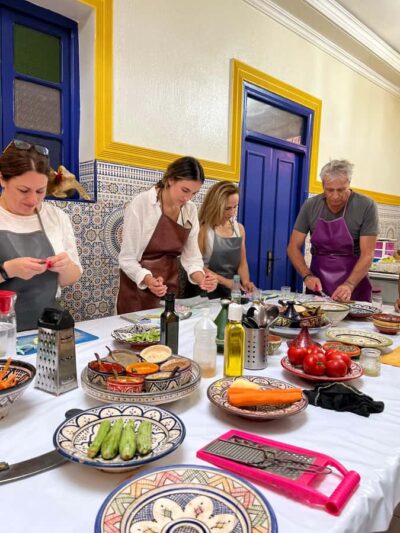
Traditional Moroccan Cooking Class & Market Visit
Read our review →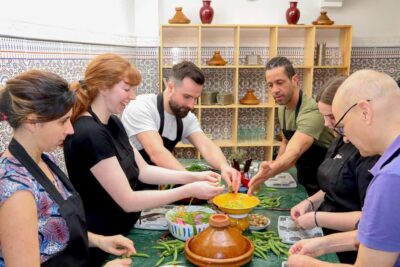
Moroccan Dishes Cooking Class with a Local Chef
Read our review →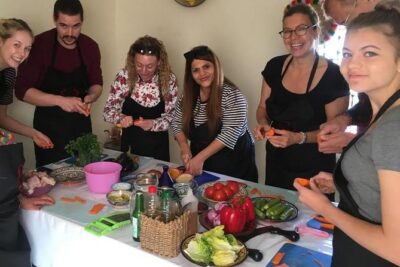
Moroccan Cooking Class & Marrakech Market Visit with Chef Khmisa
Read our review →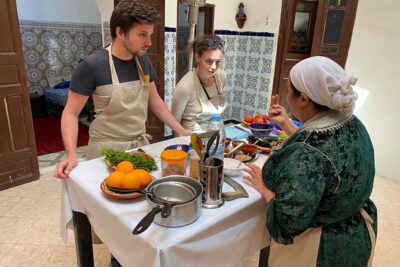
Half-Day Cooking Class with Local Chef Laila in Marrakech
Read our review →
Browse the lists this tour appears in