
Reviewed · SHOPPING TOURS
Marrakesh Untold Stories Shopping Tour Experience
This tour is interesting because it trades the stress of wandering Marrakesh’s maze-like souks for a guided walk through real working shops and craft spaces. I really like the focus on hands-on artisan goods like Berber ceramics, textiles, and leather slippers. I also like the chance to compare craft quality and materials in front of you, not just from a distance. One possible drawback is that the souks attract pushy sales, so if you hate bargaining or crowd noise, you may find parts of the experience a bit intense.
I’m also a fan of the way the guide experience can change everything. In these souks, a name you’ll hear is Ali, and the consistent theme is that he knows where things are sold, who makes what, and how to help you avoid getting lost. Still, even with a guide, you should shop with a plan, keep your budget in mind, and expect that not every seller will be honest or straightforward.
Key Points to Know Before You Go
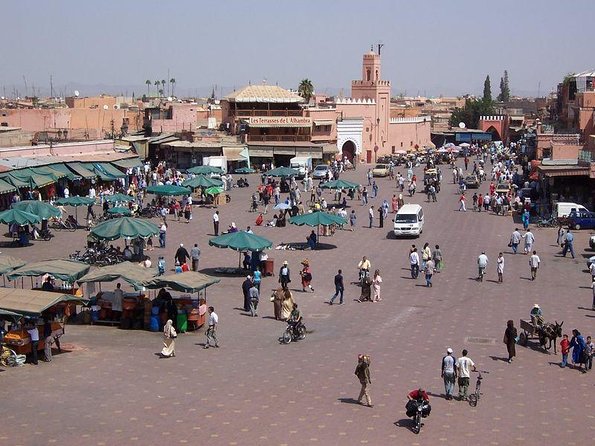
- You get guided navigation through the old souk lanes near Jemaa el-Fnaa, so you spend time shopping instead of circling blocks.
- Artisan workshops are part of the story, including Berber ceramics, fabrics, lamps, and leather work.
- Handmade, stitched leather slippers are highlighted, not the cheap glue-and-go stuff.
- Berber and Jewish silver jewelry are part of the mix, so you can compare styles while you walk.
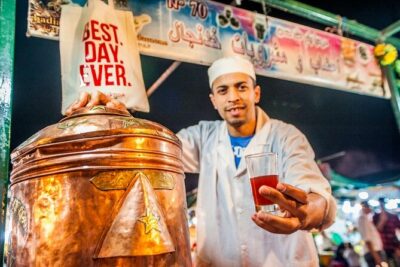
- A refreshing drink is included during the stop associated with the herbalist tradition.
- Small group size (maximum 20 travelers) helps you keep moving and ask questions.
Why This Marrakesh Souks Shopping Tour Works Better Than Going Alone
The souks around Jemaa el-Fnaa are not like shopping streets at home. They’re a living maze where streets fold into alleys, alleys turn into covered lanes, and every corner seems to have another shop calling your attention. If you arrive on day one and try to do it yourself, you can lose time, get overcharged, and end up with fewer good choices.
This experience is built around one practical idea: you walk with someone who knows the market rhythm. That means less confusion about where to go for specific items and fewer dead ends where everything looks similar but the craftsmanship varies. The big value for me is that you’re not just buying souvenirs, you’re learning what to ask for.
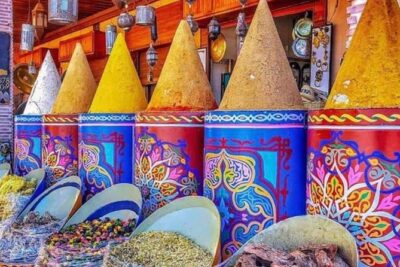
The other win is focus. Instead of treating it like a generic “souks tour,” the route steers you toward specific categories: ceramic vessels, colorful Berber fabrics, lamps, leather slippers, and silver jewelry. When shopping has a theme, you can judge quality better, and you’re less likely to get distracted into buying something you didn’t really want.
Set these Marrakech options side by side
- Marrakech: Traditional Moroccan Cooking Class & Market Visit
★ 4.8 · 1,861 reviews - Moroccan Cooking Class & Marrakech Market Visit with Chef Khmisa
★ 5.0 · 1,504 reviews - Marrakesh: Guided Souk Shopping Tour with a Local Guide
★ 4.9 · 651 reviews
Starting Point at Café de France, Then Straight to Jemaa el-Fnaa
The tour begins at Hôtel Restaurant Café de France on Rue des Banques in Marrakech. You meet there, then the activity ends back at the same place. That matters more than it sounds, because you do not want to finish your walk somewhere far away with no easy way to get back.
Jemaa el-Fnaa is the kind of place where your senses get turned up fast: energy, voices, movement, and the constant pull of vendors. The guide’s job here is not to shield you from the market, it’s to help you move through it intelligently. You get a quick orientation for how the area is laid out and which parts are better for what.
Plan on a solid portion of your 3 hours being walking and decision-making. This is not a museum stroll. You’re going to stop, look closely, ask questions, and compare. If your idea of a “relaxed shopping day” is just wandering without commitments, you might feel the pace more than you expect.
What You’ll Actually Do in 3 Hours
The tour runs about 3 hours total. That time is short enough that you stay energetic, but long enough to see real variety and make purchases if you want to.
In practice, the experience is a guided loop through the old market zone with stops at workshops and sellers specializing in the items that catch your eye. The details to look for, based on what’s emphasized in this tour, include:
- Ceramic work linked to Berber house craft (including the ceramic vessels you’d associate with traditional households).
- Berber textiles and fabrics, especially the colorful pieces that are made for clothing and home use.
- A cooperative-style workshop where the tour frames shopping as safer, with insurance and shipping included.
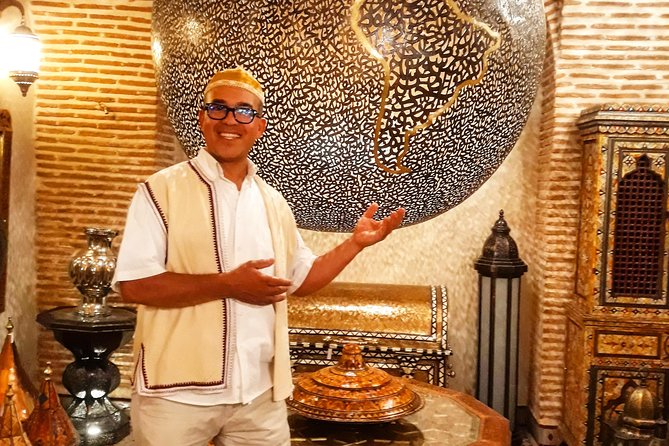
- Lamps made as functional art, not factory copies.
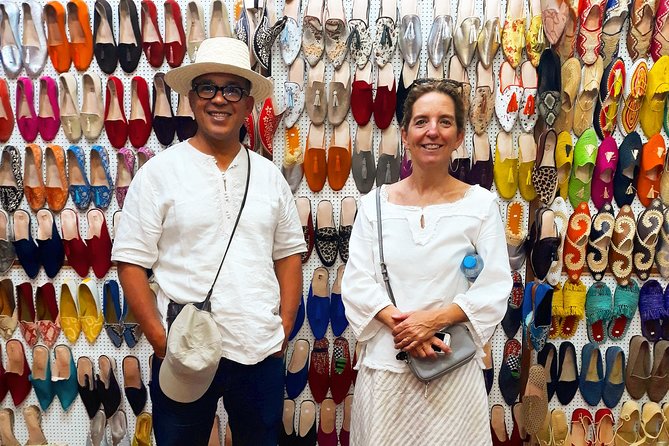
- Leather slippers described as handmade stitched, not glued.
- Berber and Jewish silver jewelry, where you can compare design, finish, and feel.
One key point: even when you spot something you like, don’t rush the purchase at the first shop. Ask how it’s made, check stitching and seams on leather items, and take a moment to compare with what you see later in the route. In a guided walk, you can do that without losing your place.
Ceramics, Fabrics, and Lamps: Shopping With Real Craft Categories
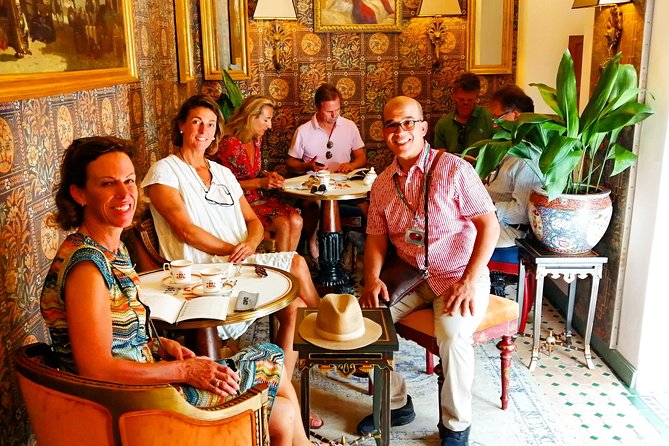
If you love Moroccan craft, this tour’s structure is helpful because it gives you clear shopping categories. A lot of shopping chaos comes from trying to buy everything at once. Here, you move from ceramics to textiles to decorative pieces in a way that makes comparisons easier.
If the Marrakech plan still has a gap:
- Marrakech: Agafay Desert Sunset, Camel Ride, and Dinner Show
★ 4.6 · 35,119 reviews - From Marrakech: Ouzoud Waterfalls Guided Hike and Boat Trip
★ 4.7 · 33,630 reviews - Marrakech: Agafay Desert Quad & Camel Rides with Dinner Show
★ 4.8 · 27,382 reviews - Marrakech: Agafay Desert Quad Biking Tour with Dinner-Show
★ 4.8 · 16,569 reviews
Ceramic vessels for the Berber-house look
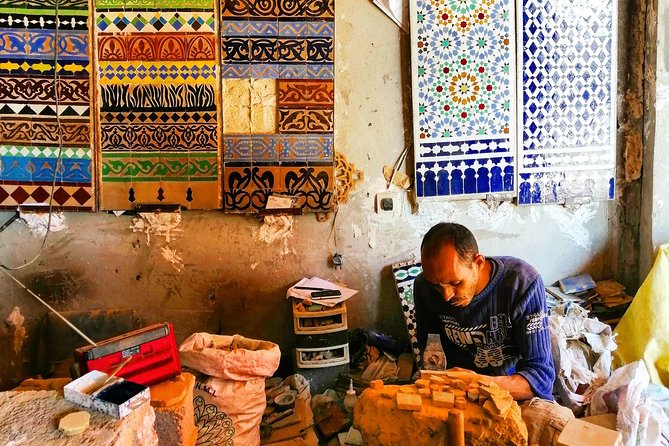
Ceramics are where you can spot quality quickly if you know what to check. Look at the glaze finish, edges, and how uniform the color looks. Vessels that feel solid and well finished usually come from better-controlled production. The tour highlights these pieces as part of the Berber craft side of the experience, so you’re not just shopping the generic stuff everyone points at.
Berber fabrics and textiles
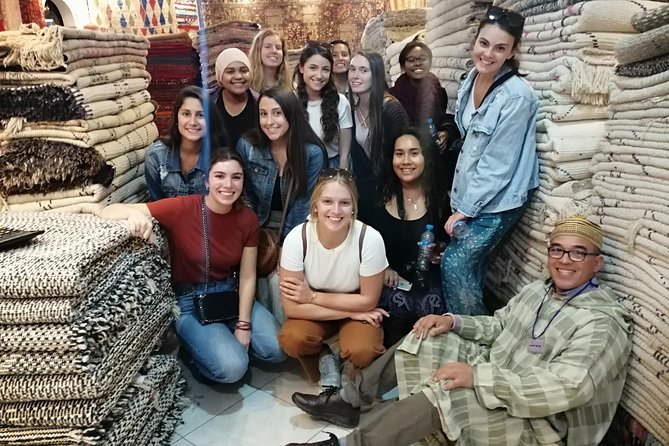
Textiles can be a trap for first-time buyers. Some items are decorative but not actually meant for everyday use, and some are mixes that don’t match what you think. The best move is to touch and check flexibility and thickness, then ask direct questions about what it’s made for. The tour pushes you to pay attention to the craft side of fabrics, not just the color.
Lamps that read like design, not clutter
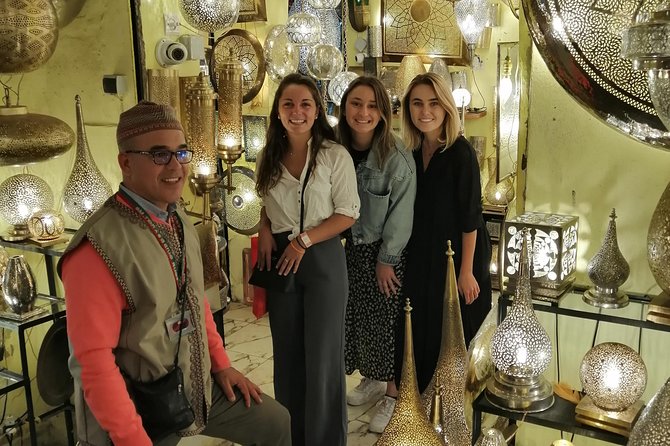
Lamps in Morocco can be decorative eye candy, or they can be real craft objects you’ll love using at home. Pay attention to the shade material and how the lamp is constructed. If you’re planning to bring one back, you’ll also want to think about safe packing and whether the cooperative or workshop you buy from is the type that includes shipping.
Leather Slippers: What to Look for Beyond the Price Tag
Leather slippers are one of those Marrakech purchases that can go either way. The difference between a great pair and a disappointing pair usually shows up in construction details.
This tour highlights handmade stitched leather slippers and specifically contrasts them with glued alternatives. When you’re in front of a seller, use that as your checklist:
- Inspect the stitching. You should see consistent threadwork and solid seams.
- Ask about materials and how the leather is finished.
- Pay attention to comfort and fit. Even a well made pair can be wrong for your feet.
If you’re the type who hates wasteful buying, you’ll appreciate that this experience is not only about spotting something pretty. It nudges you toward a better-built product, and that can justify the higher price some sellers will start with.
Berber and Jewish Silver Jewelry: How to Shop Without Getting Stuck
Silver jewelry in Morocco ranges from mass produced to artisan pieces with real detail. This tour includes Berber and Jewish silver jewelry as part of the shopping mix, which helps you compare design traditions while you’re still in the same general area.
Here’s how I’d shop smart in this kind of market:
- Choose one style you actually like, not just something that’s shiny.
- Ask about the construction, not just the look. In jewelry, small finishing differences matter.
- Keep your bargaining calm. If you get heated, you lose the ability to judge quality.
Also, take a breath before you decide. Silver purchases tend to be emotional because the designs are so tempting. The guide’s value is that you can keep the decision grounded. You can move on to compare other pieces without feeling trapped.
The Herbalist Tradition Stop and the Included Refreshing Drink
One highlight of the experience is that it explicitly includes a refreshing drink connected to the herbalist stop. Even if you’re not a big tea person, the herbalist tradition in Marrakech is a nice reset.
Think of it as two things:
- A break from constant walking and attention from sellers.
- A moment to slow down and re-center your shopping list.
It’s also a good time to ask your guide questions about what you’ve seen so far, and what to watch for next. When you’re choosing between textiles, leather, and silver, having a calm pause helps you avoid impulse buys.
Bargaining Help, Especially With Ali
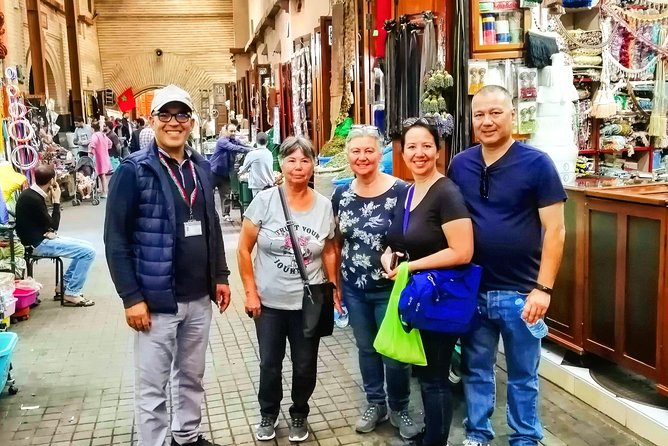
Shopping in Moroccan souks often comes with price games. Some sellers start high, some are flexible, and some will try to wear you down. A good guide can cut through a lot of that stress.
A name that came up strongly in positive feedback is Ali. The theme is that he knew where things were sold, who sold what, and where the best vendors were. Even better, the help included getting lower prices several times, not just “explaining the market.”
That said, there was also a negative note tied to con artists and a feeling that the experience went bad on a first day. So here’s my balanced advice. Use the guide, but keep your own control:
- Set your budget before you start.
- Don’t buy because you feel rushed.
- If something feels shady or unclear, move on.
- Keep asking how things are made and what you’re getting.
If you treat the tour as a tool, not a magic shield, you’ll get the upside without losing your common sense.
Price and Value: Is $27 Worth It?
At $27 per person for about 3 hours, this isn’t a luxury private guide setup. The value is in practical benefits you can feel immediately:
- Navigation help in a maze area. Time saved is real money.
- Access to the right categories: ceramics, fabrics, lamps, leather slippers, and silver.
- An included refreshing drink during the herbalist stop.
- A structured shopping path, which makes it easier to compare quality.
The tour also highlights a trustworthy family cooperative where insurance and shipping are included. That can be a big deal if you want to buy bulky items or if you want fewer headaches about getting everything home. The trade-off is you may still want to confirm details about what is covered and what isn’t, since the data only guarantees that this cooperative includes insurance and shipping.
If you go solo, you might save money up front but spend more time, lose your bearings, and end up with purchases that don’t match the quality you thought you were getting. For first-time Marrakesh visitors who want craft shopping without the stress, this price can make sense.
Group Size, Pace, and What You Should Bring
The tour caps at 20 travelers. That’s small enough to feel like a group you can handle, but big enough that you’re not getting one-on-one attention the whole time. So be ready for periods of waiting while you all move between stops.
The pace is active. You’ll be walking through souk streets, looking at goods up close, and deciding what to buy. Wear comfortable shoes and plan for a lot of foot traffic.
This tour also uses a mobile ticket, so you’ll want your phone charged. And the start point is near public transportation, which is helpful if you’re using buses or taxis to get there.
Who This Tour Is Best For, and Who Should Skip It
This tour fits you if:
- You want to shop the souks but don’t want to feel lost.
- You care about artisan craft categories like ceramics, textiles, lamps, and leather.
- You want help bargaining and vendor selection, especially around items with common quality differences.
- You like the idea of a guided walk that includes a herbalist-style refresh.
It might not be your best match if:
- You dislike bargaining altogether and hate market pressure.
- You want a fully relaxed day with no vendor interaction.
- You’re highly sensitive to crowded lanes and constant visual selling.
Also, if you’re the type who already knows exactly which workshop you want, you might find a tour less useful. But if you’re arriving fresh, the guided advantage is hard to beat.
Should You Book Marrakesh Untold Stories Shopping Tour?
I’d book it if you’re excited to come home with a few real craft items and you’d rather get guidance than gamble with luck in the souks. The best reason is simple: a guide can help you find the right place for the right craft and keep you moving through Jemaa el-Fnaa without turning your day into confusion.
I would not book it blindly if you plan to shop with no budget and no patience. In any souk, some sellers will try to push you. The tour’s strength is that it gives you a better strategy, not that it eliminates risk.
My final advice: treat it like a guided marketplace lesson. Ask questions, check construction details on leather and silver, and let the walk help you compare. If you do that, $27 can turn into a smart, memorable Marrakech craft day.
FAQ
How much does the Marrakesh Untold Stories Shopping Tour cost?
It costs $27.00 per person.
How long is the tour?
The tour lasts about 3 hours.
Where does the tour start?
The meeting point is Hôtel Restaurant Café de France, Rue des Banques, Marrakech 40000, Morocco.
Is the ticket digital?
Yes, it uses a mobile ticket.
Does the tour include entry fees?
The Jemaa el-Fnaa stop notes an admission ticket free, so you will not be paying admission for that part.
How many people are in the group?
The tour has a maximum of 20 travelers.
Can I cancel for a full refund?
Yes. You can cancel up to 24 hours in advance for a full refund.
Is service animal access allowed?
Yes, service animals are allowed.
Just reviewed around Marrakech
- From Marrakech: Day trip to Ouzoud waterfalls and boat tour★ 5.0 · 73 reviews
- Private horseback ride in the Palmeraie of Marrakech★ 5.0 · 73 reviews
- Marrakech to Essaouira / Small group day tour To Essaouira★ 5.0 · 73 reviews
- 1 Day Guided Tour of World Heritage Kasbah Ait Ben Haddou from Marrakech★ 3.5 · 73 reviews
- Marrakech: Authentic Local Dinner with Transport★ 4.1 · 73 reviews
- Ourika Valley Day trip: Hike, waterfall, lunch and Relax★ 4.8 · 73 reviews
- Waterfalls, Three valleys, Atlas Montains, Camels & Desert★ 5.0 · 73 reviews
- Marrakech: Cycling Tour in Palm Groove with Local Breakfast★ 4.7 · 73 reviews
Shopping Tours, compared.
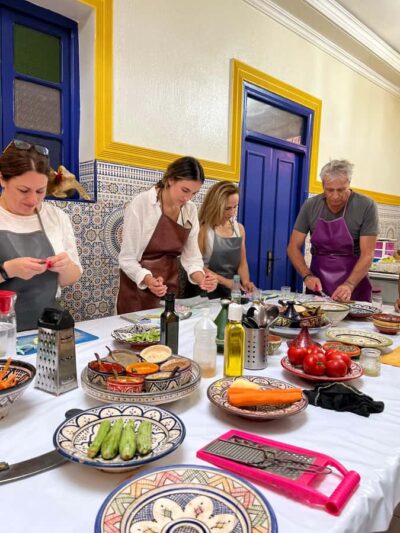
Traditional Moroccan Cooking Class & Market Visit
Read our review →
Moroccan Cooking Class & Marrakech Market Visit with Chef Khmisa
Read our review →
Shopping in the Souks of Marrakech Private Tour
Read our review →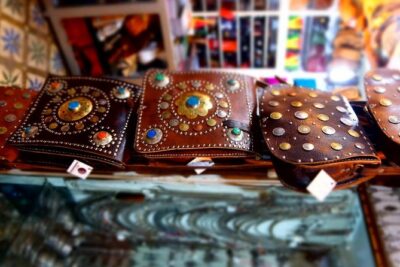
Moroccan Cooking Class with Market Visit and Meal
Read our review →
Evening Marrakech: Gastronomic and Market Tour Inside the Medina
Read our review →Browse the lists this tour appears in