
Reviewed · COOKING CLASSES
Moroccan Food Cooking Class with a Local Chef in Marrakech
A half-day cooking class in Marrakech is interesting because it mixes hands-on cooking with the little rituals that make Moroccan food feel like daily life, not a performance. You start with a market supply run and end by drinking tea in the way locals do, slowly and on purpose.
I love the focus on practical kitchen skills, like chopping, peeling, and getting tagine seasoning right, step by step. I also like that you get vegan, vegetarian, and gluten-free options, so the class can work even if you eat differently at home.
One possible drawback to plan around: the timing can slip. Some people experienced later pickups or a later start than expected, so keep your afternoon flexible.
Key things I’d look for in this Marrakech class
- Market shopping tips with your guide, so you know what to buy and how to choose it
- Moroccan mint tea taught old-school, not just a quick tasting
- Technique for tagines, from chopping and peeling to spice and seasoning
- A mix of 3 to 4 dishes, so you learn more than one basic recipe
- Recipes sent after class, so you can repeat what you made at home
- Live guidance in Arabic, English, and French, with wheelchair access
Half-Day Tagine Lessons That Feel Like Daily Life
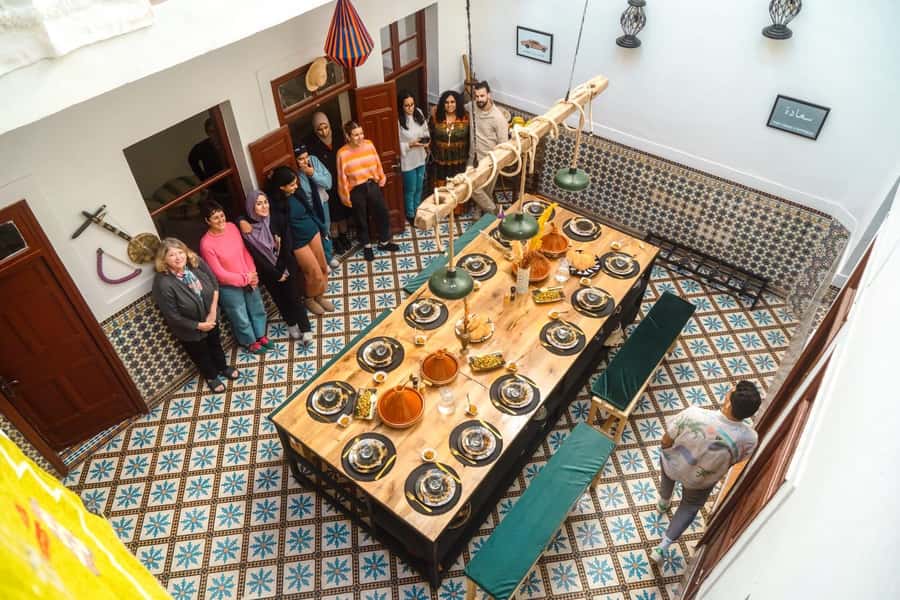
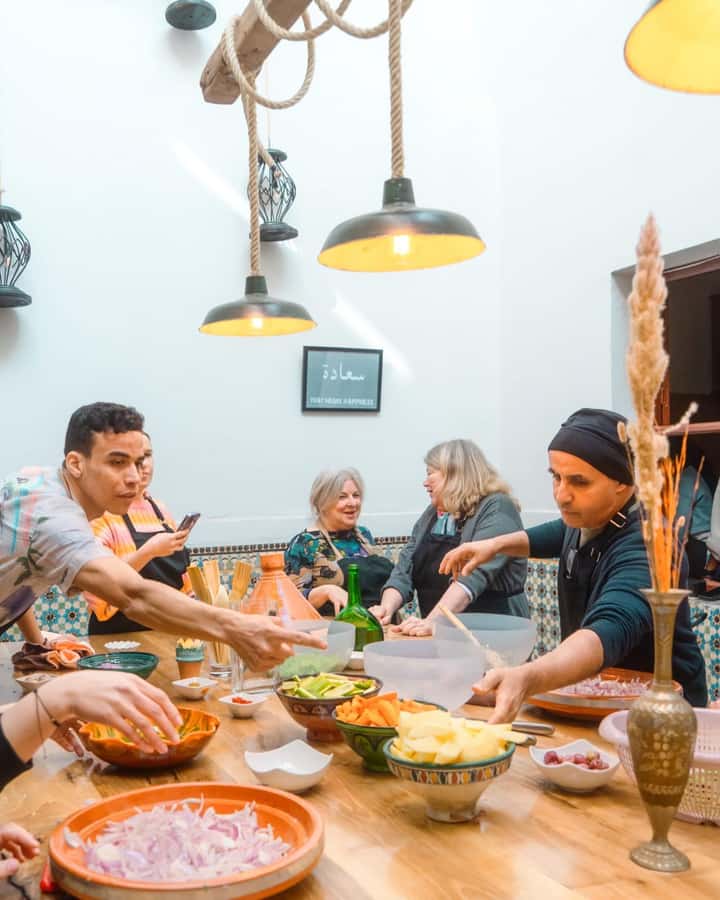
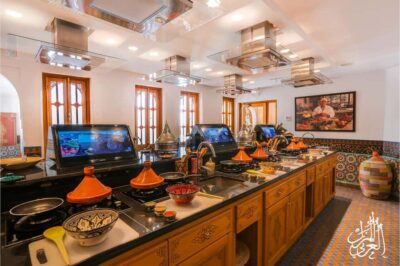
This cooking class is built around one idea: if you learn the logic behind Moroccan flavor, you can cook it again later, even without a kitchen full of Moroccan tools. You are not just following steps, you are practicing the same basics locals use at home, with a chef who explains what matters and why.
The experience also has two sweet spots that make it more than a simple cooking demo. First, you shop for ingredients with your guide and learn how people choose produce and spices. Second, you make Moroccan mint tea as part of the flow of the lesson, so you taste the culture while you learn the food.
If you are the kind of person who wants a vacation activity that gives you confidence in the kitchen, this is a good fit. If you hate long meals or you need a perfectly timed schedule, you should keep your plans loose, because the class runs as a relaxed half-day experience.
More Cooking Classes in Marrakech
- Marrakech: Moroccan Cooking Class with Pickup
★ 4.6 · 1,862 reviews - Marrakech: Traditional Moroccan Cooking Class & Market Visit
★ 4.8 · 1,861 reviews - Marrakesh: Moroccan Dishes Cooking Class with a Local Chef
★ 5.0 · 1,615 reviews
Pickup, Arrival, and Why Timing Matters in Marrakech
The class duration is listed as 210 minutes, which is about 3.5 hours. In real life, that usually means your day feels like around a half-day commitment, especially since pickup happens first and you then head to a market stop and into the kitchen.
A practical tip: confirm your pickup details and have your hotel address ready, and make sure you can be reached on the WhatsApp number shared for the activity. That is the kind of small prep that prevents last-minute stress, especially in a city where meeting points can be a little fluid.
From the feedback people have shared, the most common timing hiccups are not about the cooking quality, but about the start time shifting later than expected. If you have a hard reservation right after the class, I’d avoid booking it close to the end. People also noted the experience can feel longer than a strict clock would suggest, so build in buffer time.
The Market Stop: Shopping Like a Local, Not Like a Tourist
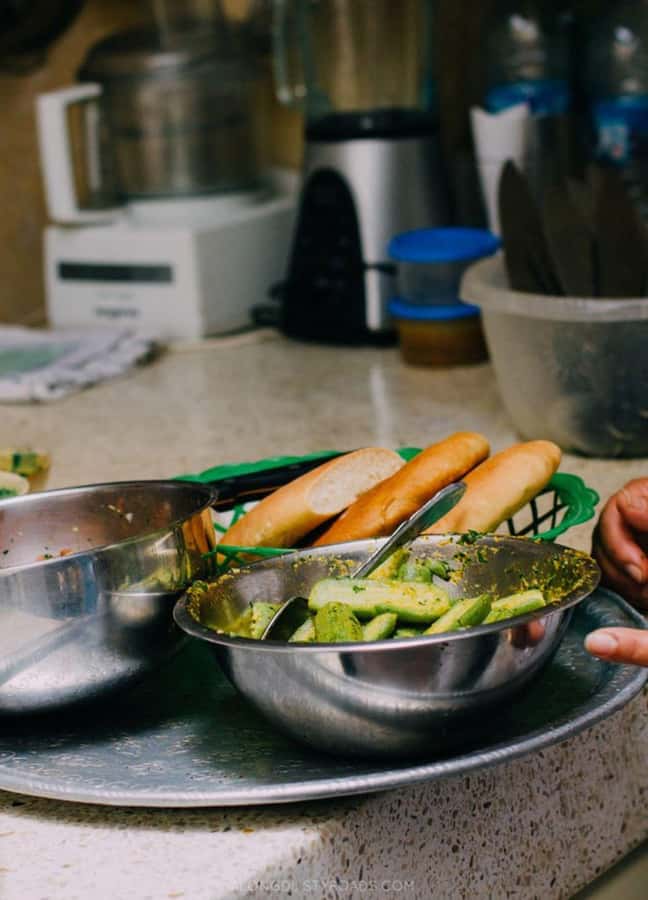
One of the best parts of this class is the quick market run after pickup. The plan is to walk with your guide to pick up vegetables and other supplies needed for cooking. Even if it is a short stop, it helps you understand what Moroccan kitchens prioritize.
Here’s what you get out of that market time, when it works smoothly:
- You learn how ingredients are chosen in real markets, not just what looks good in a store photo.
- You hear practical notes about spices and produce, so later, when you are cooking, seasoning decisions make sense.
It also adds a fun context layer. You see ingredients before they become tagine and salad. That makes the cooking session feel grounded instead of abstract.
If you are hoping for a long, wandering market tour, this is not described as that kind of excursion. It is a focused ingredient shopping stop, designed to set you up for cooking.
The Chef and the Kitchen Skills You’ll Actually Use
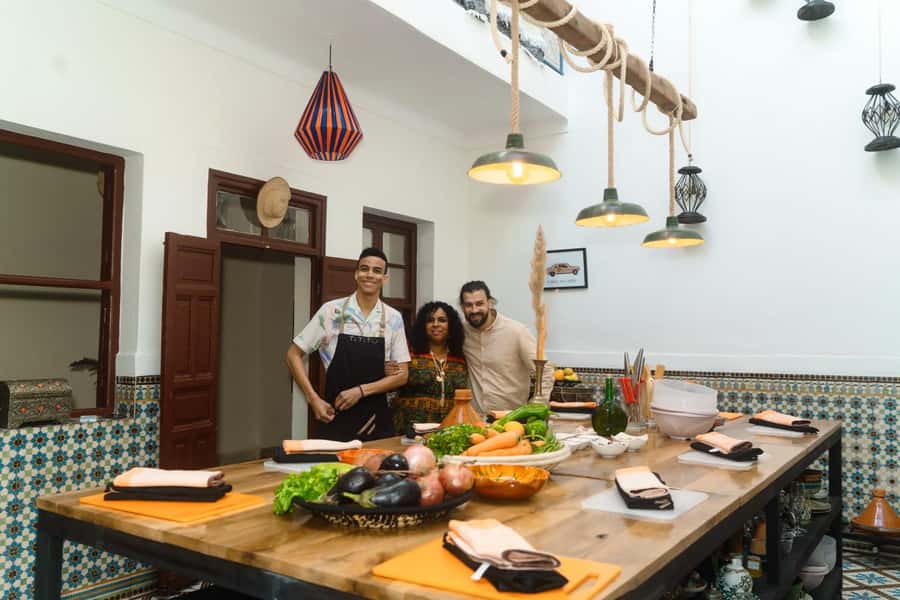
Once you’re in the kitchen, the lesson shifts from shopping to real technique. Expect instruction on chopping and peeling, and then seasoning tagines with the appropriate spices. That spice part is where most home cooks need help, because Moroccan flavor depends on balance, not heat alone.
What I like about how this class is designed is that it teaches methods you can reuse, even if you do not cook Moroccan food every week. The chef is not just handing you ingredients. You are practicing a workflow:
- Prep the ingredients the way Moroccan home cooks do.
- Season tagines with the right spices.
- Work through the rhythm of cooking, then taste and adjust.
The class can also include vegetarian, vegan, and gluten-free versions. That matters because it shows you how to adapt Moroccan dishes without turning them into something totally different.
You may hear guides explain things in different languages, since instruction is offered in Arabic, English, and French. In past experiences shared, chefs named Morad and Yassine have been highlighted for guiding people clearly and making the session enjoyable. Another Chef Murad has also been mentioned positively. The important takeaway for you: the guidance style seems to be friendly and step-by-step, not intimidating.
More Food Tours in Marrakech
- From Marrakech: Merzouga 3-Day Desert Safari with Food
★ 4.7 · 12,232 reviews - Marrakech: Street Food Tour with a Local Guide
★ 4.9 · 3,119 reviews - Marrakech: Street Food Tour by Night
★ 4.8 · 2,838 reviews - 3-Day Tour to Merzouga Erg Chebbi with Food & Camel Trek
★ 5.0 · 1,770 reviews
What You’ll Cook: Tagines, Salads, and a Crêpe Moment
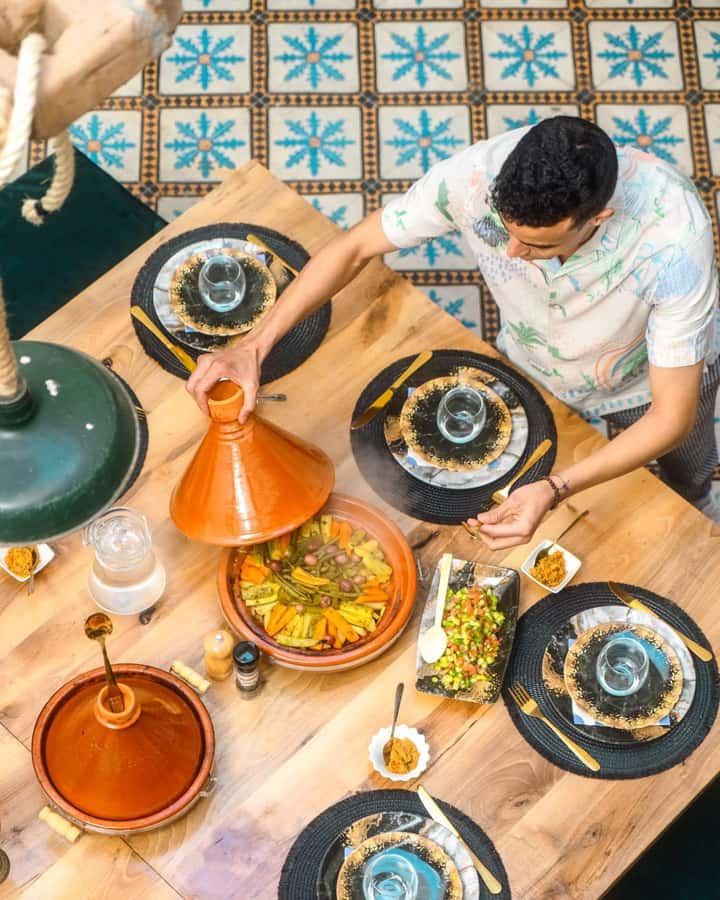
Most classes like this try to do too much. This one aims for enough variety to keep it interesting while still teaching repeatable technique.
The usual target is preparing three to four distinct dishes. That variety is great because you get a broader sense of Moroccan flavors, not just one sauce or one method.
Typical dish shapes you should be ready for include:
- Tagine-style cooking, with spice seasoning you can replicate
- Cooked salads, which is different from the raw salad mindset most people have
- A traditional crêpe-like item that often shows up in Moroccan cooking lessons
One more helpful note: while the class is described as a set of dishes you learn in a single session, the exact lineup can vary. So if you have a strong wish, like you mainly want tagine, still go in expecting you will learn more than one thing.
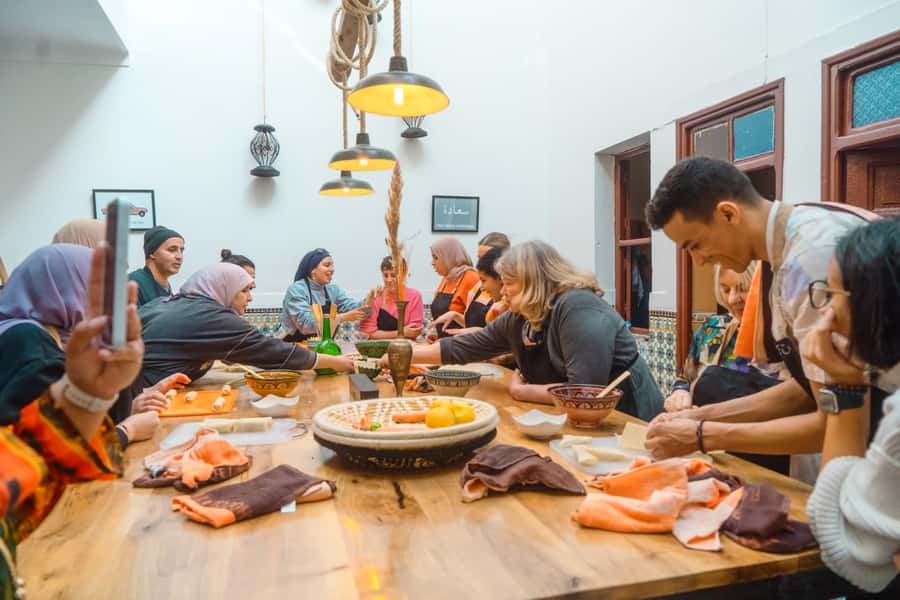
Also, the class is structured so you can collaborate as a team. If you like hands-on interaction and moving together rather than standing back, you will probably enjoy this part.
Moroccan Mint Tea: The Ritual You Can Recreate
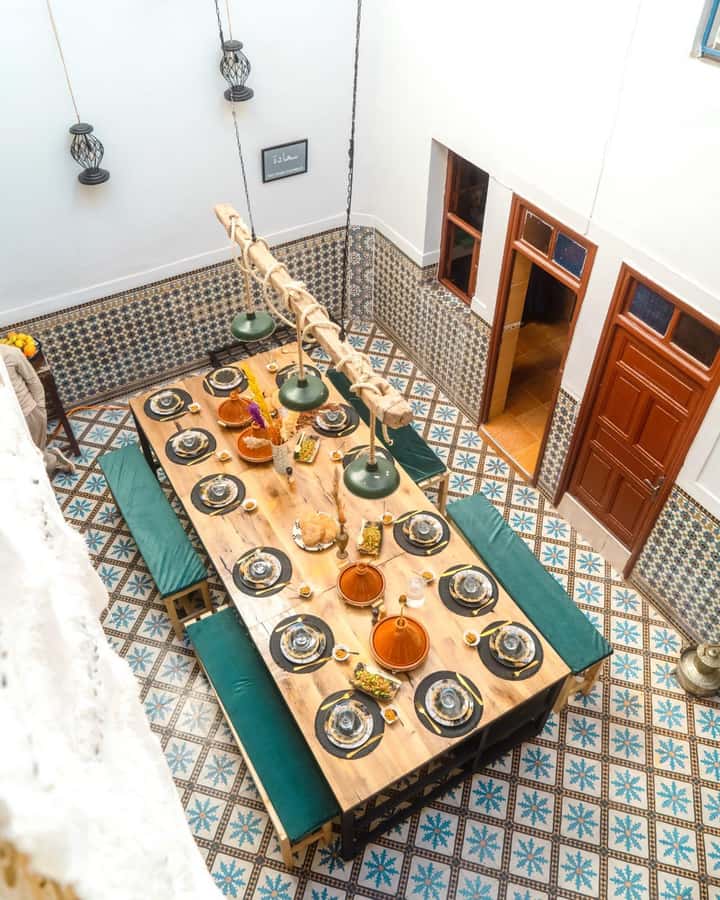
After the market stop, the course includes making Moroccan mint tea the old-fashioned way. You will learn the method, then sip as you get to know each other. This is not just a beverage break. In Moroccan food culture, tea is part of hospitality and pacing, and learning the ritual helps the rest of the meal feel more meaningful.
What you should pay attention to when you make it:
- How sweetness and mint get balanced
- The way the tea-making process is handled, slowly, with care
Because you make it yourself, you leave with something more useful than a photo. You leave with a technique you can try later when you want your kitchen to feel Moroccan for an evening.
Eating What You Cook, With Water and Tea Included
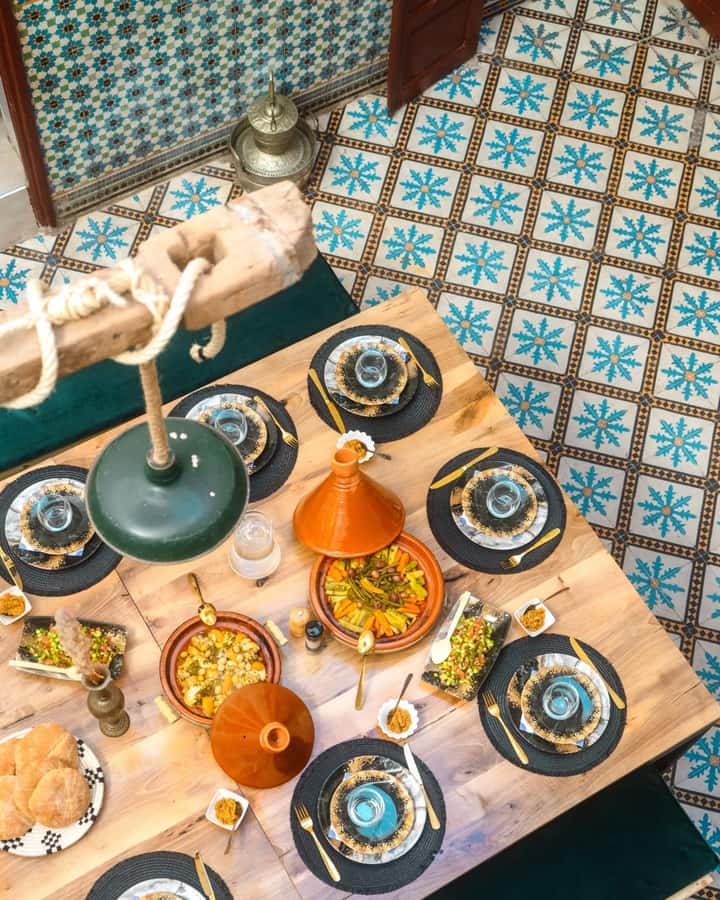
Once cooking wraps, it is time to sample and eat what you prepared. The activity includes meal and bread, plus water and tea. That means you are not spending extra money to keep the day going, and you get a full stop-and-savor moment instead of just cleaning up and running out.
This is also where the lesson becomes real. Tasting your own tagine or salads helps you understand how seasoning affects flavor in a way that reading a recipe never quite does.
And you get a social rhythm too. The tea time helps you relax before cooking, and the shared eating makes the class feel like a home-style meal rather than a timed workshop.
Take-Home Recipes: The Part That Makes It Worth It
A key value add is that you typically receive a link to recipes in the evening. Those recipes are for many more dishes than just what you cooked in class, so you can keep building your Moroccan cooking skills after you get home.
This is a big deal for your long-term results. If you only get one recipe, you might cook it once and then stop. If you get a bundle of related ideas, you can build a mini Moroccan menu over time.
To get the most out of the follow-up recipes link:
- Save it right away when it arrives.
- Pick one dish to repeat within a week, while the flavors and steps still feel fresh.
That small habit is how a cooking class turns into a skill, not just a fun day.
Is $40 Good Value for a Marrakech Cooking Class?
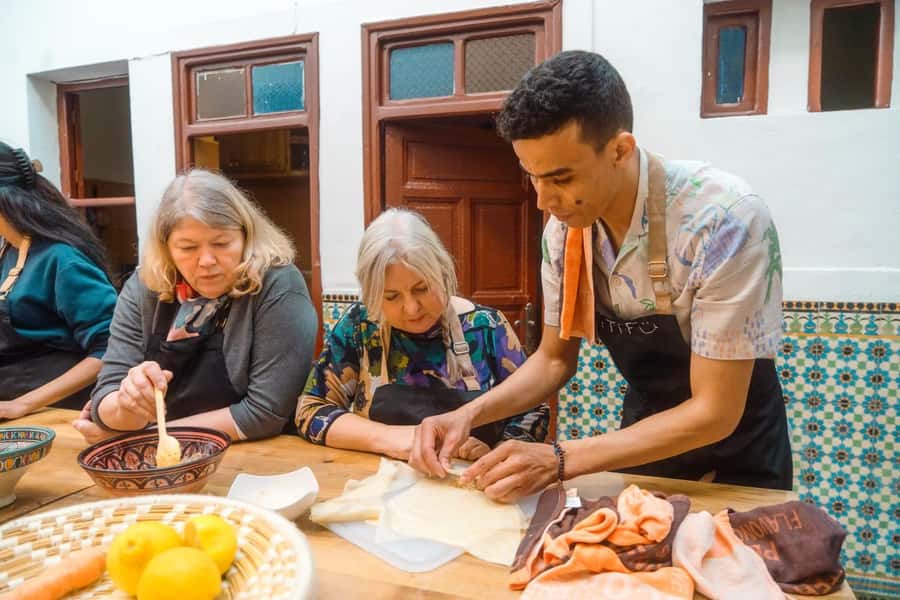
Price is $40 per person, and the lesson runs 210 minutes. You also get cooking instruction, a guide, and a full meal with bread, plus water and tea.
For Marrakech, this price is positioned as a practical cultural activity, not a luxury chef experience. The value comes from three areas:
- You learn technique: chopping, peeling, seasoning, and tagine-style cooking methods you can redo.
- You get shopping context: learning how to buy ingredients with your guide.
- You leave with resources: the recipe link sent afterward.
If you compare this kind of class to what you would pay for a dinner plus a food tour plus a separate cooking workshop, $40 can be a reasonable deal, especially because you also eat what you make.
Where you should be realistic: if you are hoping for a tightly controlled schedule, the value may feel lower if pickup or start times slip. But if your goal is learning and enjoying the kitchen time, the overall structure is designed to be worth it.
Who This Class Is Best For
This is a strong option for:
- People who want hands-on cooking practice and not just watching someone else work
- Food lovers who like Moroccan flavor but want more than a basic recipe
- Anyone who eats vegetarian, vegan, or gluten-free and wants options built in
- Travelers who enjoy a social, guided experience with tea, market time, and eating together
It is less ideal if:
- You have strict plans right after the class and zero flexibility
- You expect a long market tour, not a quick supply stop
- You need every part of the schedule to match a printed start time exactly
In short, it suits people who treat cooking like a way to understand culture, and who can roll with Marrakech pacing.
A Few Practical Tips Before You Book
Before you go, plan for the things that keep the experience smooth:
- Make sure you have the WhatsApp number and the correct hotel address details shared for pickup.
- Dress comfortably for kitchen time and moving around.
- Bring your curiosity, because the class includes discussion of Moroccan culture, traditions, and history while you cook.
Also, consider your day plan. If you want the class but also want another activity later, aim for something flexible after the meal and tea are done.
Should You Book This Marrakech Cooking Class?
If your goal is to learn tagines and Moroccan mint tea in a practical way, with a local guide who can explain in multiple languages, this class is a solid choice. The best reason to book is the combination of market shopping for ingredients, real kitchen technique, and recipes you can use at home.
I would book it if you like hands-on work, want a memorable meal, and can give yourself breathing room in your schedule. I would hesitate if you have tightly booked plans immediately after the class or if you only want a long market experience.
If you want a Marrakech activity that turns into dinner at home, and you do not mind that the day runs like real life rather than a stopwatch, this is the kind of class that delivers.
FAQ
How long is the Moroccan food cooking class in Marrakech?
The class lasts 210 minutes.
Do you visit a market to buy ingredients?
Yes. After pickup, the plan includes a quick tour of a nearby local market to pick up vegetables and the other supplies needed for cooking.
Is Moroccan mint tea included?
Yes. You make Moroccan mint tea at home in the old-fashioned manner and you also sip tea during the experience.
Can the class accommodate vegan, vegetarian, or gluten-free diets?
Yes. The class includes options for vegan, vegetarian, and gluten-free food.
What languages are the guides available in?
The live tour guide can speak Arabic, English, and French.
Is this experience wheelchair accessible?
Yes, the activity is wheelchair accessible.
Just reviewed around Marrakech
- From Marrakech: Day trip to Ouzoud waterfalls and boat tour★ 5.0 · 73 reviews
- Private horseback ride in the Palmeraie of Marrakech★ 5.0 · 73 reviews
- Marrakech to Essaouira / Small group day tour To Essaouira★ 5.0 · 73 reviews
- 1 Day Guided Tour of World Heritage Kasbah Ait Ben Haddou from Marrakech★ 3.5 · 73 reviews
- Marrakech: Authentic Local Dinner with Transport★ 4.1 · 73 reviews
- Ourika Valley Day trip: Hike, waterfall, lunch and Relax★ 4.8 · 73 reviews
- Waterfalls, Three valleys, Atlas Montains, Camels & Desert★ 5.0 · 73 reviews
- Marrakech: Cycling Tour in Palm Groove with Local Breakfast★ 4.7 · 73 reviews
Cooking Classes, compared.
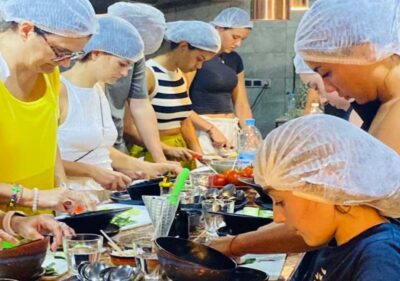
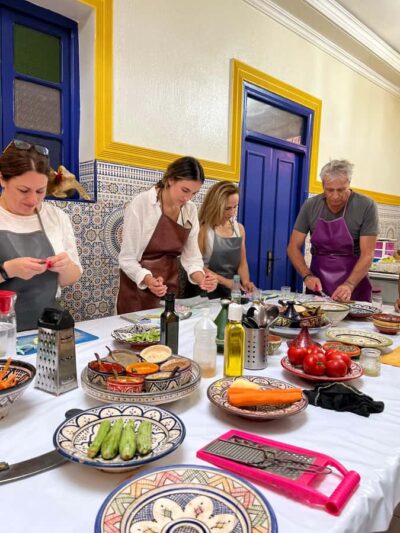
Traditional Moroccan Cooking Class & Market Visit
Read our review →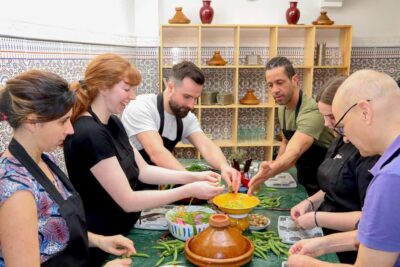
Moroccan Dishes Cooking Class with a Local Chef
Read our review →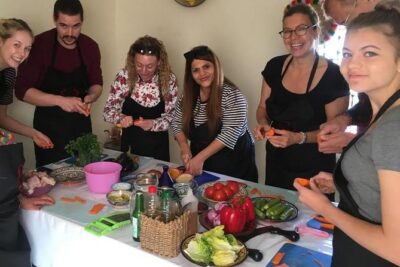
Moroccan Cooking Class & Marrakech Market Visit with Chef Khmisa
Read our review →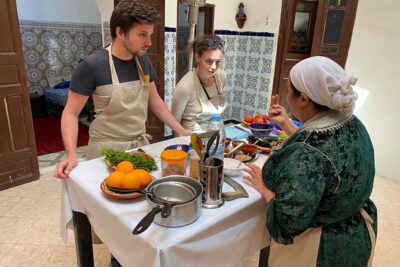
Half-Day Cooking Class with Local Chef Laila in Marrakech
Read our review →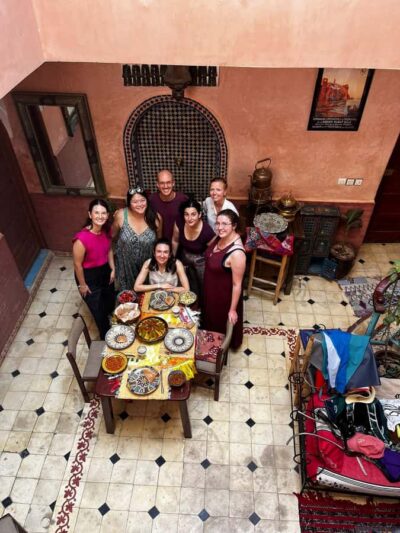
Browse the lists this tour appears in