
Reviewed · FOOD TOURS IN MARRAKECH
The 10 Tastings of Marrakech With Locals: Private Food Tour
This tour is interesting because you do more than eat. You walk through the medina with a local guide, and you get served a chain of local bites plus the places and ingredients that make them tick. It is a smart way to get your bearings fast, without relying on guesswork.
What I like most is the private format. It means you can slow down, ask questions, and get your own pacing, especially when you are navigating busy souks. I also love that the tastings are small, varied, and practical, from almond-filled pastries and date mixes to olives and the Marrakech slow-cooked meat, tanjia.
One possible drawback is that the quality depends heavily on the guide’s storytelling and timing. Most guides are praised for being friendly and knowledgeable, but a couple of past experiences mention pacing issues or a rushed finish when plans changed, so I recommend going in with a flexible mindset and communicating dietary needs early.
Quick take: what makes it worth your time
- Warka lesson without pressure: you see how warka is made, but there is no tasting there, so you stay focused on the learning.
- Food stops are built for decision-making: dates, olives, and pastries are served in a way that lets you choose what you want.
- Marrakech specialties show up late in the tour: tanjia and a final round of mint tea and cookies are a strong closer.
- Museums and viewpoints keep you oriented: a few cultural stops help connect the food to the city.
- Guide energy matters: names like Houssain, Elhousain, Omar, Hassan, Mohammed, and Adil come up often for friendly, detailed explanations.
The Real Point of a 10 Tastings Tour in Marrakech
A food tour in Marrakech can easily turn into a checklist. This one tries to avoid that trap by pairing tasting with context. You are not just buying something and moving on, you are seeing where it comes from and what locals pay attention to.
I find the best part is the sequence. You start with pastry and fruit, work into juices and olives, then end with meat dishes and a classic tea finish. That order helps your brain connect flavors, textures, and techniques as you go, instead of remembering 10 random bites.
The other big win is the medina walking. Marrakech’s historic center is dense, so having a local guide who knows the fastest, most sensible routes can save you a lot of time and energy. You also get city highlights in between stops, which helps if you want to do other sightseeing after the tour.
More Food Tours in Marrakech
- From Marrakech: Merzouga 3-Day Desert Safari with Food
★ 4.7 · 12,232 reviews - Marrakech: Street Food Tour with a Local Guide
★ 4.9 · 3,119 reviews - Marrakech: Street Food Tour by Night
★ 4.8 · 2,838 reviews
Starting at Tinsmiths Square: Where the Tour Begins and How It Flows
You meet at Tinsmiths Square, Place des Ferblantiers in the medina area. It helps to arrive a few minutes early, because once you are in the souks, directions can turn into a maze quickly.
This is listed as about 4 hours, and it ends back at the same meeting point. There is no hotel pickup or drop-off, so you will want to plan how you get there using whatever public transportation is easiest for you, since the tour is marked as being near public transportation.
Because the stops are spread across different parts of the medina, the flow is more like a guided stroll with frequent short stops than a single long sit-down meal. That matters for comfort. Wear shoes that can handle uneven ground, and bring water when you need it, even if you are getting drinks during the tour.
Mellah and Warka: Seeing the Technique Before You Taste
The tour’s first stop is Mellah, where you learn how warka is made. There is no tasting here, but that is not a downside. It sets up your later food experience, because warka dough is a key part of Moroccan pastry making.
Why this stop is smart: learning one technique early gives you a frame for everything that comes after. When you later taste almond-filled pastries, you will understand you are not just eating something sweet, you are eating work.
If you are the type who likes food history, this is your moment. If you are not into technical talk, you can still use it as a quick breather before the eating ramps up.
Almond Pastries and Date Mountains: The First Real Bites
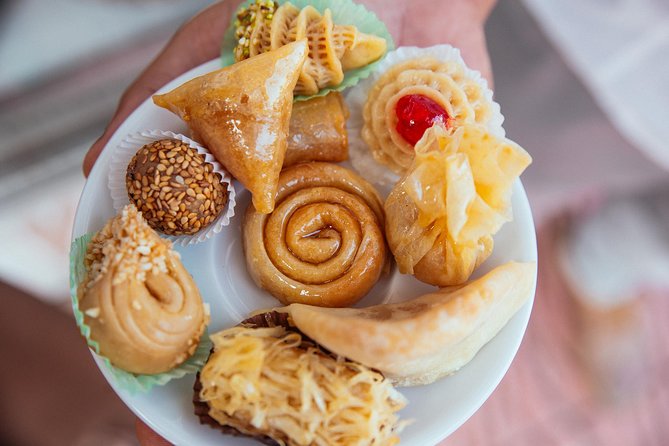
Next you head to a local bakery at Mennconcept, where the tasting theme shifts right away to sweets. You start with traditional pastries with almond filling. This is one of the easiest entries into Moroccan desserts because the flavors are clear, and the pastry texture is usually what makes the first impression.
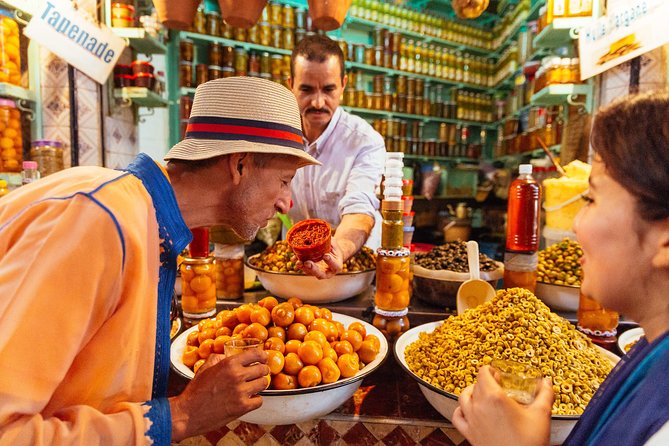
Then comes Rahba Kedima Square, where you get to handle the fun part of market culture: dates. You are shown a big spread of dates and you choose your favorite mix. I like this kind of tasting because it teaches you how people shop. Instead of a guide handing you one option, you get to practice picking what you like.
These two stops are a good warm-up, especially if you are traveling with kids. One family-friendly pattern you will notice from guide feedback is that some guides are very good at helping children find flavors they actually want to eat.
If the Marrakech plan still has a gap:
- Marrakech: Agafay Desert Sunset, Camel Ride, and Dinner Show
★ 4.6 · 35,119 reviews - From Marrakech: Ouzoud Waterfalls Guided Hike and Boat Trip
★ 4.7 · 33,630 reviews - Marrakech: Agafay Desert Quad & Camel Rides with Dinner Show
★ 4.8 · 27,382 reviews - Marrakech: Agafay Desert Quad Biking Tour with Dinner-Show
★ 4.8 · 16,569 reviews
Kaftan Styles, Salads, and a Rooftop View Near the Souks
At the History of Kaftan area, the tour leans into food that is colorful and shareable. You try three styles of Moroccan salads in a cafe. The listing also notes a rooftop view on the busy souks streets.
This is one of those stops that sounds like a museum detour, but it’s really a reset. You sit somewhere that gives you a perspective on the city while you eat. That rooftop element also helps you stop feeling like you are only moving through narrow streets.
A practical note: if you tend to get overwhelmed by strong smells and crowds, this cafe pause can feel like a breather. It also makes it easier to ask questions without shouting over traffic and vendors.
Almond Juice, Avocado Juice, and the Dry Fruits Street Scene
The next stop is the Museum of La Koutoubia, where you drink fresh almond juice or avocado juice while observing trading on the dry fruit street. This is a nice change from pastries and fruit, because juice gives you something lighter to digest before you shift into savory bites.
I like that this tasting is tied to the market. The whole point is to understand the everyday rhythm of what people buy and drink. You get the drink, but you also see the flow of commerce around it.
If you are picky about juices, don’t stress. You are offered choices, and the guide is there to help you pick what fits your taste.
Olive Market Paradise and Choosing Your Own Flavors
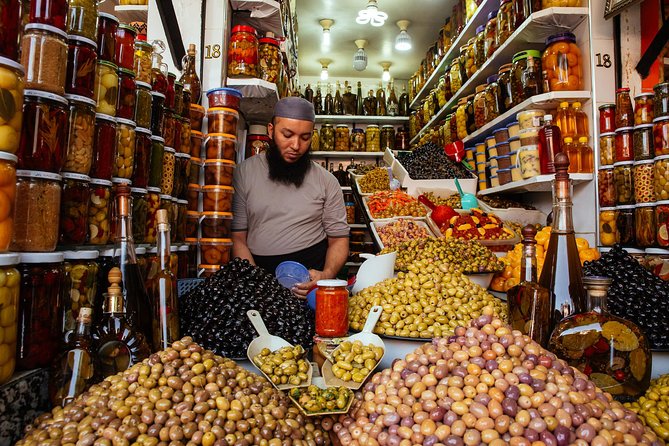
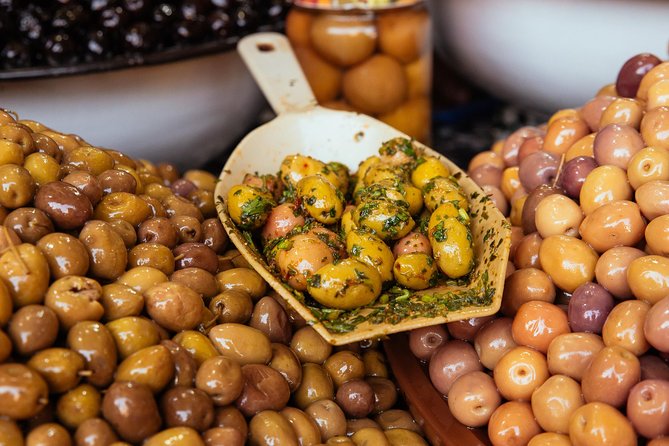
One of the most hands-on stops is the Food Markets of Marrakech. The theme here is olive oil and olives, and you can choose your own flavors and try different samples.
This is where the tour moves from eating to learning. Olives in a shop can feel like one thing. In a market setup, you notice how different preparations taste, and you start to understand why locals talk about flavor styles instead of just buying a single product.
Try this with a simple strategy: start with what smells mild, then move toward stronger options. That way, you are not accidentally taking a huge leap into intense flavors right away.
Jemaa el-Fnaa Meat Bite: Kofte With Homemade Tomato Sauce
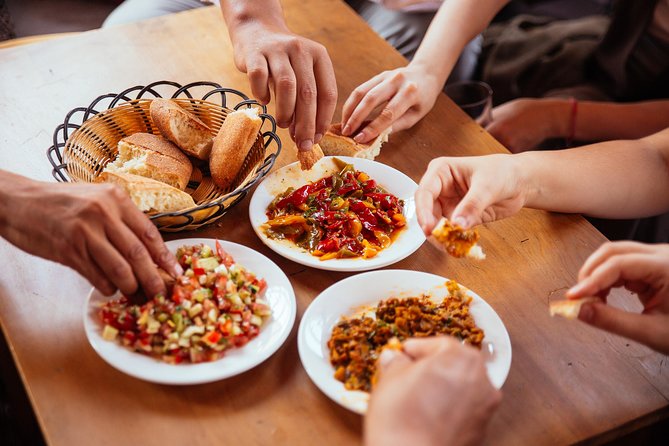
At Jemaa el-Fnaa, the tasting is a meat-focused highlight: you try moroccan meatball kofte with home-made tomato sauce. This is the moment when the tour shifts into the kind of comfort food that keeps Moroccan cuisine so satisfying.
Why it works: meatballs are easy to eat, easy to compare, and you can usually pick up the flavor differences right away. You also get a clear transition from market snacks into more substantial dishes.
If you have limited time in Marrakech and want one savory taste that feels unmistakably local, this is a strong candidate.
Tanjia in a Secret Spot: Slow-Cooked Meat That Feels Like a Finale
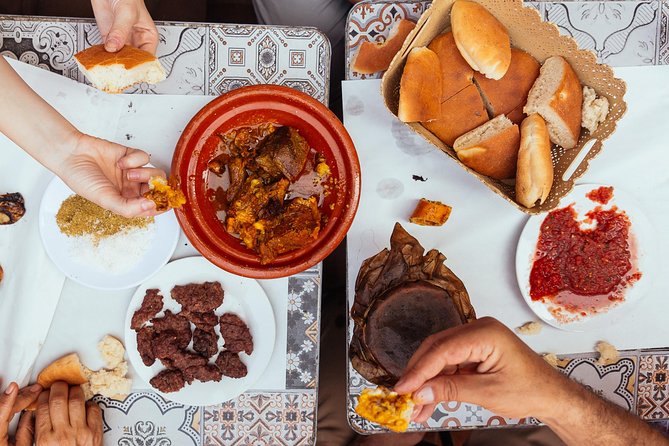
The tour then heads to Heritage Museum Marrakech, also labeled as Museé du Patrimoine. Here, you try tanjia, originally from Marrakech, described as slow-cooked meat.
This is the heart of the experience for me. Not because it is fancy, but because it is slow. Tanjia is the opposite of fast street food, and that contrast makes it memorable. When you finish a tasting like this, you understand why people plan their days around food culture, not just quick snacks.
This stop is also described as being in a secret place nearby. That matters for atmosphere, because it reduces the chaos you might feel in the loudest public squares.
Musee Boucharouite and the Beautiful End: Mint Tea and Cookies
The tour closes with a classic Marrakech finish at Musee Boucharouite: mint tea and cookies. The listing adds that this happens in one of the most beautiful riads, with great atmosphere and stunning architecture.
I like a closing like this because mint tea is not just a drink. It is part of the rhythm of hosting in Morocco, and it gives you a clean landing after strong flavors.
This final stop is also a good place to ask for next steps. A strong guide often uses this moment to recommend what to do after the tour, like where to continue exploring without repeating expensive mistakes.
El Badi Palace and Koutoubia Mosque: Sight Stops That Give Context
Even though tastings are the headline, you also get a few city highlights that keep you oriented.
You visit El Badi Palace (a ruined palace) and Koutoubia Mosque, described as the largest mosque in Marrakech. If you are worried the tour will only be eating with no sense of place, these stops help.
They also make the walking feel more purposeful. You are not just moving to the next snack, you are collecting little snapshots of Marrakech’s shape and identity.
Private Guide Pacing: When It Feels Like Magic, and When It Doesn’t
The official promise is private, meaning it should be only you and your local guide. When things go well, the experience feels tailor-made, not mass-produced.
That said, a couple of past experiences raise a clear point: pacing and communication matter. Some guides named in positive write-ups, like Houssain and Elhousain, are praised for being friendly, accommodating, and great at explaining food. Other names like Ismael, Aimad, Omar, Hassan, Mohammed, and Adil show up with feedback about strong food knowledge and helpful answers, including for kids.
On the flip side, a small number of unhappy notes mention issues like feeling rushed, lack of storytelling, or the guide moving ahead while participants struggled to keep up. There is also at least one mention of prayer timing on a Friday, with a guide stepping away while the group stayed seated.
So here is my practical advice to protect your experience:
- Be clear at the start about any timing constraints you have.
- Tell your guide if you want more food talk, less city talk, or vice versa.
- If you have dietary needs, confirm them at booking so the vegetarian alternatives match your comfort level.
If your guide is a good match, this tour can feel like you are being shown the city by a friend who actually cares about food.
Price and Value: Is $93.05 Worth It?
At $93.05 per person, you are paying for a private 4-hour guide plus a run of included tastings and vegetarian alternatives. You are also getting a mobile ticket and a guide who navigates the medina for you.
Is it good value? For Marrakech, I think it is competitive because the medina can eat up your time. You would spend money and effort just getting to the same quality of food if you tried to do it alone. Here, the guide handles route logic, food introductions, and the behind-the-scenes ingredient context.
Also, the tour includes drinks and multiple types of food. Even without trying to calculate every bite, it adds up to more than a typical snack stop. You leave with a full stomach and a mental map of where to return later.
The one caveat is that private tours are only worth it when the guide’s style fits your expectations. If you are very sensitive to pacing, do what I mentioned above: set your preferences early.
Who This Tour Is Best For
This tour is a strong fit if you want an organized way to try Moroccan flavors without building an itinerary from scratch. It is also a great choice for first-timers who need to understand what to look for in markets like dates, olives, and pastry counters.
I also think it works well for families, since several guide experiences emphasize making sure younger guests find foods they like. If you are traveling with teens or adults who like food variety, you will probably enjoy the spread from sweet pastries and fruit to meat dishes and tea.
If you hate crowds or you need long stretches of sitting, this might not be your ideal format. It is paced around short walking segments and frequent tastings, so you will be on your feet most of the time.
Should You Book This 10 Tastings of Marrakech With Locals?
I recommend booking if you want a tasting-focused medina walk with a guide who can connect food to the city. The lineup of bites, from warka learning to almond pastries, dates, salads, juices, olives, kofte, tanjia, and mint tea, gives you a strong sampler that feels like Marrakech rather than generic North Africa.
I would book with a little extra caution if you are the kind of person who needs detailed storytelling at every stop. The tour seems to depend on guide style, so choose dates and timing when you have room in your schedule and can let your guide set the pace.
If you do book, do two things and you will stack the odds in your favor: ask for vegetarian alternatives if you need them at booking, and share what you care about most, sweet vs savory, or learning techniques vs just eating the best bites.
If you want Marrakech food that feels like it belongs to the medina, not a souvenir stand, this is one of the more practical ways to get it.
Just reviewed around Marrakech
- From Marrakech: Day trip to Ouzoud waterfalls and boat tour★ 5.0 · 73 reviews
- Private horseback ride in the Palmeraie of Marrakech★ 5.0 · 73 reviews
- Marrakech to Essaouira / Small group day tour To Essaouira★ 5.0 · 73 reviews
- 1 Day Guided Tour of World Heritage Kasbah Ait Ben Haddou from Marrakech★ 3.5 · 73 reviews
- Marrakech: Authentic Local Dinner with Transport★ 4.1 · 73 reviews
- Ourika Valley Day trip: Hike, waterfall, lunch and Relax★ 4.8 · 73 reviews
- Waterfalls, Three valleys, Atlas Montains, Camels & Desert★ 5.0 · 73 reviews
- Marrakech: Cycling Tour in Palm Groove with Local Breakfast★ 4.7 · 73 reviews
Food Tours in Marrakech, compared.

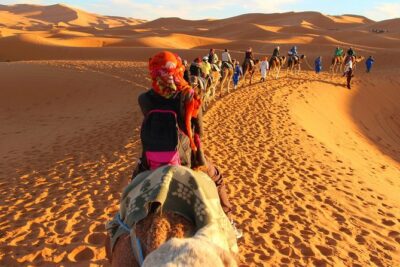
3-Day Tour to Merzouga Erg Chebbi with Food & Camel Trek
Read our review →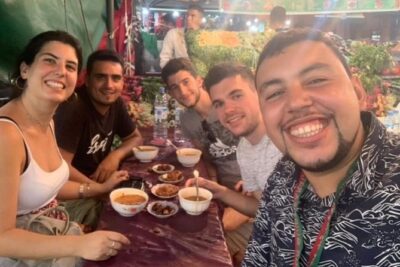
Authentic Moroccan Food Tour in Marrakech with Dinner
Read our review →

Browse the lists this tour appears in