
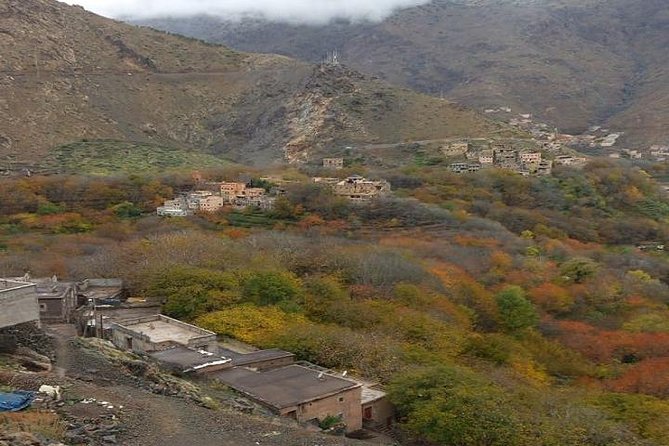
Reviewed · ATLAS MOUNTAINS DAY TRIPS
Trekking in Morocco / 3 Days Valley Trek in the Atlas Mountain & Waterfalls
This 3-day Atlas trek out of Imlil is interesting because you get real hiking in Toubkal National Park, but with mules and mule handlers carrying your bags and food. I like that it is a small-group walk with a guide who helps you read the terrain, and you still get genuine time in Berber villages. One possible drawback: the route spends long stretches climbing and crossing passes, so if you are not comfortable with 5 to 7 hours on foot, you will feel it.
What makes this trip practical is the pacing plus the basics handled for you: round-trip transfers from Marrakech, two nights in local houses, and all meals cooked along the way. I also like the little extras that keep morale up, like the option of a hamam steam bath at Ait Aissa.
Key Things You Should Know Before You Go
- Mule support is built in, so you hike more comfortably while handlers move your bags and food
- You cross named high passes like Oudit Pass around 2,200m and Mzik Pass at 2,500m
- Guesthouse and gite nights let you slow down with local life, not just pass-through scenery
- Big waterfalls day on Day Three, with a later climb to viewpoints before descending to Imlil
- Small group max 15, usually meaning you get more personal attention from your guide
The Big Picture: Atlas Mountains, Imlil, and Toubkal National Park
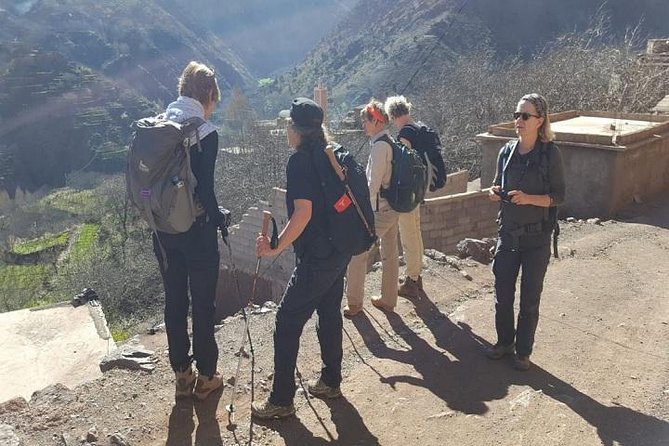
This trek is a classic way to see the High Atlas valleys without planning a route yourself. You start in Imlil, then work your way across village-to-village sections that rise and fall like waves. The trail rhythm is important. Even when the days are described as 5 to 6 hours, you are not walking on flat ground, and your legs learn the altitude swings fast.
What you are really buying here is guidance plus logistics. You do not have to guess where to stop for lunch or how to arrange supplies. A local guide keeps you on the correct paths, and a cook handles food preparation so meals feel like part of the journey, not an afterthought. That matters because the Atlas can be changeable day to day, and being organized is the difference between a smooth trek and a stressful one.
More Atlas mountain days:
- Marrakech: Atlas Mountains, Ourika Valley, Waterfall & Lunch
★ 4.8 · 15,834 reviews - Berber villages : Atlas Mountains Day Hike from Marrakech
★ 5.0 · 14,007 reviews - Marrakesh: Ourika Waterfalls, Atlas Mountains, Guide + Lunch
★ 4.9 · 9,986 reviews
Day One Imlil to Tizi n’ Tamterte to Tachdirt or Tinghourine
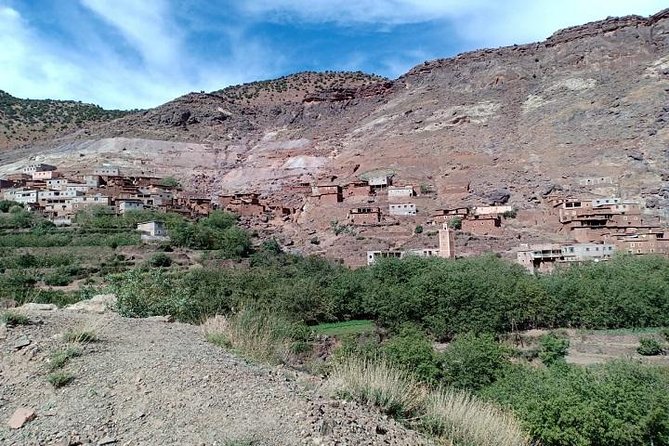
You get an early start, typically at 8:30am. The first day is about 5 to 6 hours walking, moving from Imlil at 1,740m up toward Tizi n’ Tamterte at 2,300m. This is the day that sets the tone. Expect a steady climb, and then that quiet payoff moment when you reach the pass area and have lunch.
Lunch happens after you reach Tizi n’ Tamterte. That timing is smart because it breaks the climb, and it puts you in that classic high-pass zone where the views open up. After lunch, you continue toward the last village for the night, either Tachdirt or Tinghourine. You then sleep in a guesthouse, which is exactly what you want after a longer first-day effort.
A practical note for your comfort: since this is a pass day, pack for temperature swings. Daytime can feel warm, then nights can cool down fast at altitude. You will be given a list of what to bring, including warm layers and a sleeping bag, so aim to follow it closely.
Day Two Across Oudit Pass to Ait Aissa, with a Hamam Option
Day Two runs about 6 to 7 hours, with more valley-to-valley movement. You begin in Tinghourin or Tachddirt, then head toward Ikkis, Aguersiwal (around 2,100m), Matat, and finally Ait Aissa. The route takes you by multiple villages, which is where this trek turns from hiking into a cultural road map.
You also cross Oudit Pass at about 2,200m. That pass crossing is one of those moments where the trail makes you pay attention. You are not just walking in a straight line. You are negotiating stone steps, uneven ground, and changes in slope, which is why the guide’s pacing matters. In the best cases, your guide will also talk through what you are seeing and connect you to people you pass.
In the evening, you reach Ait Aissa where there is a gite to stay in. There is also a hamam steam bath you can use if you want. It is not required, but it is a great option after a full day of walking. Even if you skip the hamam, that first real night at Ait Aissa gives your body a reset before the more intense Day Three.
Day Three Waterfalls, Mzik Pass at 2,500m, and the Return to Imlil
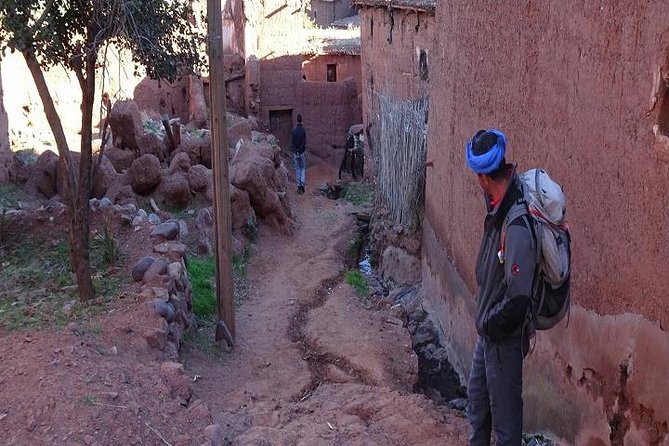
Day Three is around 6 hours, and it is built like a highlight reel. You first visit the big waterfalls in Toubkal National Park. This is the day when the route rewards you with something different from the village and pass routine.
After the waterfalls, you move to a path over Mzik Pass at 2,500m. This is one of the highest moments of the trip, and it comes with fantastic views over the Ait Mizan valley. Then you will have lunch in Mzzik before trekking downhill to Imlil, where the trek ends and the transfer back to Marrakech begins.
This day is where you feel both kinds of effort: the morning walk that can be slippery depending on conditions, and then the later climb toward Mzik Pass. If you are the type who plans your energy well, you will love Day Three. If you tend to go out too fast early, you might feel it by the time you are climbing after lunch.
More Hiking & Trekking in Marrakech:
- From Marrakech: Ouzoud Waterfalls Guided Hike and Boat Trip
★ 4.7 · 33,630 reviews - 3 Days Desert Tour From Marrakech To Merzouga Dunes & Camel Trek
★ 5.0 · 10,125 reviews - From Marrakech: Atlas Mountains Full-Day Hiking Trip w Lunch
★ 4.8 · 7,417 reviews - Marrakech: Ourika Valley Trip with Waterfall Hike
★ 4.6 · 6,792 reviews
Guides, Cooks, and the Pace That Makes or Breaks a Trek
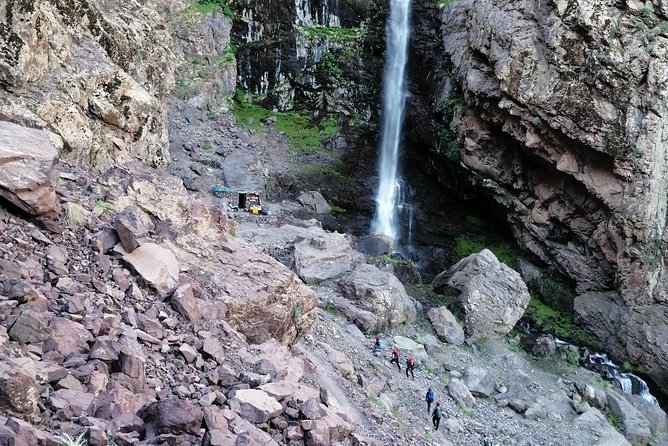
The quality of your trek hinges on two people on the ground: your guide and your cook. The trip includes both a local guide and a cook to prepare meals, with coffee and tea included.
From the names that show up in past trekking experiences, you may be guided by someone like Sabir, Hassan, Ibrahim, or Abdul. You may also have cooks named Hamid or Mohammed. Some guides are specifically noted for speaking good English, which can be a big help when you want context about the villages, the trail, or even just basic safety on steep sections.
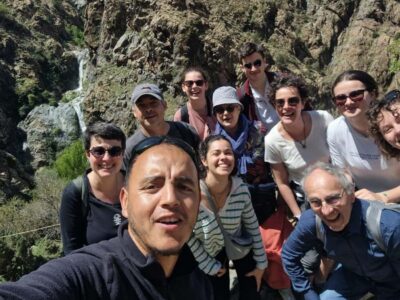
Here is the balanced take on guide experience: this trip is small-group and should feel personal, with a group size capped at 15. Still, if you are very sensitive to communication style, you should ask questions about pace and trail expectations before you lock anything in. One person can think a fast pace is fun. Another can think it is hazardous. You want a middle ground that works for your legs.
Accommodation and Meals: Why This Tour Feels Like Real Morocco
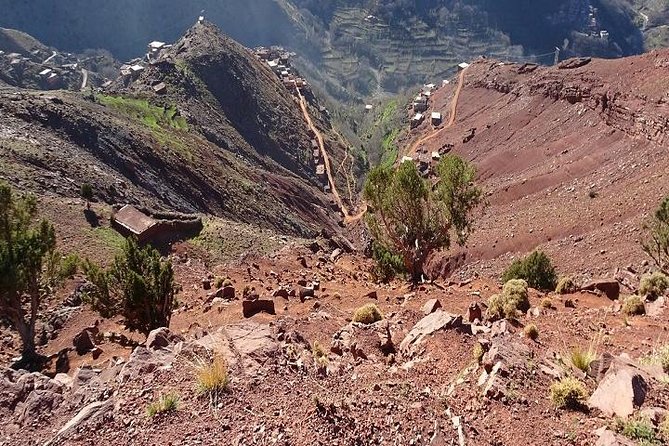
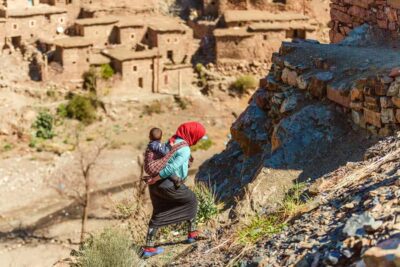
You get two nights in local accommodation. The first night is a guesthouse, and the second is a gite in Ait Aissa. In practice, what you are really paying for here is time. You are not just trekking through the valleys. You are also spending nights in mountain homes, which gives the trip a slower, more grounded feel.
Meals are a major part of the value. You get three lunches during the trek and two breakfasts plus two dinners. The cook prepares the food, and coffee and tea are included. That means you do not have to carry a day’s worth of heavy snacks and you do not have to hunt for food along the way.
Two extra food details matter:
- You buy water yourself from local shops.
- Tips are not included, so plan to budget a little extra if you want to show appreciation for both guide and mule handlers.
The food setup is also tied to the mule system. Since mules carry your baggage and food, you can travel lighter and focus on walking.
The Mule System: Comfort, Safety, and Why It’s Worth Paying For
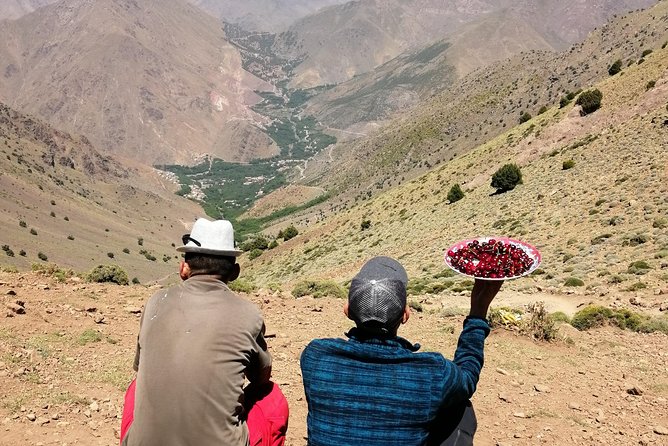
This is a mule-assisted trek, with mule handlers to carry bags and food. For most people, that is the best tradeoff in the High Atlas. You still do the climbing and the long walks, but your pack weight drops dramatically.
What I love about mule support is how it changes your mindset. You stop thinking about logistics and start thinking about the trail and views. It also helps you stick to the day’s time window, because a heavy backpack can throw you off pace.
Safety is where this matters most. When your weight is carried by mules, you reduce the chance you will rush on steep or rocky sections because your load feels awkward. You still need good footwear and smart pacing, but the mule system takes away a big chunk of strain.
What You Need to Bring, Plain and Simple
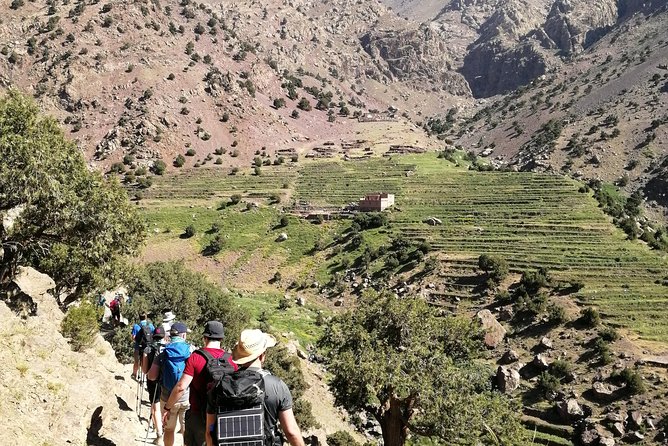
The essentials list is clear, and you should treat it like a checklist, not a suggestion. Bring:
- sleeping bag
- walking shoes
- jackets
- warm and light clothing
- hat
- sunscreen and sunglasses
- towel
Also, for the practical side of packing: if there are things you cannot bring, you might be able to rent them in an equipment shop. But do not assume. Pack as much as you can ahead of time so you do not lose energy hunting gear on arrival.
One comfort tip I strongly recommend: bring layers you can peel on climbs and add again near passes. High Atlas weather can shift quickly, and temperature swings are often bigger than you expect.
Price and Value: Is $267.13 a Good Deal for Three Days?
At $267.13 per person, this trip can feel like either a bargain or a splurge depending on your travel style. Here is the value math in real terms.
You are paying for:
- round-trip transport from Marrakech
- a local guide
- accommodation in local houses for two nights
- all food during the trek, including lunches, breakfasts, and dinners
- a cook to prepare meals
- coffee and tea
- mules plus mule handlers to carry baggage and food
If you tried to recreate this on your own, you would spend time and money just to coordinate guides, lodging, and food supplies, and you would likely still end up paying for mule support if you want a lighter hike. In that sense, this price looks fair for what is included, especially if you like the idea of walking without constantly problem-solving.
Where you might hesitate is if you already have gear, a guide connection, and a strong plan for logistics. But most people do not. For them, paying for the infrastructure is part of the pleasure.
Who This Trek Suits Best
This trek is a strong match for people with moderate fitness. You should be comfortable walking 5 to 7 hours on rough terrain and crossing passes at elevations around 2,200m and 2,500m.
It also suits you if you like:
- village-to-village walking where you see daily life instead of only mountain views
- a small-group feel (maximum 15)
- the comfort of included meals and two nights in local accommodation
- optional extras like a hamam on Day Two
It might be less ideal if:
- you hate uncertainty around pace and guide style
- you want a fully self-paced hike with no group rhythm
- you are very sensitive to long days on foot
Should You Book This Imlil Valleys Trek?
Book it if you want a high-quality, mule-assisted Atlas trek that runs smoothly from Marrakech, feeds you well, and gives you a real three-day walking circuit through Toubkal National Park valleys. The combo of mules, included meals, and that Day Three mix of big waterfalls plus Mzik Pass views is a lot of payoff for your time.
Think twice if you are not confident with multi-hour climbs and pass crossings, or if you know you will struggle with cold nights unless you pack correctly. If you do decide to go, focus on bringing the right layers and shoes, and ask your guide about pace on the first day so the hike stays fun, not just hard.
FAQ
What time does the trek start?
The start time is 8:30am.
Where are you picked up and returned to?
You get round-trip transfers between Marrakech and the trek area.
How long is the trek?
It lasts about 3 days.
Is the group size small?
Yes. The maximum group size is 15 travelers.
What’s included in the price?
Transport from and back to Marrakech, a local guide, all food during the trek, mules to carry baggage and food, accommodation in local houses, a cook, and coffee and/or tea.
Do I need to buy my own water?
Yes. Water is not included, and you buy it from locals shops.
Is a hamam steam bath included?
There is a hamam option at Ait Aissa, if you would like to use it.
What should I pack for the hike?
You should bring a sleeping bag, walking shoes, jackets, warm and light clothing, a hat, sun cream, sun glasses, and a towel.
Just reviewed around Marrakech
- Agafay Adventure: Quad & Camel, Dinner Show, Desert with Sunset★ 5.0 · 27 reviews
- Diner show in Agafay Désert & Camels Ride★ 5.0 · 27 reviews
- Toubkal Ascent Trek 4167m 2 days & 1 night★ 5.0 · 28 reviews
- Private 4-Day Desert Tour from Marrakech to Zagora & Merzouga★ 5.0 · 28 reviews
- Marrakech Private Shopping in Berbers souks – Old market★ 5.0 · 28 reviews
- Marrakech: Agafay Desert Inara Camp Pool Day Pass w/ Dinner★ 4.5 · 28 reviews
- Magical dinner show and camel ride & Quad Bike in Agafay desert★ 5.0 · 28 reviews
- Ourika Valley and Berber Village Tour★ 5.0 · 28 reviews
Atlas Mountains Day Trips, compared.
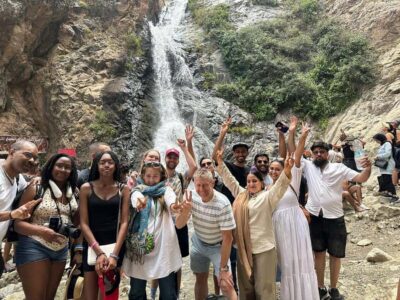
Atlas Mountains, Ourika Valley, Waterfall & Lunch
Read our review →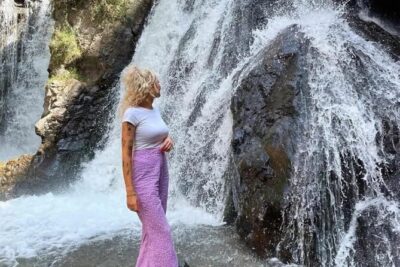
Berber villages : Atlas Mountains Day Hike from Marrakech
Read our review →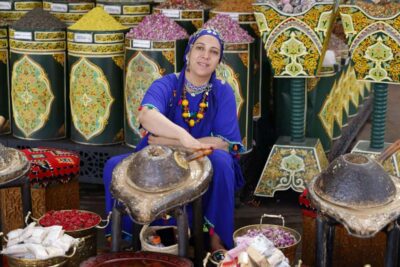
Ourika Waterfalls, Atlas Mountains, Guide + Lunch
Read our review →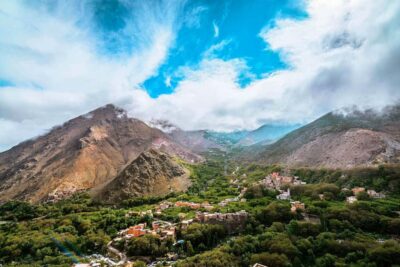
Atlas Mountains & Agafay Desert Tour w Camel Ride
Read our review →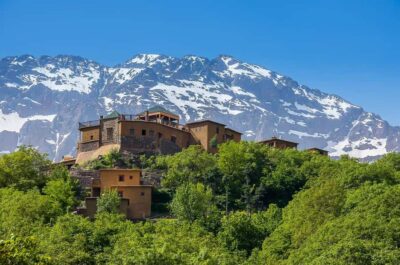
Atlas Mountains, Waterfalls, Ourika Valley +Lunch
Read our review →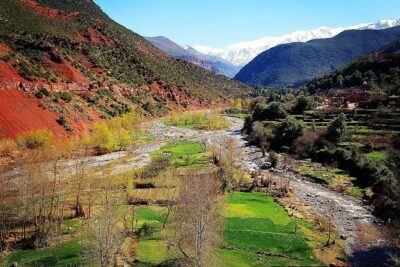
Atlas Mountains & 5 Valleys Tour from Marrakech – All inclusive –
Read our review →Browse the lists this tour appears in