
Reviewed · TOUBKAL TREKS
2 days Mount Toubkal Trek from Marrakech
Mount Toubkal is the highest peak in North Africa, and this 2-day trek is interesting because it feels like a true mountain journey without technical climbing. I like the way the route is guided at your pace, with one-on-one support and mule help for packs. I also like the built-in payoff of an early summit push so you can watch the daybreak from the top. One drawback to think about: admin and messaging can be slow, so you may need to follow up firmly before your start day.
The itinerary has a clear rhythm: drive to Imlil, hike up to the refuge for a night of Berber hospitality, then climb again at very early hours for sunrise. Guides like Omar, Mustafa, Mustapha, and Mohammed (names I saw in the guide stories) show up again and again for good reason, especially when it comes to pacing, safety, and culture talk. The biggest consideration is fitness and conditions, since steep, narrow trails are part of the deal, and in winter months snow can mean crampons and ice axes.
If you want a high-stakes view with real local texture, this is a strong pick. Just be honest about your endurance, bring layers, and plan for the fact that “easy, non-technical” still means work on your legs.
Key Things That Make This Toubkal Trek Worth It
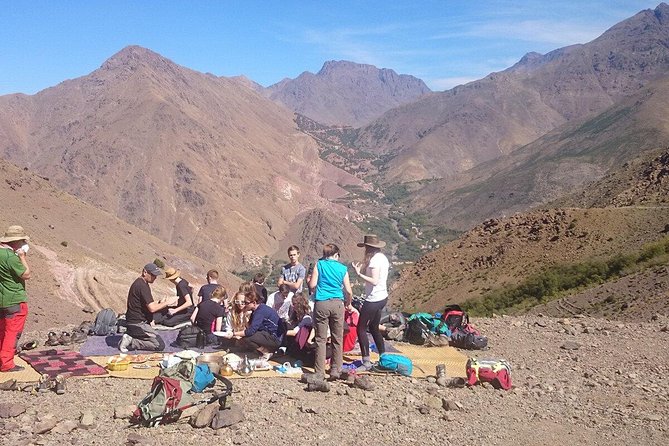
- Private, one-on-one guidance means you do not get dragged along, and you get help when the trail turns steep or narrow
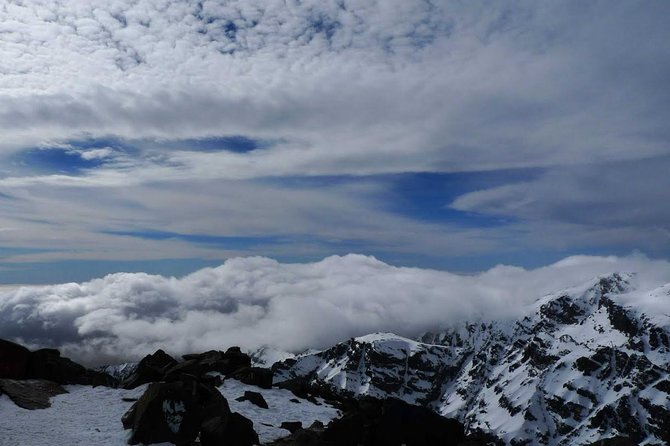
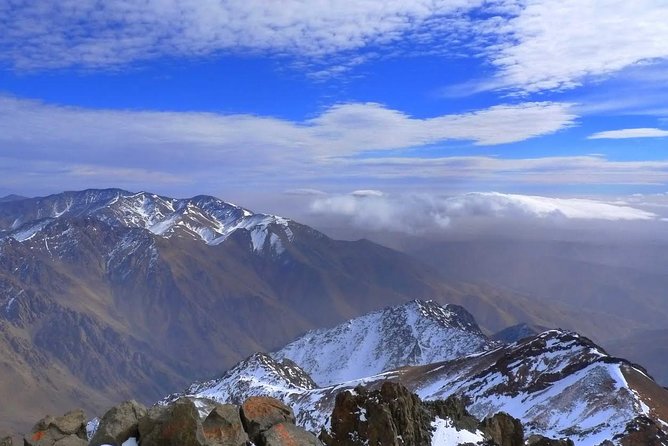
- Sunrise summit timing gives you a dramatic start of day and big views over the Atlas and toward Marrakech
- Refuge stay with meals at Les Mouflons helps you recharge without having to think about logistics
- Mules carry your pack, so you can hike lighter and move with more comfort
- Steep passes and easy scrambling are part of the route, so you need moderate fitness, not just curiosity
- Winter traction gear may be required, and crampons or ice axes are not included by default
Why Mount Toubkal Feels Like More Than a Check-Box Hike
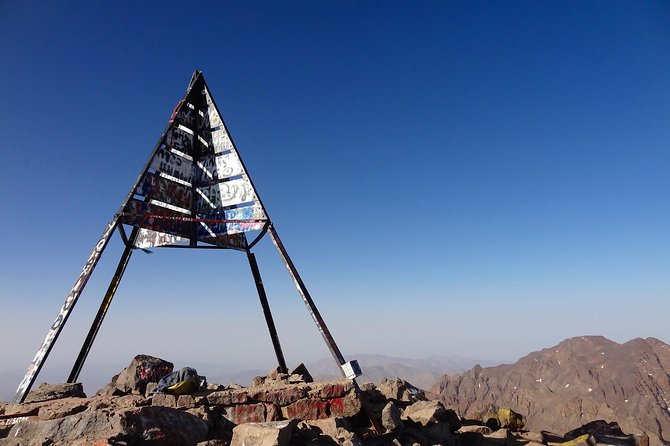
This trek is famous for a reason, but you should not think of it as a vague bucket-list experience. Mount Toubkal (4167m) is the highest peak in North Africa, and you get to reach it through non-technical hiking. Translation: no rope work, no rock-climbing brain. What you do get is a real mountain ascent with altitude, cold air, and that steady grind that makes the top feel earned.
The big value is the support style. This is a private tour, and you climb with your own local guide rather than a big group funnel. That changes everything on Toubkal, because the paths can be steep and narrow in places. A good guide also helps you read the mountain, like where to conserve energy and when to take short breaks. In the guide stories, safety and pacing came up repeatedly, including help with crampons for people who were not used to them.
The other “why it’s worth it” factor is the schedule. You are picked up early, you hike up for hours on Day 1, and then on Day 2 you go for the sunrise summit as conditions allow. That means the trek is designed around light and visibility, not around a random time on a random day.
The only real caution I give is this: the climb is not a leisurely walk. Even though it is non-technical, you should expect some easy scrambling and possible snow slopes. If you are the kind of traveler who hates being uncomfortable, you might not love it. If you are okay with hard hiking for a short time, you will likely feel proud when you finish.
More Toubkal treks:
- Mt Toubkal Ascent Express Trek 2 Days 1 Nights
★ 4.7 · 962 reviews - Marrakesh: 2-Day Mt. Toubkal Trek with 1-Night Stay & Meals
★ 4.7 · 795 reviews - From Marrakech: 3-Day Mount Toubkal Climbing Trek
★ 4.7 · 597 reviews
Day 1 From Marrakech to Imlil, Then Up to Les Mouflons Refuge
You start with an early pickup after breakfast and then head out toward the Atlas Mountains. The drive to Imlil takes about 2 hours, which is long enough to clear your head but short enough that you are not wasting the day before you even climb.
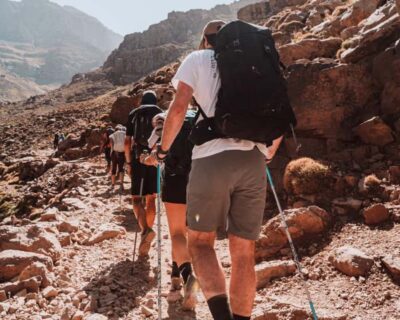
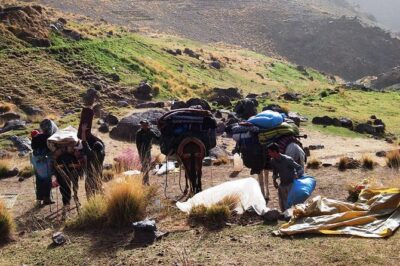
Once you reach Imlil, you meet your guide and the mule team. This matters more than it sounds. You typically load up and set off with your packs managed by mules, so your own load stays more manageable. That gives you more focus for the steep parts and the narrow stretches, which are exactly what can drain you if you have heavy gear on your back.
Then comes the Day 1 hike: about 5 to 6 hours from Imlil up to the refuge below the summit. The route goes through remote mountain terrain and over several passes. Passes can feel like a psychological tease, because you crest one and think you are done, then you climb again. A good guide keeps you moving steadily and helps you pace so you do not burn out before the overnight stop.
Along the climb, you are rewarded with views toward the Valley of Imlil and toward the shrine of Sidi Chamharouch. Those sights are part of why the trek feels cultural, not just physical. You are moving through a lived landscape where villages and shrines dot the mountainside.
At the end of Day 1 you reach your accommodation: Les Mouflons, Toubkal Refuge. This is refuge trekking, not hotel trekking. Expect simple facilities, and also expect the shared mountain-night feeling. One guide story mentioned hot showers being available at the refuge, which is a nice perk if you are lucky with the timing and setup.
What I like about this Day 1 structure is that it gives you a full day of mountain travel without making you summit immediately. You build rhythm. Your legs warm up. Your lungs adjust. And you get a night of Berber hospitality before you chase the top.
Day 2 Sunrise Summit of Toubkal, Then the Long Way Back Down
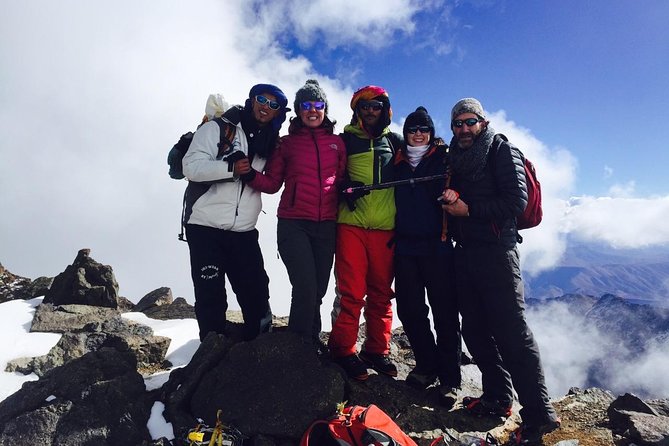
Day 2 begins with an early breakfast and an early start. The summit push is designed around sunrise, which means you start climbing before the world turns bright. That early timing is not just for drama. It also helps with temperatures and visibility.
The ascent itself is described as non-technical, and the final section is broad with a gradual approach to the peak. Still, do not confuse broad and gradual with effortless. Altitude and slope are real. You will likely feel wind, cold air, and that dry mountain fatigue.
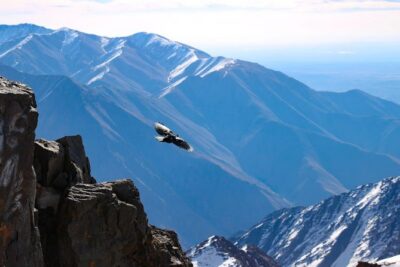
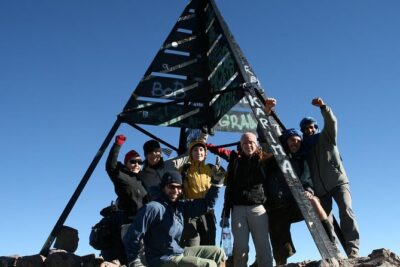
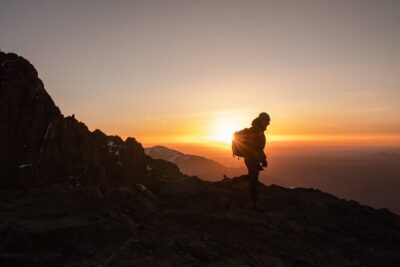
The payoff is the summit as the sun rises. From the top, you get wide views across the mountains toward Marrakech to the north, and toward the beginning of the Sahara to the south. You also get a look at dramatic cliffs, including views connected to Ifni Lake. Even if you have seen mountain photos before, sunrise from a high peak hits differently because the light builds detail you cannot capture from street level.
After the summit, you descend back down toward Imlil. The itinerary keeps the day structured so you meet your transport back to Marrakech after the hike. That back half of the trek is where people often get impatient, but it is also where good pacing matters most. Your knees will thank you if you go carefully rather than sprinting down to finish.
What I appreciate about Day 2 is that it is intense but contained. You are not signing up for a multi-day endurance epic. You are doing a hard two-day event with a clear end point, which is a great match for travelers who want mountain achievement without spending a whole week away.
Guides, Mules, and Berber Hospitality: The Human Part That Makes It Feel Local
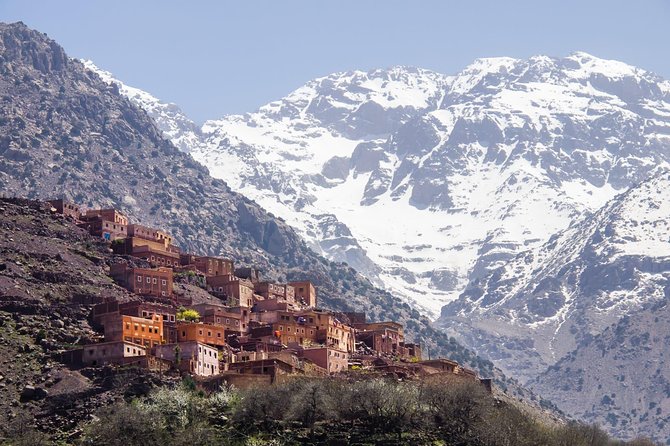
This tour is built around human service: a local guide, a professional guide, and a muleteer team. In other words, it is not just transport and a route. It’s people who know how to run a mountain day.
The guide impact shows up in the stories. Omar stood out for going above and beyond on safety and sharing culture information. Mustafa and Mustapha came up for motivation and comfort during a tough climb. Mohammed was praised for care and also for making the hike feel more manageable through the right pace and support. Aziz was mentioned for handling needs quickly and keeping the group safe. Idris and Sijad were noted for friendly, caring guidance and solid pacing.
Even the cooking and hosting element matters. Youssef was mentioned with delicious Berber food and hospitality. That is exactly what you want from an overnight refuge stop. It turns your energy reset from an awkward snack situation into an actual meal that helps you hike again the next morning.
Mules are another underrated part. Some groups booked the trek with mule support, and the mule team helps with luggage on the route. One story said that if a mule was not available as expected, another mule and mule driver still found a solution without derailing the plan. That is why I recommend traveling with the mindset that the mule team is part of the system, not just extra extras.
On the cultural side, the trek includes views toward local religious and community points like the shrine of Sidi Chamharouch. If you want to know what you are looking at, this is where guides earn their fee.
More Hiking & Trekking in Marrakech:
- From Marrakech: Ouzoud Waterfalls Guided Hike and Boat Trip
★ 4.7 · 33,630 reviews - Berber villages : Atlas Mountains Day Hike from Marrakech
★ 5.0 · 14,007 reviews - 3 Days Desert Tour From Marrakech To Merzouga Dunes & Camel Trek
★ 5.0 · 10,125 reviews - From Marrakech: Atlas Mountains Full-Day Hiking Trip w Lunch
★ 4.8 · 7,417 reviews
Price and Logistics: Is $157 Really Good Value?
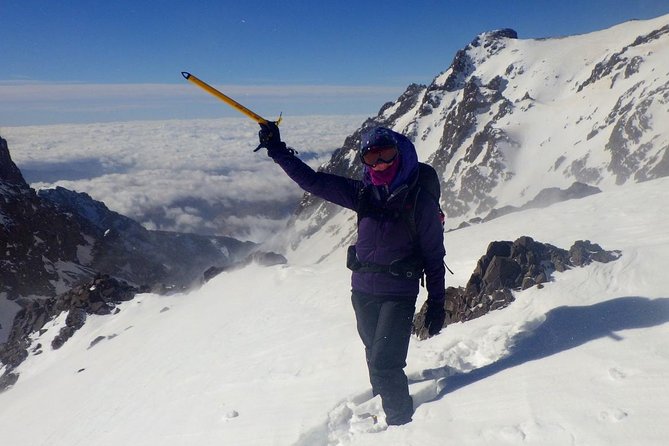
At $157.02 per person, this is priced like a serious guided activity, not a casual day hike. The value is in what is included for a two-day timeline.
You get:
- Hotel pickup and drop-off
- Refuge accommodation (Les Mouflons, Toubkal Refuge)
- Meals as per itinerary, plus tea and coffee
- Local guide and professional guide
- Muleteer team
- A private setup, meaning only your group participates
When I compare cost to typical costs for private transport, a guide, and overnight mountain logistics, the price starts to make sense. The itinerary also includes things you would otherwise have to solve yourself: where you sleep, how you get there, and how you manage the climb with support.
But I also want to be honest about the tradeoffs. Several people highlighted that the experience quality can be strong on the mountain while communication admin can lag beforehand. One key advice: assume you might need a bit of follow-up energy. Do not wait until the last minute to confirm pickup details, clothing and gear expectations, and whether you need crampons for your dates.
Also, some people mentioned water not being included. Bottled water is not part of the included list. So plan to bring water for yourself, or expect to buy it separately.
In winter (November to April), gear needs can change quickly based on snow. Crampons and ice axes are not included, and sleeping bags are not included either. That affects your real cost if you must rent or buy gear at the last moment. The good news is that guide stories also mention that teams may help you rent or use the right gear, but you should still budget time and money for that possibility.
What to Wear and Pack for a Non-Technical Summit (That Still Gets Cold)
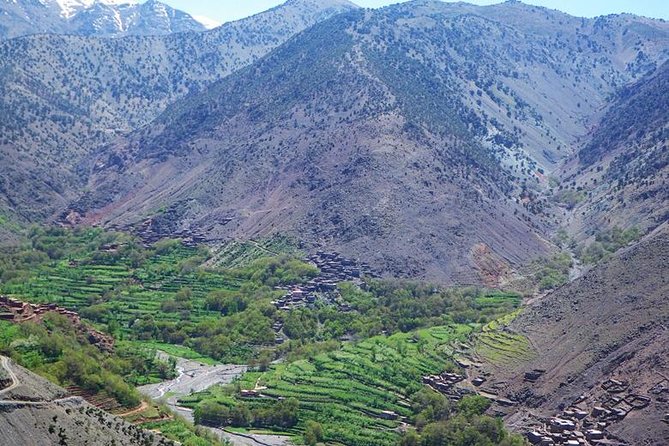
This trek is non-technical, but it can still be harsh. The included note says that during November to April, two days may involve walking in crampons and using ice axes depending on snowfall. Also, crampons and ice axes are not included, and sleeping bags are not included.
So plan with this logic:
- Wear hiking boots that grip on uneven stone.
- Bring layers you can change quickly, because mornings near sunrise can be cold.
- Add warm gloves and a hat, because even if the hike is non-technical, the summit hour can feel brutally cold.
- If snow is possible, plan for traction. Even if you are not sure you will need it, have the gear plan ready.
Some groups praised guides who helped with crampons and taught safe use. That is great, but the safest plan is still to assume you will manage traction instructions carefully and follow your guide’s lead.
For sleeping, this is a refuge stay, not a resort. Sleeping bags are not included, so you should bring one if you are required to. One of the practical comfort notes I saw was that people appreciated hot showers, which can make a big difference after cold hiking.
Food is included as breakfast, lunch, and dinner per itinerary, plus tea and coffee. Still, bring a small snack strategy if you have specific preferences, because mountains and schedules do not always align with how you eat at home.
Seasonal Timing and Weather: All-Weather Operation, Real-World Adjustments
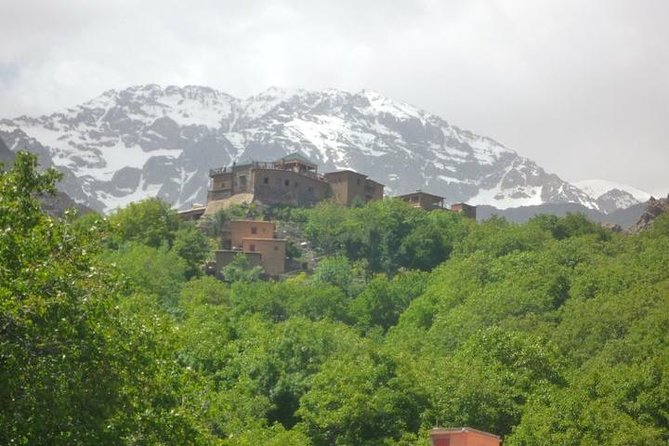
The operator note says it operates in all weather conditions, and it requires good weather. That combination usually means you will hike in normal variability, but if conditions become unsafe, a date change or refund may happen.
So you should dress for all weather. Think rain shell plus warm insulation. Even if you expect clear skies, remember you are climbing and descending, and temperature swings can be sharp.
If you are booking for winter months, your gear checklist changes. Crampons and ice axes might become necessary depending on how much snow falls. Also, crampons safe use may be taught by your guide, but you still need to be physically able to put them on and hike safely.
One more practical point: sunrise summit timing is the goal, but nature decides the pace. You are not in charge of visibility. Your best role is to be ready, flexible, and follow the guide if the plan shifts for safety.
Should You Book the 2-Day Toubkal Trek From Marrakech?
Book it if you want:
- A private guided mountain experience with mule help
- A real summit goal, the highest peak in North Africa
- Sunrise views and a structured two-day plan with overnight refuge lodging
- Cultural touchpoints like views toward Imlil and the shrine of Sidi Chamharouch
Skip it or choose a different style if:
- You have low stamina, shaky knees, or you hate steep hikes and early starts
- You rely on perfect communication and zero friction before the trip. Some people had slow responses leading up to the experience, so you should be proactive in confirming details.
- You are not prepared to handle possible cold and snow gear needs in late fall to spring.
My final take: this is one of those trips where the mountain does the talking. The included logistics, private pacing, and guided support make it achievable for most fit travelers, not just hardcore hikers. If you show up prepared for steep trails and an early sunrise climb, you will likely come away with a story you can retell for years.
FAQ
How long is the Mount Toubkal trek?
The tour runs for about 2 days.
What time does the experience start?
The start time is 8:30 am.
Is this a technical climb with ropes?
No. The trek is designed for non-technical climbing, though it can include easy scrambling and possibly snow slopes.
How fit do I need to be?
You should have moderate physical fitness, since the trails are steep and narrow in places.
What is included in the price?
Accommodation, meals as per itinerary, tea and coffee, local and professional guides, hotel pickup and drop-off, and the muleteer team are included.
What should I bring since it is not included?
Bottled water, crampons and ice axes if necessary, and sleeping bags are not included.
Is it suitable for children?
It is not recommended for children aged 9 years and under.
Just reviewed around Marrakech
- Agafay Adventure: Quad & Camel, Dinner Show, Desert with Sunset★ 5.0 · 27 reviews
- Diner show in Agafay Désert & Camels Ride★ 5.0 · 27 reviews
- Toubkal Ascent Trek 4167m 2 days & 1 night★ 5.0 · 28 reviews
- Private 4-Day Desert Tour from Marrakech to Zagora & Merzouga★ 5.0 · 28 reviews
- Marrakech Private Shopping in Berbers souks – Old market★ 5.0 · 28 reviews
- Marrakech: Agafay Desert Inara Camp Pool Day Pass w/ Dinner★ 4.5 · 28 reviews
- Magical dinner show and camel ride & Quad Bike in Agafay desert★ 5.0 · 28 reviews
- Ourika Valley and Berber Village Tour★ 5.0 · 28 reviews
Toubkal Treks, compared.
Mt Toubkal Ascent Express Trek 2 Days 1 Nights
Read our review →
2-Day Mt. Toubkal Trek with 1-Night Stay & Meals
Read our review →
Browse the lists this tour appears in