
Reviewed · TOUBKAL TREKS
Marrakesh: 2-Day Mt. Toubkal Trek with 1-Night Stay & Meals
This trek is interesting because it takes you from everyday Marrakech life to thin air fast, with a route built for a true mountain feel. You climb through Atlas villages, sleep at the Toubkal Refuge, and then chase sunrise toward Mt. Toubkal, North Africa’s highest summit.
I like the fact that the trip is run as a small group with a local team leading you step by step, and I also like that food and one night are handled for you (1 dinner, 2 lunches, 1 breakfast). One consideration: the hiking is long and weather can turn serious, so you need real cold-weather basics and a willingness to work for it.
Key things I’d plan around
- Acrem d and Sidi Chamarouch stop: your day-one route includes a sanctuary and a waterfall break in the valley world
- Tough elevation change, fast: you rise from about 1,740 m up toward 3,207 m in the first long day
- Early summit push: day two starts before sunrise, with a long hike that can include sudden cold and wind
- Refuge night at altitude: expect a simple dorm-style stay where warmth and sleep comfort depend on what you bring
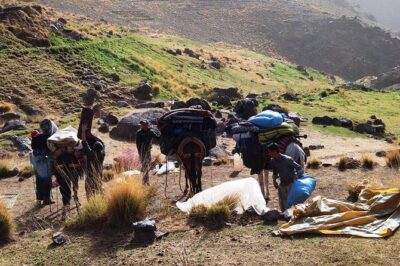
- Mule support in most seasons: a mule can carry luggage from April to November, so you can travel lighter
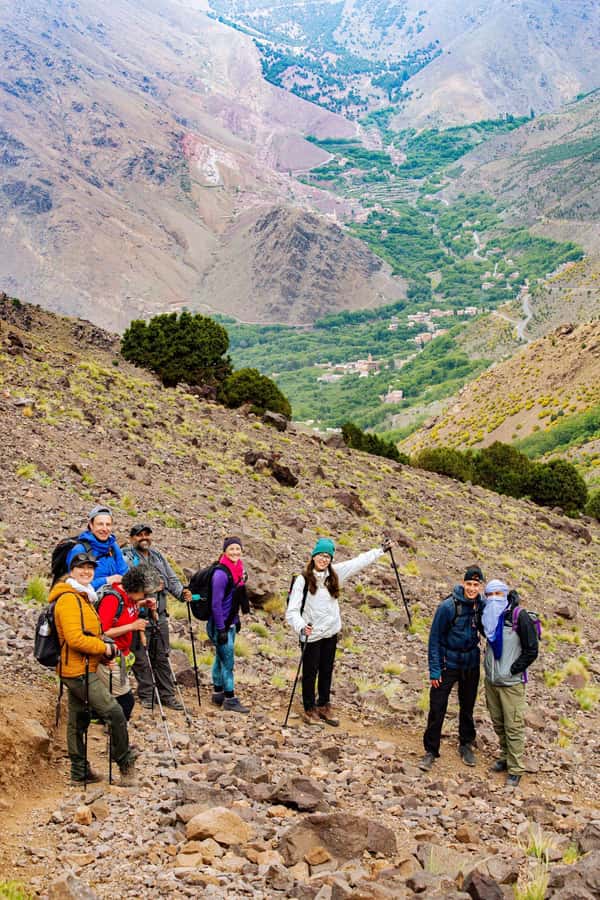
- Small-group pacing: you’ll move together, and guides adjust for the group’s rhythm
Why Mt. Toubkal feels like more than a checklist
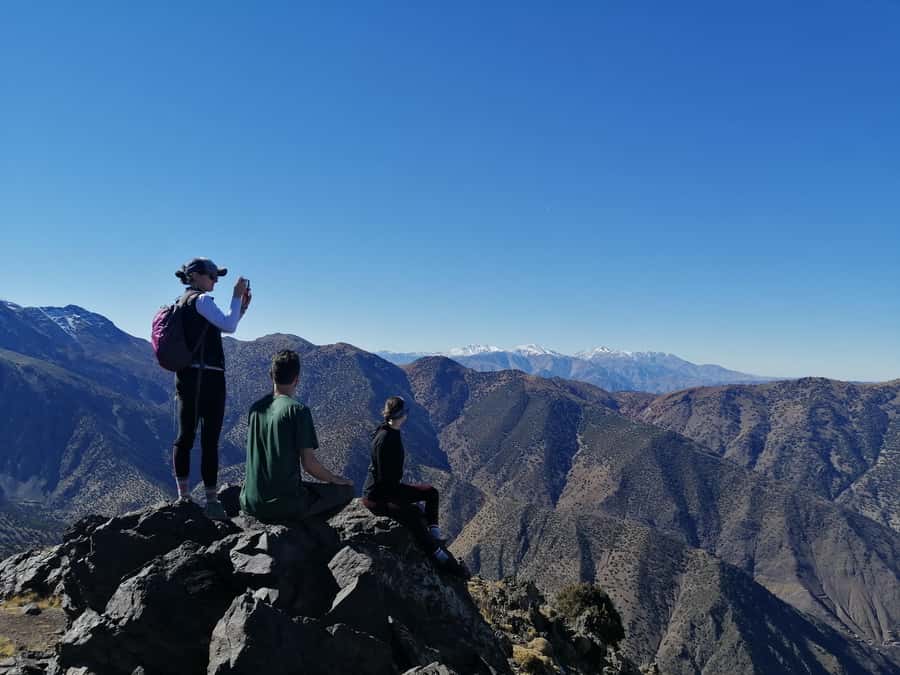
Mt. Toubkal is famous for a reason: it is the highest point in North Africa, and the summit reward is big-picture, not just pretty photos. From the top, the views stretch in multiple directions, with the plain linked to Marrakech in one direction and the farther Anti-Atlas and even hints toward the Sahara in the other.
What makes this specific 2-day format appealing is how it compresses the full mountain experience into a manageable trip length. You get the change of scenery over two days, not just one long walk and a quick turnaround. You also get a full refuge night, which helps the overall rhythm, especially if you are trying to do this as a true overnight hike instead of a rushed day trip.
And since you start from Marrakech with pickup and transport, the logistics are simpler than trying to arrange everything on your own.
More Toubkal treks:
- Mt Toubkal Ascent Express Trek 2 Days 1 Nights
★ 4.7 · 962 reviews - From Marrakech: 3-Day Mount Toubkal Climbing Trek
★ 4.7 · 597 reviews - From Marrakesh: 2-Day Mount Toubkal Trek
★ 4.7 · 591 reviews
The 2-day rhythm: Imlil, Aremd, refuge, summit, return
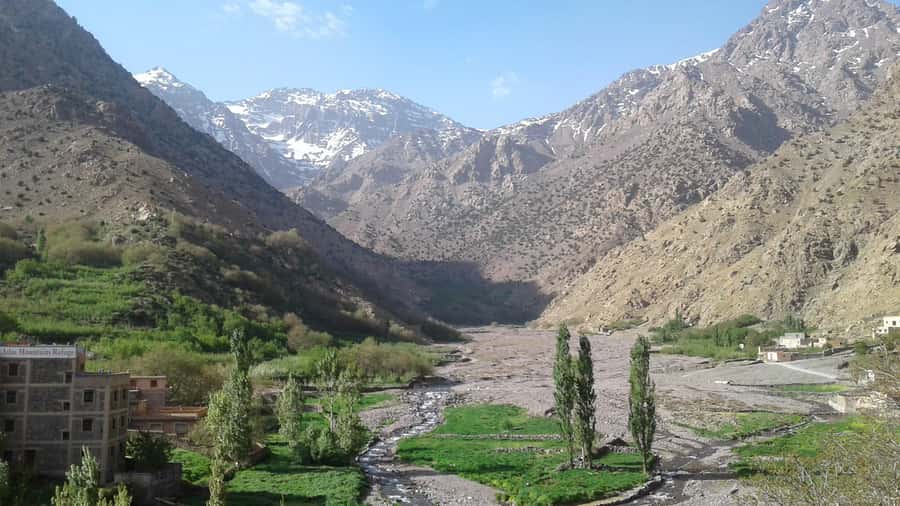
The tour runs a clear loop: drive you from Marrakech to Imlil valley, hike up to the refuge for the night, then push for the summit early the next day and descend back down.
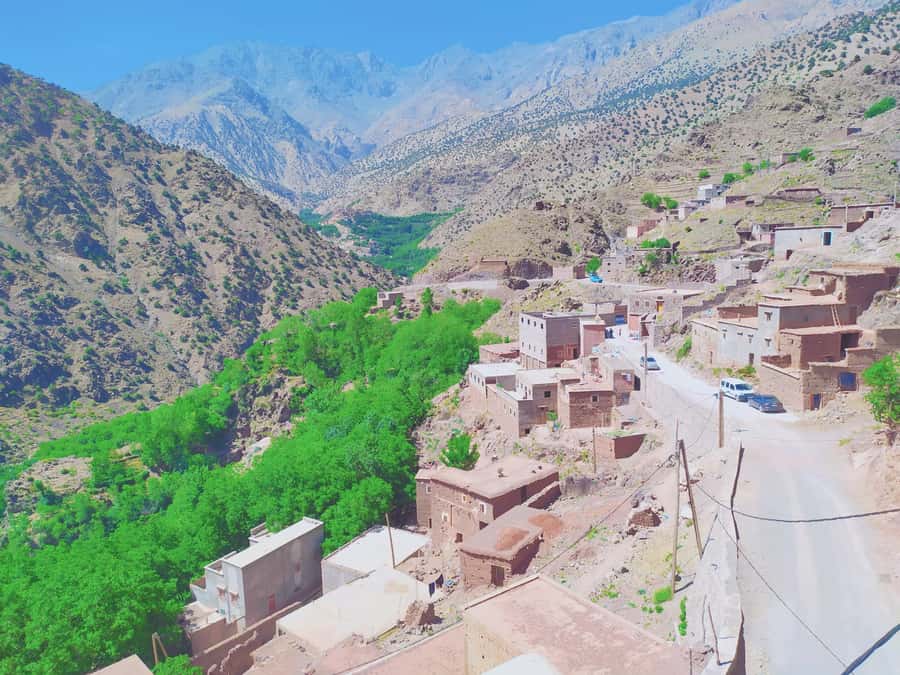
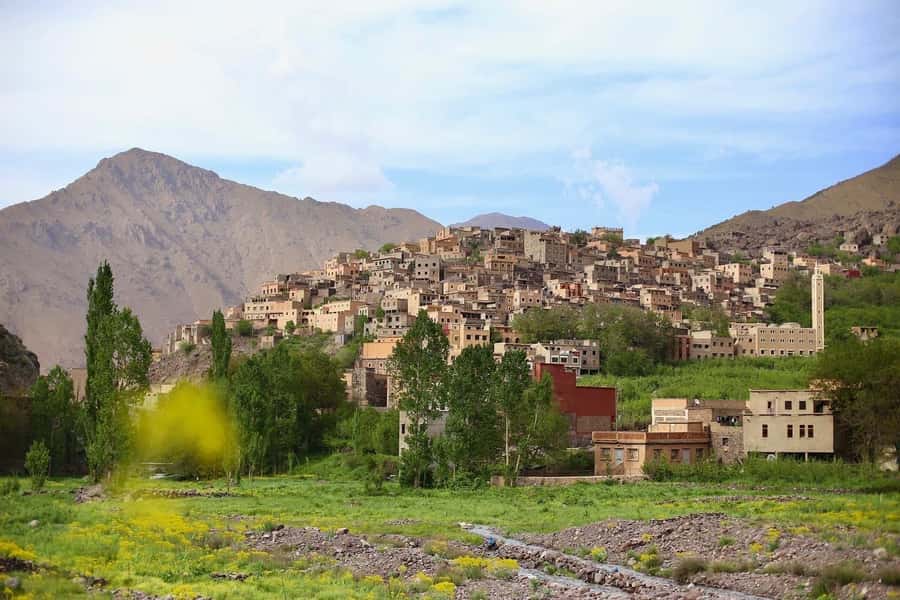
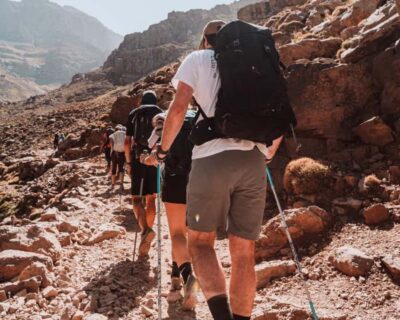
On day one, plan for a long uphill day of about 5 to 6 hours hiking, climbing from roughly 1,740 m to about 3,207 m. Along the way you pass through village areas like Aremd and visit the sanctuary of Sidi Chamarouch, with a nearby waterfall built into the route.
Day two is the real commitment. After breakfast, the climb toward the summit happens early, with crossings over streams and lots of rock and steep path walking. The total day can run 10 to 12 hours on your feet, including the descent back to Imlil.
If you like “start early, work hard, earn the payoff” trips, this one fits that style perfectly.
Day 1 details: Imlil valley to Toubkal Refuge via Aremd and Sidi Chamarouch
Day one starts with pickup from your Marrakech accommodation, then a transfer to Imlil valley. Once you arrive, you meet your local team and get moving into the valley system.
As you hike, the route goes from the lower valley up toward Aremd, and then toward the sanctuary of Sidi Chamarouch. This is a good mid-route moment for two reasons. First, it breaks up the effort of steady climbing. Second, you get a sense of how the mountains live beyond the hiking trail, which makes the trek feel grounded instead of purely scenic.
The route also includes a nearby waterfall stop. Even if you are not chasing waterfalls for the big show, the sound and mist can feel like a reset for your body during a long day.
Then you keep climbing along steep paths to reach the refuge. Dinner and the overnight stay are part of the experience, so you are not scrambling to find food or lodging after a hard push.
Tip for day one: pace yourself for the climb, not for the photos. With altitude increasing fast, it is the slower, steadier approach that keeps you feeling strong for day two.
Refuge night at 3,207 m: what you’re signing up for
The refuge stay is part of the charm, but it also helps you understand what kind of trek this is. You will sleep at altitude, and the sleeping setup is often dorm-style. Expect bunk-bed living rather than hotel comfort, because the refuge is designed for hikers moving through the mountains.
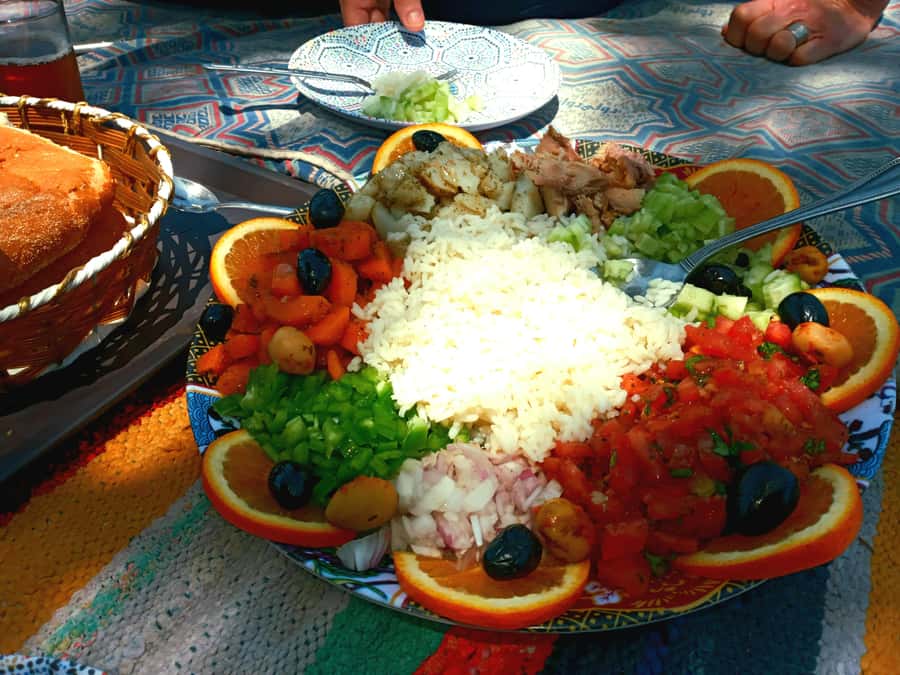
You’ll have dinner at the refuge, and the food is included in the package. People also speak highly of the warm meals and the cozy feel of the refuge at altitude. Still, keep your expectations realistic. You are sleeping at over 3,200 m, and warmth depends on your layers and whatever you can rent or bring.
If you run cold easily, bring your real cold-weather gear. Gloves and a warm jacket matter here, especially once the sun drops and the wind can cut.
Also, plan for sleep to be imperfect. A dorm can be loud, and a simple solution like earplugs can make a difference when you need energy for the summit morning.
More Hiking & Trekking in Marrakech:
- From Marrakech: Ouzoud Waterfalls Guided Hike and Boat Trip
★ 4.7 · 33,630 reviews - Berber villages : Atlas Mountains Day Hike from Marrakech
★ 5.0 · 14,007 reviews - 3 Days Desert Tour From Marrakech To Merzouga Dunes & Camel Trek
★ 5.0 · 10,125 reviews - From Marrakech: Atlas Mountains Full-Day Hiking Trip w Lunch
★ 4.8 · 7,417 reviews
Day 2 summit strategy: early start, streams, plateau views, big descents
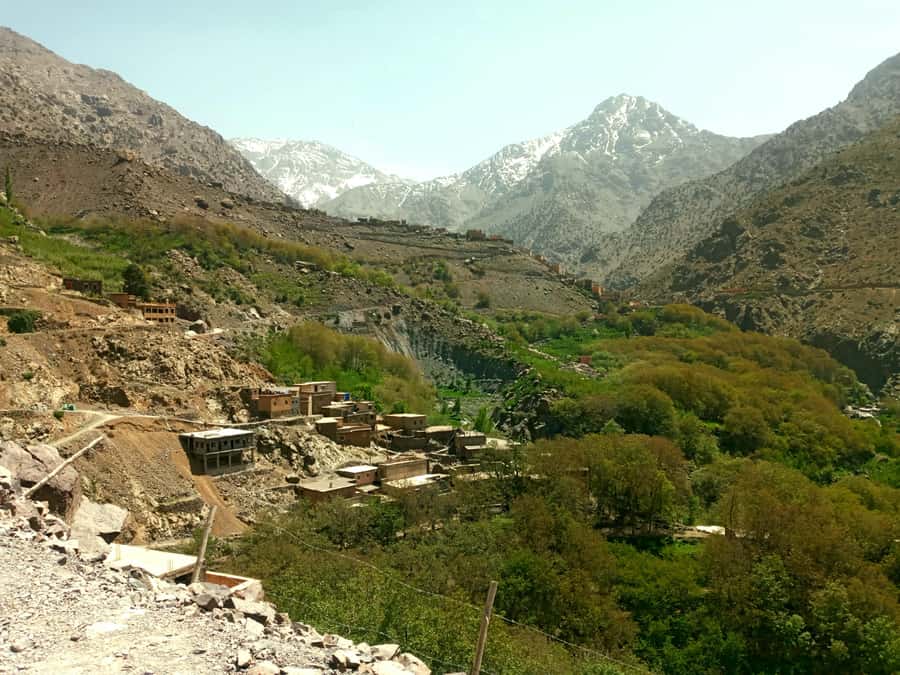
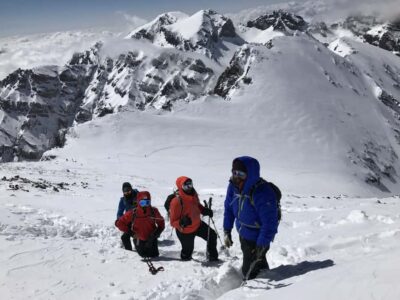
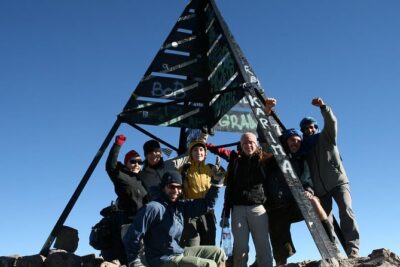
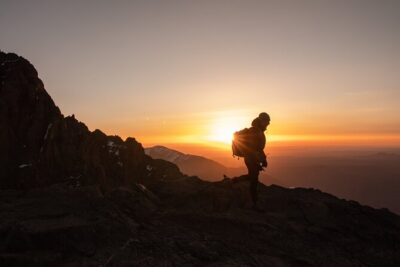
Day two starts early after breakfast. The goal is the summit of Jbel Toubkal, the highest point in North Africa, and the timing is designed to give you the best chance at clear views, often with sunrise conditions. In practice, you may start in the early pre-dawn window, and the climb can feel steep and cold before the mountain starts to warm up.
During the ascent, you cross streams and move through rock and steep sections. This is where good trekking shoes and careful foot placement matter more than speed. Even fit hikers can find this day demanding, because it is not just “uphill walking.” It is a long day that mixes steep sections, cold air, and altitude stress.
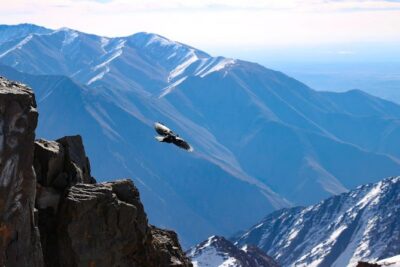
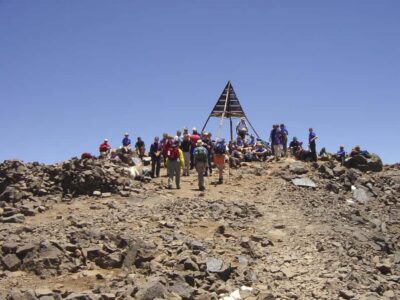
Once you reach the plateau area, you get a break to regroup, take in views, and catch your breath. This plateau moment is important because it sets the mental stage for the final push. From the summit area, the views are the payoff, including a wide sweep across the Atlas region. You can look toward the plain of Marrakech and the High Atlas north, and you also get sightlines toward the Anti-Atlas and the Sahara to the south.
Then comes the descent. The descent back to Imlil can feel harder than the climb for your knees and legs. The day is long overall, and the pace depends on conditions.
Weather reality check: on serious cold and wind days, the summit may be adjusted or canceled for safety. You do not need to assume this will happen, but you should know it can, because safety decisions are made close to the mountain conditions.
Price and value: what $122 covers, and where costs can pop up
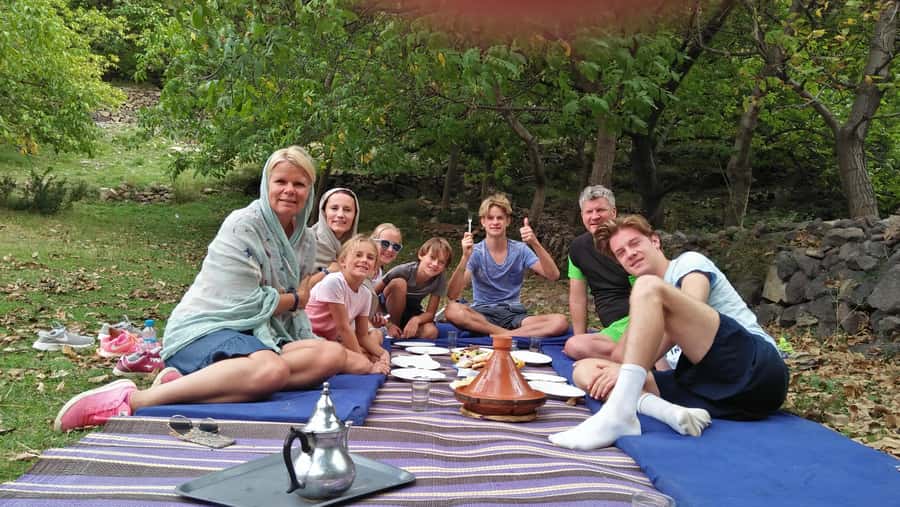
At $122 per person for a 2-day trip, the value comes from what is bundled. You get pickup and drop-off in Marrakech, transportation to and from Imlil, a local guide, one night at the refuge, and meals: 1 breakfast, 2 lunches, and 1 dinner. For many people, that alone makes the price feel fair, because the major costs of a guided overnight trek are typically guide time, food, and logistics.
You also get mule support for luggage in the April to November period. That can matter a lot for comfort, because a lighter pack means you can focus on moving safely instead of carrying extra weight.
Where you should expect extra spending is in the items not included: drinks and trekking gear. The sleeping bag can be rented, and other essentials may be available to rent as well, so you might avoid major gear shopping. But do not wait until the night before if you can avoid it. If you show up without proper layers and shoes, you will spend time and energy solving gear problems instead of enjoying the hike.
Also, think about tipping. The guides and the team doing the meals and logistics work hard, and many people factor in a tip in their mountain budget.
Guides and pacing: safety first, but still fun
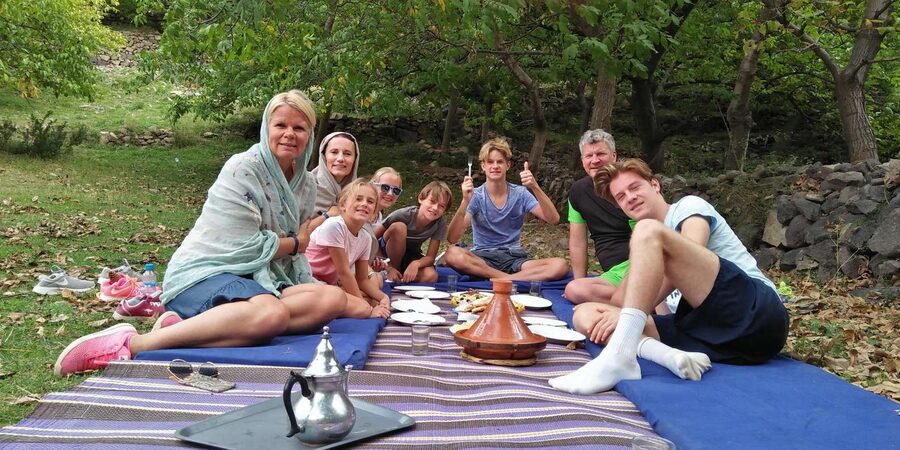
A big part of why people love this trek is the guiding style. You are not just handed a route map and sent off. Guides keep the group together, and they also manage pacing so it stays sustainable.
You’ll see this in the way guides handle mixed fitness. In real groups, someone may lag due to altitude, cold hands, or illness. Good teams respond by adjusting the pace, helping the struggling hiker, and keeping everyone safe while still trying to reach the day’s goals.
English, French, Spanish, and Arabic are offered as live guide languages, which helps if you are not fluent in French or Spanish. In addition, there can be an optional audio guide in multiple languages.
Guide names you may come across include Hamza, Ossama or Oussama, Ayoub, Mustafa, Hicham, Nouredin, and others. The common thread is that people describe them as friendly, attentive, and safety-minded, with humor showing up when the group needs energy.
If you want a trek where the mountain is the star but you still feel looked after, that’s the vibe here.
Who should book this trek, and who should skip it
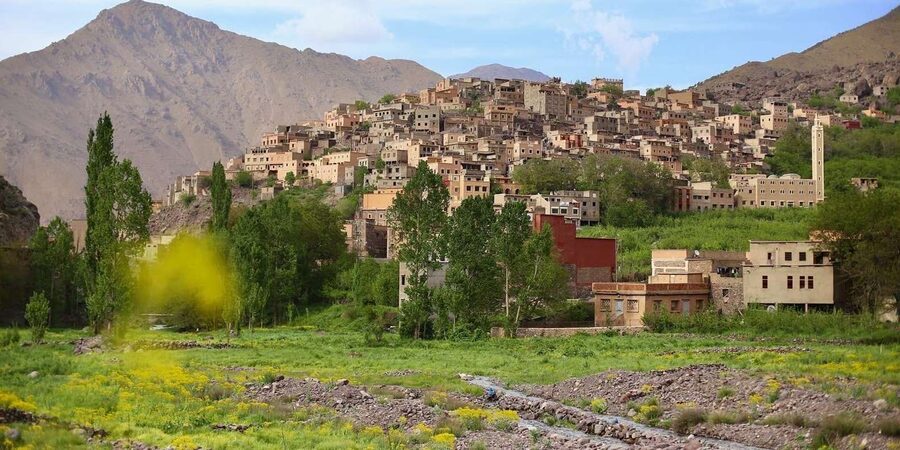
This is not a casual walk. It is a steep, multi-hour climb with real altitude change, and day two can reach 10 to 12 hours on foot.
It is also not for everyone age-wise. The trek is not suitable for children under 12 and not suitable for people over 70. That age rule is there for a reason: the physical demand and cold at elevation can be intense.
You will get the most out of it if you are reasonably fit and comfortable with long walking days. Some people mention that the hike feels harder than expected, especially if you are new to elevation or steep terrain. The descent can also feel tough, so having strong knees and ankles helps.
If you have panic attacks with exertion or you tend to struggle at altitude, you should be honest with yourself. A good guide can help you stay safe, but the safest choice is still to match the activity to your comfort level.
What to pack for cold, altitude, and long days
The tour gives a clear idea of what works on the mountain. Start with the basics: comfortable shoes and a hiking-ready mindset. You also want layers, because summit and early morning conditions can be cold.
Bring:
- Passport
- Hat and a head covering or kippah (if that matters for you)
- Change of clothes
- Jacket, gloves, and warm layers
- A daypack
- Camera and a charged smartphone
- Cash
- Travel insurance
- First aid kit
If you are missing trekking gear, plan to rent what you need, especially a sleeping bag which is available to rent. Many people also find they can rent other essentials like cold protection items and basic hiking gear. Still, your best plan is to bring your own if you already own it.
Practical note: bring enough warmth for hands. Cold hands can reduce your grip and make hiking less enjoyable fast.
Tips that make the trek feel smoother once you’re on the mountain
These are small things that can change your whole experience.
First, carry a small stash of cash for snacks and drinks you might want during the day, since drinks are not included. Many hikers also pick up small comforts like peppermint tea stops or snacks along the way when available.
Second, don’t overpack. Even with mule support in the April to November window, you will still carry your day essentials. If you keep your pack light and focused on comfort, your energy stays for the climb.
Third, protect your feet and your knees. Good shoes, careful pacing, and trekking steps can reduce the pounding. If your knees tend to complain on long descents, that is when you need to slow down and keep form.
Finally, be ready for the real mountain schedule. Early starts are not optional here, because the summit day depends on timing and conditions.
Should you book this Mt. Toubkal 2-day trek?
Book it if you want a guided overnight hike that feels like a real High Atlas experience, not a quick check-in. The package value is strong for what you get: transport from Marrakech, a local guide, one night at altitude, and meals are included. Add in the chance to hit the summit and you get a trip that can be the highlight of your Morocco time.
Skip it if you want comfort-level trekking, or if steep and long walking days will likely push you past your limits. Also think twice if you do not have the cold-weather basics, because summit day can be icy and windy.
If you do book, go in with a simple goal: move safely, keep warm, and pace yourself for the long second day. That mindset is what turns a hard trek into a memorable one.
FAQ
What is included in the Mt. Toubkal 2-day trek price?
The price includes hotel pickup and drop-off in Marrakech, transportation, a local guide, one night accommodation, and meals (1 breakfast, 2 lunches, and 1 dinner). A mule to carry luggage is included for April to November. Drinks and trekking gear are not included.
Do I need to bring trekking gear and a sleeping bag?
Trekking gear is not included, but a sleeping bag can be rented. You should plan to bring appropriate hiking shoes and warm layers, and you may want to rent any missing essentials if available.
How much hiking time should I expect?
Day one is about 5 to 6 hours of trekking, climbing from around 1,740 m to Toubkal Refuge at about 3,207 m. Day two is a long day with about 10 to 12 hours of trekking total, including the ascent and the descent back down to Imlil.
Is the summit guaranteed on day two?
The itinerary aims to reach the summit, but summiting can depend on mountain and safety conditions. In some situations, guides may decide it is not safe to continue.
What language will the guide speak?
The live tour guide is offered in English, French, Spanish, and Arabic. An optional audio guide is also available in those languages.
What are the age limits for this trek?
This experience is not suitable for children under 12 years and people over 70 years.
Just reviewed around Marrakech
- From Marrakech: Day trip to Ouzoud waterfalls and boat tour★ 5.0 · 73 reviews
- Private horseback ride in the Palmeraie of Marrakech★ 5.0 · 73 reviews
- Marrakech to Essaouira / Small group day tour To Essaouira★ 5.0 · 73 reviews
- 1 Day Guided Tour of World Heritage Kasbah Ait Ben Haddou from Marrakech★ 3.5 · 73 reviews
- Marrakech: Authentic Local Dinner with Transport★ 4.1 · 73 reviews
- Ourika Valley Day trip: Hike, waterfall, lunch and Relax★ 4.8 · 73 reviews
- Waterfalls, Three valleys, Atlas Montains, Camels & Desert★ 5.0 · 73 reviews
- Marrakech: Cycling Tour in Palm Groove with Local Breakfast★ 4.7 · 73 reviews
Toubkal Treks, compared.
Mt Toubkal Ascent Express Trek 2 Days 1 Nights
Read our review →
Browse the lists this tour appears in