
What makes Atlas Trekking Morocco interesting is the mix: imperial cities, blue mountain towns, and then the big, slow magic of the Sahara. You also get real Atlas time, not just a photo stop. In other words, this is Morocco with both history and room to stretch your legs.
I really like that it is a private tour with private transportation, so your days are less about waiting and more about moving when you want to. I also like that the team connects you to specific guides and support people, including Khalid as a common point person, plus trekking guides like Hamza and Ayoub, and cooks such as Ibrahim or Yassine when you are hiking in the Atlas.
One consideration: this route is fast-paced for a 15-day sweep. You will spend plenty of hours on the road, and you should have moderate physical fitness if you want the hiking moments to feel fun instead of exhausting.
Key highlights worth knowing before you go
- Chefchaouen and the Rife Mountains: blue streets plus a real mountain backdrop, not just a quick walk.
- Fez, Volubilis, and Meknes: imperial sights paired with a UNESCO-style ancient stop that breaks up the city days.
- Merzouga Sand Sea: a classic Sahara feel with gorges and valleys feeding into desert time.
- CLA studios in Ouarzazate: film-world Morocco, paired with fortress history later at Ait Ben Haddou.
- Essaouira and free time: you get breathing room on the Atlantic coast before heading to Marrakech.
- Atlas hiking options: from short, scenic climbs to longer treks run with the right local guides and cooks.
Entering The Morocco Mix: Casablanca to Rabat and Chefchaouen
Most “Morocco highlight” trips start with a famous place and then rush past the details. This one does the opposite at the beginning. You land in Casablanca, then start working north toward Rabat and Chefchaouen. The early days help you understand Morocco’s range fast, city energy first, then mountain calm.
Casablanca is your launch pad. Even if you do not spend long here, it matters because it sets the tone for logistics and timing. Then you move to Rabat, a steadier pace than the bigger tourist hubs. Rabat also makes sense as a bridge city between Morocco’s coastal modern life and its older inland traditions.
Then comes Chefchaouen, the mountain town famous for blue walls and tight lanes. What I like here is how it changes your senses. In the cities you see history through buildings. In Chefchaouen you feel it through light, steep streets, and the mountain air. You also get a second morning in the area, which helps. If you only see Chefchaouen once, you miss the quieter rhythm.
Possible drawback: this section is packed into a short window, so plan to pace yourself with water, snacks, and comfortable shoes right away. The town is beautiful, but the hills are real.
More Atlas mountain days:
- Marrakech: Atlas Mountains, Ourika Valley, Waterfall & Lunch
★ 4.8 · 15,834 reviews - Berber villages : Atlas Mountains Day Hike from Marrakech
★ 5.0 · 14,007 reviews - Marrakesh: Ourika Waterfalls, Atlas Mountains, Guide + Lunch
★ 4.9 · 9,986 reviews
Fez, Volubilis, and Meknes: Where the Trip Gets Its Backbone
Fez is one of Morocco’s heavyweight cities. It rewards patience, but this itinerary gives you the right amount of time to explore without feeling completely swallowed. After arriving, you spend a day sightseeing and exploring, then later you connect to Volubilis and Meknes.
Volubilis is a major contrast. It pulls you away from city noise and into an ancient setting. It is also a good “brain break” day. You get to walk, look slowly, and reset your eyes after Fez’s dense feel.
Meknes rounds out the imperial arc. It gives you a sense of how rulers shaped the urban plan and the monuments around it. If you like understanding Morocco as more than scenery, these stops give you the structure behind what you see later in Marrakech.
Tip for your mindset: on days like this, do not try to memorize everything. Instead, pick a couple of “anchors” you want to remember, like a gate, a plaza, or a craft street. Otherwise, the day can blur.
Middle Atlas to Midelt and the Road to Merzouga
After Meknes, the trip shifts gears into mountains and big road views. You travel through the Middle Atlas, reaching Midelt, then turning toward the Ziz Gorges and Merzouga. This is the part of the trip where the timing changes how you feel. You are not just traveling, you are watching the scenery change day by day.
The Middle Atlas segment matters because it is a transition zone. It is where Morocco stops feeling like a string of cities and starts feeling like a set of regions with different climates and cultures. Midelt acts as a practical waypoint, and then you get the drama of the Ziz Gorges.
Finally, you reach Merzouga and the Merzouga Sand Sea. This is the big headline for many people, and it earns it. The dunes have that slow, shifting texture that makes it hard to take a bad photo. But more important, the Sahara time changes the pace of conversation. You get time to sit, look, listen, and feel how far your daily life is from this place.
Possible drawback: long driving segments are real here. If you get motion sick, bring something you already know works. Also, for desert evenings, pack for temperature swings, not just daytime warmth.
Sahara Night Energy, Todgha Gorges, and Rose Valley Time
Once you are in the Merzouga area, your route moves from dunes into valleys. You head from Merzouga toward Todgha gorges and the Rose Valley, then onward to Ouarzazate.
Todgha Gorges are dramatic in a different way than dunes. Instead of open emptiness, you get tall stone walls and narrow passes. It is the kind of place where you understand why people built and traveled through valleys for centuries. It also gives your legs something different to do after desert sand and road travel.
Then there is the Rose Valley. Even if you do not catch peak rose season, the name tells you the region’s idea. It is agricultural life against a rugged backdrop. This stop is valuable because it shows how life exists here beyond tourism.
Finally you reach Ouarzazate, a city that acts like a hub for the surrounding wonders. And you get something many trips skip: time connected to CLA film studios. Morocco’s film identity is part of the country’s modern story, and the studios area gives context for how this landscape becomes a set.
Note on value: the itinerary uses Ouarzazate as both a logistics anchor and a cultural stop, so you are not just transferring to the next hotel.
More Hiking & Trekking in Casablanca:
- 7 Days Luxury Desert Tour From Casablanca to Marrakech via fez -Camel trekking
★ 5.0 · 146 reviews - 7-days: Casablanca to Chefchaouen then Fes and Sahara Desert – Camel Trekking
★ 5.0 · 53 reviews - 8-Day Morocco Adventure: Imperial Cities & Sahara Desert Trek
★ 5.0 · 37 reviews - From Marrakech: Ouzoud Waterfalls Guided Hike and Boat Trip
★ 4.7 · 33,630 reviews
Ait Ben Haddou and the Fortress Morocco Feeling
From Ouarzazate, you travel to Ait Ben Hadou, then toward Tazenakht, and on to Taroudante. Ait Ben Haddou is the star fortress stop on this route, a UNESCO World Heritage site. It is the kind of place where you can walk a little and instantly understand why it became famous on screen. Stone, shape, and the way the village sits in the valley all combine into one strong visual.
What makes this stop feel worth it is timing. The route places it as a major mid-trip moment, so you get that “wow” without stacking too many wow stops back to back. You also get the sense that fortress villages were built for both defense and daily living.
Next, Tazenakht and Taroudante add human scale back into the story. Taroudante often feels more local than the big-name cities, and it is a nice shift before you head to the coast.
Possible drawback: fortress villages can mean lots of stairs and uneven ground. Wear shoes you trust.
Taroudante to Agadir to Essaouira: The Atlantic Reset
After Taroudante, you head toward Agadir and then to Essaouira. Agadir is not the main prize here, but it breaks the driving day and makes the move to the coast less abrupt.
Then you get Essaouira, a port town with a different rhythm. This is one of those places where the air changes your mood. You can feel it even before you fully understand the streets. The itinerary also includes a full free day to explore Essaouira, which is smart. You are not forced into “see everything” mode. You can wander, find a café, browse craft stalls, or just sit and watch boats coming and going.
If you like authenticity, Essaouira helps. You are still seeing tourist life, but the coastal atmosphere feels more relaxed than the inland city crush.
Practical note: seaside wind can be strong. Bring a layer and avoid planning anything that requires heavy packing you will regret later.
Marrakech Sightseeing and Your Free Day to Set Your Own Pace
After Essaouira, you travel to Marrakech. You get Marrakech sightseeing and also a free day in Marrakech. That free day is what keeps this itinerary from feeling like a checklist.
Marrakech can hit you with sights, sounds, and crowds all at once. The best way to enjoy it is to pick what you truly care about that day. You might want classic markets, architecture, gardens, or just long walks across neighborhoods. With a scheduled day for sightseeing and a free day after, you can match your energy to the city instead of letting the city set your schedule.
Tip for the free day: choose one anchor area early, then wander outward like you are following curiosity. It helps you avoid the “everything looks the same” feeling that can happen in busy places.
The Atlas Hiking Piece, and Why the Right Guide Changes Everything
The title says Atlas Trekking, so you should expect at least some real hiking time or at minimum Atlas-adjacent terrain that feels connected to the mountains, not just viewpoints.
Here is what I think you should look for: the difference between a basic walking tour and a real local trek depends on the guide and the support behind the scenes. In practice, Atlas Trekking is often paired with guides like Hamza and Ayoub, who lead hikes in the Atlas Mountains with a focus on local culture and safe pacing. Meals can also be a big part of the experience, with cooks like Yassine or Ibrahim mentioned for strong food during mountain days.
One specific example that stood out in real experiences is an Atlas hike from the Azzaden valley up toward a waterfall. That kind of trek typically involves about three hours of ascent with strong views along the way, and you end with the payoff of the waterfall itself. It shows the style of hiking you can expect when the day is built around terrain, not just a quick walk.
What that means for you: if you have moderate fitness, you can aim for a day that feels active but still enjoyable. If you are not sure about your comfort level, ask ahead how strenuous the hike portions will be. You already have enough city walking in this route.
Possible drawback: desert evenings plus mountain hikes can mean long days. Make sure you actually rest, not just “power through.”
Private Transportation and How It Affects Real Travel Comfort
This tour includes private transportation, and that one line matters more than it seems. In Morocco, road time can be a big factor in whether a trip feels smooth or stressful. A private setup reduces the chaos of coordinating with strangers and helps you keep your days more consistent.
It also supports the kind of flexible pacing that makes stops feel more like experiences. With a private group, your guide can plan timing so you are not always arriving at the busiest hour. It does not guarantee perfection, because Morocco has its own tempo, but it helps a lot.
One more practical point: the price is listed as $2,087.52 per person. For a 15-day route covering Casablanca, multiple imperial stops, the Sahara region, Ouarzazate film country, Ait Ben Haddou, the Atlantic coast, and Marrakech, you are paying for a lot of distance plus private logistics. The value depends on what else you will cover yourself, because the only clear inclusion listed here is private transportation, and alcoholic beverages are not included.
Who This Tour Fits Best
This itinerary suits you if:
- You want a big highlights route without joining a group of strangers.
- You care about seeing both cities and nature, including the Sahara and Atlas terrain.
- You enjoy having at least some flexibility built in, especially with the free day in Essaouira and the free day in Marrakech.
It might not be for you if:
- You hate long drive days and want mostly short hops.
- You are looking for a slow travel pace with minimal daily movement.
- You need every meal and every drink fully covered, since only certain inclusions are listed.
Should You Book Atlas Trekking Morocco’s Best of Morocco Tour?
If you want the classic Morocco highlights plus Atlas hiking energy, I think this is a strong pick. The biggest selling points are the route logic, the private transportation comfort, and the way the experience is built around more than just ticking boxes, especially once you reach the Sahara and then connect to Atlas time.
Book it if you are comfortable with moderate activity and you can enjoy travel days as part of the story. Skip it if you are the type who gets grumpy after hours in a car and wants everything at walking distance.
FAQ
How long is the Atlas Trekking Morocco tour?
The duration is listed as approximately 15 days.
What cities and regions does the tour cover?
It includes Casablanca, Rabat, Chefchaouen, Fez, Volubilis, Meknes, the Middle Atlas, Midelt, Ziz Gorges, Merzouga Sand Sea, Todgha Gorges, Roses Valley, Ouarzazate, Ait Ben Haddou, Tazenakht, Taroudante, Agadir, Essaouira, and Marrakech.
Where does the tour start and end?
It starts in Casablanca, Morocco and ends back at the meeting point.
Is this tour private?
Yes. It is a private tour, and only your group will participate.
What is included in the price?
The included item listed is private transportation.
Are alcoholic beverages included?
No. Alcoholic beverages are not included.
Is a ticket provided, and what format is it?
The tour features a mobile ticket.
What fitness level do I need?
The guidance is that travelers should have moderate physical fitness level.
When will I receive confirmation after booking?
Confirmation will be received at the time of booking.
What is the cancellation policy?
Free cancellation is offered. You can cancel up to 24 hours in advance for a full refund.
What is the start time listed for the experience?
The start time is listed as 12:00 am.
Just reviewed around Casablanca
- 10 Days Tour From Casablanca, Morocco★ 5.0 · 28 reviews
- Casablanca to Tangier Day Trip By High-Speed Train and Camel Ride★ 4.5 · 30 reviews
- Half Day Private Casablanca City Tour★ 4.5 · 30 reviews
- 12 Days From Casablanca- Cultural Immersion Tour★ 5.0 · 31 reviews
- 15 Days Morocco Private Grand Tour From North To South Starting From Casablanca★ 5.0 · 31 reviews
- Private Day Trip to Rabat Departure from Casablanca★ 5.0 · 33 reviews
- Religious Casablanca: Private Spiritual Tour Including Hassan II Mosque Visit★ 5.0 · 33 reviews
- Private Casablanca Market Tour and Cooking Class with Chamsi★ 5.0 · 33 reviews
Atlas Mountains Day Trips, compared.
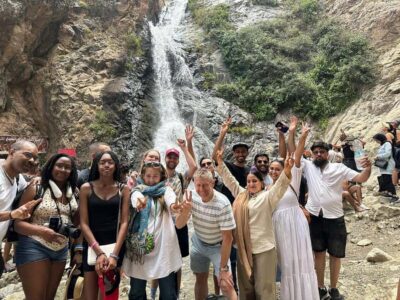
Atlas Mountains, Ourika Valley, Waterfall & Lunch
Read our review →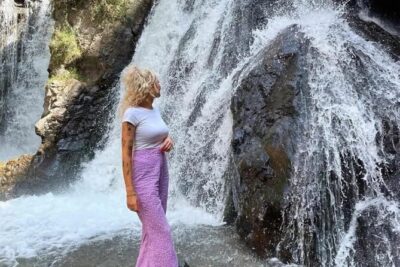
Berber villages : Atlas Mountains Day Hike from Marrakech
Read our review →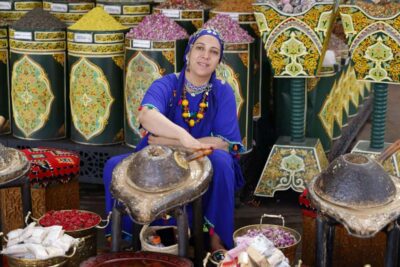
Ourika Waterfalls, Atlas Mountains, Guide + Lunch
Read our review →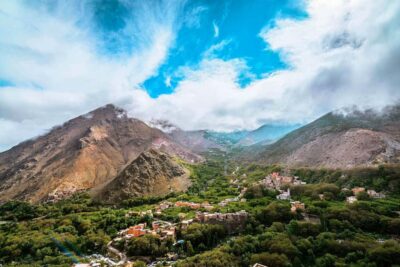
Atlas Mountains & Agafay Desert Tour w Camel Ride
Read our review →
Atlas Mountains, Waterfalls, Ourika Valley +Lunch
Read our review →
Atlas Mountains & 5 Valleys Tour from Marrakech – All inclusive –
Read our review →Browse the lists this tour appears in