
Reviewed · TOUBKAL TREKS
Climb Mount Toubkal: 3-Day Trek from Marrakech
This is the kind of trip that turns a mountain on the map into something you can feel in your lungs. The goal is Jebel Toubkal, the highest peak in Northern Africa, reached after a classic 3-day trek that starts in Imlil and ends at sunrise views. I love how this route gives you a clear, step-by-step build-up, and I love the way the local mountain team (guide, muleteers, cook) takes real weight off your shoulders. The one drawback to plan for is that the refuge night can be crowded and sleep can be tough, especially when conditions are cold.
You’ll spend your first day adjusting around Imlil, then hike through the Mizane Valley toward Aremd and the shrine of Sidi Chamarouch, before climbing higher into the Toubkal Massif. Many people find the final push hardest, particularly around higher altitude when the cold and steep grades hit at the same time. If you’re lucky enough to be guided by experienced leaders like Abdul or Abdulratif, you’ll likely get steady pacing and practical advice when it starts to feel real.
This is also a trip where the small details matter. You should be ready for early starts, rocks underfoot, and a refuge night that may mean tents depending on weather. On the plus side, meals are included, mule support handles your baggage, and guides also tailor pace for the group, as shown by how different guides like Abdul and Sabir are praised for keeping people safe and moving efficiently.
Key highlights worth your attention
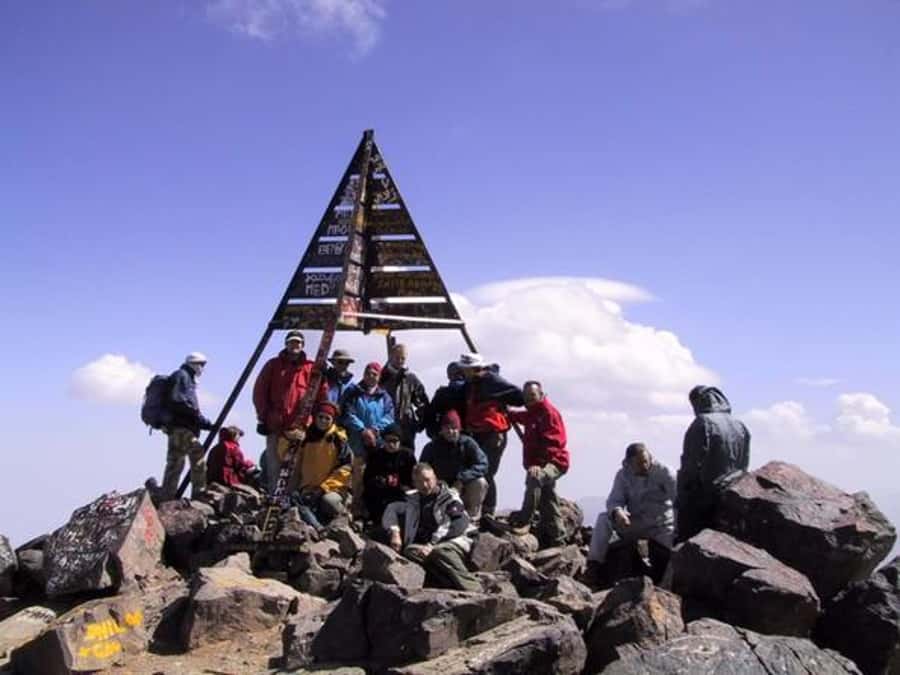
- Summit at sunrise on Jebel Toubkal, with wide views stretching from the Marrakech Plain toward High Atlas and far south toward Anti-Atlas and the Sahara
- Mule support that carries most of your gear, so you can focus on walking and conserving energy
- Aremd and Mizane Valley trekking with a steady rhythm that builds from warm-up hiking into harder grades
- Sidi Chamarouch shrine and nearby waterfall as a cultural pause and a scenic reset
- Toubkal Refuge overnight with included food and basic mountain lodging (or tents if weather requires it)
- Transfers included with a minibus or 4×4 between Marrakech and the High Atlas route
Marrakech to Imlil: where the trek really starts
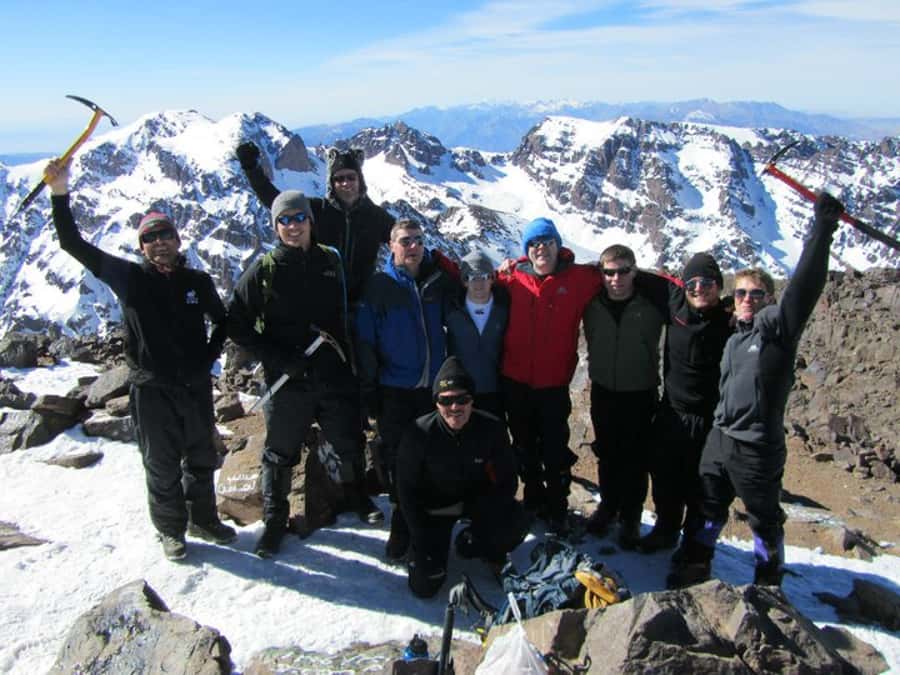
The trip kicks off with a transfer from Marrakech to Imlil that can take up to 4 hours. In practical terms, this matters because you’re not wasting your first afternoon on logistics. You arrive, settle in for the night, and wake up with the right frame of mind for the mountains.
Imlil is your adjustment zone. You’re in the High Atlas foothills, surrounded by the kind of terrain where the air feels sharper and the footing starts to change. Even if you’re not a big hiker, this day is meant to help your body stop thinking like a city body and start thinking like a mountain body.
One thing I like about this setup: your first day isn’t trying to prove fitness. It gives you time to rest and get comfortable with the routine, like hydration, simple walking rhythm, and how your legs feel when the ground slopes for hours. Guides often use this warm-up to set expectations too. In past climbs coordinated by hosts like Hassan, the approach has been described as well organized, with clear guidance and helpful advice before the summit attempt.
What you should watch for: your arrival day can feel deceptively easy. That’s normal. The real challenge arrives later, when you’re hiking longer, climbing higher, and starting the summit leg early in colder conditions.
More Toubkal treks:
- Mt Toubkal Ascent Express Trek 2 Days 1 Nights
★ 4.7 · 962 reviews - Marrakesh: 2-Day Mt. Toubkal Trek with 1-Night Stay & Meals
★ 4.7 · 795 reviews - From Marrakech: 3-Day Mount Toubkal Climbing Trek
★ 4.7 · 597 reviews
Day 2: Aremd, the Mizane Valley, and the climb toward the snowline
Day 2 is the backbone of the whole trek. You leave Imlil behind and head south toward the Toubkal Massif by minibus or 4×4. Then you join your mountain guide and start walking in the Mizane Valley area, with the trek taking about 4 to 5 hours.
This day is special for two reasons. First, you’re trekking through valleys and between villages rather than just slogging up a ridge from the start. That means your body gets a gradual transition. Second, you hit cultural landmarks along the way, including the shrine of Sidi Chamarouch, plus a cascading waterfall nearby. It’s a pause that keeps the day from becoming one long climb without context.
The route also goes through Aremd. For me, it’s one of those “you’re in it now” places, because it’s where the walking begins to feel like Moroccan mountain travel, not just a guided hike. You may see streams cutting the path area, and you’ll notice how quickly the terrain changes as you gain altitude.
Then comes the part you’ll feel in your legs: the gradual zigzag climb toward the snowline and up to Toubkal Refuge. This is where the rhythm matters. You’re not sprinting. You’re moving steadily, stopping when the guide says it’s time to breathe and reset, and keeping enough energy for the night and the summit morning.
A practical tip from the way experienced guides are praised: if you get advice on pacing or breathing, take it seriously. People who’ve been guided by Abdul or Abdulratif describe how breathing tips and encouragement made a real difference, especially as altitude climbs and the air feels less forgiving.
Possible drawback: this is often the day where people first realize that “4 to 5 hours” isn’t the same as “4 to 5 hours at home.” Between slopes, altitude, and rocky ground, your effort adds up.
Toubkal Refuge overnight: sleep, crowds, and weather reality
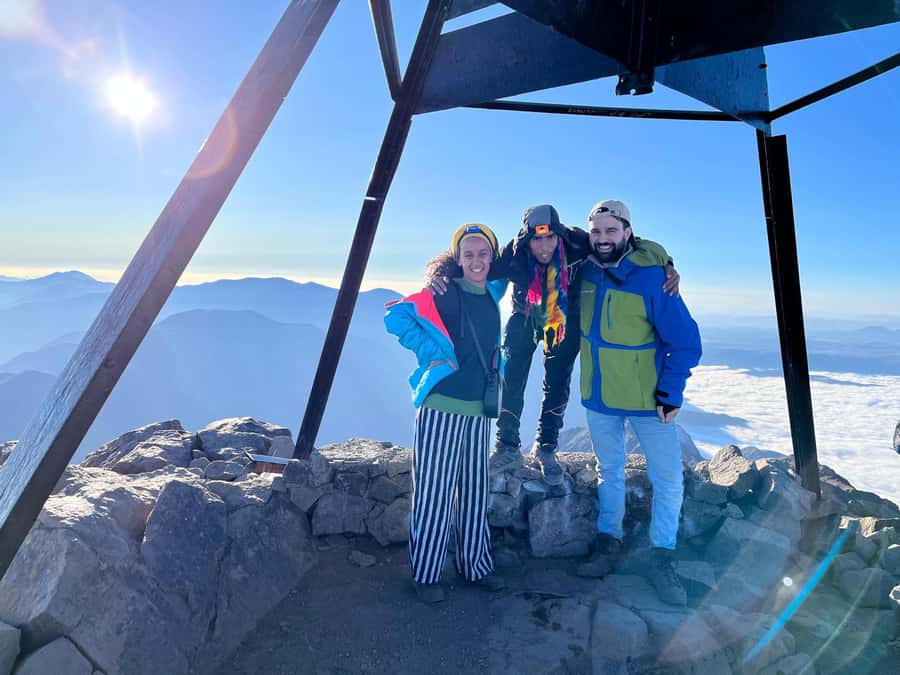
You reach the refuge late enough that the main goal becomes simple: eat, rest as best you can, and prepare for an early summit start. The tour includes 1 night at Toubkal Refuge (or tents depending on weather) and all meals, which is a big deal because it removes a lot of uncertainty.
Still, don’t expect a hotel experience. Many people report that refuge conditions can be crowded and that sleeping can be hard. It’s not the fault of the guides. It’s mountain math: limited space, shared areas, early schedules, and people all arriving to recharge for the same final push.
What I think you should take away from this is not to panic, but to plan. If you’re sensitive to cold, you’ll want to manage warmth carefully because nights can feel harsh before dawn. Also, remember that your summit morning starts early, so every hour of sleep you protect pays you back quickly.
One more thing: some hikers carry less than you’d expect at the refuge stage. Muleteers typically manage your baggage, so you focus on essentials like water and snacks. That makes your day 2 night setup easier and helps you keep the climb from feeling overloaded.
If you feel worried about equipment: note what’s not included. The tour lists crampons, ice axe, and sleeping bags as not included. That doesn’t mean you’ll definitely need all three, but it does mean you should have a plan for what you’ll use based on season and conditions.
Summit morning on Jebel Toubkal: early start, steep feel, and big views
Day 3 is the day most people remember. You begin early and continue your hike toward the summit of Jebel Toubkal, then descend back down toward Imlil and transfer to Marrakech.
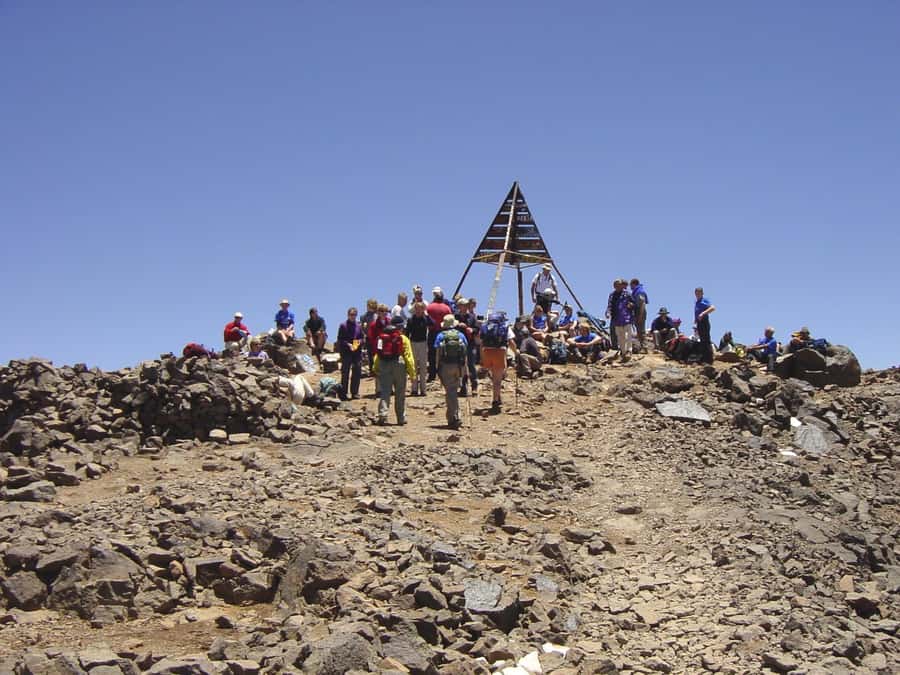
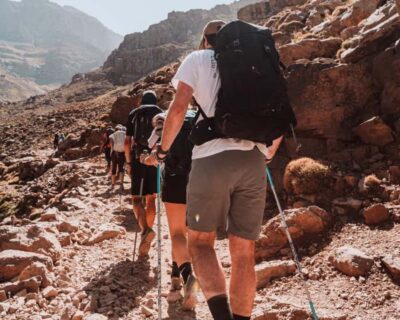
The summit ascent is described as cold and steep in many climbs, with starts sometimes around 4 a.m. You’ll cross river streams and walk across rough ground, including boulders and rocks. Then the route crests a ridge line, and you step onto a plateau where the views open up in a dramatic way.
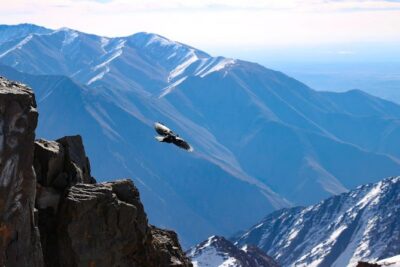
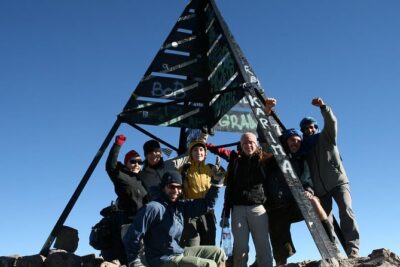
This is where the climb stops being just work and starts being geography. From the plateau and summit area, you can enjoy unrestricted views that stretch from the Marrakech Plain toward High Atlas in the north. The horizon can extend far south toward Anti-Atlas and the Sahara, depending on weather clarity.
And yes, you’ll need to be careful on the way down. The descent is where knees and balance matter most. “Gingerly” isn’t just poetic language. It’s how you survive a rocky slope when your legs are already tired.
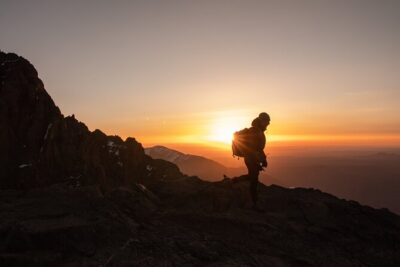
Why I think this trek is worth it: the sunrise moment at the top is not just a photo opportunity. It changes how the whole three days feels. After the cold start, the steep section, and the slower breathing near higher altitude, reaching the summit at sunrise makes the effort click into something meaningful.
How guides help on the hard parts: guides like Abdul are specifically praised for setting a perfect pace and guiding people through tough moments around roughly 4000 meters, with encouragement and breathing advice. Abdulratif is also praised for quick, practical tips when hikers struggled on the climb and especially coming down.
Possible drawback: even with a good guide, altitude can challenge you. If you’re not confident with hard, cold starts, be honest with yourself before booking.
More Hiking & Trekking in Marrakech:
- From Marrakech: Ouzoud Waterfalls Guided Hike and Boat Trip
★ 4.7 · 33,630 reviews - Berber villages : Atlas Mountains Day Hike from Marrakech
★ 5.0 · 14,007 reviews - 3 Days Desert Tour From Marrakech To Merzouga Dunes & Camel Trek
★ 5.0 · 10,125 reviews - From Marrakech: Atlas Mountains Full-Day Hiking Trip w Lunch
★ 4.8 · 7,417 reviews
Pace, pack, and gear: what matters when the ground turns rocky
Let’s talk about what you actually do during the trek, because that’s what determines comfort.
Pace
This is not a race. Guides are often described as adjusting pace for the group, which makes the summit attempt more realistic for mixed fitness levels. If you’re the type who tries to keep up at the start, you’ll likely burn energy early. The smarter play is to walk at a steady effort you can maintain, then let the guide’s rhythm carry you up.
What you carry
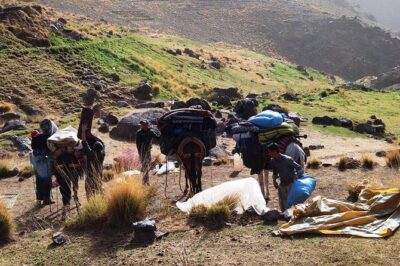
Muleteers and cooking staff are included, so your main job is walking. A common benefit people notice is that mules carry belongings to the refuge area, meaning you typically carry only essentials like water, sun protection, and some snacks.
Gear you should plan for (not included)
The tour does not include:
- crampons
- ice axe
- sleeping bags
So even if you bring a basic hiking kit, you should still have a plan for cold weather and whatever conditions your dates bring. The refuge night may be in the refuge or in tents depending on weather, so warmth matters.
Food and water
All meals are included. That’s a serious value because in mountain trekking, food is part of your safety system. You’ll want to eat what’s served and not skip meals because you think you can power through later. Also, soft drinks are not included, so plan on water and tea or whatever else is part of the included meal routine.
My practical advice: if you’re uncertain about what you need for your season, ask your operator what conditions are common around your travel dates. They might tell you what gear is realistic, and that helps you avoid paying for unnecessary items or arriving underprepared.
Price and value: does $294 make sense for a guided Toubkal climb?
At $294 per person for 3 days, the big question is whether you’re paying for logistics or for actual mountain capability. In this case, the package includes the heavy lifters of the trip:
- Local mountain guide, muleteers, and a cook
- Accommodation: 1 night in Toubkal Refuge (or tents if weather needs it) and 1 night in Imlil
- All meals
- Transport with a minibus or 4×4 for transfers to and from the High Atlas area
For a trek like this, those are the parts that usually cost money if you try to DIY. A guide isn’t optional if you want a smoother experience. The mule support matters if you want to keep your pack light. And having meals included is a real time saver during a short 3-day window.
Now, what’s not included:
- soft drinks
- gratuity
- personal travel insurance
- crampons, ice axe
- sleeping bags
So you might have extra spending depending on what gear you already own and whether you need warmth upgrades for sleeping. Also, plan for travel insurance because altitude hiking is still hiking with real risk.
Who gets the best value:
- People who want a guided summit attempt without building everything themselves
- Hikers who appreciate cultural stops like the shrine at Sidi Chamarouch
- Solo travelers who want safety and structure, especially when guides keep pace and group support tight
Who should consider alternatives:
- If you already have everything and you’re confident organizing a similar trek independently, you might find other options cheaper
- If you’re not ready for early starts and cold steep terrain, this may feel like too much challenge for a short trip
Who this trek fits best, and who should be cautious
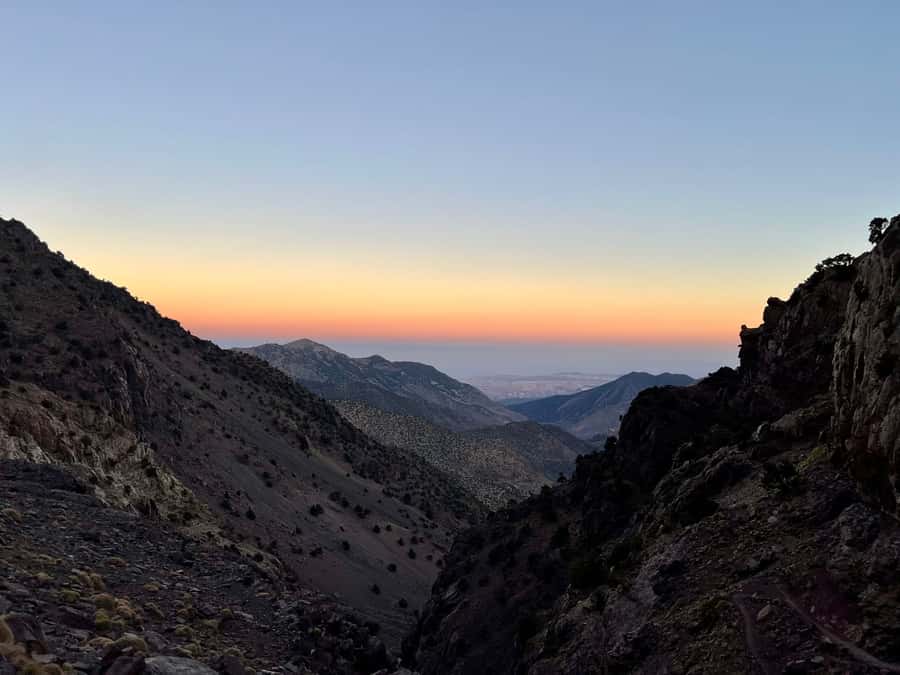
This is a great pick if you want a big goal with an organized, step-by-step approach. The summit is high impact. The route has cultural and scenic pauses. And the included mountain team removes a lot of stress.
You’ll likely enjoy it if you:
- can hike 4 to 5 hours on day 2 and handle a tougher summit morning
- feel comfortable with rocky footing and altitude effects
- like the idea of a classic guided mountain day rather than a casual walk
Be cautious if you:
- struggle with cold mornings, especially starting early
- expect refuge-style sleeping to feel comfortable
- are unwilling to invest in proper gear for your conditions, since sleeping bags and specialized equipment are not included
Should you book the 3-day Mount Toubkal climb from Marrakech?
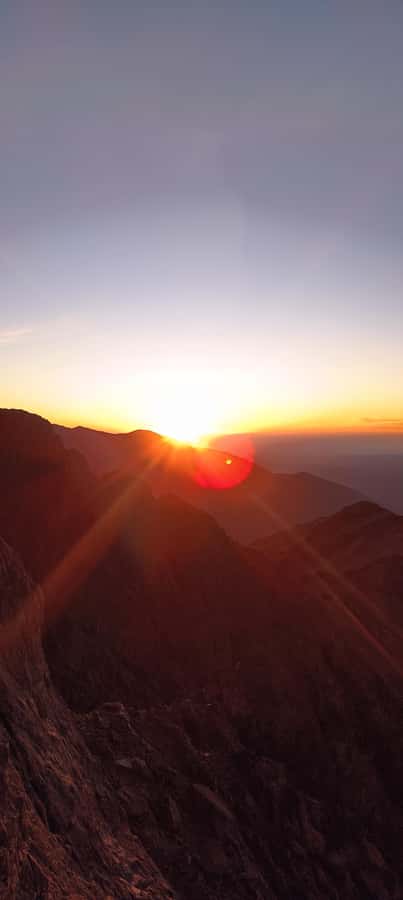
I’d book it if your heart is set on reaching Jebel Toubkal and you want the trek run by a mountain team that handles guides, mule support, and meals. The $294 price works best when you value structure and want the logistics taken care of, not when you want to control every detail.
Skip the “tough it out blindly” mindset. If you train a bit before you go, pack warmth carefully, and listen to your guide on pace, this trek becomes a rare mix of mountain effort and real reward at sunrise.
Just reviewed around Marrakech
- From Marrakech: Day trip to Ouzoud waterfalls and boat tour★ 5.0 · 73 reviews
- 1 Day Guided Tour of World Heritage Kasbah Ait Ben Haddou from Marrakech★ 3.5 · 73 reviews
- Private horseback ride in the Palmeraie of Marrakech★ 5.0 · 73 reviews
- Marrakech to Essaouira / Small group day tour To Essaouira★ 5.0 · 73 reviews
- Marrakech: Authentic Local Dinner with Transport★ 4.1 · 73 reviews
- Ourika Valley Day trip: Hike, waterfall, lunch and Relax★ 4.8 · 73 reviews
- Waterfalls, Three valleys, Atlas Montains, Camels & Desert★ 5.0 · 73 reviews
- Marrakech: Cycling Tour in Palm Groove with Local Breakfast★ 4.7 · 73 reviews
Toubkal Treks, compared.
Mt Toubkal Ascent Express Trek 2 Days 1 Nights
Read our review →
2-Day Mt. Toubkal Trek with 1-Night Stay & Meals
Read our review →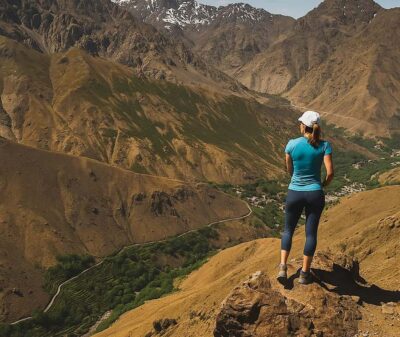
Browse the lists this tour appears in