
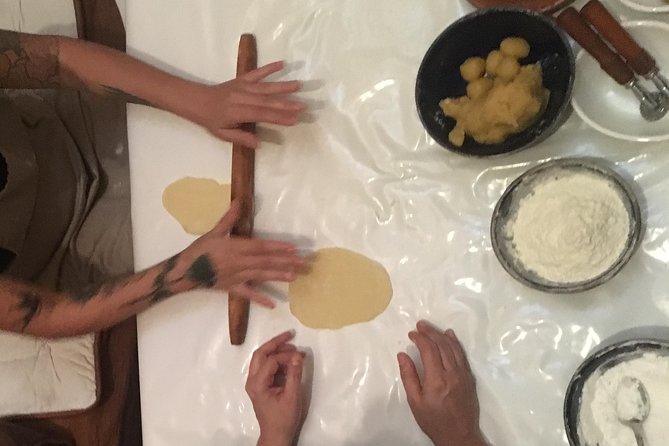
Reviewed · DESSERT TOURS
Moroccan Hands on traditional pastries & Tea class in Marrakech
This experience is interesting because you get Moroccan sweets made the way people actually do at home, in the Marrakech medina. I love that it is run by a home cook and her family, so the class feels practical, not scripted. I also love that you leave with real skills, not just a plate of food, including mint tea plus pastries you can reproduce.
The main drawback to consider is timing. One sour moment in the mix came from someone who missed the start time after a time mix-up, and it turned into a refund or reschedule situation rather than a smooth lesson.
Still, if you show up on time and come with an open mind, a 3 hour pastry session in a private home is a great way to taste Marrakech beyond the obvious tourist stops.
Key Things You’ll Do (and Why They Matter)
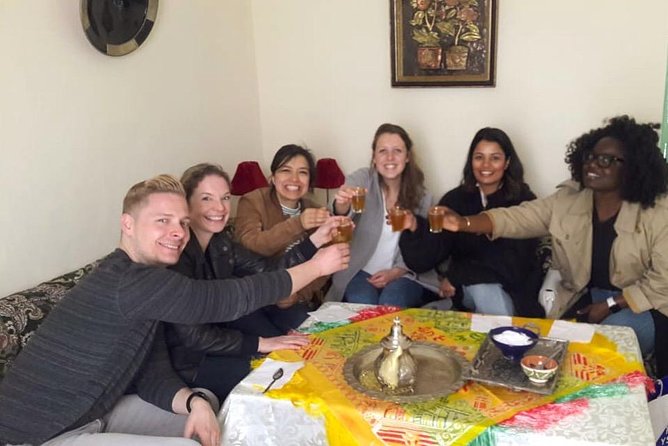
- Cook and snack in a private home: You learn the ritual from the people who use it daily.
- Make mint tea: You get a Moroccan technique you can actually repeat at home.
- Bake classic pastries: You’ll work with types like cornes de gazelle and ghriba.
- Taste what you bake, right away: Warm pastries straight from the oven make the lesson stick.
- Keep the recipes: You get a take-home recipe, plus a box of pastries to go.
- Small group size: With a max of 10, you should get more back and forth than in big classes.
Moroccan Hands on Pastries and Tea, in the Marrakech Medina
If you want a Marrakech food experience that feels like it belongs to the city, this is the kind of class that delivers. The core idea is simple: Moroccan sweet pastries are part of daily life, and the best way to learn is from someone who has made them for years, not from a professional kitchen where everything is too efficient and too polished.
You meet your host and family in a private home in the medina. From the start, the experience is built around the Moroccan tea or coffee ritual. That matters, because it sets the pace for the lesson. You are not rushing to the dough and hoping you catch up. You start by slowing down, drinking something properly, and then learning the steps that make pastries turn out tender, crisp, and fragrant.
The class focuses on teaching you techniques using ingredients and tools you can find at home. That is an underrated benefit. Some cooking classes teach complicated shortcuts that only work in their kitchen. Here, the goal is that you can try again when you are back in your own stove life.
Set these Marrakech options side by side
- Marrakech: Moroccan Pastries and Tea Class with a Local
★ 4.7 · 84 reviews - Tangier: Sunset, Tea, Sweets, Camel Ride, and Hercules Caves
★ 4.9 · 575 reviews - boat trip from 9 am to 3 pm fishing & swimming & barbecue & dessert
★ 4.0 · 36 reviews
Entering a Private Home Kitchen, and Sharing the Tea Ritual
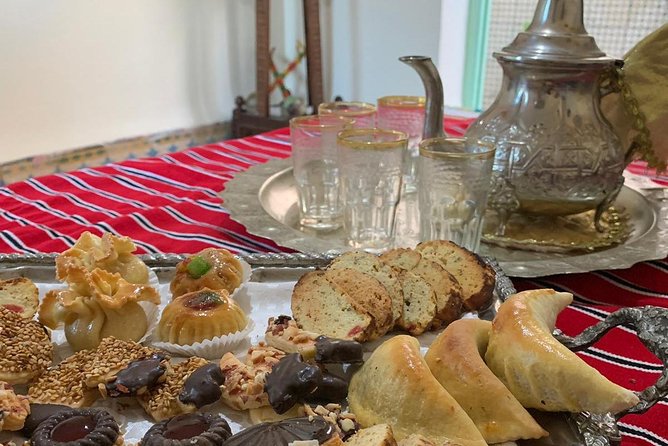
Most Marrakech cooking classes sell an opportunity to taste food. This one sells something better, the everyday ritual behind the sweets.
You begin by meeting your host and her family. You share Moroccan tea or coffee early, and you sample pastries as part of the tasting experience. Then the lesson turns practical, with the cooking steps and the small decisions that separate a good result from a great one.
The Moroccan tea component is not just a drink you sip while waiting. You learn how to make Moroccan mint tea in the context of serving sweets. That is important because the taste of the tea and the sweetness of the pastries are meant to balance each other.
One detail I like in how this is described is that you get to talk and get advice at the end. After you bake and taste what you make, you can chat about your trip to Morocco and ask for recommendations. That turns the class into a mini local moment, not only a workshop.
What You Learn: Corne de Gazelle, Ghriba, and More
Moroccan pastry has a personality. It is not one cookie, it is a whole set of styles and textures that come from technique, shaping, filling, and precise handling.
This class teaches several types of Moroccan pastries. The names you can expect to work with include cornes de gazelle and ghriba, plus other traditional pastries depending on the session. These are classic Moroccan cookies and filled pastries that show up around tea time.
Here is why that matters. If you only make one pastry type, you mostly learn one method. If you learn two or more, you start to see how Moroccan pastry makers think. For example:
- Some pastries rely on careful shaping and sealing so the filling stays put.
- Others focus on texture, like achieving the right crumb in a cookie style such as ghriba.
- Many depend on the same basic principles, but the final texture tells you whether you handled the dough correctly.
You also learn the tricks and small techniques that make Moroccan pâtisserie feel distinct. The instruction is designed for home cooks, meaning you do not need industrial equipment or specialized tools to get something close to the real result.
How the 3 Hours Actually Flow in Real Life
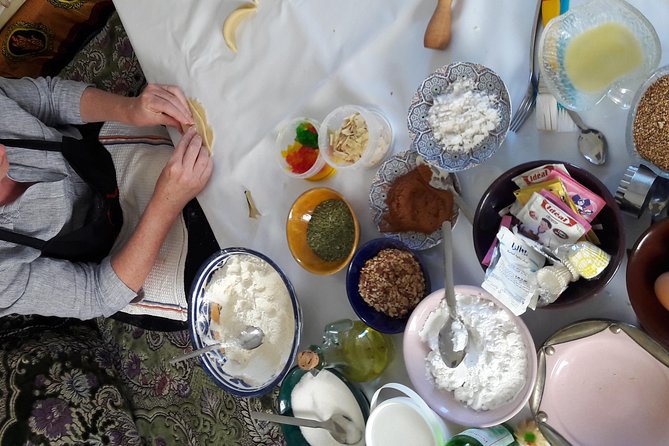
The session runs about 3 hours, and it is built to end with both tasting and take-home food. A simple way to think of it is this: you start with tea and familiar flavors, you move through dough and shaping, then you finish with baking results and a sit-down tasting.
A typical flow looks like:
- Meeting, greetings, and tea or coffee
You get settled with the tea ritual and sample what is on offer.
- Hands-on pastry prep
You work through dough steps and shaping. The experience is described as hands-on, with you learning the techniques rather than only watching.
- Learning mint tea
You get guidance on making Moroccan mint tea in a way you can repeat later.
- Baking and tasting right after
You taste pastries fresh from the oven. This is where flavors and textures lock in.
- Q&A and take-home box
You finish with a box of pastries to take with you, plus a recipe.
One practical point from how the class is described: some sessions may focus on about two main pastry types rather than an enormous menu. That is not automatically bad. Two done well teaches you the key skills, and it is often more satisfying than leaving with five half-finished items.
If the Marrakech plan still has a gap:
- Marrakech: Agafay Desert Sunset, Camel Ride, and Dinner Show
★ 4.6 · 35,119 reviews - From Marrakech: Ouzoud Waterfalls Guided Hike and Boat Trip
★ 4.7 · 33,630 reviews - Marrakech: Agafay Desert Quad & Camel Rides with Dinner Show
★ 4.8 · 27,382 reviews - Marrakech: Agafay Desert Quad Biking Tour with Dinner-Show
★ 4.8 · 16,569 reviews
The Take-Home Box and the Recipe, the Real Value Add
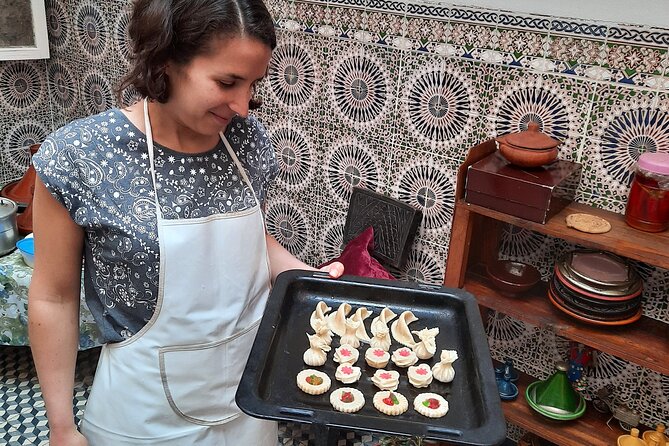
You pay for a lesson, but you also want edible proof that it worked. This experience includes pastries for you to taste and a box of pastry to take home, plus recipe(s).
That combination is valuable for two reasons:
- You get to bring Marrakech flavors back to your hotel room, apartment, or home. In practice, that means you do not have to rely on your memory for the taste.
- The recipe gives you a path to repeat what you learned. Without a recipe, cooking classes often become a story you remember, not a skill you use.
Even better, the class is described as using ingredients and techniques you can find at home with no industrial equipment. Recipes plus repeatable methods is the easiest way to translate a trip experience into an everyday hobby.
Price and What You Really Get for $40.65
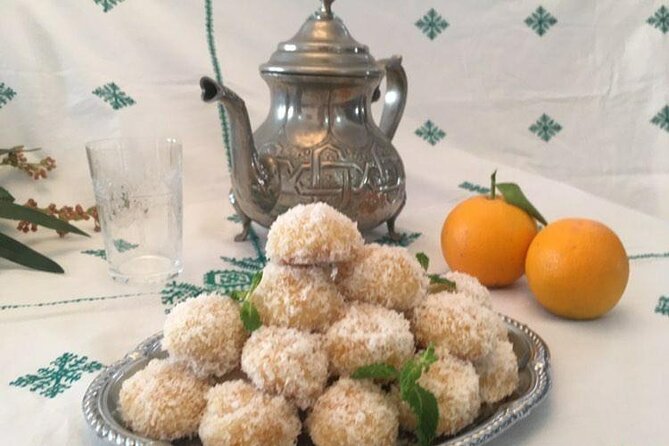
At $40.65 per person for about 3 hours, this kind of class can be a strong value if you care about learning and not only eating. The price is not just for ingredients. You are paying for:
- A home kitchen experience in the medina
- A guided tea ritual experience, including mint tea
- Hands-on pastry instruction with classic Moroccan styles like cornes de gazelle and ghriba
- Sampling and warm tastings after baking
- A take-home box of pastries
- A recipe package
- A small group size, capped at 10
If you compare this to a meal plus a pastry workshop elsewhere, the value improves when you actually bake and take food home. You get both the learning and the edible souvenir.
One thing to keep realistic expectations: you are not attending an all-day bakery apprenticeship. It is a short class, so you will learn key skills for a pastry or two rather than mastering every Moroccan cookie on the planet. But if your goal is to understand how Moroccan pastry works, this is a solid trade.
Small Group Comfort, and Why It Changes the Lesson
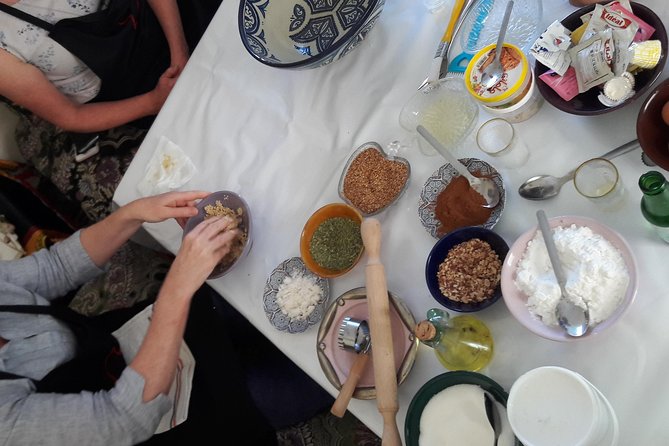
With a maximum of 10 travelers, this class has the feel of a group that can actually talk. In a larger class, you can feel like a pair of hands in the background. Here, the small size helps the host and guide adjust to your pace.
Language can matter too. In one session, the guide named Spike was noted for excellent English. Even if your class guide differs, the small group format usually makes it easier for you to ask questions, clarify technique, and get feedback.
This is also where the tea ritual helps. Everyone relaxes at the start, which makes hands-on instruction less stressful. You are less likely to leave feeling like you missed steps.
Meeting Point Details and Timing That Actually Matter
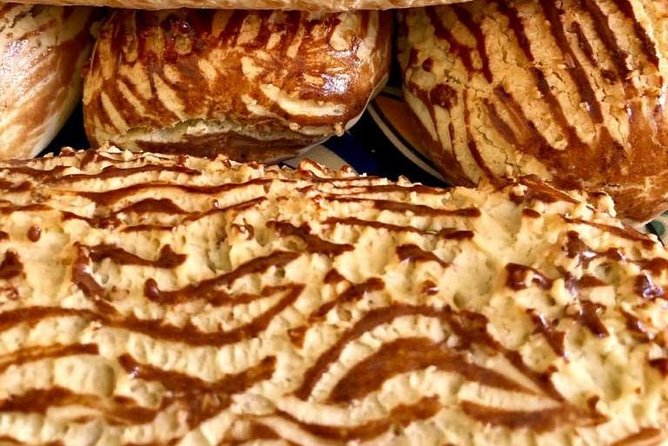
You meet at Rue Bab Doukkala, Marrakesh 40000, Morocco. The activity ends back at the meeting point.
This is a walking and orientation situation. The class is in a private home, near public transportation. So you will want to give yourself enough time to arrive early, find the spot, and settle in before the session starts.
About timing: there is a real caution here. One participant had a time misunderstanding and arrived late, which meant they missed the experience. The operator response described an offer to join a different date or receive a refund, but the takeaway for you is clear. Be punctual, double-check your time slot, and show up early enough to handle medina navigation.
Also note that there is no hotel pick-up. Plan to get yourself to Rue Bab Doukkala.
The experience requires good weather. The class can be canceled due to poor weather, and in that case you should expect an alternate date or a full refund.
Who This Class Is Best For (and Who Might Be Happier Elsewhere)
This cooking class is a great match if you want:
- A hands-on Moroccan food experience
- To learn mint tea properly, not just drink it
- Classic Moroccan pastries you can recreate at home
- A home-based setting in the medina
- A small group atmosphere
You might want to consider a different option if you are expecting a long, multi-pastry marathon with tons of recipes and zero repeat of techniques. The class is described as teaching a few pastries, and some people may feel it is lighter on variety than they expected.
It is also worth noting that the class can feel like a home workshop. That can be wonderful for adults who enjoy learning by doing, but if you want a highly structured classroom vibe or a strict itinerary with every single pastry type listed, this may not match your style.
Should You Book It?
I think this is one of the better Marrakech options if your goal is to leave with skills and a real edible souvenir. The strongest reasons to book are the home kitchen setting, the focus on Moroccan tea and mint tea instruction, and the fact that you get to taste fresh pastries you helped make plus a take-home box and recipe.
If you go, do two things to set yourself up for success:
- Arrive early at Rue Bab Doukkala and confirm your time slot before you head out.
- Tell the host what you want to learn. Since you will taste and finish by chatting, it is a good moment to ask what to practice first at home, especially if you want the best repeat results.
FAQ
How long is the Moroccan pastries and tea class?
The class is approximately 3 hours.
Where does the class start?
The meeting point is Rue Bab Doukkala, Marrakesh 40000, Morocco.
Is hotel pick-up included?
No, hotel pick-up is not included.
What is included in the price?
Coffee and/or tea are included, along with pastries and Moroccan pastries tasting, plus a recipe.
Do you learn mint tea during the class?
Yes, you will learn how to make Moroccan mint tea.
What pastries will I learn to make?
You can expect to learn traditional Moroccan pastries such as corne de gazelle and ghriba, plus other varieties depending on the session.
How big is the group?
The experience has a maximum of 10 travelers.
What is the cancellation policy if plans change?
You can cancel for a full refund up to 24 hours before the experience starts. Confirmation is subject to availability, and the experience requires good weather, with an offer of a different date or a full refund if canceled due to poor weather.
Just reviewed around Marrakech
- Agafay Adventure: Quad & Camel, Dinner Show, Desert with Sunset★ 5.0 · 27 reviews
- Diner show in Agafay Désert & Camels Ride★ 5.0 · 27 reviews
- Toubkal Ascent Trek 4167m 2 days & 1 night★ 5.0 · 28 reviews
- Private 4-Day Desert Tour from Marrakech to Zagora & Merzouga★ 5.0 · 28 reviews
- Marrakech Private Shopping in Berbers souks – Old market★ 5.0 · 28 reviews
- Marrakech: Agafay Desert Inara Camp Pool Day Pass w/ Dinner★ 4.5 · 28 reviews
- Magical dinner show and camel ride & Quad Bike in Agafay desert★ 5.0 · 28 reviews
- Ourika Valley and Berber Village Tour★ 5.0 · 28 reviews
Dessert Tours, compared.
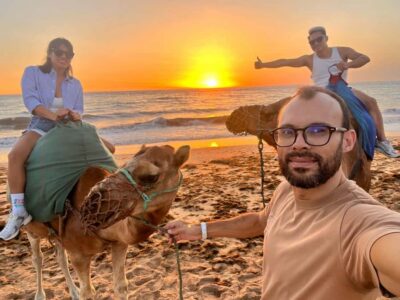
Sunset, Tea, Sweets, Camel Ride, and Hercules Caves
Read our review →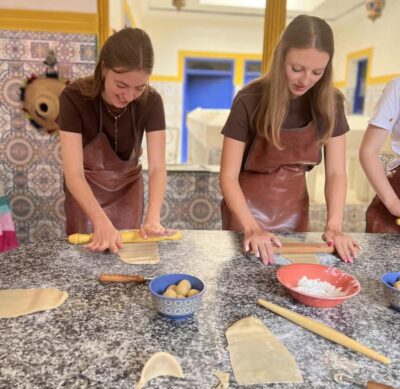
boat trip from 9 am to 3 pm fishing & swimming & barbecue & dessert
Read our review →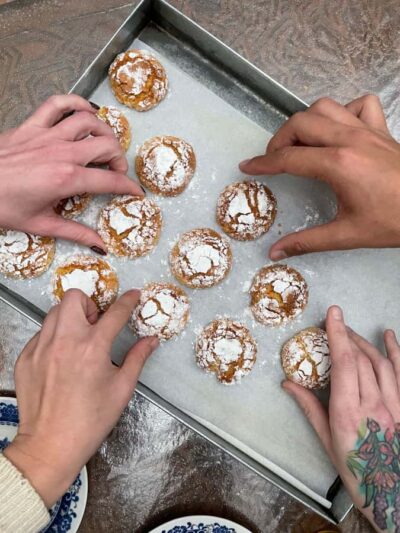
Browse the lists this tour appears in