
Reviewed · TOUBKAL TREKS
Toubkal trek – 2 days
Mount Toubkal turns a Morocco trip into real altitude hiking, with a night up in the Atlas and a summit run that aims for sunrise. I love the small-group setup, capped at 15 people, so the pace feels human instead of rushed. I also love the round-trip hotel transfers that get you to Imlil quickly, with less guesswork on your side.
Day one is a steady climb into high terrain, then day two hits the big work: scree slopes plus altitude. People consistently highlight guides and cooks by name, including Mohamed Tsiou and chef Mohamed Abayen, and that matters when you are tired and hungry. One thing to think about first, though: if you are trekking in winter, key equipment like crampons or an ice axe rental is not included, so factor that cost and packing time in.
Key Things That Make This Trek Work Well
- You start at 8:00 am in Marrakech, with a direct drive to Imlil so hiking begins fast
- You get a full high-Atlas route, from Aremd and the Sidi Chamarouch shrines up toward the refuge
- You sleep in tents near the refuge area around 3206m, which is part of the acclimatization plan
- Summit day is timed for great light, with guides aiming to get you to the top around sunrise
- Meals are handled for you, including dinner and breakfast plus two lunches, not just snacks
- Your group stays small (max 15), which helps with pacing, safety, and morale
Toubkal in Two Days: What You Are Actually Signing Up For
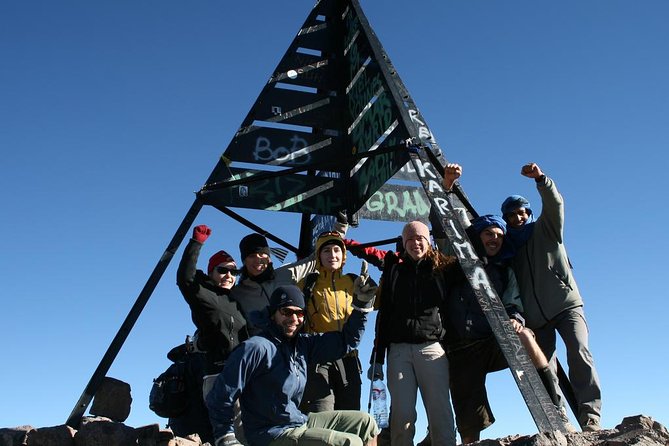
This is not a casual walk. In two days you will go from Marrakech area roads to the high Atlas, then push up to North Africa’s highest peak, Jebel Toukbal. You are doing a classic mountain rhythm: warm start, longer climb, night near altitude, then an early summit push and a descent back to easier ground.
The appeal is simple. You get real effort and big payoffs without needing to plan logistics for mules, cooks, camping, and timing. You also get a guide who can keep the group moving steadily when the terrain changes from valley footpaths to rocky climbs and scree.
The main consideration is effort. Day one is about 5 to 6 hours walking, and day two is roughly 10 hours. If you know you get out of breath easily on hills, or if you dislike cold nights outside, this is the moment to be honest with yourself.
More Toubkal treks:
- Mt Toubkal Ascent Express Trek 2 Days 1 Nights
★ 4.7 · 962 reviews - Marrakesh: 2-Day Mt. Toubkal Trek with 1-Night Stay & Meals
★ 4.7 · 795 reviews - From Marrakech: 3-Day Mount Toubkal Climbing Trek
★ 4.7 · 597 reviews
Marrakech Pickup to Imlil: The Convenience That Helps You Hike
Your day starts with hotel pickup at 8:00 am in Marrakech. Then you ride for about 1.5 hours to Imlil, the small village that acts like the launchpad for Toubkal. That drive matters because it reduces the “how do we get there” stress that can drain you before the first step even hits the trail.
Once you arrive, you transition quickly into walking along the Mizane Valley. The day one route does not ease you in with a long flat section. Instead, you start moving through a mix of village areas, shrines, river crossings, and ascending trails that snake upward.
If you like structure, this is a good fit. You do not need to negotiate vehicles, coordinate a meeting point in the mountains, or figure out how camping fits into the schedule. And because transfers are included, you avoid that common hidden cost.
Day One Up the Mizane Valley, Past Shrines, Toward the Snowline
Day one is about building altitude gradually while still keeping momentum. After pickup and the drive to Imlil, your trek follows the Mizane Valley and passes the village of Aremd. You also reach the shrine of Sidi Chamarouch, a stop that feels both scenic and culturally important.
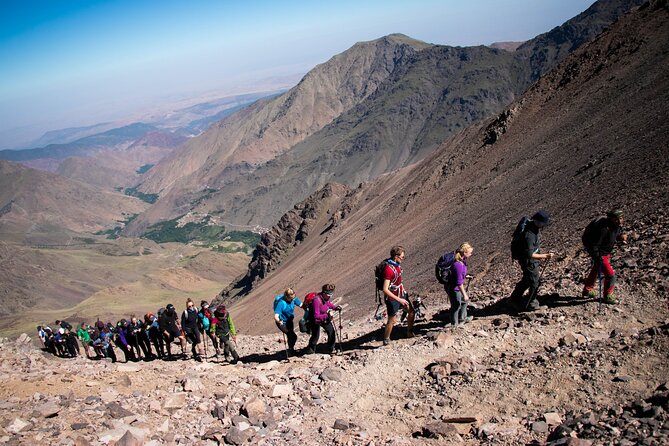
From there, the trail continues east. You cross flood plains, then move onto mule tracks and climb through high rocky cliffs above the valley. Expect the walk to vary, not just one long grind. There is a rhythm to it: sections that feel steady, then bits that feel more technical because the footing changes and the slope becomes sharper.
At some point you cross a river, and you come to a more pastoral setting at the shrine area, which attracts both tourists and pilgrims. From that point, the trail climbs steadily, zigzagging and snaking up toward the snowline and the refuge area at about 3206m.
Camping is the next stage. You will spend the night in a tent camp near the refuge, so you sleep at altitude and give your body time to adjust a bit before summit day.
What to like on day one
You get a lot of “terrain variety” for the hours you walk. That usually means the mind stays engaged. Also, the shrine stops give your legs a brief mental break.
More Hiking & Trekking in Marrakech:
- From Marrakech: Ouzoud Waterfalls Guided Hike and Boat Trip
★ 4.7 · 33,630 reviews - Berber villages : Atlas Mountains Day Hike from Marrakech
★ 5.0 · 14,007 reviews - 3 Days Desert Tour From Marrakech To Merzouga Dunes & Camel Trek
★ 5.0 · 10,125 reviews - From Marrakech: Atlas Mountains Full-Day Hiking Trip w Lunch
★ 4.8 · 7,417 reviews
What to watch out for
You are already climbing when most people are still thinking about breakfast. If you start too fast, day two will punish you. The trick is to follow your guide’s pace, not your adrenaline.
Summit Day on Jebel Toukbal: Sunrise Views, Scree Slopes, and Altitude
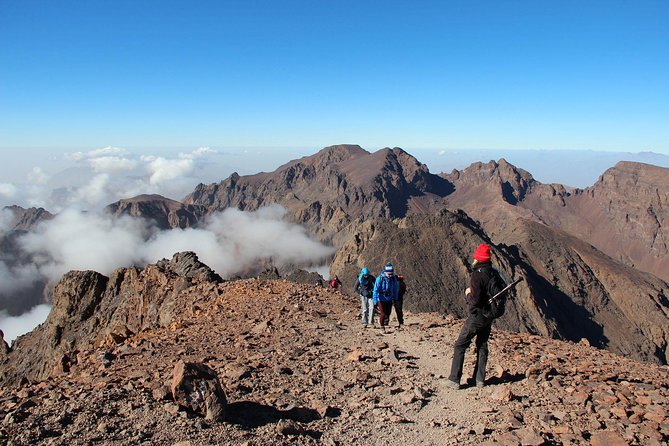
Day two starts early. This is your summit attempt for Jebel Toukbal, the highest peak in Northern Africa. Your route climbs via the south cirque, including a crossing of a stream above the refuge.
The good news is that the walking is described as relatively straightforward. The difficult part is what comes with that altitude and terrain. Even without heavy technical climbing, scree can make every step a little unstable. It is easy to burn energy quickly when your footing is constantly shifting.
Your guide’s job becomes crucial here: keep you moving, manage breaks, and help the group stay together. Many people highlight how supportive guides are on summit day, naming leaders like Hamid, Ibrahim, Ismail, Hamza, and Sayid in particular. While you cannot count on the same person you see named online, the consistent theme is the same: someone with local experience helps you stay on track.
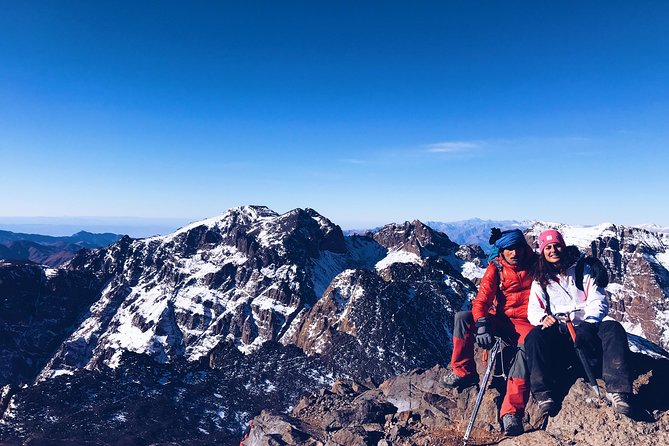
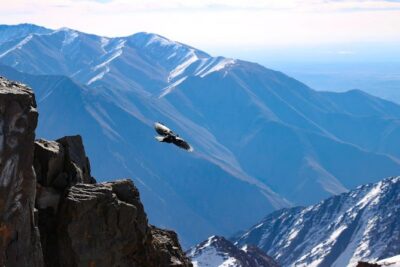
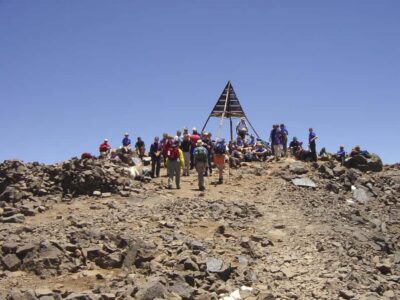
When you reach the summit, the views are the big payoff. From there you get broad visibility in all directions, including the Marrakesh Plain, the High Atlas to the north, and as far south as the Anti-Atlas and the Sahara. That is a lot of geography for a trek that fits into two days.
From the top, you retrace your route downward. The main win is that you do the hardest work earlier, with more time to recover before you return to civilization.
A practical note on timing
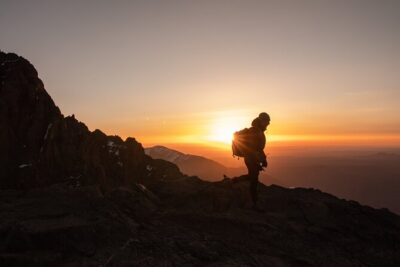
One of the standout bits people mention is reaching the summit around sunrise, which can make the whole day feel like a payoff instead of a slog. Even if sunrise timing varies by season and conditions, starting early is still the best way to handle heat and light.
Camping, Mule Help, and Meals: The Comfort You Don’t Notice Until You Need It
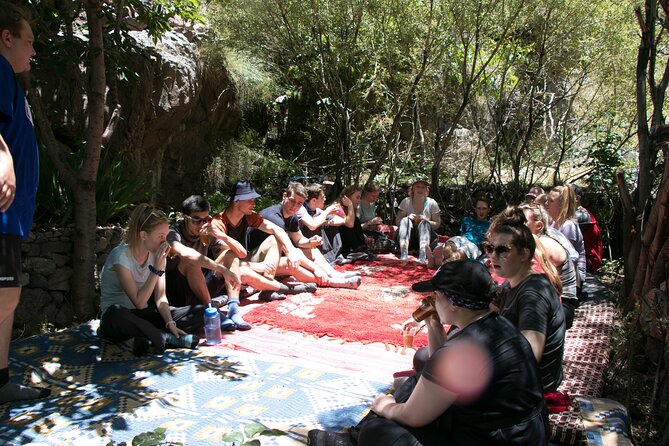
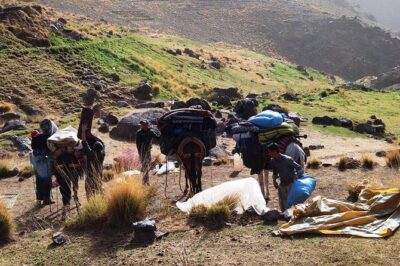
This trek is set up so you are not carrying everything. A mule helps with the heavy lifting, and the trek includes a cook. You also get camping gear provided, plus meals at the right moments: breakfast, dinner, and lunch (2).
That matters more than it sounds. On summit day, you need consistent fuel and you need it without drama. When you have a cook and a plan, you are not trying to ration food, boil water, and figure out timing in the middle of a climb.
Food quality is repeatedly praised, including the work of chef Mohamed Abayen, and the overall feeling people get from the camp set-up. It is not just about taste either. When your meals arrive on time, you are less likely to waste energy asking questions or worrying about logistics.
The one comfort trade-off
Sleeping is not like a hotel. You are in tents near altitude. The tour does not include sleeping bags, so you may need to bring your own or arrange rental elsewhere. Cold nights can sneak up on you, especially if you are coming straight from Marrakech warmth.
Gear and Winter Reality Check (Crampons and Ice Axe Are Not Included)
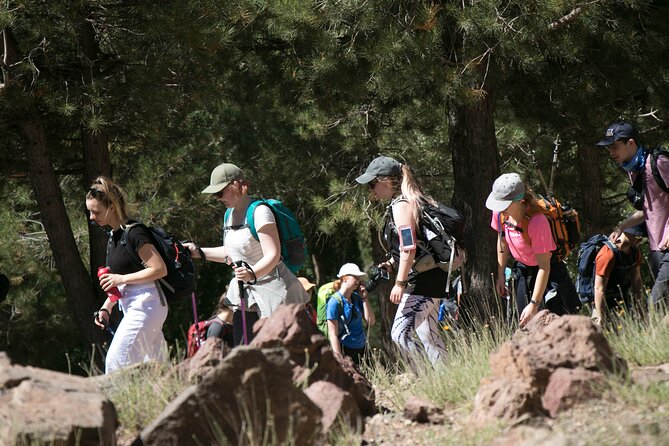
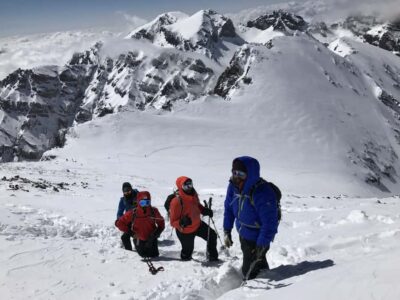
The basics are: camping gear is included, but certain trekking and safety items are not. The tour specifically notes that rental equipment such as crampons (winter) and ice axe (winter) are not included. It also does not include sleeping bags and walking poles.
Here is the practical way to think about it. If you are going in a cold season, your biggest risk is not hiking itself. Your risk is having the wrong gear for traction and cold. Scree and snow make the difference between steady walking and constant slipping.
So do this before you go:
- Make sure you have warm layers for cold camp nights
- Plan footwear with dependable grip for rough ground
- If you are trekking in winter, be ready for potential costs for traction equipment like crampons, and possibly an ice axe rental
Also remember that soft drinks are not included. That does not mean you will go thirsty, but it is a reminder to pack water and basic essentials for the days you might want extra.
Fitness and Altitude: How to Pace the 2-Day Climb
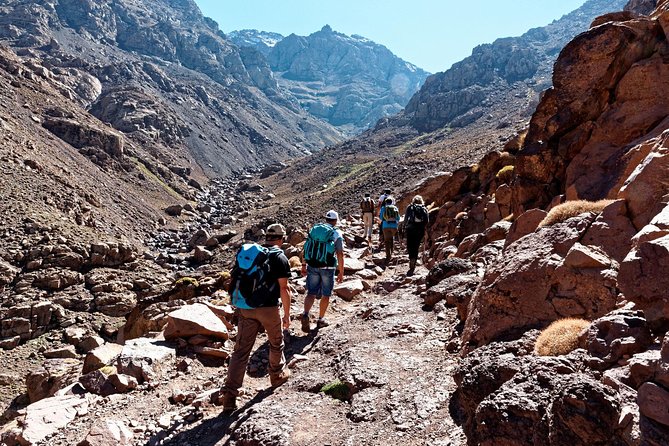
The tour calls for moderate physical fitness. That is a helpful target, but the real test is stamina over long climbing days. Day one gives you a warm ramp-up with about 5-6 hours walking. Day two ramps higher with about 10 hours total time, including the summit push.
The sneaky part is altitude plus fatigue. Even if the climbing is not technical, your breathing changes and your muscles feel the effort differently. You may find that you get tired sooner than you expected, especially in the first hours.
The pacing strategy is simple:
- Walk steadily, not fast
- Let your guide decide where to take breaks
- Do not overreach early on day two, because scree can drain your legs fast
If you can handle long uphill walking at a steady tempo, you are in the right zone. If you want a short, easy hike with frequent comfort, this is probably the wrong choice.
Small Group Size: Why Max 15 Travelers Feels Better on a Mountain
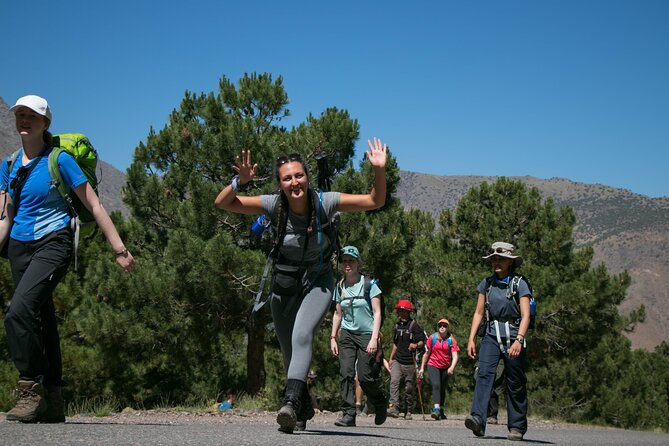
Max 15 travelers sounds like a “nice perk,” but on a mountain it affects everything. Fewer people means a guide can actually watch everyone’s pace. It also means the group can move through narrow stretches, shrine areas, and camp transitions without becoming a line of bottlenecks.
It also helps morale. On a summit trek, the hardest moments are when you start to doubt yourself. In small groups, you get a more personal kind of encouragement. You also get a better chance to ask questions, get help with pacing, and feel safe.
People also mention that guides read the group well, adjusting to how the hike feels that morning. That is what you want, because the mountain does not care about your schedule. It reacts to weather, footing, and wind.
Price and Value for a Guided Toubkal Climb at About $255
The price is $255.89 per person for the 2-day experience. That is not cheap, but it is also not just “you pay for a guide and walk.” You are paying for a package that includes:
- Hotel pickup and drop-off in Marrakech
- Transport to and from the Imlil area
- An English-speaking guide
- A cook and meals across the two days
- Mule support
- Camping gear
- Admission ticket(s) included
- A 1-night stay with tent camping
What is not included also matters:
- Winter gear rentals like crampons or an ice axe
- Sleeping bags
- Walking poles
- Soft drinks
- Travel insurance and tips
So the real value question is this: does the total cost of getting there, arranging a tent camp, paying for meals, managing a mule, and handling the summit timing feel like effort you would rather outsource? If the answer is yes, this price often feels reasonable for what you receive.
One extra thought: since this trek is commonly booked around 11 days in advance, it is wise to lock in plans early. Popular seasons fill quickly, especially around cold-weather conditions when the mountain is more intense.
Who Should Book This Trek, and Who Might Not Enjoy It
This trek is a strong match if you:
- Want a guided summit of North Africa’s highest peak
- Prefer a small group and a structured schedule
- Are okay with camping in a tent and hiking through changing terrain
- Like having meals handled by a cook, so you can focus on walking
You might want to skip it if you:
- Are not comfortable with altitude and long days
- Do not want to deal with potential extra gear costs, especially in winter
- Prefer fully comfortable lodging and easy, short hiking
If you do have the fitness and you come prepared for cold and traction needs, this can be a very memorable two days.
Should You Book This 2-Day Toubkal Trek?
Book it if you want the classic Toubkal experience with round-trip transfers, small-group pacing, and a team that handles the hard parts of logistics, including a cook and mule support. The summit payoff, especially when timing lines up for early light, is the kind of moment you will talk about long after.
Pass if you hate cold nights in tents, if you are unsure you can manage long uphill walking with scree, or if you are not ready to budget for winter traction gear when needed. This trek rewards preparation, not just enthusiasm.
FAQ
What time does pickup start in Marrakech?
Pickup starts at 8:00 am from your accommodation in Marrakech.
How long is the trek?
The duration is about 2 days.
What is the walking time on each day?
Day one is about 5 to 6 hours walking, and day two is about 10 hours.
Is hotel pickup and drop-off included?
Yes. Hotel pick-up and drop-off service from Marrakech is included.
What meals are included?
Breakfast is included, plus lunch (2) and dinner.
What gear is included, and what is not?
Camping gear is included, but sleeping bags and walking poles are not included. In winter, rental equipment such as crampons and an ice axe is also not included.
Is there a limit on group size?
Yes. The maximum group size is 15 travelers.
FAQ
Can children join this trek?
Children must be accompanied by an adult.
How far is the drive from Marrakech to the start of the trek?
The transfer is about 1.5 hours to the village of Imlil.
Is an admission ticket included?
Yes. Admission ticket(s) are included on both day one and day two.
Is travel insurance included?
No. Travel insurance is not included.
Is soft drinks included?
No. Soft drinks are not included.
Is cancellation free?
Free cancellation is offered up to 24 hours in advance for a full refund.
Is tipping included in the price?
No. Tips and gratuities are not included.
Just reviewed around Marrakech
- From Marrakech: Day trip to Ouzoud waterfalls and boat tour★ 5.0 · 73 reviews
- Private horseback ride in the Palmeraie of Marrakech★ 5.0 · 73 reviews
- Marrakech to Essaouira / Small group day tour To Essaouira★ 5.0 · 73 reviews
- 1 Day Guided Tour of World Heritage Kasbah Ait Ben Haddou from Marrakech★ 3.5 · 73 reviews
- Ourika Valley Day trip: Hike, waterfall, lunch and Relax★ 4.8 · 73 reviews
- Marrakech: Authentic Local Dinner with Transport★ 4.1 · 73 reviews
- Waterfalls, Three valleys, Atlas Montains, Camels & Desert★ 5.0 · 73 reviews
- Marrakech: Cycling Tour in Palm Groove with Local Breakfast★ 4.7 · 73 reviews
Toubkal Treks, compared.
Mt Toubkal Ascent Express Trek 2 Days 1 Nights
Read our review →
2-Day Mt. Toubkal Trek with 1-Night Stay & Meals
Read our review →
Browse the lists this tour appears in